

Thermal cycling — not just raw heat — is the primary force working against your limestone flagstone investment in Arizona. A limestone flagstone cost guide for Arizona that ignores the 40°F to 60°F day-to-night temperature swings common across the state is giving you incomplete information. What separates a 25-year installation from one that starts cracking at year eight isn’t always the stone itself — it’s whether the specification accounted for the mechanical stress those cycles impose on joints, base layers, and the stone’s internal pore structure over thousands of repetitions.
Why Thermal Cycling Drives Your Cost Decisions
Arizona’s temperature range is what makes flagstone specification genuinely complex. You’re not engineering for a static climate — you’re engineering for a material that expands and contracts daily, sometimes through a 50°F or 60°F range in a single 24-hour period. In Flagstaff, that cycling also includes genuine freeze-thaw exposure, where moisture inside stone pores expands by roughly 9% upon freezing and can fracture even dense limestone if porosity thresholds aren’t respected.
The cost implication is direct: stone that performs under these conditions requires a higher absorption resistance rating, which typically pushes you toward denser limestone grades rather than softer sedimentary cuts. Denser material costs more per square foot — usually 15% to 25% more at the material level — but that premium buys you a stone that doesn’t spall at the surface or develop hairline fractures through thermal fatigue. Budget for the right material upfront, or budget for replacement at year ten. This is the foundational logic behind any sound limestone flagstone cost guide for Arizona.
Flagstone Pricing Per Square Foot in Arizona
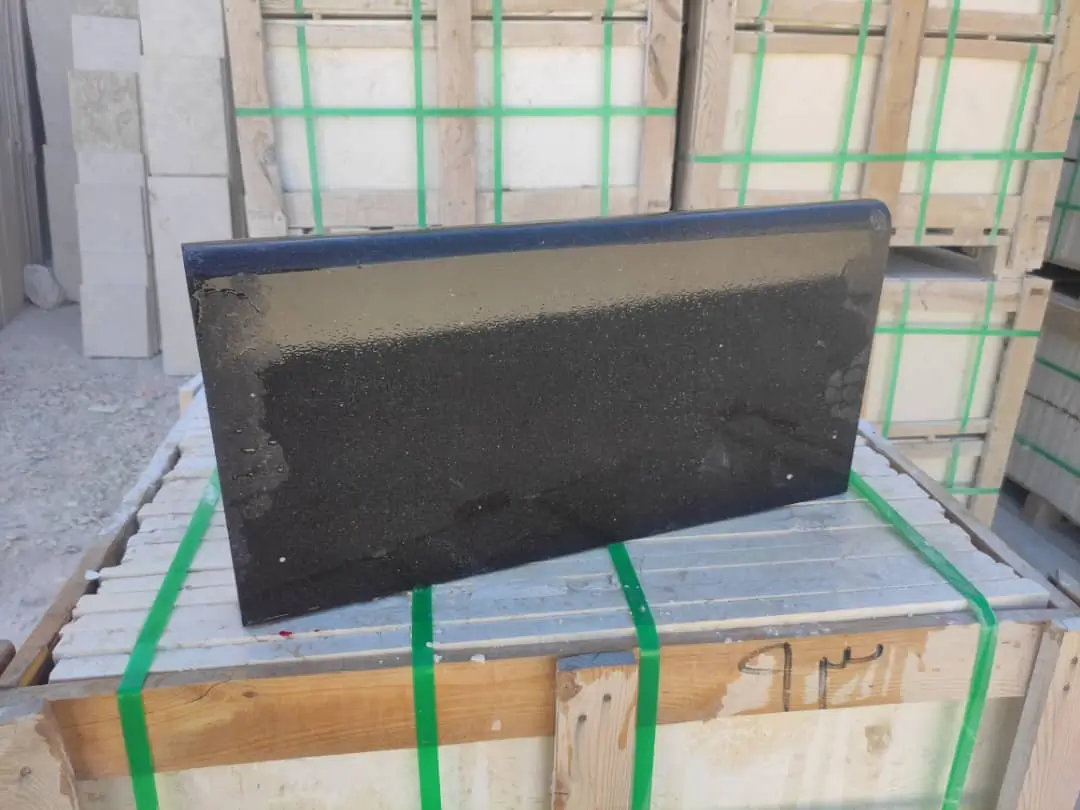
Flagstone pricing per square foot in Arizona varies more than most buyers expect because the range spans both material grade and regional supply chain factors. Here’s what you’re actually looking at across the main categories:
- Entry-level limestone flagstone (irregular cut, higher porosity, softer grades): $3.50 to $5.50 per square foot at the material level
- Mid-range limestone flagstone (semi-regular cut, medium density, moisture absorption below 6%): $6.00 to $9.00 per square foot
- Premium limestone flagstone (precision cut, dense crystalline structure, absorption below 3%): $10.00 to $15.00 per square foot
- Installation labor in Arizona typically adds $8.00 to $14.00 per square foot depending on access complexity and base preparation requirements
- Base materials (compacted aggregate, bedding sand, polymeric joint sand): $2.50 to $4.50 per square foot additional
The total installed cost for a mid-range limestone flagstone patio in Arizona typically lands between $16.00 and $27.50 per square foot. That’s a wide range, and the variables that move you toward the higher end — challenging access, expansive soil conditions, and sloped sites — are all common in Arizona residential settings. Natural stone slab budget planning for Arizona homeowners should treat these variables as near-certainties rather than edge cases. For current material pricing broken down by grade and thickness, check our limestone flagstone pricing in Arizona before finalizing your budget.
Thermal Expansion and Joint Specifications
Limestone has a coefficient of thermal expansion in the range of 4.5 to 5.5 × 10⁻⁶ per °F. For a 24-inch flagstone, a 50°F daily temperature swing produces approximately 0.006 to 0.007 inches of dimensional change per cycle. That sounds small — until you multiply it across a 400 square foot patio with dozens of stones and thousands of annual cycles.
Your joint spacing specification directly determines whether the stone can accommodate that movement or transfers stress into the stone face and subsurface bond. The standard recommendation of 3/8-inch joints applies to moderate climates. For Arizona conditions — particularly in higher elevation zones — bump that to 1/2 inch minimum and use a flexible polymeric joint sand rated for thermal cycling rather than a rigid cement-based grout.
- Rigid grout joints in flagstone applications in high-cycling environments fail at the stone-grout interface, typically within 5 to 8 years
- Polymeric sand with a flex rating maintains joint integrity through expansion and contraction cycles that exceed 100°F seasonal range
- For patios larger than 200 square feet, incorporate a soft joint (compressible backer rod and sealant) every 15 linear feet — not the 20-foot spacing cited in generic specifications
- Perimeter expansion joints at structure interfaces are non-negotiable in Arizona — thermal mass differences between the stone field and adjacent concrete foundations create differential movement that rigid connections can’t survive
Stone Density and Porosity: What the Numbers Mean for Arizona
Porosity is the specification number that most natural stone slab budget planning for Arizona homeowners glosses over, and it’s the one that matters most for thermal cycling durability. Limestone with an absorption rate above 6% by weight retains moisture in its pore structure. In low-desert areas, that moisture evaporates rapidly — but in areas like Flagstaff or during Arizona’s monsoon season, that retained moisture cycles through temperature swings that stress the pore walls from the inside.
The distinction in practice: a high-absorption limestone might perform acceptably in Scottsdale‘s low-elevation desert where the dry air purges moisture quickly, but the same stone installed at higher elevation or in a shaded, north-facing application will experience genuinely different moisture dynamics. Specify absorption rates appropriate to your microclimate, not just your state.
- For low desert below 2,500 feet elevation: absorption rate below 6% is acceptable, 3% to 4% is preferred
- For mid-elevation zones 2,500 to 5,000 feet: specify absorption below 4% to manage increased precipitation and sharper temperature swings
- For high-elevation zones above 5,000 feet with freeze-thaw exposure: specify absorption below 3% and confirm the stone has passed ASTM C99 or equivalent freeze-thaw cycling tests
- Travertine, for comparison, typically runs 3% to 8% absorption depending on fill quality — dense-filled travertine and dense limestone flagstone occupy similar performance bands
Thickness Specifications: Load and Cycling Combined
Thickness decisions in limestone flagstone Arizona applications involve two separate forces — point load bearing capacity and thermal stress distribution across the stone face. Most specifiers optimize for one and underserve the other.
For foot traffic patios with a stable compacted base, 1.25-inch limestone flagstone handles load requirements adequately. The thermal cycling argument for going thicker is subtler: thinner stones have a higher surface-area-to-mass ratio, which means they heat and cool faster than thicker slabs. Faster cycling means more expansion-contraction cycles per day, which mechanically fatigues the stone’s crystalline structure over time. The practical benefit of 1.5-inch to 2-inch thickness in Arizona isn’t just structural — it’s a damping effect on thermal cycling speed. Limestone paving material costs across Arizona reflect this thickness premium, and it’s a cost worth absorbing upfront.
- 1.25 inches: appropriate for residential foot traffic with stable base, moderate cycling exposure
- 1.5 inches: recommended for Arizona installations with daily temperature swings exceeding 40°F, which includes most of the state during spring and fall
- 2 inches: specified for vehicular applications, high-traffic commercial areas, or installations at elevation with freeze-thaw exposure
- Avoid irregular flagstone below 1 inch thickness in Arizona — thermal stress fractures appear first at thin edges and propagate inward over successive cycles
Base Preparation and Arizona Soil Conditions
Natural stone slab budget planning for Arizona homeowners frequently underallocates for base preparation, which is where the majority of flagstone failures actually originate. Arizona soils present two distinct challenges that your base specification needs to address: expansive clay that swells with moisture (common in central and northern Arizona valleys) and caliche hardpan that creates drainage interruptions if penetrated improperly.
The thermal cycling overlay on soil conditions adds another dimension. Expansive clay soils move vertically with moisture content changes — but Arizona’s temperature extremes also drive soil moisture evaporation cycles that can move clay soils several times per season. A flagstone installation set in a sand bed over unstabilized expansive clay in Sedona‘s red clay zones will show differential settlement within two to three years regardless of how well the stone was selected.
- Standard base for flagstone Arizona: 4 to 6 inches of compacted Class II base aggregate, 1 inch bedding sand layer, flagstone
- For expansive soil conditions: excavate to native stable soil, add geotextile fabric, 8 inches of compacted aggregate base minimum
- For sloped sites with drainage concerns: incorporate perforated drain pipe at the base of the aggregate layer to prevent hydrostatic buildup under the stone field
- Base compaction to 95% Modified Proctor is the professional standard — below that threshold, you’ll see settling at the joints within the first two monsoon seasons
Sealing Strategy Under Thermal Cycling Conditions
Sealing limestone flagstones in Arizona serves a different primary function than it does in wetter climates. You’re not primarily sealing against chronic rain penetration — you’re reducing the rate at which moisture from brief but intense monsoon events and morning condensation enters the stone’s pore structure before the daily heat cycle begins. The goal is to slow the moisture load during the absorption window, not eliminate it entirely.
Penetrating impregnator sealers in the silane-siloxane chemistry range perform best for Arizona limestone applications because they don’t alter the surface texture (which matters for thermal-related surface stress) and they allow the stone to breathe during the expansion cycle. Film-forming sealers trap vapor pressure during rapid heating and can delaminate from the surface in extreme heat — a common failure mode in uncovered outdoor limestone installations where surface temperatures regularly exceed 140°F in direct Arizona sun.
- Initial sealing: apply two coats of penetrating silane-siloxane sealer within 30 days of installation, after the stone has completed its first full temperature cycle
- Resealing interval: every 2 to 3 years in high-UV, high-cycling Arizona exposures — test by dropping water on the surface and watching for absorption within 60 seconds
- Avoid solvent-based sealers during summer application — surface temperatures above 90°F cause flash evaporation before penetration occurs
- For covered areas with reduced UV and temperature cycling, sealing intervals can extend to 4 to 5 years without performance compromise
Material Sourcing, Lead Times, and Logistics in Arizona
The logistics dimension of limestone paving material costs across Arizona deserves attention because it affects both your budget and your project schedule in ways that aren’t always visible in a per-square-foot quote. Arizona’s geography means truck delivery distances from distribution points vary significantly — a project in central Phoenix has fundamentally different freight economics than a site in a rural northern Arizona community.
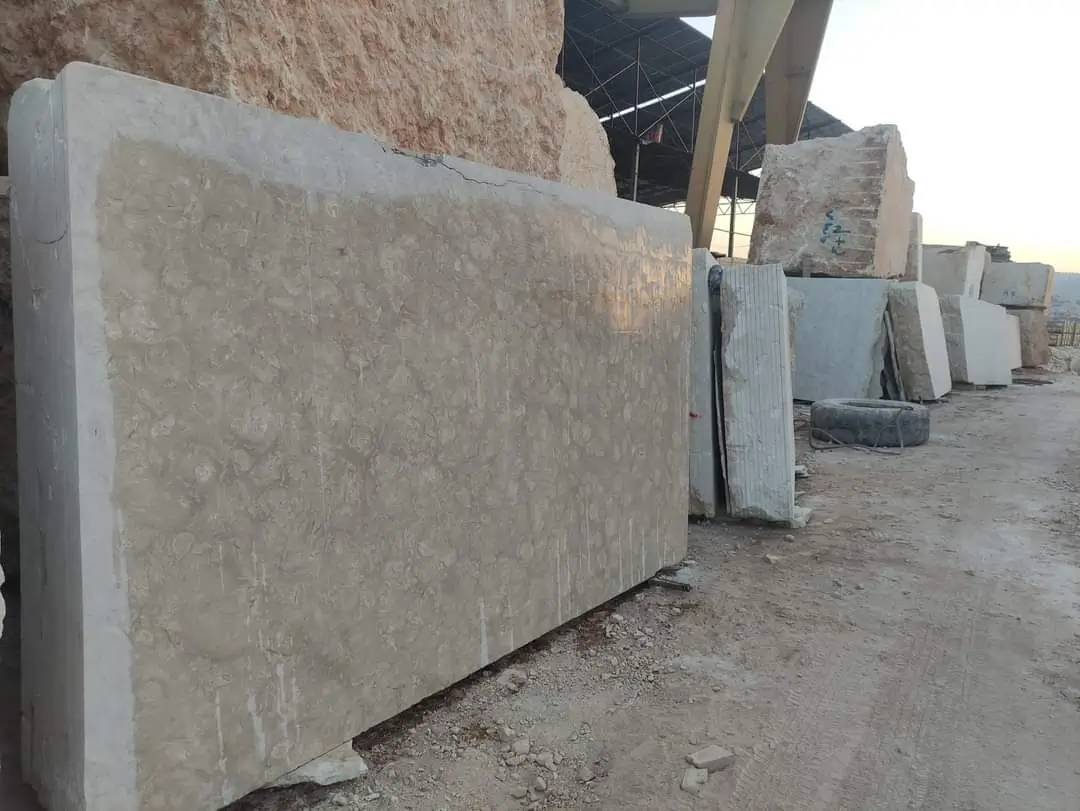
At Citadel Stone, we source limestone flagstone directly from quarries in Turkey and the Mediterranean, which gives us control over grade consistency and allows us to stock material in our Arizona warehouse rather than importing to order. That warehouse inventory typically reduces lead times to one to two weeks for standard grades — compared to the six to eight week import cycle you’ll face ordering through a distributor with no local stock. Your project schedule should account for whether the material you’ve specified is actually on the ground or on a ship.
- Verify warehouse stock availability before confirming your project start date — grade-specific stock fluctuates and a truck delivery delay can leave your crew idle mid-project
- For large projects exceeding 1,000 square feet, request a material hold with confirmed truck delivery scheduling rather than relying on spot availability
- Factor in a 10% overage order on all flagstone material — natural stone has inherent variation and running short means waiting for a second truck delivery that may not match your existing lot’s color and texture exactly
- The Arizona desert flagstone value comparison for limestone versus other natural stone materials (travertine, sandstone, quartzite) shifts when you account for regional warehouse availability — locally stocked materials reduce both limestone paving material costs across Arizona and scheduling risk
Before You Specify: Getting Your Limestone Flagstone Cost Guide for Arizona Right
The full picture of limestone flagstone cost planning for Arizona comes down to a decision architecture that starts with your site’s elevation and soil profile, moves through density and absorption specifications appropriate to your microclimate, and resolves at joint and base details that are calibrated for the thermal cycling your specific location actually delivers. Treating Arizona as a uniform climate produces specifications that work for some projects and fail others — the state’s elevation range from under 100 feet to over 7,000 feet means the relevant performance variables shift considerably depending on where you’re building.
Projects that perform over the long term share a common trait: the specification decisions were made before the budget was fixed, not after. Working from a material-first approach — identifying the absorption rate, thickness, and joint system your site demands, then pricing accordingly — produces better outcomes than fitting an available material to an already-committed budget. The Arizona desert flagstone value comparison only makes sense once those upstream decisions are locked in. For the practical side of how the stone goes down once you’ve made those decisions, How to Install Limestone Flagstones in Arizona covers the installation sequence in detail worth reviewing before your contractor begins. Stone for Arizona projects sourced direct from quarries in Turkey, the Mediterranean, and beyond gives Citadel Stone the ability to supply limestone flagstones across Phoenix, Scottsdale, and Yuma at competitive material grades.