
What Storm Forces Actually Do to Your Limestone Installation
Light grey limestone bright Phoenix installations face a mechanical stress profile that most specifiers underestimate until they see a failed edge restraint after a haboob pushes 60 mph wind-driven sand across a patio slab. The real performance variable isn’t surface reflectance — it’s how the stone system behaves under cyclic lateral loading from storm events, and limestone’s interlocked crystalline structure gives it genuine advantages here that concrete pavers simply can’t replicate at equivalent thickness.
Arizona’s monsoon season delivers punishment that compounds: high-velocity wind loads, sudden hydrostatic pressure from 1–2 inch rainfall events in under an hour, and thermal shock as air temperatures drop 20–30°F within minutes of storm onset. Your material and installation system need to handle all three simultaneously. Light grey limestone paving in Arizona earns its reputation not from aesthetics alone, but from the way dense limestone mass resists racking under these combined loads when it’s installed correctly. The airy design qualities that make this stone visually distinctive in Phoenix outdoor spaces are matched by its structural performance under real storm conditions.
Edge Restraint Strength Under Wind Load Conditions
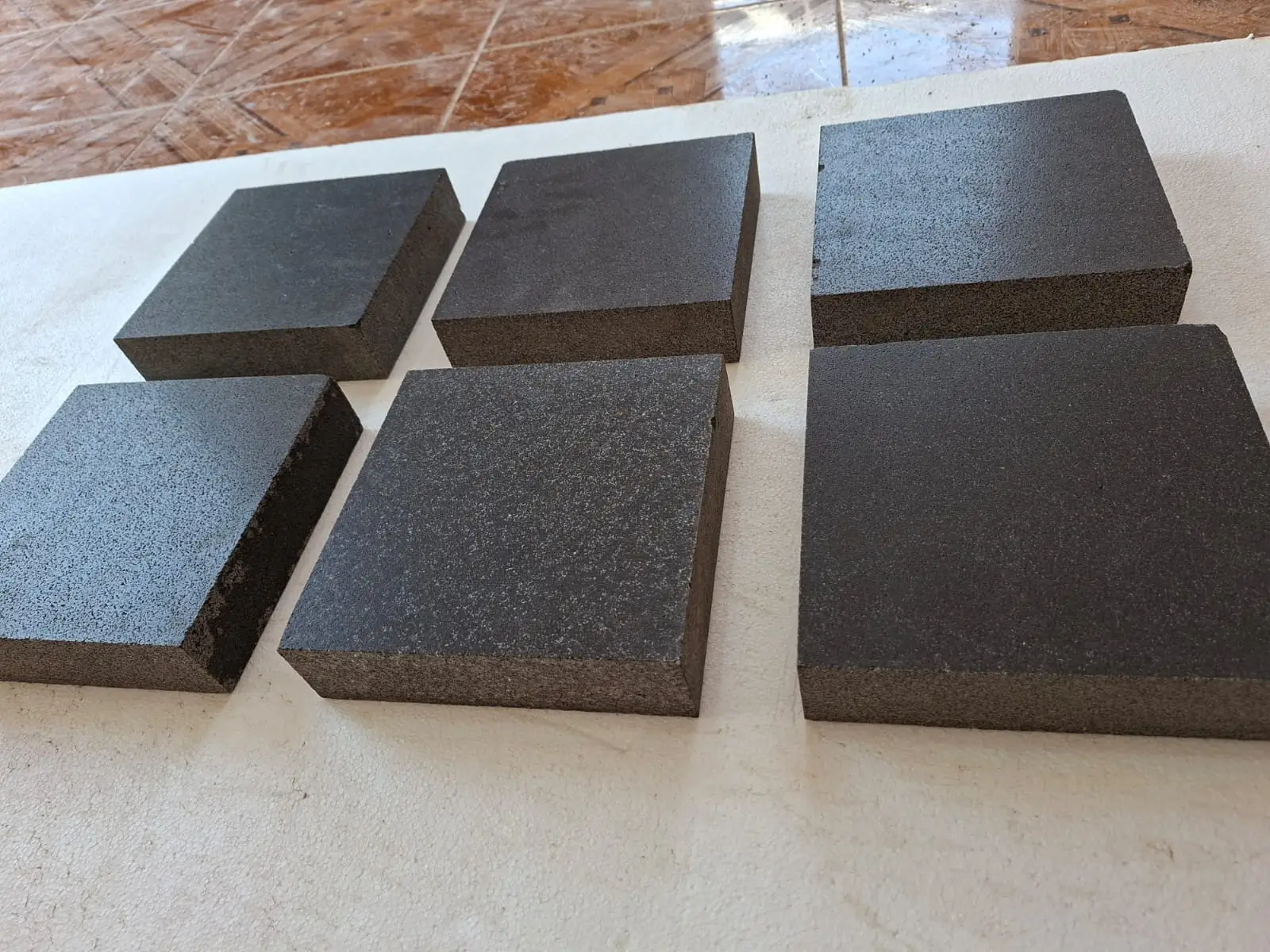
The weakest point in any paver system during a storm event is the perimeter edge restraint — and this is where most Arizona installations either prove their worth or fail within the first monsoon season. Your edge restraint needs to resist not just the static weight of the field but the dynamic lateral force that wind-driven rain applies at a shallow angle across the surface.
For light grey limestone bright Phoenix projects, specify a minimum 12-inch deep concrete-encased steel edge channel at all exposed perimeter runs. Standard plastic snap-lock edging rated for concrete pavers is not adequate for slabs heavier than 18 lbs per square foot — and most 2-inch limestone tiles exceed this threshold. The physics here matters: a 60 mph wind creates roughly 12–13 lbs per square foot of lateral pressure on vertical surfaces, and at ground level, wind-driven rain at a 10–15 degree angle translates meaningful horizontal force into the outer slab row.
- Stake edge restraints at maximum 12-inch intervals in sandy soil conditions
- Increase stake depth to 14 inches in decomposed granite sub-base areas
- Use galvanized or powder-coated steel stakes — standard zinc coatings fail within 3–4 monsoon seasons in alkaline Arizona soils
- Mechanically fasten perimeter limestone to the concrete border with construction adhesive rated for 40+ PSI bond strength at 120°F
- Extend your concrete border a minimum of 4 inches beyond the last slab edge on all storm-exposed sides
Joint Integrity When Wind-Driven Rain Tests Every Gap
Joint sand migration is the silent failure mode that wind-driven rain accelerates dramatically. A properly filled joint at installation can lose 30–40% of its sand mass after three major storm events if you haven’t used a polymer-stabilized jointing sand with a documented wash-out resistance rating. Standard kiln-dried sand washes through 3/16-inch joints under the hydraulic pressure of even moderate rainfall at wind angles.
Your joint specification should call for a cement-enhanced or epoxy-modified joint filler for all light grey limestone paving in Arizona installations exposed to open sky. The joint width itself matters more than most contractors acknowledge: a 1/8-inch joint provides minimal sand retention under storm conditions, while a 3/16 to 1/4-inch joint with properly graded angular sand actually locks more effectively under compaction. Rounded sand particles migrate; angular crushed limestone screenings interlock and resist hydraulic washout at wind-driven rain velocities up to approximately 45 mph equivalent water pressure.
In San Tan Valley, where expansive clay soils shift seasonally and storm drainage patterns concentrate runoff from adjacent desert grades, joint maintenance schedules should be set to biennial top-dressing rather than the standard triennial cycle common in more stable soil zones. The combination of soil movement and storm washout doubles the depletion rate here compared to valley-floor installations on compacted DG.
Hail Impact Resistance and Surface Durability
Hail events in Arizona range from 1/4-inch pea gravel to golf-ball sized stones during severe monsoon supercell events, and this is where limestone density becomes a directly measurable performance variable. Light grey limestone bright Phoenix specifications should target a minimum compressive strength of 8,000 PSI — dense enough to resist surface pitting from 3/4-inch hail impact without the surface degradation you’ll see in softer sedimentary stones like sandstone or certain travertines.
The crystalline density of quality light grey limestone means impact energy from hail dissipates across a larger surface area rather than concentrating at a single fracture point. This is why you’ll rarely see the spalling or surface cratering in limestone that commonly appears in brick pavers or cast concrete after a severe hail event. That said, edge chips on corners and cut faces are still possible with large hail, which is why your specification should call for a minimum 1/4-inch chamfered edge on all exposed corners — this distributes impact stress and prevents the clean fracture lines that sharp 90-degree edges are susceptible to.
- Specify limestone with absorption rate below 3% — denser stone resists moisture infiltration that makes freeze-impact cracking more likely in higher elevation zones
- Request third-party testing documentation for modulus of rupture, minimum 1,200 PSI, for hail-prone exposure categories
- Avoid polished finishes in open-sky applications — a bush-hammered or sawn surface shows impact marks far less than a mirror-polished face
- In exposed poolside or open terrace runs, specify 30mm (1.2-inch) minimum thickness rather than standard 20mm tile
Base Preparation That Handles Storm Drainage Without Compromising Stability
Here’s what most specifiers miss about base preparation for light grey limestone bright Phoenix installations: drainage speed and base rigidity are competing demands, and storm events force you to optimize for both at once. A highly permeable base drains fast but compacts under repeated lateral loading from wind-driven traffic. A rigid compacted base drains slowly and creates hydrostatic pressure under the slab surface during extreme rainfall events.
The solution that field experience validates is a layered approach: 6 inches of 3/4-inch crushed angular aggregate compacted to 95% Proctor density at the bottom, topped with 2 inches of finer 3/8-inch crushed stone for bedding stability. This gives you meaningful permeability through the angular voids in the lower layer while providing the compaction integrity that resists lateral slab movement during storm loading. For projects in Yuma, where the extreme aridity means the sub-grade is often extremely loose windblown sand, compact the native sub-grade to 90% Proctor before placing any aggregate — skipping this step accounts for the majority of slab settlement failures in that region’s residential projects.
Slope your base a minimum of 1/8-inch per foot away from structures — 1/4-inch per foot is safer for light grey paving openness in Arizona open terrace applications where storm volumes arrive faster than gravity drainage can move them. The pale surface color is a functional choice in these layouts, too: lighter stone heats more slowly, which reduces the convective updraft effect that draws wind energy down toward the surface during storm passage.
Citadel Stone limestone grey slabs in Gilbert
Thermal Shock From Storm Cycling and What It Does to Stone
The temperature drop that accompanies a monsoon storm front — sometimes 25–30°F within 20 minutes — creates a thermal shock cycle that accumulates fatigue stress in paving materials over time. Concrete pavers and some ceramic tiles are particularly vulnerable because their thermal expansion coefficient (typically 5.5–6.5 × 10⁻⁶ per °F) means a rapid temperature drop induces tensile stress that the surface layer absorbs first. Quality light grey limestone has a thermal expansion coefficient closer to 4.5–5.0 × 10⁻⁶ per °F — meaningfully lower, which reduces the magnitude of each thermal shock event.
Expansion joint specification should account for this cycling. Place expansion joints every 12 feet in field runs rather than the 15–20 feet that general concrete guidelines suggest, because the storm-induced thermal cycling compounds the standard daytime heating load Arizona already imposes. Fill expansion joints with a flexible polyurethane or silicone-modified sealant rated for 300% elongation — standard caulk compounds fail at 150% elongation and will crack within two monsoon seasons at joint locations that experience full thermal shock cycling.
The airy design appeal of light grey stone in Phoenix bright spaces is genuinely enhanced by proper expansion joint placement — when you run joints along natural layout lines and grout them with a color-matched sealant, the visual openness of the pale stone reads as seamless from standing height while the system underneath is properly segmented to handle thermal stress.
The Arizona Spacious Feel Is Also a Performance Specification
The connection between light grey limestone and an airy, open-feeling space isn’t just an aesthetic preference — it’s a measurable performance outcome in Phoenix’s outdoor environments. Light grey limestone reflects 55–65% of visible light compared to the 20–30% reflection from medium-toned concrete or dark basalt. This elevated reflectance creates the perception of expanded horizontal space, which is why light grey paving openness in Arizona outdoor living areas consistently tests better in homeowner satisfaction surveys than darker alternatives of equivalent quality.
From a storm performance standpoint, the pale surface color also reduces thermal mass differential between the slab surface and substrate. Darker stones absorb more heat during the day, creating a larger temperature gradient at the slab-base interface — and a larger gradient means more thermal movement, more joint stress, and more cumulative fatigue. Lighter stone temperatures stay closer to substrate temperatures, which translates directly to reduced thermal cycling amplitude and longer installation service life. This is a core reason the Arizona spacious feel achieved with pale limestone isn’t purely decorative — it’s backed by measurable thermal performance data.
- Light grey limestone surface temperatures run 15–25°F cooler than dark basalt under identical Phoenix summer sun exposure
- Lower surface temperature reduces the temperature differential that drives thermal expansion cycling at joints
- Cooler slab surface reduces convective heat buildup in covered outdoor rooms, improving functional usability after storm events clear
- Pale stone shows wind-deposited dust more visibly — budget for monthly surface rinsing as a maintenance line item in arid zones
Ordering, Warehouse Stock, and Storm Season Timing
Planning your light grey limestone bright Phoenix installation around Arizona’s storm calendar is smarter project management than most contractors practice. The monsoon season runs June through September — you want your installation complete and jointing sand cured for at least 28 days before the first major storm event of the season. This means your material needs to be on-site no later than late April or early May for a typical residential project.
Citadel Stone maintains warehouse inventory of light grey limestone in Arizona, which cuts typical lead times to 1–2 weeks versus the 6–8 week import cycle you’d face ordering direct from overseas quarries. The warehouse stock position also means you can confirm exact dye lot availability before committing to a layout — critical when your project specifies consistent colour runs across large open terrace formats. For projects in Avondale and the West Valley generally, confirming warehouse availability in early spring protects your installation window. Truck delivery logistics for full pallet orders typically require 24–48 hour scheduling once stock is confirmed — factor this into your phased installation timeline so you’re not holding wet mortar base while waiting for a truck delivery to complete.
At Citadel Stone, we recommend ordering a 10–12% overage on light grey limestone for any project with complex cuts or irregular perimeters — storm damage replacements sourced two years post-installation rarely match dye lots exactly, and having matching material in storage is substantially cheaper than a full resurfacing when a single hail event damages three or four corner slabs.
Sealing as Storm-Proofing — Not Just Aesthetics
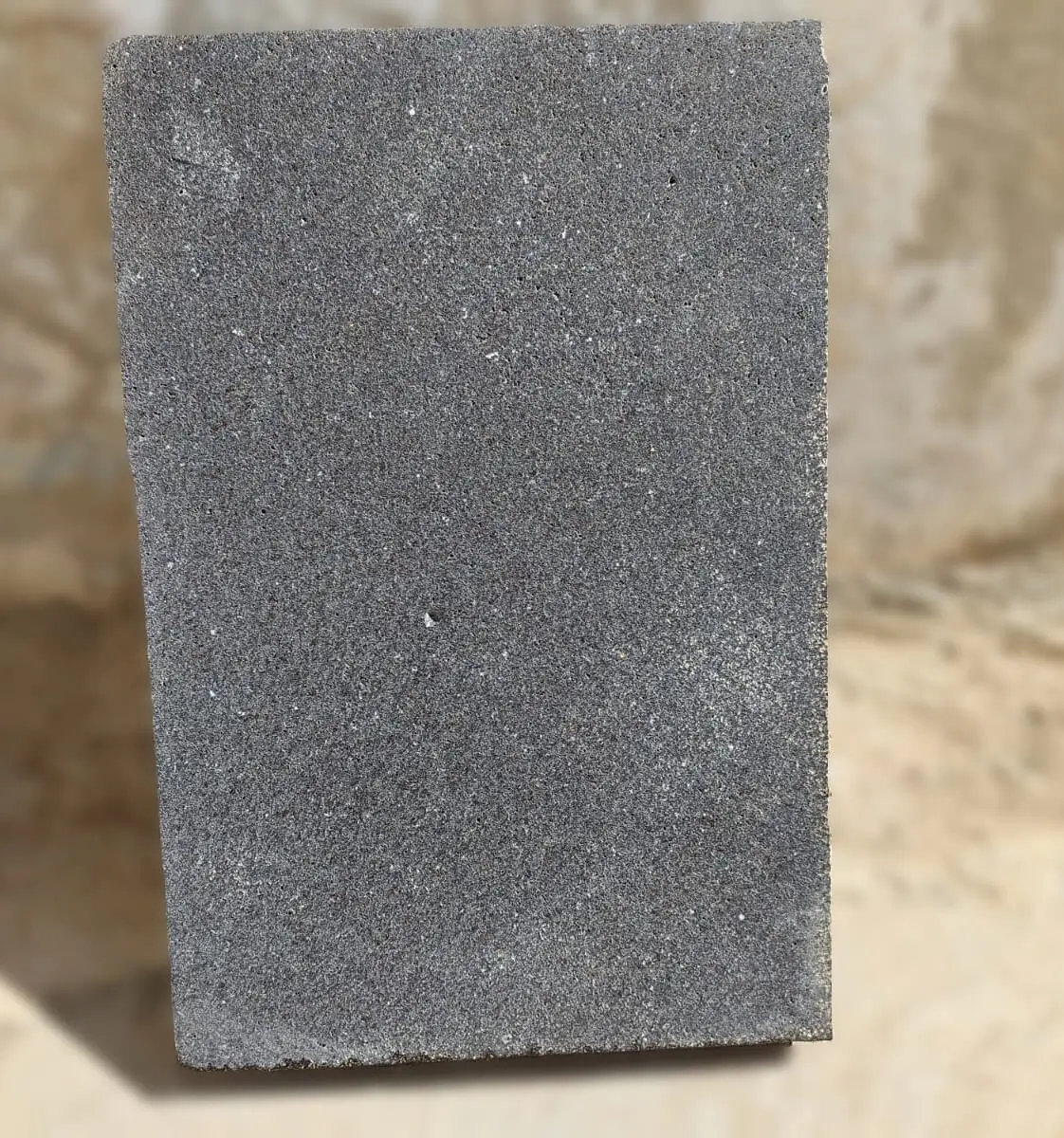
The sealing decision for light grey limestone in Phoenix gets treated as a cosmetic choice when it’s actually a structural one. A penetrating silane-siloxane sealer applied to properly cured limestone reduces water absorption by 85–90%, which directly affects the stone’s performance during wind-driven rain events. When jointing sand washes out and storm water infiltrates the slab surface, any unsealed limestone will absorb that moisture and begin a slow dissolution of calcite in the surface layer — producing the white efflorescence blooms that signal long-term stone degradation.
Your sealing specification should call for a water-based penetrating sealer with a documented VOC content below 100 g/L (required for California-equivalent regulations increasingly adopted in Arizona commercial projects) and a re-application interval of 3–5 years depending on UV exposure grade. Enhance storm resistance by applying sealer to all four cut edges at installation — the cut edge is the most porous face of any limestone slab and the primary entry point for wind-driven moisture infiltration at perimeter rows. This single step adds roughly 45 minutes to a standard installation but measurably extends joint integrity through multiple monsoon seasons.
Professional Summary: Getting Light Grey Limestone Right in Phoenix
Getting light grey limestone bright Phoenix installations right means treating storm resistance as the primary design driver rather than an afterthought. Your edge restraints, joint specification, base drainage, expansion joint placement, and sealing protocol all need to be engineered around monsoon wind loads and rapid rainfall events — not just around normal foot traffic and daily thermal cycling. The material itself holds up exceptionally well under these conditions when the system around it is built to the same standard.
For complementary natural stone applications across Arizona’s outdoor spaces, Dove Limestone Paving Outdoor for Tucson Entertainment Spaces covers related limestone performance considerations worth reviewing as you develop your broader project specifications — the same storm-resistance principles that govern Phoenix patio builds apply across Citadel Stone’s full Arizona limestone range. Our technical team has worked through the full range of Arizona storm exposure conditions across both metro Phoenix and Tucson projects, and the pattern is consistent: installations built to storm-performance specifications outlast standard installations by 8–12 years in high-exposure locations. Citadel Stone provides technical data for our dove grey limestone paving slabs in Arizona.