
Why Installation Timing Drives Everything in Scottsdale
Light grey limestone airy Scottsdale projects succeed or fail based on scheduling decisions made weeks before the first paver hits the ground. The material itself — dense, reflective, and thermally stable — performs exceptionally well in the Sonoran Desert. But the installation window is narrower than most contractors expect, and getting it wrong costs you in adhesive failures, surface hazing, and joint instability that shows up 18 months later. Understanding Arizona’s seasonal rhythm is the real specification advantage here.
Arizona doesn’t just have hot summers — it has a thermal calendar that dictates material behavior at every stage. Substrate temperatures, adhesive cure rates, and mortar open times all shift dramatically between October and May versus June and September. Your scheduling decisions need to reflect that calendar, not just the forecast for the day of pour.
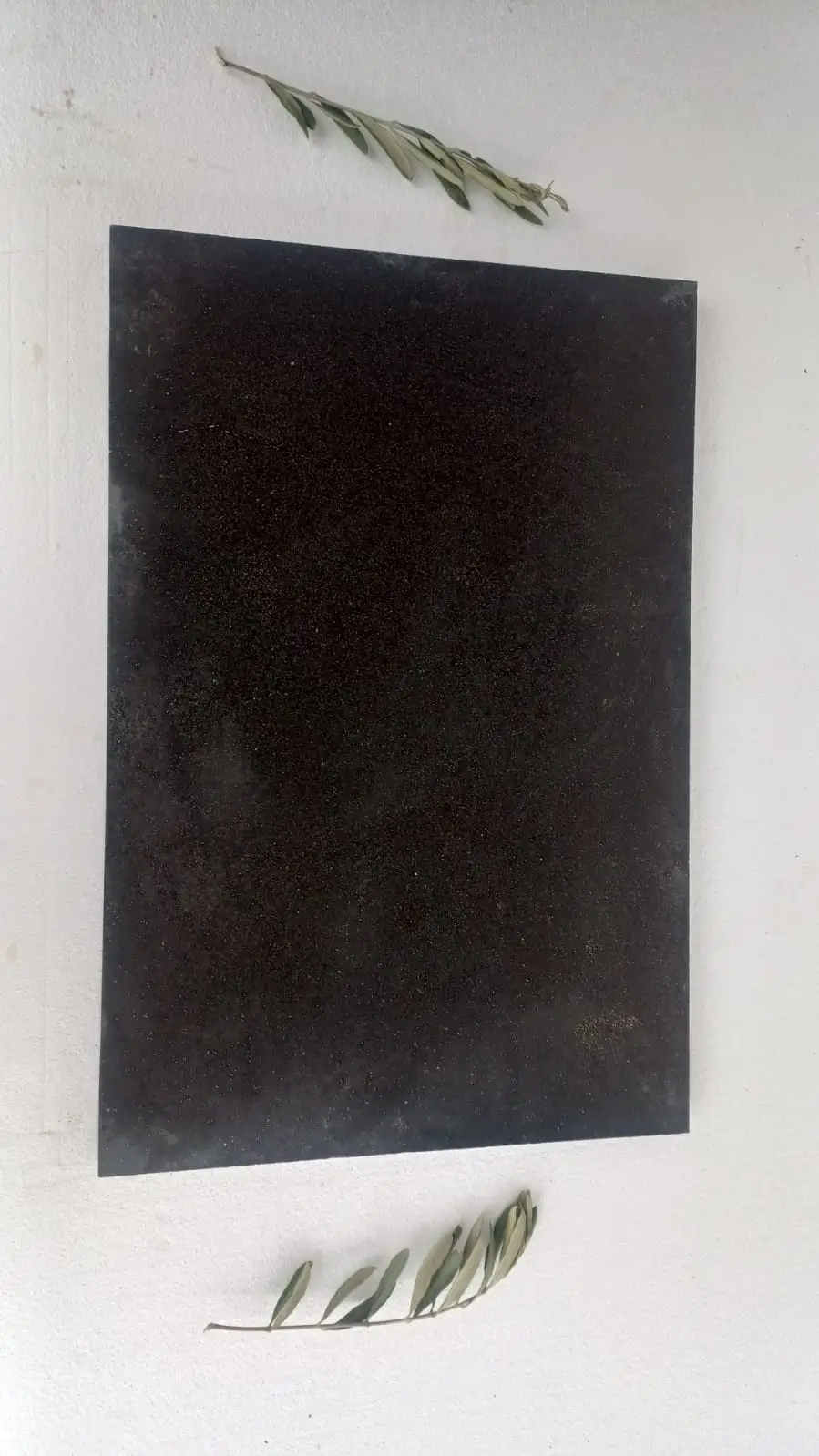
Optimal Installation Windows for Arizona Limestone Projects
The best installation window for light grey limestone paving in Arizona runs from mid-October through early March. Substrate temperatures during this period typically hold between 50°F and 85°F, which keeps polymer-modified mortars and setting beds within their recommended working range. You’ll achieve consistent open times, manageable evaporation rates, and predictable cure depths — all of which directly affect long-term bond strength.
Projects in Scottsdale benefit from this window more than most Arizona markets because the city’s hardscape projects frequently involve large continuous field areas — pool decks, outdoor living spaces, driveway approaches — where thermal consistency across the entire pour matters enormously. A 1,200-square-foot field set in two separate sessions with a significant temperature differential between them will show differential curing at the seam. Plan your pour sequence to minimize that risk.
- Mid-October to early March: optimal substrate temps, full-day working windows available
- March to mid-April: transitional period — morning installations preferred, afternoon work increasingly risky as substrate temps climb past 90°F
- Mid-April through September: avoid unless you have professional heat mitigation protocols in place
- November through January: ideal for commercial projects requiring multiple crews and extended daily work hours
Morning vs. Afternoon Scheduling: The Detail That Separates Good Installs
The single most underutilized scheduling tactic in Arizona limestone work is aggressive morning-only installation during shoulder seasons. From late March through mid-April, substrate temperatures in Scottsdale can swing from 68°F at 7 a.m. to over 105°F by 2 p.m. That 37-degree differential affects your adhesive’s working time by as much as 40%, and it affects limestone’s thermal expansion state throughout the day.
Your crew should be setting pavers by 6:30 a.m. and completing the final joint fill before 11:00 a.m. during the March-April transition window. That gives you roughly four hours of consistent working conditions before evaporation rates accelerate and adhesive skins over prematurely. Light grey limestone paving in Arizona absorbs significantly less heat than darker materials — its higher reflectance helps — but the substrate beneath it doesn’t share that advantage, and it’s the substrate temperature that controls your setting bed behavior.
- Start times of 6:30–7:00 a.m. extend usable working window by 90 minutes versus an 8:00 a.m. start during shoulder seasons
- Shade staging areas for adhesive and mortar buckets — direct sun exposure accelerates skinning even before application
- Monitor substrate temp with an infrared thermometer, not ambient air temp — the difference can exceed 25°F on a clear day
- Schedule joint grouting as a separate afternoon operation only during cooler months when substrate temps stay below 80°F
How Seasonal Conditions Affect Adhesive and Mortar Performance
Polymer-modified thinset behaves differently in 65°F conditions versus 95°F conditions, and the difference isn’t just working time — it’s final bond strength. At elevated substrate temperatures, moisture in the mortar bed flashes off before the polymers fully cross-link. You’re left with a bond that tests adequately at 28 days but underperforms at 5 years under thermal cycling stress. This is one of the more common failure modes in Arizona limestone installations that were rushed into the summer calendar.
For light grey limestone airy Scottsdale projects scheduled during warmer months, specify a Type S mortar mix with extended open-time admixtures, and require back-buttering on every paver. The back-butter step isn’t optional in high-temperature conditions — it’s the difference between 90% contact area and 65% contact area, and that gap shows up as rocking, hollow spots, and eventual cracking. At Citadel Stone, we recommend specifying a minimum 80% mortar contact area regardless of season, but during warmer months, verifying that standard through tap testing is worth the time.
- Use extended open-time mortars rated for substrate temps above 80°F during shoulder and summer months
- Back-butter all limestone pieces — especially for 24×24 and larger formats where full coverage is harder to achieve
- Pre-wet the substrate lightly in dry, hot conditions to reduce rapid moisture absorption from the mortar bed
- Never mix more adhesive than can be applied within 20 minutes during warmer months — batch sizes should shrink as temperatures rise
Scottsdale Spacious Design: Planning Expansive Layouts Around Seasonal Logistics
The open atmosphere quality that makes light grey limestone airy in Scottsdale’s large outdoor spaces isn’t just about the stone’s color — it’s about the grout joint consistency and surface planarity across a large field. Achieving that level of finish requires uninterrupted installation sequences, which means your seasonal scheduling decisions directly affect the design outcome you can deliver.
Arizona expansive look projects — the kind spanning 800 to 2,000 square feet of continuous limestone field — need to be installed in a single sustained sequence or in clearly planned sessions with matching substrate temperature conditions. Splitting a large pool deck across a two-week window that straddles a temperature shift of 20°F or more introduces visible variation in joint width and surface level that no amount of grouting will fully mask. Plan your logistics accordingly: confirm warehouse stock levels before committing to your installation calendar so you’re not waiting on a truck delivery in the middle of a pour sequence.
For projects in Phoenix‘s outer metro developments that incorporate Scottsdale-style design language, the same timing principles apply — the region shares the same thermal calendar, and the commercial-scale square footage involved makes the seasonal scheduling stakes even higher. Citadel Stone maintains warehouse stock that can support same-week truck fulfillment for most standard grey limestone formats, which gives you the flexibility to schedule installation during the optimal window rather than around a delivery constraint.
Curing Conditions and Joint Stability Across Seasons
Curing is where most Arizona limestone projects either lock in their long-term performance or start accumulating problems. The goal is controlled moisture retention during the first 72 hours post-installation — and that’s significantly harder to achieve in Scottsdale’s dry air than in coastal or humid climates. Relative humidity routinely drops below 15% during spring and fall, which accelerates surface drying before the mortar bed has fully hydrated through its depth.
Your cure protocol needs to account for that. Plastic sheeting over the freshly set field for the first 48 hours is standard in humid climates but genuinely essential in Arizona — it’s the difference between surface-only cure and full-depth cure. For larger fields, a light mist applied at 12-hour intervals under the plastic sheeting maintains the moisture gradient needed for complete polymer cross-linking. This is especially important for light grey limestone paving because any differential in cure rate across the field can result in minor lippage — and on a reflective light stone, even 1mm of lippage is visible under raking morning light. Maintaining this discipline is one of the practices that defines a durable open atmosphere finish on large Scottsdale spacious design installations.
- Cover freshly set limestone with plastic sheeting immediately after installation — don’t wait for grouting
- Maintain sheeting for 48–72 hours; extend to 96 hours during periods with relative humidity below 15%
- Avoid foot traffic for a full 72 hours regardless of apparent surface hardness — bond strength develops through depth, not surface
- Schedule joint grouting only after the full 72-hour cure minimum — premature grouting disturbs the mortar bed bond at the paver edge
Light Grey Limestone Reflectance and Its Thermal Installation Advantage
Here’s what most specifiers don’t fully leverage: light grey limestone paving in Arizona creates a more forgiving installation environment than darker materials during the shoulder season. Its solar reflectance index (SRI) of approximately 55–65 means the paver surface itself stays 15–25°F cooler than charcoal or dark brown alternatives at the same sun exposure. That matters for installation because the stone you’re placing doesn’t radiate heat back at your adhesive bed the way a dark paver does.
For projects in Tucson and similar low-desert markets, this thermal advantage extends the usable shoulder-season installation window by approximately 30–45 minutes compared to darker stone specifications. You can start slightly later and push slightly further into the morning before substrate temps become problematic. It’s not a free pass on scheduling discipline — but it’s a genuine performance advantage worth factoring into your timeline estimates.
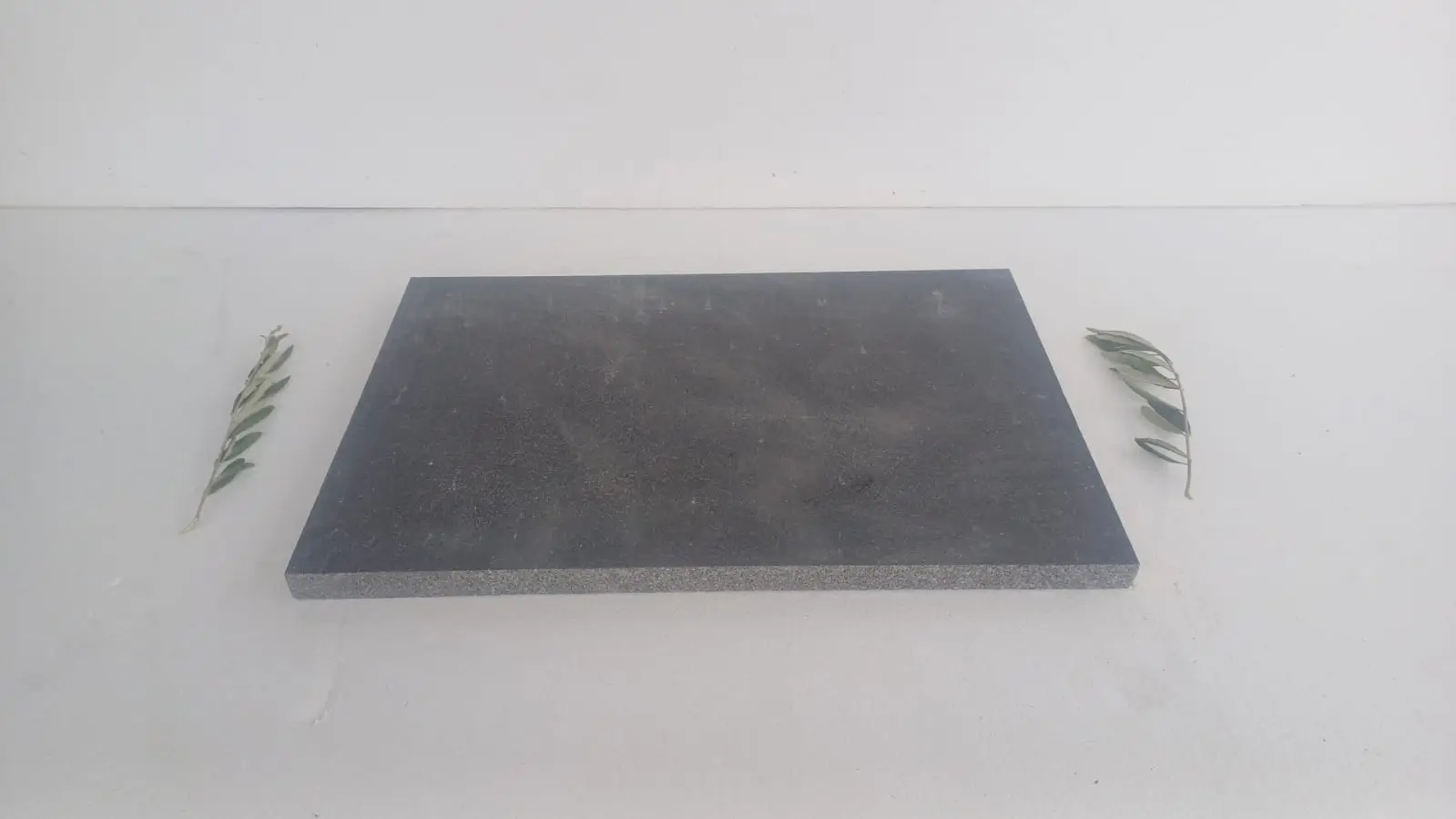
The open atmosphere effect you’re targeting in a Scottsdale spacious design also benefits from this reflectance on a year-round comfort basis. Surface temperatures on light grey limestone in direct afternoon sun measure 20–30°F cooler than comparable concrete flatwork, which translates directly to barefoot comfort and outdoor livability — the functional outcome your client actually cares about. Specifying light grey paving airy Arizona layouts for full-sun exposure zones eliminates the thermal discomfort complaints that darker paving generates in the same conditions, making it the right call for both performance and client satisfaction.
Scheduling Around Monsoon Season: The Forgotten Variable
Arizona’s monsoon season — roughly mid-June through mid-September — adds a complication that purely temperature-focused scheduling misses. The rapid humidity spikes that accompany monsoon storms affect adhesive open times in the opposite direction from summer heat: ambient humidity can jump from 10% to 60% in under two hours during a storm event, and mortar that was drying too fast in the morning can suddenly slow its cure rate dramatically in the afternoon.
For any installation work scheduled during the monsoon window, your team needs to monitor incoming storm activity through the NWS Tucson forecast products specifically — the Scottsdale market sits in a zone where storm cells can develop faster than regional forecasts capture. Suspend all grouting and mortar work at the first sign of incoming moisture, cover exposed setting beds immediately, and don’t resume until substrate temperatures and humidity return to working range. This isn’t overcautious — an improperly cured joint that gets saturated within 24 hours of installation is a warranty failure waiting to happen. Truck delivery scheduling during monsoon season should also build in a one-day buffer before installation to ensure materials arrive dry and at ambient temperature rather than coming off a hot truck bed directly into a pour.
- Monitor NWS storm alerts in addition to standard weather apps — local cell development moves faster than regional forecasts indicate
- Keep plastic sheeting and weighted perimeter anchors staged on-site during any monsoon-season work
- Never grout within 24 hours of a forecast monsoon event — newly installed joints are especially vulnerable to saturation failure
- Schedule truck deliveries to arrive at least one day before planned installation to allow material acclimatization
Professional Summary
The light grey limestone airy Scottsdale design concept is genuinely achievable with consistent, high-performing results — but the path there runs through disciplined seasonal scheduling more than any other specification decision. Your material selection, mortar choice, and joint design all matter. None of them matter as much as the decision about when to install and how to manage the Arizona thermal calendar around your pour sequence.
Plan your projects in the October-through-March window whenever the schedule allows. Use morning-only installation during shoulder seasons. Specify extended open-time mortars and enforce the back-buttering requirement without exception. Protect your curing work from both extreme heat and monsoon humidity with sheeting and monitoring protocols. These aren’t conservative suggestions — they’re the practices that separate 25-year light grey limestone installations from the ones that need remediation at year eight. For a related perspective on how grey limestone performs in high-reflectance applications across the Phoenix metro, Light Grey Limestone Paving Bright for Phoenix Open Feeling covers complementary specification insights worth reviewing alongside your Scottsdale project planning. You can also explore our dove grey limestone facility to understand the inventory depth and stone grading standards that back these specifications in the field. We are the experts in dove limestone paving in Arizona for commercial specifications.