
Surface degradation in a large limestone slab fireplace Phoenix installation rarely starts with cracking — it starts with color. Arizona’s UV index regularly exceeds 11 on summer days, and that sustained photonic bombardment breaks down the mineral binders in calcite at a measurable rate, shifting warm cream tones toward chalky gray within two to three seasons if you don’t have the right sealer system in place from day one. Understanding that dynamic before you specify the material is what separates a hearth that looks showroom-fresh at year eight from one that already looks tired at year four.
Why UV Is the Dominant Threat to Limestone in Arizona
Most specifiers think about heat when they imagine Arizona hardscape challenges. Temperature matters, but UV radiation is the silent degradation engine that does the most visible damage to natural stone surfaces over time. Limestone is calcium carbonate at its core, and prolonged ultraviolet exposure accelerates surface oxidation, bleaches iron-bearing minerals, and breaks the molecular chains in penetrating sealers faster than any other environmental factor in this climate.
In a south-facing outdoor heating area — which is extremely common in Phoenix desert modern designs — the hearth slab receives direct UV exposure from roughly 9 a.m. until late afternoon for most of the year. That’s cumulative radiation exposure that a European limestone quarried for interior hotel lobbies was never engineered to handle without additional protection. Your specification needs to account for this from the sealer formulation all the way through the finish selection.
Finish Selection for UV Resistance: What Actually Holds Up
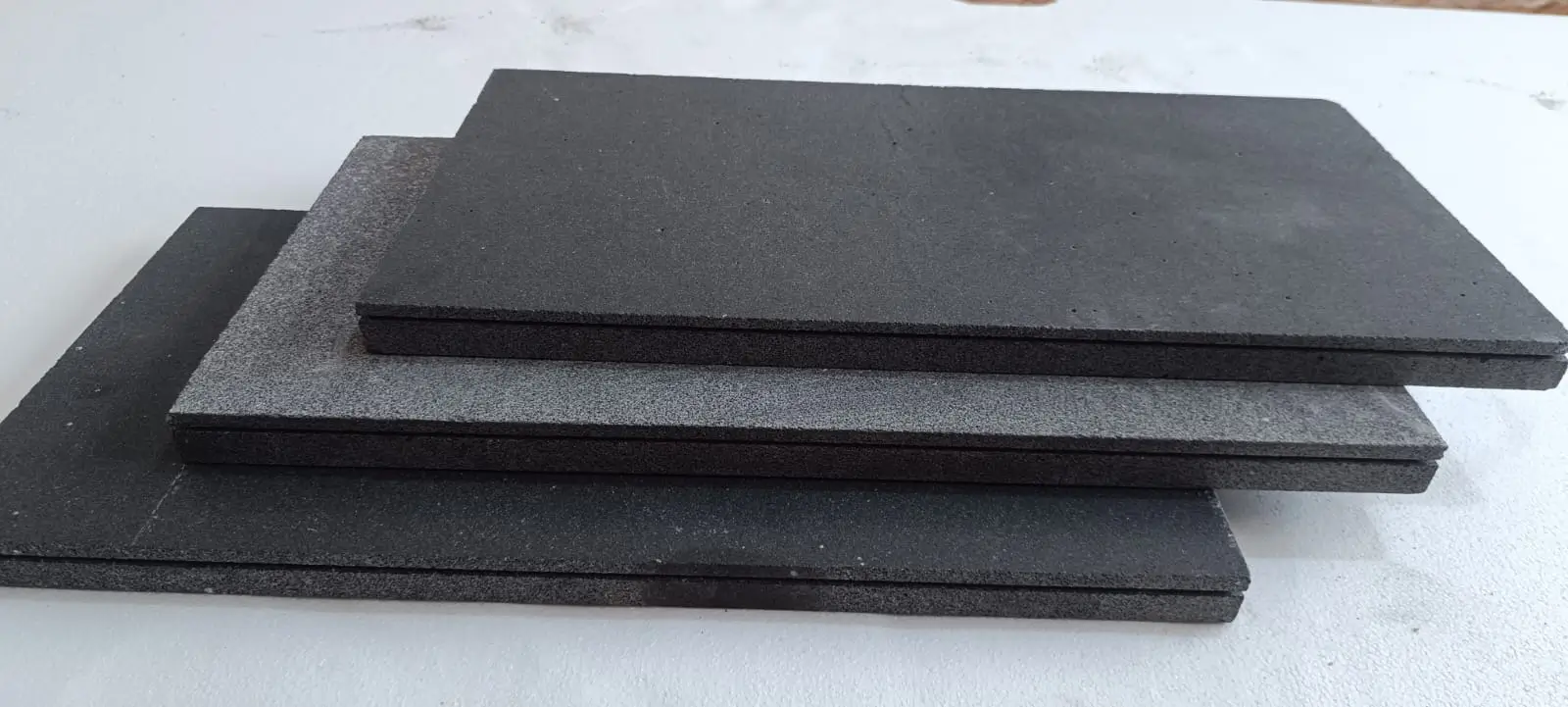
The finish you choose for large limestone slabs in Arizona fireplace applications does more than determine aesthetics — it determines how the surface responds to daily UV cycling and how well your sealer adheres over time. Here’s the honest breakdown of how each finish performs under Arizona sun conditions:
- Honed finishes create a matte surface that diffuses light uniformly, reducing the visual contrast of UV-bleached zones — color shift still occurs, but it reads as even patina rather than blotchy fading
- Brushed or antiqued surfaces have micro-texture relief that traps sealer in the valleys, improving UV-protective coverage compared to a flat honed face
- Polished finishes look stunning at installation but show UV-driven surface dulling within 18 to 24 months in full-exposure exterior settings — reserve polished for covered lanai fireplaces only
- Bush-hammered textures scatter UV impact across an uneven surface profile and are the most forgiving for fireplace surrounds that see direct afternoon exposure
- Sandblasted finishes open the pore structure significantly, which increases sealer consumption but also allows deeper penetration for superior long-term UV defense
For uncovered large stone slab fireplaces Arizona designers are specifying for full-sun applications, honed or brushed finishes remain the reliable professional standard. The polished finish conversation comes up constantly in design meetings, and the honest answer is that it works beautifully indoors or under deep shade structures, but it’s a maintenance burden in open-sky Arizona installations.
Sealing Schedules Under Arizona Sun: More Frequent Than You Think
Standard sealing guidance for limestone in temperate climates typically calls for reapplication every three to five years. Arizona’s UV load compresses that window considerably. Penetrating siloxane or fluoropolymer sealers degrade under sustained high-UV conditions in ways that aren’t always visible to the naked eye — the surface may look intact while the sealer’s water-repellency has already dropped below effective performance thresholds.
For a large limestone slab fireplace Phoenix project in an exposed orientation, plan your sealing schedule as follows:
- Initial application: two coats of UV-stable penetrating fluoropolymer sealer at installation, allowing full cure between coats
- First inspection: at 12 months post-installation, perform a water bead test across the full slab face — if beading has degraded by more than 40%, reseal immediately
- Standard resealing cycle: every 18 to 24 months for full-sun south and west exposures
- Extended cycle: every 24 to 36 months for north-facing or heavily shaded installations
- Post-fire-season treatment: after heavy winter use of the fireplace, inspect for thermal cycling stress before the UV-intense spring season begins
The critical mistake in outdoor heating areas is treating the fireplace surround and the hearth extension as a single sealing zone. The area directly above the firebox opening receives both heat and creosote particulate, which requires a different maintenance protocol than the outer hearth field. Address them separately in your maintenance specification.
Thermal Mass and UV Interaction at the Hearth Surface
Here’s what most specifiers miss when designing Arizona warmth zones with large stone: the combined effect of thermal cycling and UV exposure is more damaging than either factor alone. During an Arizona winter evening, your limestone hearth slab might absorb radiant heat from an active fire, reaching surface temperatures of 180–220°F, then cool rapidly after the fire dies. That thermal cycling stresses the sealer film at exactly the same time UV degradation has made it brittle.
Selecting a sealer with a published thermal tolerance above 300°F and a UV stabilizer additive isn’t a premium specification — it’s a minimum standard for this application. Several fluoropolymer products on the market meet both criteria, and your material supplier should be able to confirm compatibility with the specific limestone you’re using before the truck delivers your slabs to site.
The limestone’s own thermal expansion coefficient also matters here. Dense fine-grained limestone from formations with low iron content expands at approximately 4.4 to 5.1 × 10⁻⁶ per °F, which is manageable at the scale of a residential fireplace surround when you maintain proper expansion gaps at all vertical joints. Trying to tight-joint a large limestone slab fireplace Phoenix surround to achieve a seamless look is one of the most consistent field errors in Arizona warmth zones — the gaps look unnecessary in cool weather and become catastrophically necessary by July.
Slab Thickness and Structural Specification for Fire Features
A large limestone slab fireplace Phoenix project will typically involve two distinct structural zones that require different thickness specifications. The vertical surround panels carry primarily their own dead weight and resist radiant heat, while the horizontal hearth extension takes point loads from foot traffic and log storage.
- Vertical surround panels: 1.25 to 1.5 inches nominal thickness is standard, with support ledge or adhesive-set depending on panel height
- Horizontal hearth extension: 1.5 to 2 inches minimum for residential applications, 2 inches for any load-bearing or cantilevered design
- Mantel shelf: 2 to 3 inches depending on span — spans beyond 48 inches in limestone should include a steel support angle behind the face
- Firebox surround immediately flanking the opening: specify material with verified heat tolerance — dense limestone performs well, but verify the specific formation’s thermal shock resistance before specifying within 6 inches of the firebox
For large format applications where slab dimensions exceed 36 × 36 inches, verify warehouse inventory lead times before committing to a project schedule. Large-format slabs require specialized material handling and don’t always ship on standard pallets, which affects your truck delivery coordination and on-site staging logistics.
Color Stability and Long-Term Appearance Retention
Limestone color shift under UV exposure follows a predictable arc, and understanding it helps you set realistic expectations with your clients. Warm cream and buff limestones with higher iron content will show the most color movement — the iron oxidizes from pale gold toward amber in the first two to three years of UV exposure, then stabilizes. This can actually read as attractive warm patina if the client understands it in advance, but it’s a warranty conversation if they expect static color.
Cooler gray-white limestones with minimal iron content are the most UV-stable in terms of color retention. They’ll develop a slight surface bloom in the first season that polishes away with routine maintenance, after which they hold color remarkably well under Arizona sun. For large stone slab fireplaces Arizona designers are specifying for high-end contemporary projects where color precision matters, gray-white dense limestone is consistently the right call for exposed outdoor applications.
For projects where you’re specifying modular rectangular limestone pavers in Tucson to complement a fireplace design, maintaining consistent color selection across the hearth and surrounding patio surface matters — UV fading rates differ between horizontal and vertical stone faces, so select your palette knowing the patio field will age differently than the vertical surround panels.
Base Preparation and Drainage for Arizona Fire Feature Zones
Arizona’s monsoon season delivers high-intensity rainfall in short bursts, and a fireplace hearth extension that holds standing water accelerates both UV-sealer degradation and biological staining simultaneously. Your drainage specification for the hearth perimeter is as important as your sealing schedule.
Projects in Scottsdale often encounter expansive desert soils that require a minimum 4-inch compacted decomposed granite base below a 4-inch compacted aggregate layer before you ever set your limestone. Skipping either layer is a cost-saving decision that typically costs more to remediate within five years than the savings justified at bid time. The slope across the hearth extension should be a minimum 1/8 inch per foot away from the structure, with a positive drainage path that doesn’t route water beneath the firebox foundation.
Large limestone slabs in Arizona set on an inadequate base will telegraph settlement at the joints long before any surface cracking appears — the movement is subtle at first, but it breaks the sealer film at joint edges and creates a moisture infiltration path that UV heat then drives deeper into the stone body.
Mortar and Setting Bed Selection for Outdoor Fire Features
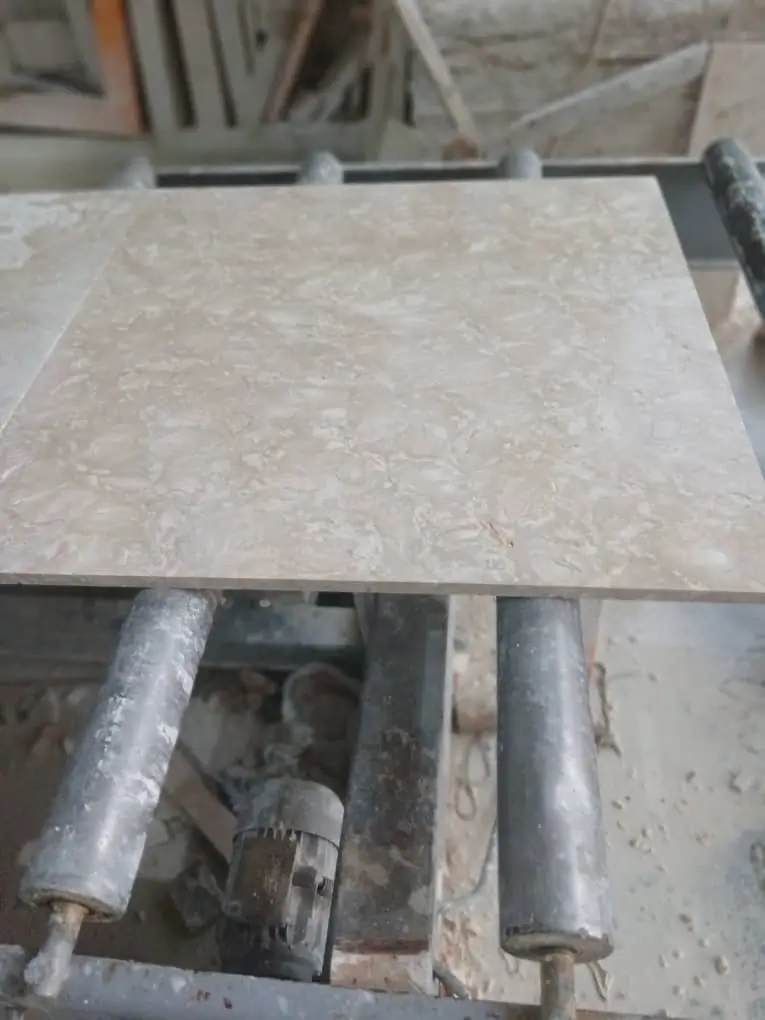
The setting bed choice for a large limestone slab fireplace Phoenix project affects long-term performance more than most installers acknowledge. Standard Type S mortar is acceptable for many exterior applications, but for limestone in close proximity to active fire features, a polymer-modified mortar with rated thermal tolerance reduces the risk of debonding at the setting plane when thermal cycling is a consistent daily occurrence during the use season.
- Polymer-modified thin-set: appropriate for panel dimensions up to 24 × 48 inches with proper back-butter coverage of 95% or more
- Full-bed mortar setting: preferred for horizontal hearth slabs where point load distribution across the full slab face matters
- Epoxy-based adhesives: suitable for vertical surround panels in interior or covered applications, but thermal movement in uncovered exterior installations can exceed epoxy flexibility tolerances
- Joint grouting: non-sanded grout for joints under 1/8 inch, sanded for larger joints — color-match to the stone body, not the sealer-wet appearance
At Citadel Stone, we recommend specifying the setting material at the same time as the stone selection — compatibility between the stone’s porosity profile and the mortar’s polymer system affects bond strength in ways that aren’t obvious until a panel delaminates two years post-installation. Our technical team can cross-reference setting system recommendations against the specific limestone formation you’re ordering.
Phoenix Fire Feature Hearths: Design Reference for Large Format Stone
The design language for Phoenix fire feature hearths has evolved significantly over the past decade, driven by the popularity of the desert contemporary aesthetic that values clean horizontal planes, monolithic material expressions, and indoor-outdoor continuity. Large format limestone slabs align naturally with this visual language — their scale reduces visible joint lines, their natural color variation reads as organic warmth against steel and concrete elements, and their thermal mass contributes to the sensory experience of the fire feature itself.
Design reference points worth building into your specification documents for this project type include:
- Minimum slab dimension for a true large-format reading: 24 × 48 inches — anything smaller reads as tile rather than slab
- Horizontal coursing direction reinforces the low desert contemporary aesthetic better than vertical orientation for surround panels
- Bookmatched slab pairs on flanking surround panels create a dramatic mirrored veining effect that justifies premium pricing to high-end residential clients
- Hearth extension depth of 20 to 24 inches provides adequate clearance for wood storage staging without dominating small patio footprints
- Maintaining consistent slab lot numbers across the full fireplace ensures color matching — mixing lots from separate warehouse pulls introduces subtle color variation that becomes more noticeable as UV exposure advances
In Tucson, the slightly higher elevation introduces cooler winter overnight temperatures that make outdoor fire features genuinely functional for more months of the year than Phoenix proper — which means those hearth surfaces accumulate more total thermal cycling annually, and your material specification should lean toward denser, lower-porosity limestone formations for this application in that market.
Parting Guidance for Large Limestone Slab Fireplace Projects
Getting the UV protection strategy right at the specification stage is the single decision that has the largest impact on a large limestone slab fireplace Phoenix installation’s long-term appearance. Everything downstream — finish selection, sealer formulation, maintenance scheduling — flows from that foundational understanding of how Arizona’s radiation environment interacts with natural calcite surfaces. Your clients will judge the installation not at the ribbon-cutting but at year five and year ten, and the stone that still looks intentional and refined at that point is the stone that was specified correctly from the start.
Coordinate your warehouse stock confirmation and truck delivery scheduling early in the project timeline for large-format slab work — oversize pieces require advance logistics planning that doesn’t compress well against contractor schedules. Confirming warehouse availability for your specific lot selection before finalizing the project bid protects both your timeline and your color-matching commitments. As you expand your Arizona stone project knowledge, the Large Limestone Paving Slab Pedestrian Walkway Design for Tucson Public Spaces resource explores how the same limestone material family performs across different outdoor applications in the state — useful context for multi-element property specifications where the fire feature is one component of a broader hardscape program. Citadel Stone’s large format limestone slabs for Arizona fire features are sourced, quality-checked, and delivered with the technical support your project needs to perform beautifully for decades.