
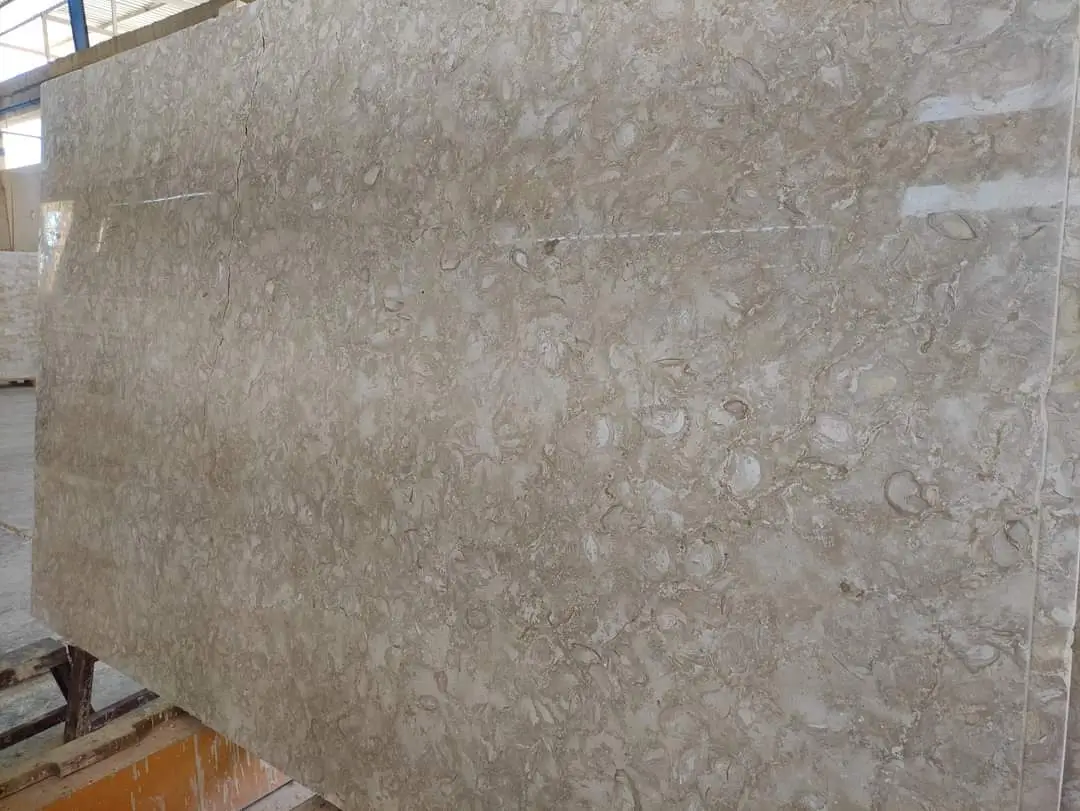
Ivory travertine patio design Arizona inspiration starts with understanding how this stone’s natural porosity and cream-to-buff palette interact with the desert’s intense UV load — and that interaction shapes every aesthetic decision you’ll make, from layout pattern to finish selection. Most homeowners and designers focus on color swatches, but the real differentiator in completed travertine patio projects across Arizona homes is how the material’s surface texture diffuses light without creating glare hotspots the way polished concrete or ceramic tile does. That thermal and visual softness is what makes ivory travertine feel intentional rather than just functional in an outdoor living space.
Why Ivory Travertine Works in Arizona Heat
The material’s reflectivity is one of the first things you notice on a Phoenix afternoon — ivory travertine pavers in Arizona reflect a significant portion of solar radiation back into the atmosphere rather than storing it as thermal mass the way dark concrete does. That’s not just a comfort advantage; it directly affects how long your furniture, planters, and adjacent landscaping materials hold up under sustained heat exposure. Surface temperature differences of 20–30°F between travertine and adjacent concrete under identical exposure conditions are consistently observed across Arizona installations.
Color coordination for ivory stone pavers in AZ comes naturally because the stone’s warm undertones — ranging from pale cream to light caramel — pull from the same palette as desert sand, stucco, and natural adobe. You’re not forcing a color match; you’re letting the material echo what’s already around it. That cohesion is why designers working on completed travertine patio projects across Arizona homes, from luxury estates to modest suburban patios, keep returning to this stone.
- Ivory travertine’s light tone keeps surface temperatures in a comfortable range even during peak summer months
- Natural vein patterns vary between quarry cuts, giving each patio a unique character without requiring custom fabrication
- The porous surface texture provides inherent slip resistance when left in tumbled or brushed finish, which matters on pool-adjacent patios
- Warm undertones in the stone complement desert stucco, wrought iron, and terracotta without color-matching effort
10 Design Ideas for Ivory Travertine Patios
Layout patterns for travertine outdoor living spaces define the visual weight of your patio more than almost any other single decision. Here are ten approaches that consistently produce high-end results across Arizona residential projects.
Large-Format Running Bond
Specifying 24×24-inch or 18×24-inch ivory travertine pavers in a straight running bond creates a clean, expansive feel that suits open-plan Arizona backyards. The elongated lines draw the eye outward, making mid-sized patios read as larger than their square footage. This layout pairs especially well with rectangular swimming pools and linear pergola structures common in Tempe and Peoria new-construction homes.
Versailles Pattern for Visual Depth
The Versailles pattern — combining 16×16, 16×24, 8×16, and 8×8 formats — gives you visual complexity without introducing multiple materials. For ranch-style homes that benefit from a traditional Mediterranean aesthetic, this layout creates a courtyard sensibility that reads as intentional and curated. You’ll need to work through the pattern math carefully before ordering; warehouse inventory should account for a minimum 10% overage on each size to handle cuts at borders.
Diagonal Grid for Narrow Spaces
Rotating a standard grid 45 degrees transforms a narrow side yard or covered patio into something that feels deliberate. The diagonal line pulls the eye toward the longest dimension of the space, which is exactly the effect you want in Arizona homes where covered patios are often 12–14 feet deep but span the full width of the rear elevation.
Random Ashlar for Organic Character
Random ashlar uses three or four complementary sizes arranged without a repeating module. Ivory travertine handles this pattern beautifully because subtle color variation between pieces — lighter cream tiles next to warmer buff tiles — reads as intentional rather than inconsistent. This approach is popular on larger estates where the patio transitions into natural desert landscaping, and it’s among the layout patterns for travertine outdoor living spaces that scale most gracefully to large lot sizes.
Herringbone for Covered Entertaining Areas
Herringbone works best in contained, covered spaces where the directional energy of the pattern doesn’t compete with an open horizon. Under a ramada or covered outdoor kitchen, a herringbone layout in 12×24-inch ivory travertine creates movement and texture that flat-running bond patterns can’t achieve. The pattern also helps define zones in open-plan outdoor living spaces without requiring physical dividers.
Borderless Seamless Field
Some of the most striking ivory travertine patio design Arizona inspiration comes from removing the border entirely — no soldier course, no accent strip, just continuous field tile running to the edge of the structure. This approach requires precise base preparation and consistent joint widths, but the result is a monolithic surface that reads as architectural rather than decorative. Plan truck delivery access carefully, since large-format tiles in this layout typically require more material than clients anticipate.
Mixed Finish Contrast
Combining tumbled and honed ivory travertine within the same patio creates subtle texture variation that photographs exceptionally well and adds tactile interest underfoot. Specify tumbled pavers for the primary field and honed or brushed tiles for accent borders or step treads. The tonal difference between finishes in the same stone family is slight enough to feel cohesive but distinct enough to add dimension.
Step and Coping Integration
Your patio design gains significant visual continuity when steps, raised planters, and pool coping use matching ivory travertine. The material’s natural cleft edges pair well with pool-edge nosing profiles, and 3-cm thickness on step treads handles the point-load demands of outdoor stair traffic without requiring additional structural support in most residential applications. In Tempe, where pool patios are nearly universal and summer temperatures regularly exceed 110°F, this integration approach is one of the most-requested design configurations in residential hardscape work.
Desert Planting Bed Insets
Cutting deliberate openings into a travertine field and surrounding them with a single soldier course creates structured planting beds that feel intentional rather than afterthought. Saguaro, agave, and ornamental grasses gain visual impact when framed by ivory travertine, and the stone’s neutral tone doesn’t compete with Arizona’s dramatic plant textures. This design approach also addresses drainage naturally, since the open beds reduce total impervious surface area.
Monochromatic Tone-on-Tone Palette
Pairing ivory travertine with cream-colored stucco walls, light-toned outdoor furniture, and bleached wood pergola elements creates a monochromatic palette that reads as sophisticated and climate-appropriate. Color coordination for ivory stone pavers works best when you treat the stone as the anchor tone and build outward, selecting surrounding materials that stay within two shades of the stone’s dominant hue. This is the palette you see in high-end Scottsdale and Paradise Valley residences, and it translates just as effectively to Chandler Tempe Gilbert residential travertine galleries and suburban lots throughout the valley.
Layout Pattern Selection by Patio Size
The scale of your patio should drive layout pattern selection more than personal preference alone. Small patios under 250 square feet benefit from simpler patterns — running bond or square grid — because complex Versailles or herringbone layouts feel busy at close range. For patios over 600 square feet, a more intricate pattern justifies the added cut labor and material complexity because the scale allows the geometry to breathe. Selecting layout patterns for travertine outdoor living spaces with scale in mind is one of the clearest separators between projects that feel designed and those that feel assembled.
- Under 250 sq ft: running bond or square grid in 18×18 or 16×24 formats
- 250–500 sq ft: diagonal grid or simple Versailles works well with 16×16 and 16×24 combinations
- 500–800 sq ft: random ashlar or full Versailles pattern handles the scale without feeling repetitive
- Over 800 sq ft: consider breaking the field into defined zones using coping or border details, each with its own pattern within a consistent material palette
For the layout patterns and material combinations that work best in Arizona’s climate conditions, the Citadel Stone Arizona paver design showcase offers detailed visual references across multiple project scales and architectural styles.
Color Coordination with Arizona Architecture
Ivory travertine’s neutral warmth makes it one of the most forgiving natural stones to color-coordinate in Arizona residential architecture. The majority of Arizona homes feature tan, beige, or terracotta-toned stucco exteriors, and ivory travertine reads as a natural extension of that palette rather than a contrasting element. That visual continuity is precisely why color coordination for ivory stone pavers in AZ has become a go-to specification for landscape architects working across Chandler, Tempe, and Gilbert residential travertine galleries.
Here’s what most specifiers miss: the grout joint color carries more visual weight than most people expect. A cream-toned unsanded grout in a 3/16-inch joint keeps the surface reading as monolithic. A darker charcoal or buff-brown grout in the same joint creates strong definition lines that change the character of the layout significantly. Grout selection should be a deliberate design decision, not an afterthought at the supply counter.
- Cream or warm white grout: creates a nearly seamless surface appearance, emphasizing stone texture over pattern geometry
- Tan or buff grout: subtly defines each piece while maintaining tonal harmony with the stone
- Charcoal or dark gray grout: creates strong geometric contrast — use only when the design intent is graphic and modern
- Avoid bright white grout with ivory travertine — the cool undertone creates a visual tension that undermines the stone’s warmth
Outdoor Living Space Zones and Travertine
Travertine outdoor living spaces in Arizona almost always involve multiple functional zones — dining, lounging, pool deck, and transition paths — and the material’s flexibility makes it the ideal through-line across all of them. Using the same ivory travertine across zones with slight pattern or finish changes creates cohesion without monotony. The dining zone might use a Versailles pattern with a honed finish for a formal feel, while the pool deck transitions to tumbled tile for better traction.
At Citadel Stone, we’ve seen the most successful multi-zone designs use 12×24 ivory travertine pavers in Arizona as the baseline module, with larger 24×24 formats reserved for the primary seating or dining area. The scale shift signals hierarchy — this is the destination space — without requiring a material change that could fragment the design. Citadel Stone maintains warehouse inventory across Arizona, which typically reduces lead times to one to two weeks compared to the longer import cycle most projects face when sourcing overseas. A second warehouse location in the West Valley further shortens delivery windows for projects in Peoria, Glendale, and Surprise.
Finish Selection for Arizona Conditions
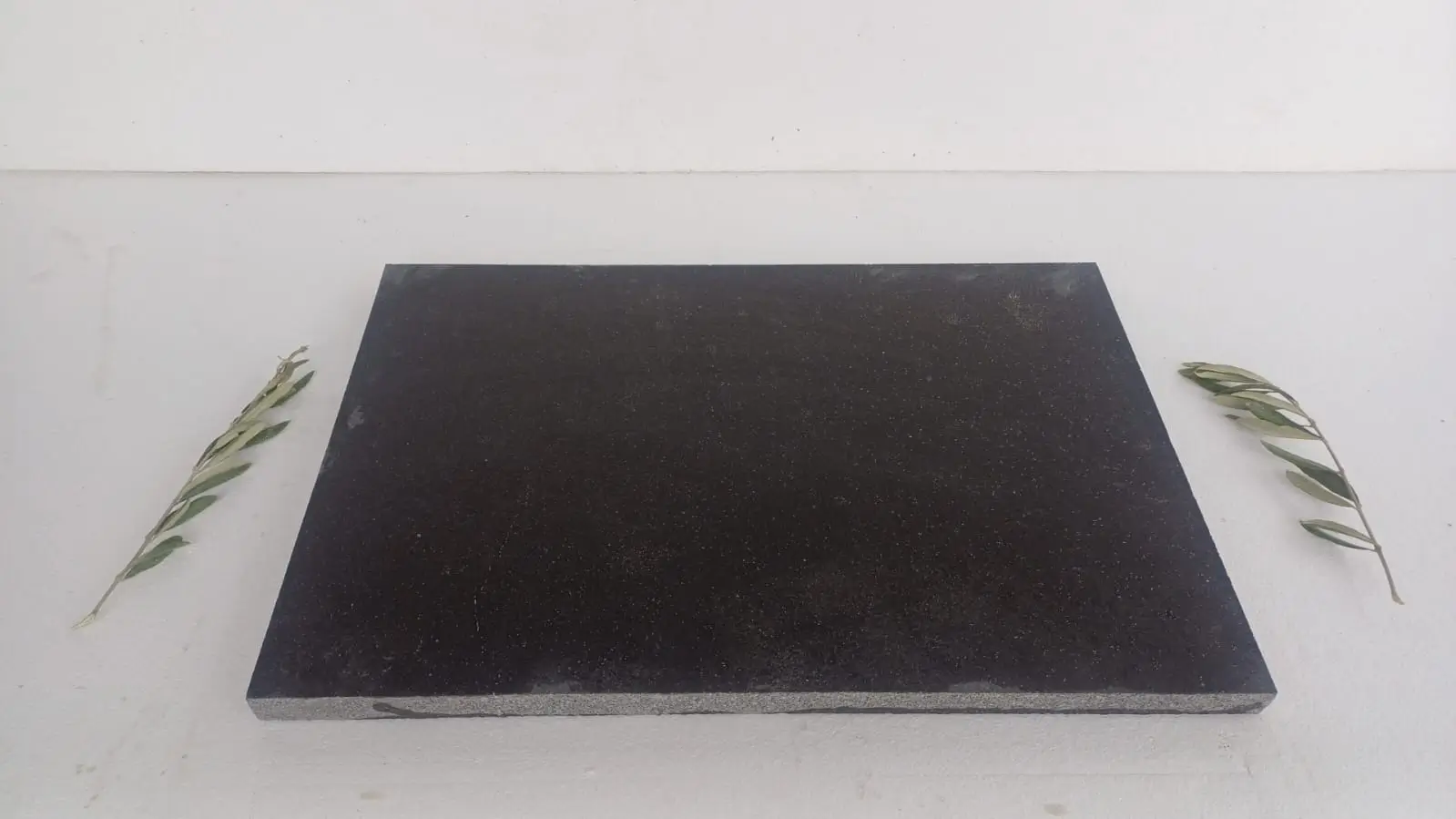
Finish selection shapes both the safety profile and the long-term maintenance burden of your patio, and Arizona’s conditions create a specific set of demands that not every finish handles equally well. Tumbled travertine is the most forgiving in high-use outdoor environments because the worn edges and pitted surface texture naturally resist showing wear patterns. Honed travertine gives you a cleaner, more contemporary look but requires more diligent sealing to prevent staining from sunscreen residue, food oils, and mineral deposits from irrigation water.
The interaction between Phoenix’s intense UV exposure and sealant chemistry is something worth understanding before you specify. Most penetrating sealers rated for outdoor use will require reapplication every two to three years under full Arizona sun exposure — annually if the patio faces south or southwest with no overhead shade structure. Budget that maintenance cycle into your client conversations early; it’s never a welcome surprise after installation.
- Tumbled finish: highest natural traction, lowest maintenance, best for pool surrounds and high-traffic zones
- Brushed or antiqued finish: good middle ground — refined appearance with reasonable slip resistance
- Honed finish: clean and contemporary, requires diligent sealing, best for covered or shaded areas
- Polished finish: avoid for exterior Arizona applications — reflective glare and rapid sealant degradation under UV make it impractical outdoors
Design Planning and Material Logistics
One of the most common breakdowns in completed travertine patio projects across Arizona homes happens at the ordering stage, not the installation stage. Natural stone like ivory travertine is quarried in batches, and color consistency within a batch is reliable — but consistency between batches sourced months apart can vary. The project timeline should account for receiving all material before installation begins, not ordering in phases.
Projects in Phoenix and the surrounding valley benefit from proximity to regional distribution points, which reduces the risk of damaged material sitting on a truck through multiple transfer points before it reaches your site. Verify that your supplier can confirm the lot numbers and batch origin of your material before committing to a delivery schedule, especially for larger projects where consistent tone is critical to the design intent. Our technical team at Citadel Stone performs visual batch checks before fulfilling orders, which catches tone inconsistencies before material reaches your site rather than after it’s already been set. A second truck route covering the East Valley means that Chandler, Gilbert, and Mesa projects typically receive same-week delivery from confirmed warehouse stock.
Spec Wrap-Up
Ivory travertine patio design Arizona inspiration succeeds when material selection, layout geometry, finish choice, and color coordination work as a unified system rather than separate decisions made in isolation. The ten design ideas covered here represent the approaches that consistently produce high-performing, visually cohesive results in Arizona’s demanding climate — from the monochromatic tone-on-tone palette to the practical herringbone layout for covered entertaining areas. The final design will be shaped by your site’s specific orientation, architectural style, and how you intend to use the outdoor space across different times of day and season.
If your patio project involves an adjacent pool or water feature, finish selection becomes an even more critical decision. For projects where the patio connects directly to a pool surround or splash deck, the choice between tumbled and honed stone affects both safety and long-term maintenance in ways that extend well beyond the dry-zone field. Tumbled vs Honed Travertine for Arizona Pools explores how each finish performs in wet-zone applications across Arizona climates, which is directly relevant to any multi-zone patio that includes pool coping or splash deck areas. Citadel Stone’s ivory travertine pavers in Arizona deliver consistent tone and texture that landscape designers in Scottsdale, Mesa, and Peoria rely on for cohesive, high-end patio installations.