
Getting the installation sequence right for installing grey block paving bricks Arizona is the single factor that separates a driveway that holds its geometry for two decades from one that shifts, settles, and cracks within the first three summers. Most projects that fail don’t fail because of bad material — they fail because the installer didn’t respect the thermal expansion dynamics that Arizona’s seasonal temperature swings impose on jointed pavement systems. The difference between a solid installation and an expensive redo comes down to base depth, timing, and joint tolerance — and all three of those variables respond directly to when you build, not just how you build.
Why Seasonal Timing Drives Installation Outcomes in Arizona
Arizona’s climate doesn’t just create heat — it creates a rhythmic cycle of thermal loading that your grey block paving bricks have to absorb and release every single day. The real installation challenge isn’t surviving peak summer; it’s that bedding mortars, polymeric joint sand, and setting materials behave completely differently depending on when in the year you’re placing them. A base you install in February in Chandler will cure under fundamentally different conditions than one placed in July, and your jointing tolerances need to reflect that difference from the start.
The core issue is thermal differential — grey block paving bricks installed during cooler months will expand when summer arrives, compressing joints tighter than your original spacing intended. Install in peak heat and the reverse happens: pavers contract in winter, opening joints wider and letting in debris that prevents proper seasonal movement. Getting the seasonal timing right means your installation starts in a thermal state that’s close to the middle of Arizona’s annual range, giving the system room to move in both directions without overstressing the bedding layer.
Optimal Installation Windows: Arizona’s Seasonal Calendar
The two best installation windows in Arizona are late February through April and mid-October through November. During these periods, daytime surface temperatures in the low desert typically range from 65°F to 90°F, which keeps setting materials within their workable performance envelopes and gives you a legitimate working day from start to finish. You’re not fighting flash-cured bedding material in the morning or watching polymeric sand bake before you can compact it.
- Late February through April: soil temperatures have stabilized above 55°F, adhesives and bedding mortars achieve proper open time, and you can work an 8-hour day without significant productivity loss
- Mid-October through November: surface temperatures drop out of the danger zone and allow full compaction runs across the entire slab before sunset
- December through January: viable but watch for subgrade moisture from winter rain events, which can destabilize freshly placed base aggregate
- May through early September: challenging for quality installation — see the section below on summer scheduling adjustments
For larger projects covering grey paving brick installation steps in Arizona, plan your sequencing so that any bedding or jointing work falls within the spring or fall windows. Base compaction work is less time-sensitive, so you can do site prep and excavation in summer and reserve the precision placement work for cooler conditions.
Morning vs. Afternoon Work: How to Structure Your Day
Scheduling your work hours matters as much as scheduling your project month. In Arizona’s low desert, surface temperatures on compacted aggregate can reach 130°F to 140°F by early afternoon in summer, and even in spring, you’re looking at 100°F+ substrate surfaces by 1 PM. Those substrate temperatures affect how your setting bed behaves — mortar and polymeric adhesives lose workability faster on hot substrates than air temperature alone would suggest.
The professional approach is to place your grey block paving bricks during the first four hours after sunrise. During that window, substrate temperatures are typically 20°F to 35°F cooler than their afternoon peak, setting materials maintain proper open time, and your compaction runs achieve better seating. Schedule all cutting, layout marking, and material staging in the afternoon once the precision placement is done. That sequencing discipline alone will improve your joint consistency across the entire layout.
- Optimal placement hours: 6 AM to 11 AM (March through October)
- Jointing sand installation: complete before noon to allow for afternoon moisture activation
- Compaction runs: finish before surface temperature exceeds 105°F for consistent bedding depth
- Avoid placing setting material on substrate surfaces that have been in direct sun for more than two hours
Base Preparation for Arizona’s Desert Subgrade
Block paving base preparation AZ desert climate requirements differ significantly from what standard residential paving specs assume. Arizona’s native soils — ranging from sandy loam in the valley floors to expansive clay in transition zones — don’t behave like the cohesive soils that standard 4-inch base depth tables were written for. Treat Arizona subgrade as a variable, not a constant.
The minimum compacted aggregate base for pedestrian grey block paving applications in Arizona is 6 inches of crushed aggregate over properly compacted native soil. For driveway and vehicular applications, that number jumps to 8 to 10 inches. Projects in Peoria and the northwest valley often encounter caliche layers at 18 to 30 inches below grade — when that’s present and intact, you can reduce aggregate depth by 2 inches because the caliche acts as a natural rigid sub-base. Verify it’s unbroken, though; a fractured caliche layer is actually worse than native soil because it creates differential support zones.
- Excavate to a minimum of 10 inches below finished surface elevation for vehicular applications
- Proof-roll the native subgrade before placing any aggregate — soft spots need to be excavated and replaced with compacted fill
- Use 3/4-inch minus crushed rock for base layers — avoid rounded river rock, which won’t interlock under compaction
- Compact in 3-inch lifts at 95% modified Proctor density — don’t try to compact a 6-inch lift in one pass
- Place a 1-inch screeded bedding layer of coarse concrete sand as the final setting surface
For projects where you’re ordering grey block paving bricks in Arizona, confirm warehouse stock levels before finalizing your project schedule. At Citadel Stone, we maintain Arizona warehouse inventory that typically allows delivery within 1 to 2 weeks, which lets you align material arrival with your optimal seasonal installation window rather than working around truck delivery delays.
Thermal Expansion and Joint Spacing Requirements
Here’s the detail that most residential installations get wrong: printed joint spacing recommendations from manufacturer guides are written for moderate climates. Arizona’s thermal swing — from a January low of 35°F to an August surface temperature pushing 150°F on dark paving — creates expansion forces that standard 1/8-inch joints can’t accommodate. Spec your joints at 3/16 inch minimum for grey block paving applications in Arizona’s low desert zones, and that number applies to the laid joint width, not the gap between nominal block dimensions.
Expansion control joints should be placed every 12 to 15 linear feet in both directions — not the 20-foot spacing you’ll see in some generic guidelines. The reason for the tighter spacing is that Arizona’s diurnal temperature swings are extreme compared to most of the country, meaning the pavement cycles through significant expansion and contraction every 24 hours, not just seasonally. Cumulative stress from that daily cycling is what causes edge lift and interior buckling within 3 to 5 years when expansion relief is undersized. Following a thorough Arizona-rated grey brick paver installation guide means accounting for this diurnal cycling at the design stage, not as an afterthought.
Laying Grey Paving Bricks: Pattern Selection and Structural Considerations
Pattern selection for laying grey paving bricks across Arizona projects isn’t just aesthetic — it directly affects how your installation distributes thermal load and handles minor subgrade movement. Herringbone patterns at 45 or 90 degrees provide the best interlock for vehicular applications because the opposing diagonal forces resist horizontal displacement even when bedding sand shifts slightly. Running bond patterns are easier to install but offer less structural interlock, making them appropriate for pedestrian areas but not driveways.
For residential driveways and hardscape areas, the 45-degree herringbone is the industry standard recommendation for a reason. The interlocking geometry means individual pavers can’t migrate in the direction of traffic loading — the whole field acts as a composite unit rather than a collection of individual pieces. That structural behavior becomes especially important in Arizona where subgrade moisture fluctuation from monsoon season irrigation can create minor differential settlement beneath the base layer.
- 45-degree herringbone: best for driveways, highest structural interlock, requires more cutting at perimeter
- 90-degree herringbone: similar structural performance, slightly less cutting waste, visual symmetry along rectangular layouts
- Running bond: appropriate for walkways and patios, faster to install, lower interlock under load
- Basketweave: decorative applications only — low structural interlock, not recommended for traffic areas
Jointing Sand and Sealing Under Arizona Conditions
Polymeric jointing sand performs very differently in Arizona than it does in the climate zones where most product testing occurs. The activation process — where water causes the polymer binders to lock — requires moisture to remain in the joint long enough for curing. In Arizona summer conditions, that moisture evaporates from exposed joint surfaces in minutes, leaving you with insufficiently cured sand that’s essentially just loose fill. The Arizona-rated grey brick paver installation approach uses a light misting protocol rather than a single saturation pass, and activation work should be planned for early morning during the spring and fall windows.
Projects near Tempe can be scheduled during the November to March window where daytime humidity is occasionally higher, which actually improves polymeric sand curing consistency. Working in drier months means wetting the entire paver field lightly before spreading joint sand — it slows the substrate’s moisture draw from the joint and gives the polymer binders more time to activate. Seal the pavers 30 to 45 days after installation to allow for any residual settling, and use a penetrating sealer rather than a film-forming product, which can trap moisture beneath the surface and cause joint sand displacement during the first monsoon season.
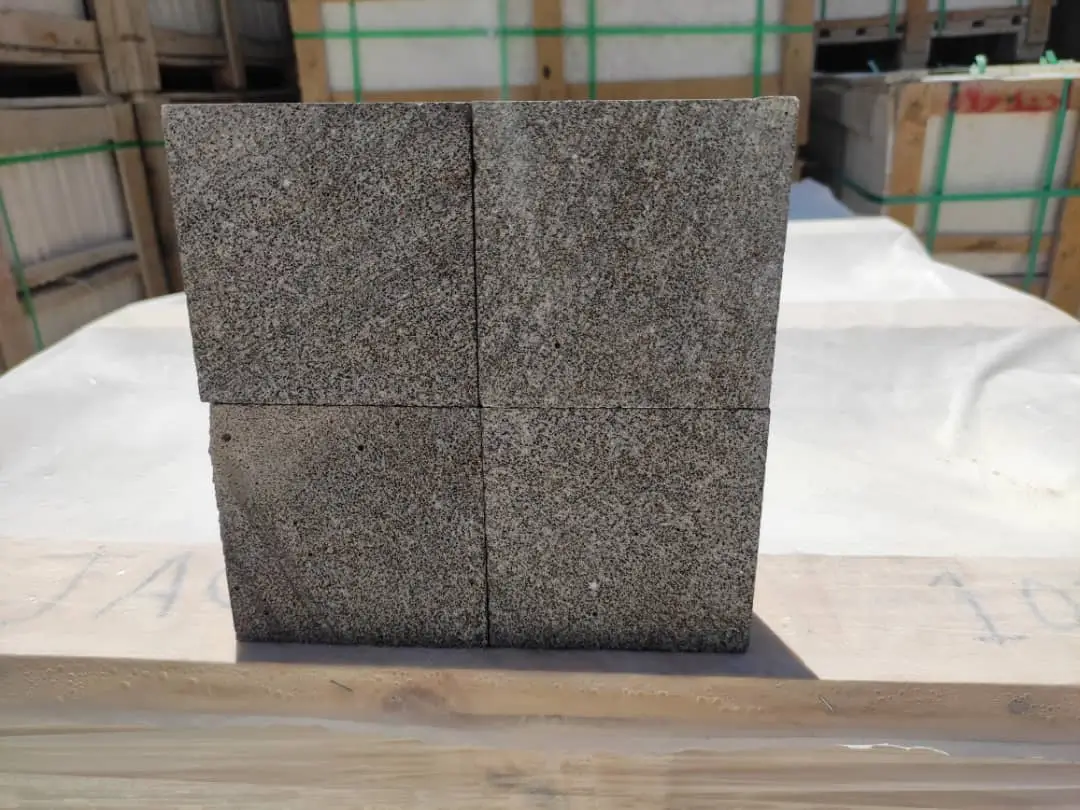
For a comprehensive selection of Arizona grey block bricks from Citadel Stone, you’ll find material specifications that include surface absorption rates and recommended sealer compatibility — details that matter when you’re specifying for the desert’s combination of UV intensity and seasonal moisture variation.
Monsoon Season Scheduling Implications
Arizona’s monsoon season — typically running from mid-June through September — creates a specific scheduling challenge for grey block paving installations that most project timelines don’t account for properly. The combination of high temperatures, sudden intense rainfall, and rapid drying creates conditions where freshly installed base material can be washed or displaced before it achieves adequate compaction density. Monsoon events in the Phoenix metro area can deliver 1 to 3 inches of rain in under an hour, which will saturate a freshly screeded sand bedding layer and undo your compaction work.
The practical scheduling rule is to avoid placing bedding sand and pavers during the monsoon window unless you have confirmed weather coverage. Track the National Weather Service’s monsoon outlook for your work area and build a 72-hour weather buffer into any placement schedule from June through September. If an unexpected event occurs, allow the bedding layer to drain and dry for a minimum of 48 hours before proceeding — attempting to place pavers over saturated sand produces bedding depth inconsistency that shows up as rocking units within the first season.
- Monitor weather windows 72 hours ahead for any placement work during June through September
- Install edge restraints before any bedding layer is placed — they prevent base washing from sheet flow events
- Design drainage slopes at a minimum 2% grade to direct monsoon runoff away from the installation
- If base material gets saturated before placement is complete, re-compact and re-screed before continuing
Completing Your Grey Block Paving Installation in Arizona
Installing grey block paving bricks in Arizona rewards the installer who respects the calendar as much as the spec sheet. The material is genuinely capable of multi-decade performance in desert conditions — but that performance depends on placing it during a seasonal window that lets every layer from subgrade to joint sand perform as designed. Your spring and fall installation windows are the professional’s choice, your morning work schedule is the field-level execution strategy, and your joint spacing and expansion relief decisions lock in the long-term structural outcome. Get those three things aligned, and Arizona’s climate becomes a manageable variable rather than an adversary.
As you move forward with hardscape planning, it’s worth noting that complementary stone applications around your property can work alongside your paving project. How to Install Grey Patio Slabs in Arizona covers related installation detail for adjacent outdoor living surfaces — particularly useful when your grey block paving bricks transition into patio areas that share the same base preparation and drainage requirements. Homeowners in Scottsdale, Tempe, and Peoria rely on grey block paving bricks from Citadel Stone, sourced from quarries across the Mediterranean and Middle East, for base-stable installations across Arizona’s shifting desert subgrade.