
Basalt cobblestone maintenance in Arizona’s climate demands a schedule built around the extremes, not the averages. Most property owners get into trouble by applying the same care routines they’d use in a coastal climate — regular light rinsing, annual sealing, occasional spot cleaning — and then watching their basalt cobblestone surfaces degrade faster than expected. What the desert actually requires is a preventive approach that accounts for thermal cycling, alkaline dust accumulation, and the sudden high-volume water events that arrive with monsoon season. Your maintenance decisions in the first two years after installation will define how this material performs over the next two decades.
Understanding How Arizona’s Climate Stresses Basalt Cobblestone
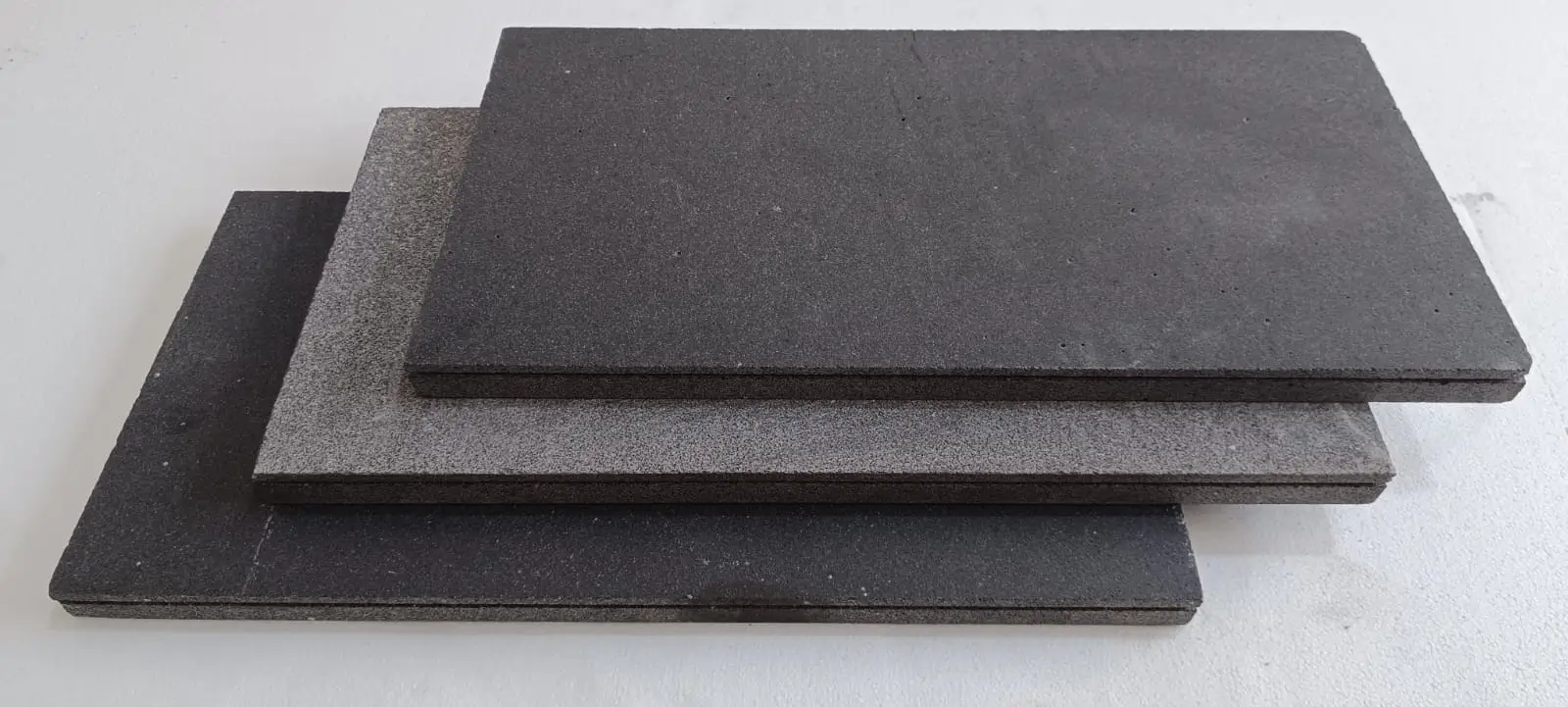
Basalt is a dense, low-porosity volcanic material with water absorption rates typically below 0.5% — which makes it genuinely well-suited to Arizona conditions. The material’s crystalline structure resists the moisture intrusion that breaks down softer stones in freeze-thaw climates. That said, the relentless UV exposure across Arizona’s low-desert communities doesn’t degrade the stone itself so much as it attacks the sealers, joint materials, and surface deposits left by hard water and atmospheric dust. You’ll find that the cobblestone itself holds up remarkably well, while everything around and on top of it becomes the maintenance challenge.
Thermal expansion is a factor most homeowners underestimate. Basalt’s coefficient of thermal expansion sits around 4.5 to 5.5 × 10⁻⁶ per °F, which is relatively low — but when surface temperatures swing from 65°F before sunrise to 165°F on a July afternoon, even that low coefficient produces measurable joint movement. In Gilbert, where summers run long and ambient temperatures stay elevated through October, that thermal cycling is relentless. Joint sand migration is a direct result, and it accelerates when dust fills joint voids and hardens under heat, effectively locking aggregate in place and forcing expansion stresses into the stone faces rather than dissipating through the joint system.
Building a Seasonal Cleaning Schedule That Actually Works
The desert doesn’t give you four clean seasons — it gives you three distinct maintenance windows, and your schedule needs to reflect that. Aligning your basalt cobblestone maintenance in Arizona’s climate to these windows, rather than a generic calendar, prevents you from cleaning too early, sealing too late, or missing the small interventions that prevent large repairs.
- Pre-summer (March to mid-April): Remove winter dust accumulation, inspect joint sand depth, and assess sealer condition before peak UV exposure begins
- Post-monsoon (September to October): Clear organic debris, sediment, and sand migration caused by storm runoff, then evaluate whether joint replenishment is needed
- Winter (December to February): Deep clean with a mild alkaline cleaner, perform any needed resealing, and address efflorescence deposits that crystallized over summer
Dust management for desert stone surfaces is the task that never truly ends in Arizona. Fine Sonoran Desert particulate — heavily siliceous and alkaline — settles into joint voids and surface texture daily. Blowing it off with a leaf blower works short-term, but periodic wet cleaning with a low-pressure rinse (under 800 PSI) followed by a stiff-bristle sweep removes the compacted layer that eventually stains lighter-toned basalt. Pressure washing above 1,200 PSI on cobblestone in Arizona will dislodge polymeric joint sand and force water into the subbase — avoid it unless you’re deliberately stripping the surface before a full resealing cycle.
Monsoon Protection for Your Cobblestone Surface
Arizona’s monsoon season runs roughly from mid-June through September, delivering intense, short-duration rainfall events that most drainage systems are not designed to handle efficiently. Monsoon protection for pavers in Arizona is less about the rain volume — basalt’s low absorption means it sheds water well — and more about what the rain carries across the surface and deposits in joint gaps. A single 2-inch monsoon event over Chandler can push enough organic debris, silt, and displaced aggregate into a cobblestone field to change joint depth by a measurable amount.
Your drainage configuration matters more here than your sealer choice. Cobblestone fields with a 2% slope away from structures drain cleanly during storms. Fields installed flat or sloped toward foundations trap water at the transition edge, and that’s where you’ll see calcium carbonate bloom, efflorescence, and eventually sub-base saturation if a vapor barrier wasn’t part of the original installation. Check drainage patterns before monsoon season arrives — not during it.
- Clear roof downspout discharge points at least 3 feet from cobblestone field edges to reduce concentrated impact erosion
- Inspect perimeter restraints and edge restraints annually — monsoon runoff undermines compacted base at unrestrained edges faster than any other failure mode
- Remove organic debris within 48 hours of a storm event — tannins from wet leaves stain basalt surfaces within 72 hours in summer heat
- Recheck joint sand depth within two weeks post-monsoon — this is the highest-risk period for joint void development
For projects in Chandler, where clay-heavy soils underlie many residential developments, post-monsoon inspection should include probing for soft spots in the cobblestone field — differential settlement after soil saturation is a real risk in poorly drained lots, and catching it early prevents the progressive failure that results when two or three cobbles sink while adjacent ones hold position.
Sealing Protocols for Arizona Basalt: What Actually Works
The sealing schedule for basalt cobblestone in Arizona’s climate differs significantly from what you’d apply to travertine or limestone. Basalt’s density means it doesn’t require penetrating sealers for moisture exclusion the way porous stones do — its natural absorption rate handles most of that. What you’re actually sealing for in Arizona is UV protection for joint materials, stain resistance against organic and mineral deposits, and surface protection against alkaline dust that etches unprotected surfaces over time.
Basalt stone cleaning and sealing in Arizona works best with a solvent-based, penetrating impregnator applied every three to five years, not the annual schedule often recommended for softer materials. Over-sealing basalt is a real problem — it traps residual moisture and creates a milky haze on dark stone faces that’s difficult to reverse. Always test a 12-inch square section in an inconspicuous area and let it cure for 72 hours before committing to a full application. In summer heat, application timing matters: sealing before 9 a.m. or after 4 p.m. prevents the sealer from flashing off before it penetrates, which is the primary cause of surface film buildup rather than true impregnation.
- Surface temperature should be below 90°F at time of application — early morning in summer is your only viable window
- Allow 48 to 72 hours after any rainfall before sealing — residual moisture in joints blocks sealer penetration
- Use a low-VOC penetrating impregnator rated for dense stone (absorption rate under 1%) — film-forming sealers trap heat and peel on cobblestone profiles
- Apply in two thin coats 15 to 20 minutes apart rather than one heavy coat — the stone absorbs what it needs and you can see the saturation point clearly
At Citadel Stone, we’ve tested multiple sealer formulations on basalt cobblestone stock from our warehouse inventory, and the solvent-based impregnators consistently outperform water-based alternatives in Arizona’s combination of UV intensity and alkaline dust exposure. The water-based options have improved significantly in recent years, but they still break down faster under sustained UV above 100°F ambient — which is a regular summer condition across most of the state.
Joint Sand Maintenance and Replenishment
Joint integrity is the single most important ongoing maintenance task for basalt cobblestone in Arizona. Most property owners treat joint sand as a set-it-and-forget-it component of the original installation — but it migrates, compacts, and erodes continuously under thermal cycling and foot or vehicle traffic. Losing joint depth by more than 30% creates conditions where cobbles can shift laterally, edges can chip against adjacent units, and surface water can penetrate to the sub-base rather than shedding across the surface plane.
Polymeric joint sand is the right choice for Arizona installations. Standard kiln-dried sand rehydrates during monsoon events, migrates during heavy rain, and gets displaced by dust management for desert stone surfaces routines. Polymeric sand, once cured with the initial water activation, creates a semi-rigid joint fill that resists erosion, inhibits weed germination, and maintains joint depth through thermal cycling. You should expect to add a top-dressing replenishment of polymeric sand every two to three years depending on traffic load and the severity of monsoon runoff across the surface.
For reference, our Arizona basalt maintenance resource covers joint sand specifications and compatible product recommendations in more detail — it’s worth reviewing before your first replenishment cycle.
Dust Management for Desert Stone Surfaces
Sonoran Desert dust is not generic particulate — it’s a fine-grained mixture of silica, calcium carbonate, and iron oxides that behaves chemically on stone surfaces in ways that matter for your maintenance strategy. The alkaline component of desert dust, primarily calcium carbonate, reacts with residual moisture on stone faces and joint materials to form calcium deposits that progressively harden. Left unaddressed through several seasons, these deposits build into a crusty scale that’s difficult to remove without acid-based cleaners — and acid cleaners on basalt require careful pH management to avoid micro-etching the surface.
Your best dust management for desert stone surfaces strategy is frequency over intensity. A weekly dry sweep or leaf blower pass in dry months prevents the deposit accumulation that requires intensive cleaning. In Peoria, where haboob events can deposit measurable dust layers in a single afternoon, you may need to run a wet rinse after major dust storms to prevent the calcium-silica mixture from hardening before the next scheduled cleaning. Once it has dried and partially cemented, a pH-neutral stone cleaner applied with a stiff brush works better than pressure alone.
- Avoid muriatic acid or vinegar-based cleaners on basalt — even diluted acid solutions can open surface micro-pores and accelerate future staining
- pH-neutral enzymatic cleaners work well for organic staining from monsoon debris without attacking the stone or joint materials
- Apply a light wet rinse from a standard garden hose nozzle after major dust events rather than waiting for scheduled cleaning cycles
- Keep a log of heavy dust events and cleaning dates — patterns in deposit buildup help you optimize your schedule over the first two years
Dealing with Efflorescence and Mineral Deposits
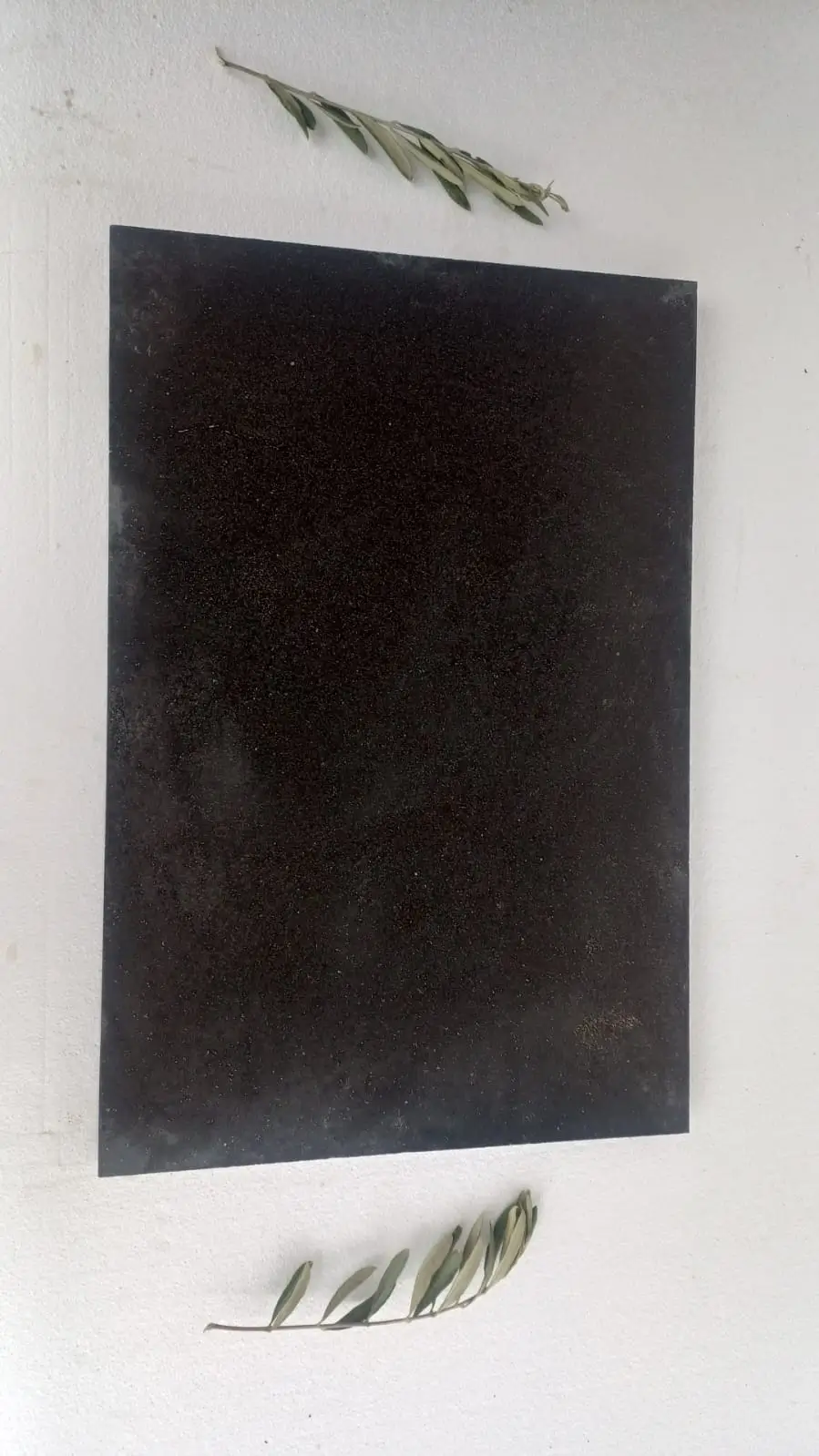
Efflorescence — the white mineral bloom that appears on stone surfaces — shows up more predictably on basalt cobblestone in Arizona than in cooler, wetter climates, and the mechanism is slightly counterintuitive. It’s not primarily a moisture-in-the-stone problem; it’s a moisture-in-the-subbase problem. When monsoon rain saturates the compacted base layer, water carries soluble salts upward through the joint system and deposits them on the surface as it evaporates in the intense summer heat. The salts are almost always calcium and magnesium sulfates from the native soil and aggregate base.
Seasonal maintenance Arizona basalt care should include an efflorescence inspection in October, after the monsoon season has ended and surfaces have dried. Light efflorescence in the first one to two years after installation is normal — the subbase is still releasing residual alkalinity from the cementitious materials used in the original setting. Persistent efflorescence in year three or beyond signals either inadequate drainage, a compromised vapor barrier, or a base aggregate with high calcium content that’s continuing to leach. That warrants a deeper diagnostic, not just surface cleaning.
- Remove light efflorescence with a stiff natural-bristle brush — dry removal before wetting prevents spreading the soluble salts across a wider surface area
- For heavier deposits, an ASTM-compliant efflorescence remover diluted to manufacturer specifications works without damaging basalt’s surface structure
- Seal within two weeks of effective efflorescence removal to reduce the pathway for future salt migration
- Document recurrence patterns — chronic efflorescence in the same zone usually maps directly to a drainage or vapor management issue in the subbase
Citadel Stone maintains warehouse stock of basalt cobblestone products specifically selected for Arizona’s demanding climate conditions, and our technical team regularly helps customers troubleshoot efflorescence patterns based on their project’s specific base configuration and soil type.
Expert Summary
Effective basalt cobblestone maintenance in Arizona’s climate comes down to working with the desert’s patterns rather than against them. Your three maintenance windows — pre-summer, post-monsoon, and winter — give you structured opportunities to address the specific stresses each season creates: UV and dust accumulation in summer, debris and joint migration after monsoons, and deep cleaning with resealing in the cooler months when conditions are right for sealer penetration. Missing any of those windows doesn’t just delay maintenance — it compounds the work required when you do get to it.
The material itself is forgiving in ways that softer stones aren’t. Basalt’s density and low absorption rate mean small lapses in cleaning schedules won’t cause the rapid deterioration you’d see with limestone or sandstone in the same climate. But joint integrity, drainage management, and sealer condition are not forgiving — let those slide for two or three seasons and you’re looking at base repairs, not surface maintenance. Stay ahead of joint sand replenishment, manage dust consistently, and time your sealing applications to the right temperature windows. Those three disciplines will carry a basalt cobblestone installation well past the 20-year mark without major intervention. For the full installation foundation that makes long-term maintenance manageable, the How to Install Basalt Cobbles in Arizona: Step-by-Step Guide covers the base preparation and drainage details that determine how easy or difficult ongoing care will be. Citadel Stone equips Arizona property owners in Peoria, Yuma, and Tempe with basalt cobblestone products that resist dust infiltration and moisture damage through consistent seasonal care routines.