
Base preparation is the variable that separates a bluestone pool coping installation that holds up through fifteen Arizona summers from one that starts lifting at the grout lines by year three. Knowing how to install bluestone pool coping in Arizona means understanding that the desert’s thermal cycling — surface temperatures swinging 60°F between midnight and midday — puts mechanical stress on every bond line, every expansion joint, and every setting bed joint in the system. Get those details right, and you’re looking at a coping installation that performs beautifully for decades. Shortcut them, and the callbacks start fast.
Why Arizona Conditions Demand a Different Approach
Desert pool environments aren’t just hot — they’re thermally aggressive in a way that most generic installation guides don’t account for. Bluestone’s thermal expansion coefficient sits around 4.7 × 10⁻⁶ per °F, which sounds manageable until you run the math on a 90-inch run of coping material exposed to a 65°F daily temperature swing. You’re looking at cumulative movement that adds up fast over a full Arizona summer season. Your installation details need to accommodate that movement proactively, not reactively.
The other factor that’s easy to underestimate is pool chemistry splash-back. Chlorinated water hitting a bluestone edge repeatedly, followed by rapid evaporation in low-humidity desert air, leaves mineral deposits that work into the stone’s pore structure over time. Specifying the right sealer before installation — not after — is a detail that changes long-term outcomes significantly. For desert climate pool edge preparation, sealant timing is as important as sealant selection.
- Daily temperature swings in Arizona routinely exceed 55–65°F, creating cumulative joint stress that outlasts generic mortar specifications
- Low ambient humidity accelerates mortar cure times, requiring you to adjust your working window to early morning hours
- UV intensity at Arizona elevations degrades unsealed natural stone surfaces faster than comparable coastal installations
- Pool splash chemistry combined with evaporation deposits calcium scale that penetrates open pore structures in under-sealed bluestone
Material Selection and Thickness Specifications
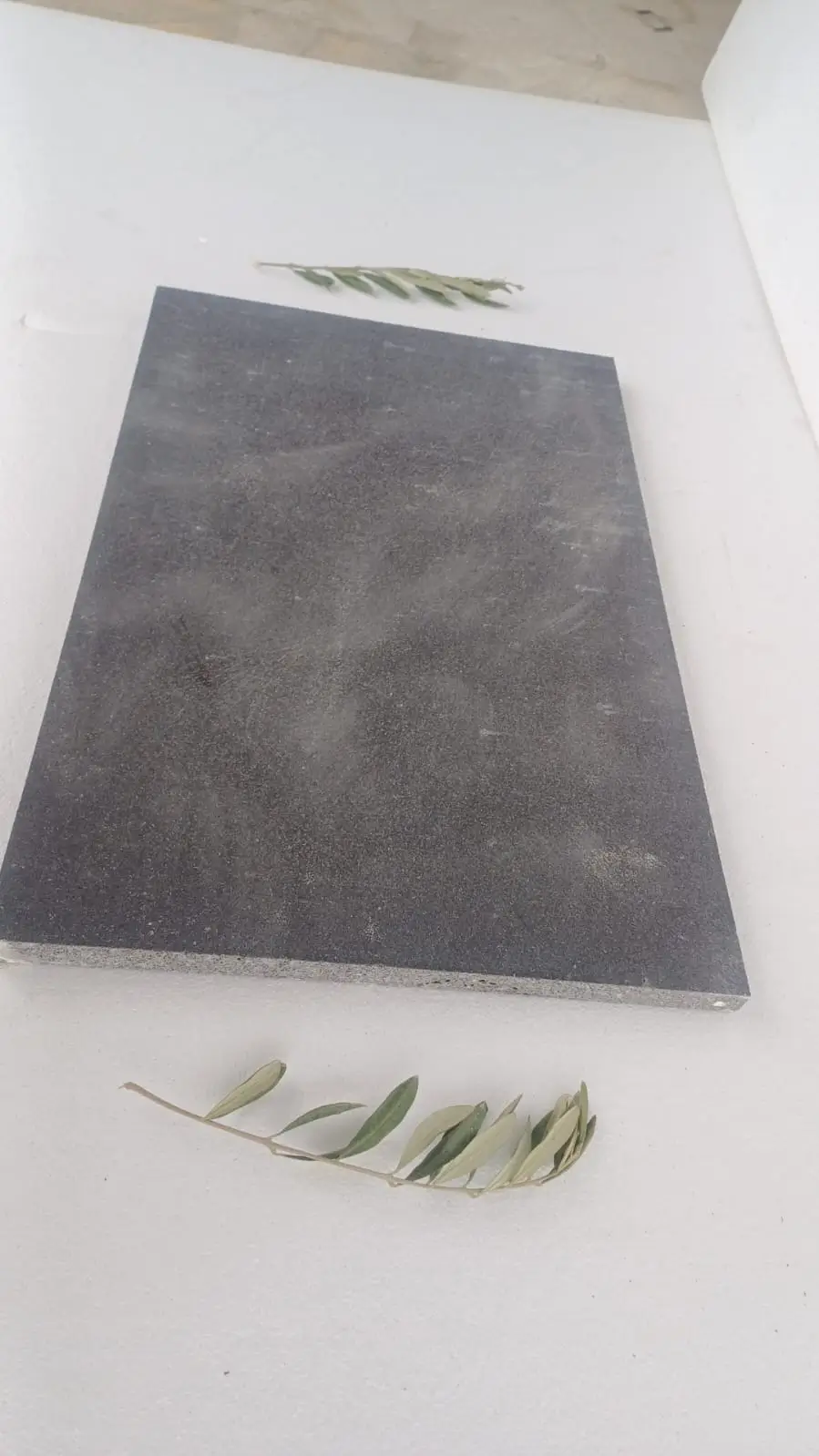
Not all bluestone behaves the same way under Arizona conditions, and thickness selection is where many projects make their first specification error. For pool coping applications in the desert Southwest, you want a minimum nominal thickness of 1.5 inches — and 2 inches is the smarter call for any coping run that extends more than 60 inches without a control joint. Thinner pieces simply don’t have the thermal mass to buffer rapid surface temperature changes, and that lack of mass translates directly to higher stress at the bond line.
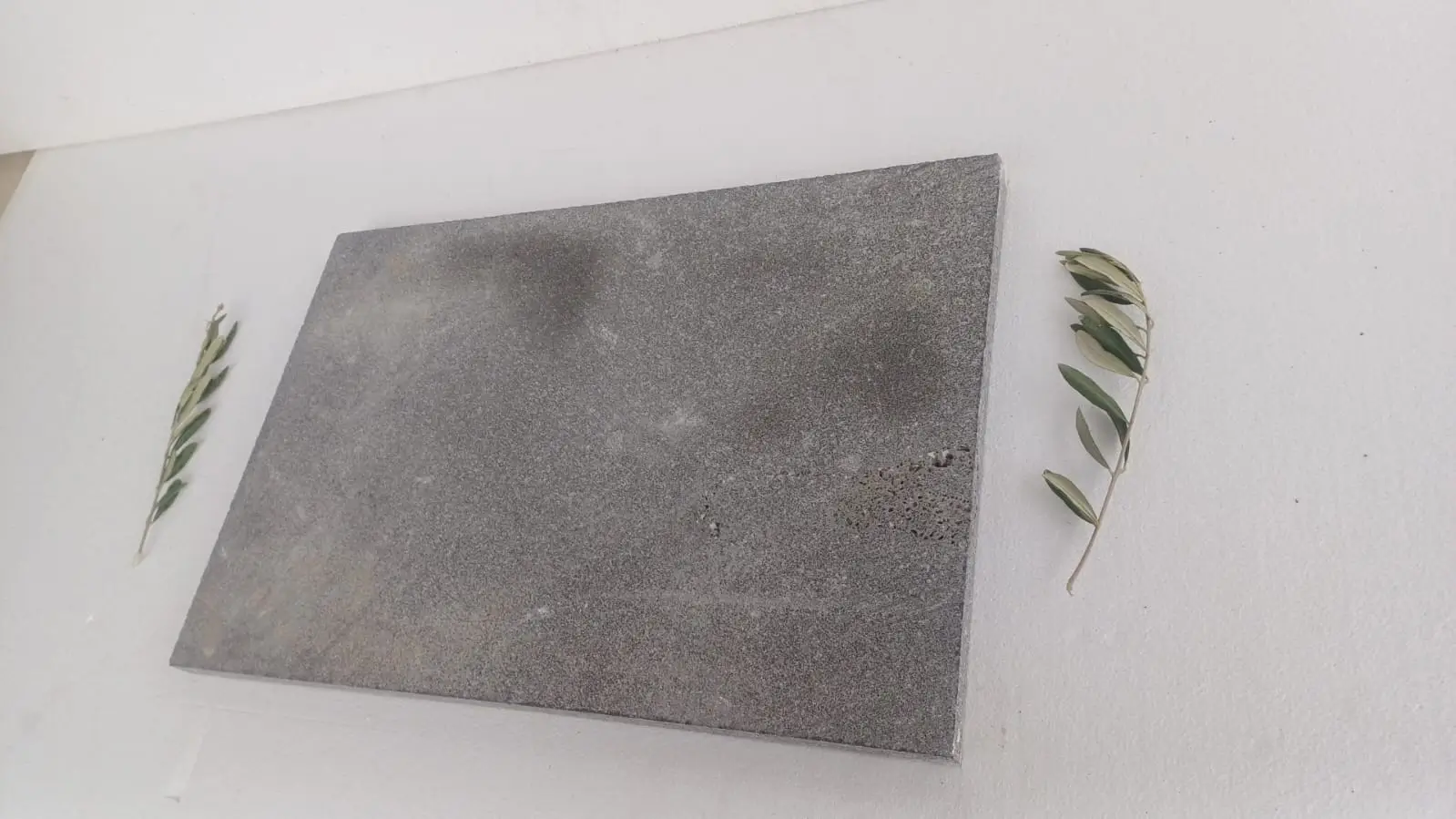
Bluestone pool coping in Arizona performs best when the material comes from quarries producing a dense, fine-grained variety rather than the more porous flagging grades. Dense bluestone has an absorption rate below 3% by weight, which keeps pool chemistry from migrating into the setting bed and compromising the mortar bond from the inside out. At Citadel Stone, we evaluate absorption rates as part of our warehouse quality checks before material ships, because field replacements from porous stock cost everyone time and money.
- Minimum 1.5-inch thickness for standard coping spans; 2-inch for spans exceeding 60 inches between joints
- Water absorption below 3% by weight indicates appropriate density for pool-adjacent applications
- Bull-nose or tumbled edges provide better grip at the coping lip than sharp-cut edges in wet conditions
- Consistent calibrated thickness simplifies setting bed leveling and reduces installation time on complex pool shapes
- Thermal mass in 2-inch stock buffers surface temperature spikes, reducing bond-line stress over the daily heat cycle
Base and Bond Beam Preparation
Your coping installation is only as solid as the concrete bond beam underneath it, and in Arizona’s expansive soil zones, bond beam integrity deserves a pre-installation inspection every time. Projects in Mesa frequently encounter reactive clay soils that exert upward pressure on pool shells during wet seasons, which can introduce micro-cracking in bond beams that isn’t visible until coping starts lifting. Probe the bond beam surface for voids, spalls, and delamination before any mortar goes down.
Proper pool coping placement techniques require a clean, mechanically sound substrate with a surface profile adequate for mortar bonding. Shot-blast or scarify any glazed concrete surfaces — a smooth trowel finish on a bond beam will give you bond failure within two to three seasons regardless of how good your mortar is. The surface profile should feel like 60-grit sandpaper to the touch, with no laitance or curing compound residue present.
- Inspect bond beam for cracks wider than 1/16 inch — repair with epoxy injection before setting any stone
- Remove all form release agents, curing compounds, and surface contamination using mechanical methods, not chemical washes
- Pre-wet the bond beam surface 20–30 minutes before mortar application to prevent rapid moisture draw from fresh mortar in dry desert air
- Check bond beam elevation with a level across the full coping run — tolerance should be within 1/8 inch before shimming
- For remodeling projects, test existing coping removal areas for hollow spots using a chain drag before committing to full substrate prep
Mortar Selection for Desert Heat
Standard Type S mortar works fine in temperate climates, but Arizona pool coping installations need a modified thin-set or medium-bed mortar system that accounts for two things simultaneously: rapid moisture loss in dry desert air and the thermal cycling stress described earlier. A polymer-modified medium-bed mortar with a pot life rated for high-temperature conditions — look for products specifying performance above 95°F ambient — gives you the working window and the bond flexibility your installation needs.
Mortar mixed at 7 AM in Phoenix behaves completely differently than the same mortar mixed at 11 AM — a detail most specifiers miss when working in the desert. As ambient temperature climbs through the installation day, your effective working time can shrink by 30–40%. Adjust your batch sizes accordingly, and never mix more mortar than you can place and back-butter within 20 minutes. Back-buttering every bluestone piece — not just the substrate — is non-negotiable for reliable coverage in these conditions.
- Specify polymer-modified medium-bed mortar rated for ≥95°F ambient installation temperature
- Target 95%+ mortar contact coverage under each piece — verify by pulling a test piece and measuring coverage before committing
- Reduce batch size by 35–40% during midday installation to stay within mortar’s effective working window
- Never install over a substrate or stone surface hotter than 90°F — early morning scheduling is the practical solution in summer months
- Allow full mortar cure of 72 hours minimum before grouting or applying load to the coping surface
Expansion Joint Placement and Spacing
Expansion joints in Arizona pool coping aren’t optional details — they’re the primary load relief mechanism that keeps your installation intact through repeated thermal cycling. The Tile Council of North America (TCNA) recommends expansion joints every 8–12 feet in exterior stone applications, but for Arizona pool coping specifically, tighten that to every 8 feet maximum. The thermal amplitude here simply exceeds what generic national standards anticipate for moderate climates.
Your expansion joint material needs to be a flexible sealant, not grout. Sanded grout in an expansion joint location is a failure point waiting to happen — it’ll crack within the first season and give pool water a direct path to the bond line. Use a polyurethane or polysulfide sealant that maintains flexibility across the full temperature range the joint will experience, typically 40°F to 160°F for an Arizona pool coping surface in full sun exposure. Color-match the sealant to your grout as closely as possible for a clean finished appearance.
- Maximum 8-foot spacing between expansion joints in Arizona pool coping applications
- Place joints at all inside and outside corners — these are the highest-stress locations in any coping layout
- Minimum joint width of 3/8 inch — narrow joints close up under thermal expansion and transfer load to the stone faces
- Use backer rod to control sealant depth — two-point adhesion, not three-point adhesion, is the correct configuration
- Polyurethane or polysulfide sealants outperform silicone in UV-intense applications over multi-year performance horizons
Explore our bluestone coping tiles Arizona selection to review thickness options, edge profiles, and material grades appropriate for your specific pool geometry and regional climate zone.
Fastening Methods and Overhang Details
Arizona pool coping fastening methods involve two distinct bonding zones: the pool-side face that cantilevers over the water, and the deck-side bearing surface that transfers load to the bond beam. The cantilevered overhang should never exceed 1.5 inches beyond the pool shell wall face without additional mechanical support — gravity and thermal movement working together on an unsupported overhang exceeding that dimension will eventually produce cracking at the cantilever root.
The bluestone coping installation steps Arizona professionals follow typically involve setting the pool-side edge first, establishing the drip edge position, then working back toward the deck with mortar coverage. For pieces with integrated drip grooves, verify the groove is positioned at least 3/4 inch from the stone face — too close to the edge, and capillary action pulls water back toward the bond beam rather than directing it away. Getting proper pool coping placement techniques right at the overhang detail prevents calcium staining on pool waterline tile, which is a persistent maintenance issue on coping installations that weren’t detailed correctly from day one.
Grouting and Joint Finishing
In Yuma, where summer ambient temperatures routinely exceed 110°F, grout installation requires scheduling discipline that’s even more critical than elsewhere in the state. Grout set time in extreme heat can drop to under 20 minutes, leaving you with partially cured joints that shrink and crack within weeks. The solution is simple but non-negotiable: grout before 9 AM during summer months, keep the substrate pre-wetted, and batch grout in small quantities.
Unsanded grout works well for joints under 1/8 inch wide; sanded grout handles anything from 1/8 to 1/2 inch. For desert climate pool edge preparation, a polymer-modified grout adds flexibility that plain Portland-based grouts simply can’t deliver under daily thermal cycling. Plan to seal the grout joints at the same time you seal the stone surface — a single application covers both and reduces the risk of missed areas.
- Schedule grouting before 9 AM during months when ambient temperature exceeds 95°F
- Use polymer-modified sanded grout for joints 1/8 inch and wider in pool coping applications
- Clean grout haze from bluestone surfaces within 30–45 minutes — dried grout haze on natural stone requires abrasive removal that risks surface scratching
- Avoid grouting within 12 hours of rain forecast — moisture intrusion into fresh grout degrades ultimate strength and color uniformity
- Seal grout joints within 72 hours of final cure to prevent early pool chemistry penetration
Sealing Protocols for Bluestone Pool Coping
Sealing bluestone pool coping in Arizona isn’t a once-and-done task — it’s a scheduled maintenance protocol. The initial seal should go on before grouting, as a pre-grout sealer that prevents grout from staining the stone face during joint work. This step gets skipped frequently in the field, and the result is permanent grout shadowing on the stone surface that no post-installation cleaning recovers fully. A penetrating impregnating sealer applied to dry stone — surface moisture below 4% by pin meter reading — goes on easily and cures effectively when ambient temperature is between 50°F and 85°F.
Resealing frequency for Arizona pool coping bluestone runs on a 12–18 month cycle, compared to 24–36 months for the same material in cooler climates. UV intensity and chemical exposure accelerate sealer breakdown at a rate that most maintenance schedules underestimate. You’ll know it’s time to reseal when a water droplet on the stone surface absorbs within 30 seconds rather than beading. Keeping up with that schedule keeps pool chemistry from migrating into the setting bed mortar, which is the failure mechanism most responsible for coping delamination in long-term service.
Project Planning and Material Logistics
Planning your material order correctly is as important as any installation detail. For projects in Sedona, where truck access to hillside pool decks can be constrained by site grade and turning radius, confirming delivery logistics before your material ships saves significant project disruption. Citadel Stone maintains warehouse inventory across Arizona, which typically reduces lead times to one to two weeks compared to the six to eight week import cycle many out-of-state suppliers require — and for time-sensitive pool renovation projects, that difference matters.
Order 10–12% overage above your calculated linear footage to account for cuts at curves, corner pieces, and any material rejected during warehouse inspection for edge chipping or dimensional variance. Natural stone, including bluestone pool coping, has inherent variation that makes running exactly to calculation a risk — particularly for complex pool shapes with multiple radius sections. Confirm with your supplier that batch color consistency is guaranteed across the full order quantity before material ships.
- Calculate linear footage of all coping runs, add 10–12% for cuts and waste before placing your order
- Confirm truck access dimensions — delivery vehicle height, width, and weight rating for site access roads — before scheduling delivery
- Verify warehouse stock availability includes consistent color batch across your full order quantity
- Stage material on-site in shade with cardboard separation between pieces — direct sun staging on dark surfaces in Arizona summer can cause thermal shock cracking before installation
- Allow material to acclimate to site temperature for 24 hours before installation if it’s been stored in a cooled warehouse
Getting Bluestone Pool Coping Right in Arizona
Every detail in this process connects to the same core principle: Arizona’s climate puts more mechanical and chemical stress on pool coping installations than most other environments in the country, and the specifications that handle that stress aren’t the same ones that work in moderate climates. Your mortar, your expansion joints, your sealer, and your installation scheduling all need to be calibrated to desert conditions specifically. Generic installation guides written for national audiences will get you close, but close isn’t good enough when you’re dealing with 65°F daily temperature swings and 110°F summer heat.
The installations that perform for 20-plus years in Arizona share a common profile: dense, properly thick bluestone stock, a mechanically sound and properly profiled bond beam, polymer-modified mortar placed in temperature-appropriate conditions, expansion joints at correct spacing with flexible sealant, and a sealing schedule maintained on the desert-appropriate cycle. Skip any one of those, and you’re looking at a repair job before the decade’s out. For ongoing care after installation, How to Maintain Bluestone Pool Deck in Arizona’s Climate covers the maintenance protocols that protect your investment through the years ahead.
Homeowners in Scottsdale, Mesa, and Yuma rely on Citadel Stone bluestone pool coping known for its dense composition, which resists the thermal cycling common in Arizona’s desert pool environments.