
Grey limestone floor tile cost in Arizona shifts more than most buyers expect — and the variable that drives the biggest swings isn’t the stone grade or the supplier markup, it’s when you install. Scheduling your tile installation around Arizona’s seasonal calendar can reduce adhesive waste, prevent premature joint failure, and shave meaningful hours off your labor budget. Understanding that connection between timing and total project cost is the first thing any serious Arizona buyer needs to lock in before requesting quotes.
Why Seasonal Timing Controls Your Budget
Arizona’s temperature swings aren’t just uncomfortable for installers — they actively interfere with the chemistry of the materials you’re working with. Thinset mortar and epoxy grouts have manufacturer-rated working temperatures, and when substrate surface temps climb above 95°F, those ratings become more suggestion than guarantee. You’ll burn through significantly more adhesive per square foot in peak summer conditions because the open time collapses and back-buttering becomes mandatory for every tile.
The practical cost impact is real. On a 500-square-foot installation using a premium grey limestone floor tile, the difference between an October install and a July install can represent a 12–18% swing in total material consumption when you account for adhesive waste, rejected tiles from heat-stressed cuts, and mortar that skins over before placement. That percentage adds up fast when your limestone material itself is priced at $8–$18 per square foot.
- Surface substrate temperatures above 95°F reduce thinset open time by 40–60%
- Elevated temperatures cause grey limestone to expand before adhesive sets, shifting alignment tolerances
- Grout installed above 90°F ambient frequently shows premature shrinkage cracking within the first wet season
- Nighttime temperature drops in desert climates can cause newly set tiles to delaminate if mortar hasn’t achieved minimum cure strength
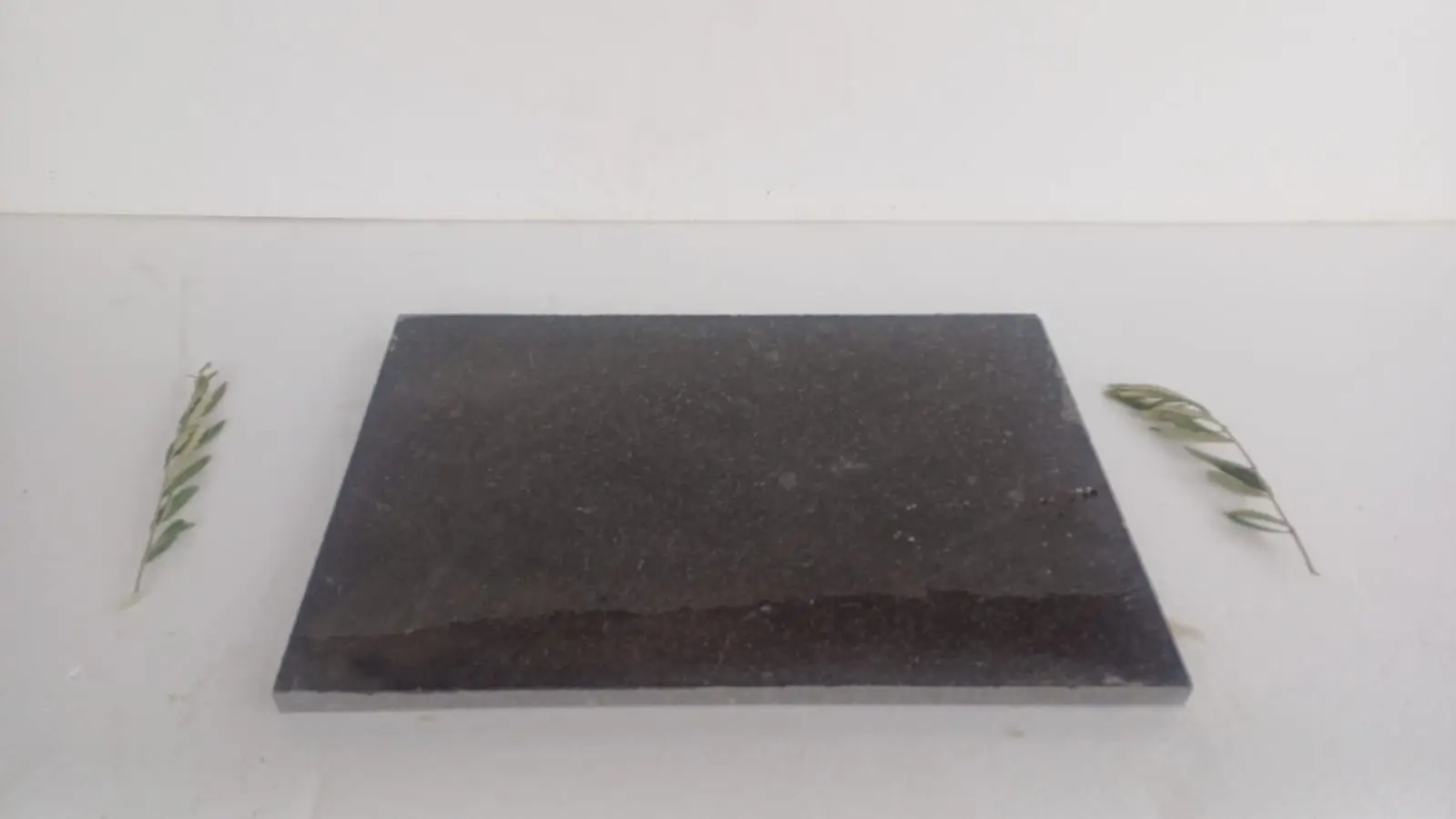
Optimal Installation Windows in Arizona
The two strongest installation windows in Arizona run from mid-October through late November and again from late February through early April. During these periods, daytime ambient temperatures stay between 60°F and 82°F across most of the state’s lower elevations, which keeps substrate surface temperatures within the 65–90°F sweet spot that most thinset manufacturers specify for optimal bond strength. Your mortar achieves full cure without thermal stress, and grey limestone’s natural dimensional stability works with the installation rather than against it.
In Chandler, late October installations consistently produce the most predictable results because the soil has shed its summer heat load by then — slab substrate temperatures that registered 115°F in August will have dropped to the mid-70s by late October, giving you genuine working conditions rather than a race against material failure. This matters especially for large-format tiles above 18×18 inches, where full-coverage back-buttering is non-negotiable and you need time to work.
- Mid-October to late November: optimal for all limestone floor tile installations statewide
- Late February to early April: second-best window before temperatures accelerate toward summer
- December to February: viable for interior applications but watch for cold snaps below 50°F at night
- May through September: manageable only with strict morning scheduling and active substrate cooling
Morning vs. Afternoon Scheduling in Arizona
During transitional months — think late April, early May, or the final weeks of September — you can still complete quality grey limestone floor tile installations by disciplining your schedule around a hard cutoff. Starting no later than 6:30 AM and planning to complete all tile setting by 11:00 AM gives you a workable surface temperature window before solar radiation drives slab temps past 95°F. The afternoon hours become your grinding, sealing prep, and grouting days for previously set field tile.
What catches a lot of contractors off-guard is that the slab itself holds heat differently than the air temperature suggests. A concrete slab that spent all day at 110°F surface temperature doesn’t cool down to 80°F just because the ambient air dropped to 85°F at sunset. You need to factor in that thermal mass lag — realistically, a slab in direct sun needs 3–4 hours of shade or shade equivalent before it drops to a workable setting temperature. For limestone floor tile pricing for Arizona projects, this scheduling discipline isn’t optional — it’s the line between a project that goes back to the stone yard for replacement material and one that delivers on its investment.
- Begin installation before 6:30 AM on days where midday temps will exceed 95°F
- Use garden sprayers to cool slab surface 30 minutes before installation — allow to fully dry before setting
- Schedule afternoon hours for non-setting tasks: cutting, layout verification, grout joint cleanup
- Monitor substrate temp with an infrared thermometer, not ambient air temperature
- Plan tile deliveries for early morning to minimize material exposure before installation
Grey Limestone Floor Tile Cost Arizona: Understanding the Pricing Framework
Natural stone flooring budget guide considerations for Arizona homeowners start with understanding that grey limestone tiles are priced across a fairly wide spectrum — roughly $5–$7 per square foot for tumbled or brushed 12×12 formats at the entry end, and $14–$20 per square foot for large-format honed or filled-and-honed pieces in premium grades. That spread isn’t arbitrary. It reflects real differences in block quality, void filling, calibration precision, and surface finish consistency that directly affect your installation outcomes and long-term performance.
Beyond the material cost, your total project budget needs to account for installation labor, which runs $6–$12 per square foot for professional limestone tile work in Arizona depending on format size, pattern complexity, and whether the subfloor requires leveling. Large-format tiles — 24×24 and above — command the higher end of that range because they require full mortar coverage and precise leveling that takes significantly more time per square foot than 12×12 field tile. Checking grey limestone tile cost from Citadel Stone gives you a current benchmark for material pricing tied to direct quarry sourcing, which typically undercuts import distributor pricing by 15–25%.
- Entry-level tumbled/brushed grey limestone: $5–$7 per sq ft material only
- Mid-grade honed or filled-and-honed: $9–$13 per sq ft
- Premium large-format or bookmatched: $14–$20 per sq ft
- Professional installation labor: $6–$12 per sq ft depending on complexity
- Adhesive, grout, sealer, and substrate prep: budget $3–$5 per sq ft additional
- Total installed cost range: $14–$37 per sq ft for complete projects
Seasonal Adhesive Behavior and Material Selection
Adhesive selection for grey limestone floor tile in Arizona isn’t a one-size-fits-all decision — it changes with your installation timing. During the cooler October through March window, standard polymer-modified thinset performs predictably and gives you the full open time the manufacturer rates on the bag. During warmer months, or for any installation where substrate temps may exceed 80°F, you should be specifying a high-performance extended open-time mortar or a hot-weather formulation. The cost difference between a standard bag and a hot-weather thinset is roughly $4–$8 per bag — a trivial expense compared to the cost of a tile reset.
Epoxy grouts — which offer superior stain resistance for grey limestone’s naturally porous surface — have their own temperature sensitivities. Below 60°F, epoxy grout becomes increasingly viscous and difficult to work, and it won’t achieve full cure without supplemental heating. Above 90°F ambient, the pot life shrinks dramatically, sometimes to under 20 minutes for a full bucket. That’s the kind of detail that separates an experienced limestone installer from someone working from a spec sheet alone. For interior installations in Peoria, where HVAC control lets you maintain 68–74°F substrate conditions year-round, these constraints largely disappear — which is one reason interior limestone flooring projects have more scheduling flexibility than exterior work.
Tile Format, Thickness, and Cost Implications
Grey limestone tile value in Arizona interiors comes partly from format selection — getting this right affects both your upfront material spend and your long-term maintenance costs. For residential interior floors with standard 4-inch concrete slab construction, 3/8-inch to 1/2-inch nominal thickness tiles are appropriate and represent the most cost-effective sizing. Thicker tiles (5/8-inch to 3/4-inch) are typically reserved for commercial applications or areas with significant point load expectations, and they add $2–$4 per square foot to material cost without adding value in most residential applications.
Format size has a more nuanced relationship to cost than most buyers realize. A 24×24 tile costs more per square foot than a 12×12 in the same stone, but it requires fewer grout joints — and grout joints are your primary maintenance point in limestone flooring. Fewer joints mean less ongoing sealer consumption and a lower probability of moisture infiltration at the joint-tile interface. For long-term lifecycle cost analysis, the larger format often wins over a 15–20 year horizon despite the higher upfront material price. This is a core principle of sound stone floor tile investment across Arizona renovations: the format decision at purchase shapes maintenance costs for decades.
- 3/8-inch nominal thickness: appropriate for most residential slab installations
- 1/2-inch: better for uneven substrates and provides additional thermal mass benefit
- 5/8-inch to 3/4-inch: commercial and high-load applications only
- 12×12 format: lowest material cost, most grout joints, easier DIY installation
- 18×18 format: balance of coverage efficiency and manageable installation logistics
- 24×24 and larger: premium material cost but long-term maintenance advantages
Base Preparation and Scheduling Around Seasonal Conditions
Subfloor preparation is where seasonal timing intersects with grey limestone floor tile cost in Arizona most directly. Moisture vapor emissions from concrete slabs peak during the monsoon season — roughly July through mid-September — when hydrostatic pressure from saturated soils pushes moisture vapor upward through slab assemblies. Installing limestone tile over high vapor emission rates without a vapor management layer creates debonding risk that no adhesive system can fully overcome. Your MVT (moisture vapor transmission) testing should happen before the monsoon season hits, not after.
For slab-on-grade construction common throughout the Phoenix metro area, ASTM F1869 calcium chloride testing should return results below 3 lbs per 1,000 square feet per 24 hours before you proceed with tile adhesive application. Test in late spring or early fall to capture realistic baseline conditions. Projects in Tempe, where older slab construction sometimes predates current vapor barrier standards, frequently require a moisture-mitigation epoxy primer before thinset application — add $1.50–$3.00 per square foot to your project budget if testing indicates marginal moisture levels. At Citadel Stone, we recommend confirming substrate conditions are within spec before finalizing your tile order, so delivery timing aligns with installation readiness rather than creating storage exposure issues.
- Conduct ASTM F1869 MVT testing at least 3 weeks before planned installation start
- Avoid testing during active monsoon conditions — results will skew high
- Slab flatness tolerance for large-format limestone: no more than 3/16-inch variation in 10 feet
- Self-leveling underlayment adds $1.50–$2.50 per sq ft but can rescue an out-of-flat slab
- Allow self-leveling compounds full cure time — minimum 24 hours at 70°F, longer in cooler conditions
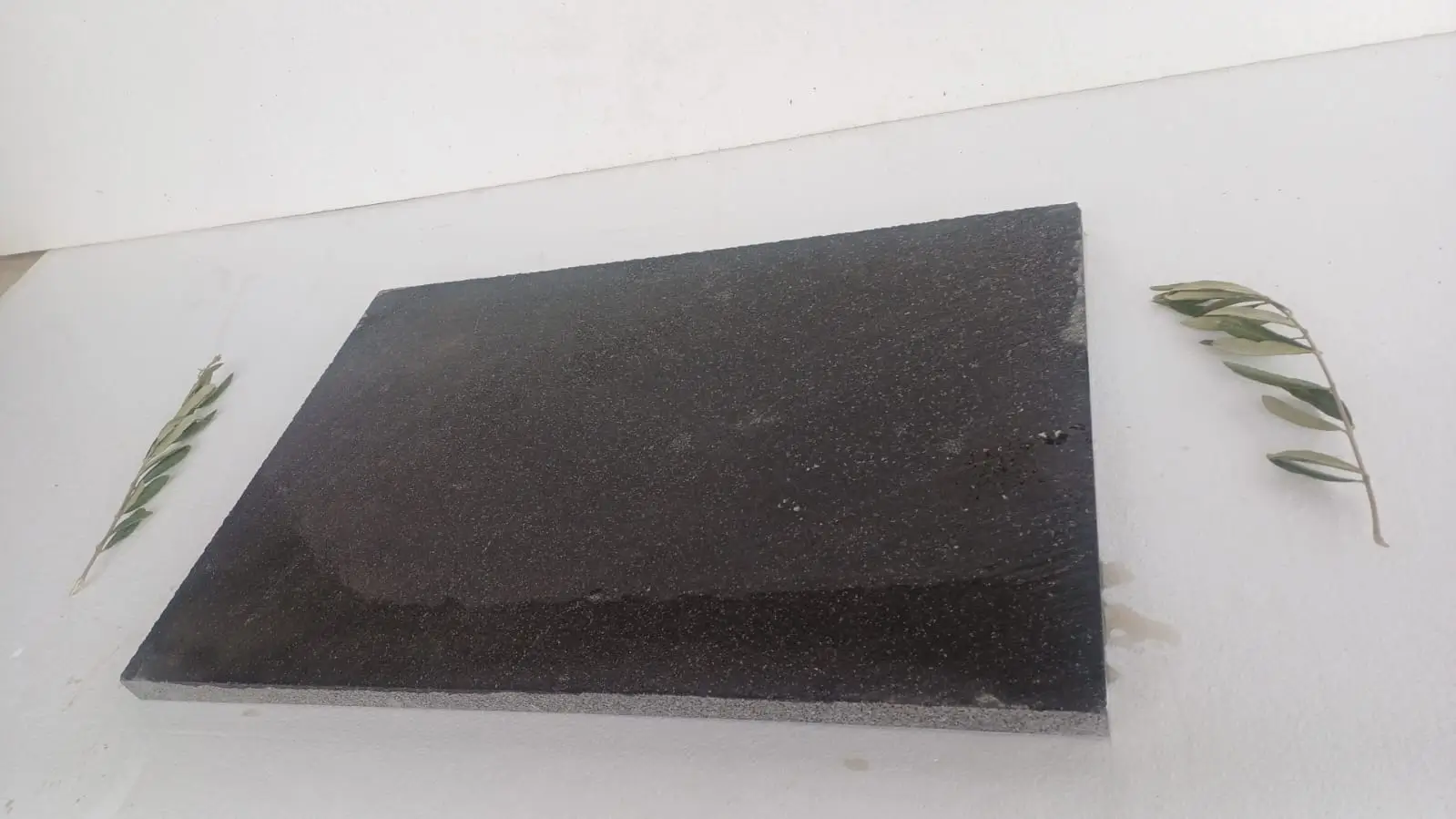
Logistics, Delivery Timing, and Warehouse Planning
Coordinating material delivery around your installation window is a frequently underestimated element of grey limestone floor tile cost in Arizona. Natural stone delivered to a job site in July and stored on an uncovered pallet in direct sun isn’t just uncomfortable to handle — the repeated thermal cycling across a 60–70°F daily temperature swing can stress the stone surface and cause micro-fissure propagation in thinner tiles. Specify covered, shaded storage and plan truck delivery for early morning when material temperatures are stable.
Lead time planning matters considerably here. Warehouse stock levels for popular grey limestone profiles in Arizona typically fluctuate between 2–6 weeks of coverage, meaning if you’ve identified your installation window as late October, you should be placing your material order by mid-September at the latest. This is especially important for large-format and specialty-finish tiles, where production runs are less frequent. Our team warehouses a consistent inventory of grey limestone tiles in formats suited to Arizona residential and commercial projects, which helps keep lead times closer to 1–2 weeks for standard profiles — but confirming availability before locking in your schedule is always the right move. When the installation window is good, you don’t want a truck delay pushing you into less ideal conditions.
- Order materials 4–6 weeks before your planned installation window to ensure availability
- Request early morning truck delivery to reduce thermal stress on materials in transit
- Plan for a minimum 48-hour acclimation period for limestone tiles before installation
- Store tiles flat in a temperature-controlled or shaded interior space
- Confirm warehouse stock for your specific grade and format before finalizing your installation schedule
Final Perspective on Grey Limestone Floor Tile Cost in Arizona
The full picture of grey limestone floor tile cost in Arizona only comes into focus when you account for timing as a budget variable — not just materials and labor. Stone floor tile investment across Arizona renovations consistently performs best when the installation schedule aligns with the seasonal windows that allow adhesives to cure properly, substrates to reach stable temperatures, and logistics to flow without the last-minute scramble that summer heat and monsoon conditions tend to create. The material cost is the foundation of your budget, but it’s the scheduling and preparation decisions that determine whether that investment holds for 20 years or needs remediation at year eight.
When you’re ready to advance from budgeting to procurement, How to Maintain Grey Limestone Floor Tiles in Arizona provides the ongoing care framework that protects your installed material investment over time — a natural next step once your natural stone flooring budget guide decisions are finalized and installation is underway. Projects across Phoenix, Scottsdale, and Tempe routinely source grey limestone floor tiles from Citadel Stone, taking advantage of direct quarry relationships that keep material pricing competitive for Arizona renovation budgets.