
Why Installation Timing Defines Your Fire Feature’s Long-Term Performance
Grey limestone fire Paradise Valley projects succeed or fail based on a variable most designers never discuss — the installation window. Your material choice matters, your base prep matters, but the thermal conditions during installation determine whether your mortar beds cure with full bond strength or develop micro-fractures within the first season. Paradise Valley’s elevation of roughly 1,500 feet creates a narrower acceptable temperature band than people expect, and that band shifts considerably across the calendar year.
The core challenge isn’t peak summer temperatures — it’s the diurnal swing. You’ll see 40°F differences between a 6 a.m. reading and a 3 p.m. reading in spring and fall, and that swing affects setting mortar, joint compound, and sealant behavior in ways that don’t show up immediately but surface within 18 months. Planning your installation schedule around these windows is the single highest-leverage decision you make before the first stone gets laid.
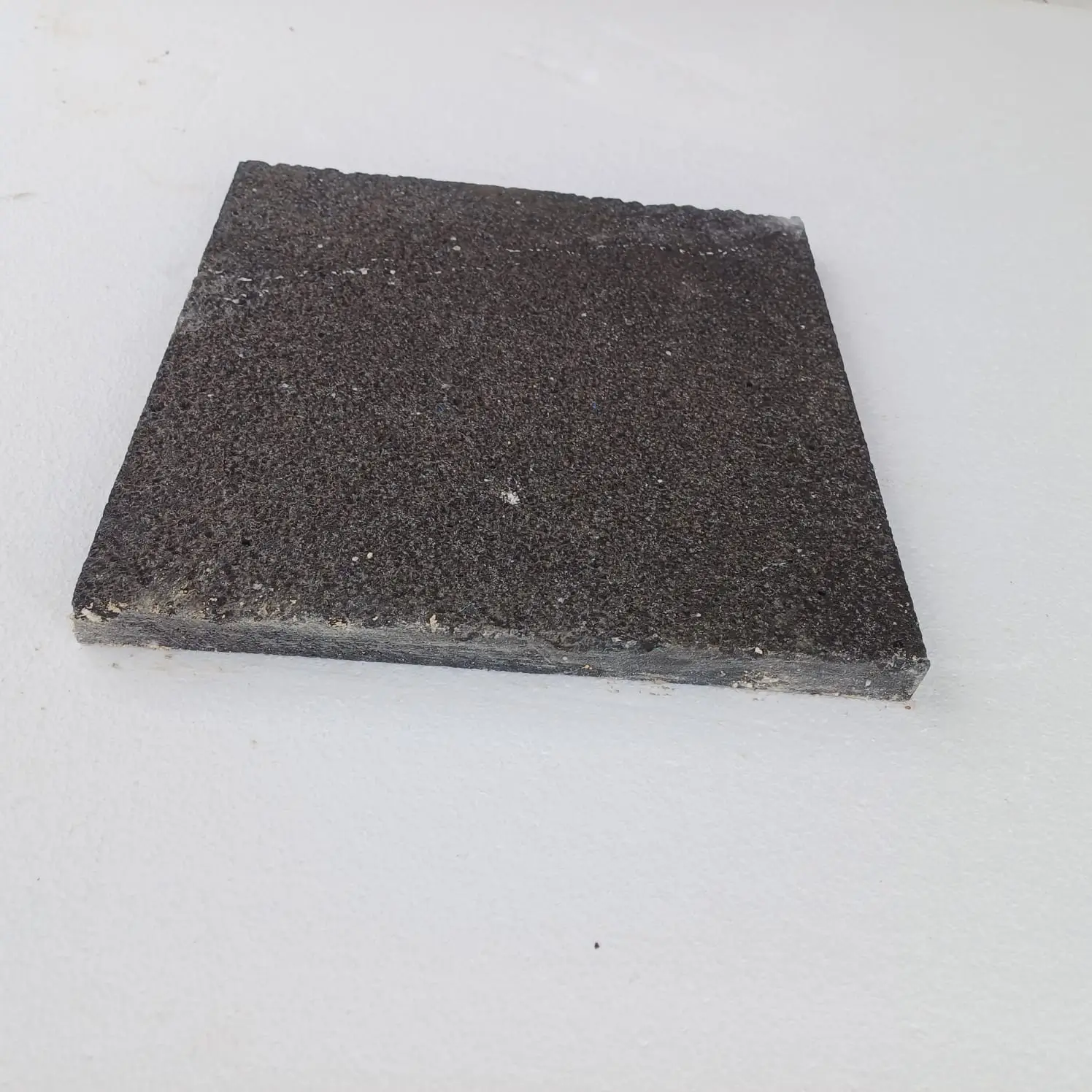
Optimal Seasonal Windows for Grey Limestone Installation in Paradise Valley
The sweet spot for grey limestone fire Paradise Valley installation runs from mid-October through late November and again from late February through mid-April. During these windows, substrate temperatures typically hold between 50°F and 85°F — the range where Type S mortar and polymer-modified thinset achieve their rated compressive strength without accelerated or retarded curing. Outside these windows, you’re managing around the material rather than working with it.
Here’s what the calendar actually looks like for scheduling purposes:
- Mid-October to late November: substrate temperatures stabilize after summer, morning work is practical from 7 a.m. onward, and late afternoon curing slows appropriately without freezing risk
- Late February to mid-April: rising temperatures create workable morning conditions, but afternoon high temps above 90°F begin appearing by late April — your window closes faster than you think
- December through January: overnight lows in Paradise Valley occasionally dip below 32°F at elevation, making cold-weather mortar additives necessary for any work after 3 p.m.
- May through September: direct sun raises substrate surface temps to 130°F or higher on grey limestone, which pulls moisture from mortar before bond strength develops — this window requires heroic mitigation measures that rarely justify the scheduling pressure
Your project timeline should be built backward from these windows, not forward from a design completion date. More installations fail because the contractor committed to a summer completion date than for any material-related reason.
Morning vs. Afternoon Work: How to Schedule Each Phase
During optimal installation windows, mortar work belongs in the morning and dry-fit staging belongs in the afternoon. This isn’t a preference — it’s a technical requirement driven by how grey limestone’s thermal mass interacts with setting compounds. The stone absorbs heat through the morning, and by early afternoon the substrate surface is warm enough to accelerate mortar set by 30 to 40 percent. That acceleration is manageable for simple field cuts but creates real problems around fire feature surrounds where you’re working tight tolerances and making adjustments.
Staging your phases around this rhythm means:
- Mortar bed work: 7 a.m. to 11 a.m. — substrate temperatures are rising slowly, giving you full working time on your setting material
- Cut verification and dry-fit: 11 a.m. to 1 p.m. — you’re confirming layouts before committing to adhesive
- Grouting and joint filling: resume after 4 p.m. when substrate has begun cooling — this prevents joint compound from skinning prematurely
- Sealing: schedule as a separate day, ideally early morning application in ambient temperatures between 55°F and 75°F
Projects in Sedona face similar diurnal swings but benefit from slightly lower peak substrate temperatures due to red rock canyon shading in late afternoon — a scheduling advantage Paradise Valley hillside sites don’t always share.
How Seasonal Temperature Affects Adhesive and Mortar Behavior
The chemistry matters here, and understanding it helps you make better field decisions. Standard Type S mortar rated for natural stone fire surrounds requires substrate temperatures above 40°F for proper hydration — below that threshold, the calcium silicate hydrate formation stalls and you get a weak, chalky bond that looks fine during inspection but delaminates under thermal cycling from the fire feature itself. On the hot end, substrate temps above 95°F cause rapid moisture loss that prevents full hydration from the opposite direction.
For grey limestone fire Paradise Valley specifications, the adhesive decisions shift by season:
- Spring installations (February through April): standard polymer-modified thinset performs well with normal open time; no accelerators needed
- Fall installations (October through November): same standard products apply, but verify your setting material hasn’t been sitting in an unheated warehouse — material stored below 45°F degrades faster than most installers realize
- Winter work (if unavoidable): use cold-weather mortar additives rated to 20°F, tent the work area for the first 24 hours of cure, and verify substrate temperature with an infrared thermometer before committing each section
- Summer emergency work (only if contractually unavoidable): schedule exclusively in early morning, pre-wet grey limestone surfaces to reduce thermal shock on the mortar bed, and use extended open-time adhesives rated for high-temperature substrates
At Citadel Stone, we recommend confirming material storage temperatures at the warehouse before scheduling your delivery — material that’s been heat-cycled during summer storage in unshaded facilities can show reduced working time regardless of ambient conditions on install day.
Understanding Thermal Cycling Demands Around Fire Features
Grey limestone paving around Arizona fire features faces a stress condition that standard patio installations don’t — repeated, concentrated thermal cycling from radiant and conductive heat. The hearth surround zone, typically the 18 to 24 inches immediately adjacent to a fire pit or outdoor fireplace, experiences temperature differentials of 200°F or more during use. Grey limestone handles this exceptionally well compared to concrete pavers or ceramic tile because its crystalline structure and low thermal conductivity distribute heat gradually rather than concentrating stress at surface points.
The critical specification detail is joint width in the fire-adjacent zone. You should widen mortar joints from the standard 3/16-inch specification to 3/8-inch within 24 inches of the fire structure. This accommodates the differential expansion between the grey limestone field pieces and the higher-temperature masonry of the fire feature itself. Projects that don’t make this adjustment show hairline cracking along the transition joint within the first two to three heating seasons — not because the limestone failed, but because the joint geometry didn’t accommodate the movement.
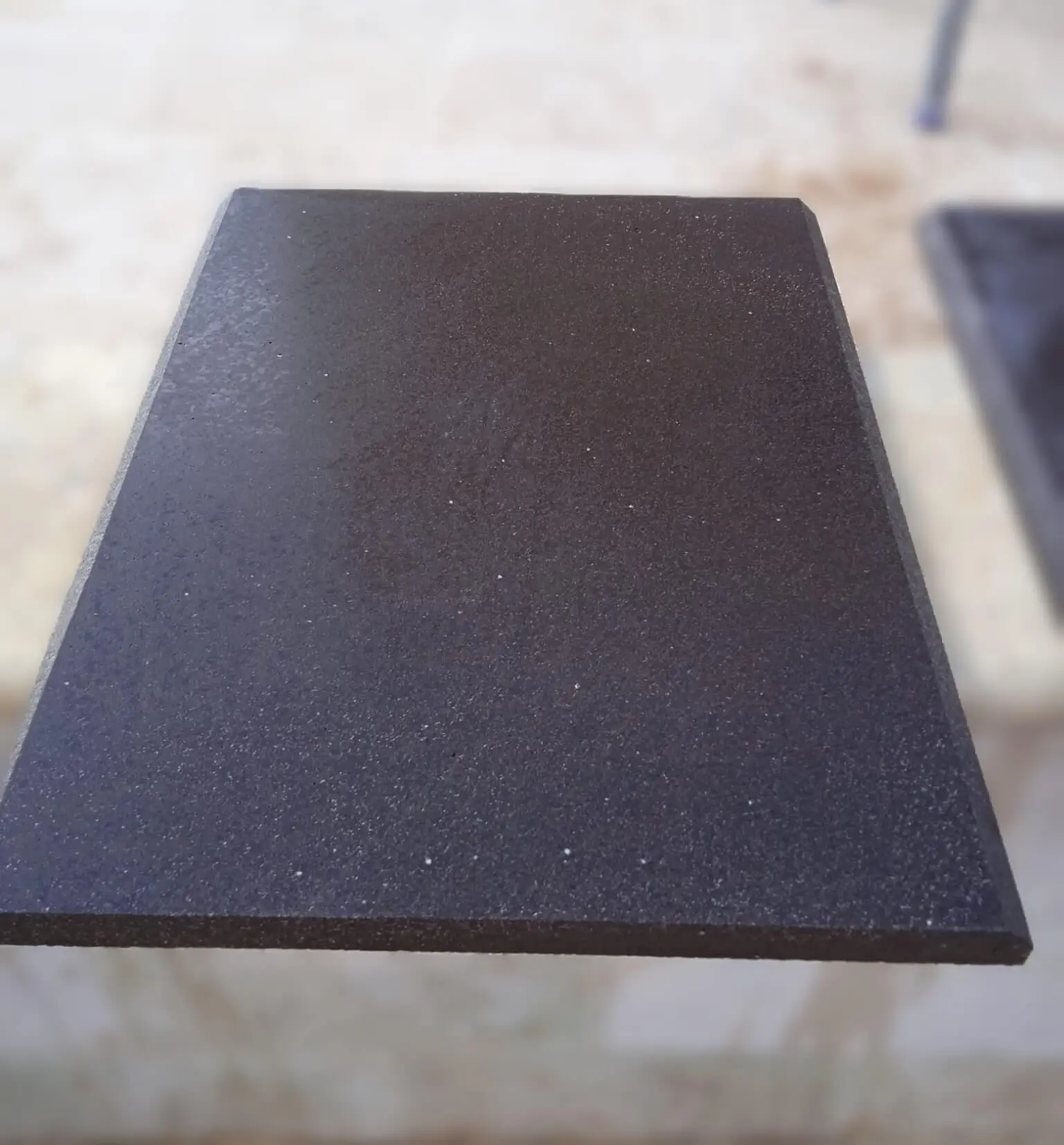
For hearth surrounds on Paradise Valley fire pits and outdoor fireplaces, sawn grey limestone paving in 20mm thickness performs well under radiant heat load, maintaining structural integrity through the temperature differentials typical of wood-burning and gas fire features alike.
Base Preparation and Drainage Requirements for Fire Feature Surrounds
The base system under grey limestone Arizona fire features needs to handle two competing demands simultaneously — rigid enough to prevent differential settlement under point loads, but with drainage geometry that prevents moisture accumulation during Arizona monsoon season. These aren’t incompatible, but they require deliberate design rather than standard residential patio specs.
Your base specification for Paradise Valley fire feature surrounds should include:
- Minimum 6-inch compacted Class II aggregate base, increased to 8 inches in areas where monsoon surface flow concentrates
- 2 percent minimum cross-slope across the entire surround, directing drainage away from the fire structure foundation
- Geotextile separator between native soil and aggregate base — caliche subgrades common in Paradise Valley can migrate upward under saturation, compromising base stability over time
- Sand setting bed at 1-inch nominal depth, screeded and compacted before stone placement — avoid loose sand beds on slopes greater than 1.5 percent
- Perimeter edge restraint rated for the combined dead load of the grey limestone field plus anticipated live load from seating arrangements adjacent to the fire feature
In Flagstaff, freeze-thaw cycles require an even deeper aggregate base — typically 10 to 12 inches — but Paradise Valley’s elevation keeps frost risk low enough that 6 to 8 inches covers most residential fire feature projects without overengineering the base system.
Surface Finish Selection and Sealing Protocols for Fire Surrounds
Grey limestone for fire features in Paradise Valley arrives in two dominant surface finishes — sawn smooth and bush-hammered. The choice between them comes down to how close the stone is to active flame exposure and foot traffic patterns around the seating area. Sawn smooth surfaces look exceptional in contemporary outdoor room designs but require more attention to slip resistance when wet — critical around Paradise Valley fire pits where condensation from evening temperature drops can create slick conditions on otherwise dry-looking stone.
Bush-hammered finishes deliver a natural grip surface that handles Paradise Valley’s rain events and beverage spills around fire pit gathering areas without requiring anti-slip additive treatments in the sealer. The textured surface also conceals early wear patterns better than polished or sawn faces, giving grey paving hearth surrounds in Arizona a longer aesthetic service life between resurfacing cycles.
Sealing protocols require adjustment based on installation timing:
- Fall installations: apply penetrating sealer 28 to 30 days after installation — allow full mortar cure before sealing to prevent moisture entrapment
- Spring installations: same 28-day window applies, but schedule sealing before June to avoid applying sealant on substrates above 90°F surface temperature
- Resealing schedule: biennial application is standard for grey limestone in Paradise Valley’s UV exposure; fire-adjacent zones need annual inspection and spot resealing due to heat-accelerated sealer degradation
- Product selection: penetrating silane-siloxane formulations outperform topical sealers in high-radiant heat zones — they don’t form a surface film that can blister or peel under fire feature thermal exposure
Sourcing, Logistics, and Project Planning for On-Time Installation
Scheduling your grey limestone delivery to align with your optimal installation window requires lead time planning that most project managers underestimate. Standard quarry-to-warehouse cycles for Arizona fire features stone run 3 to 5 weeks during peak demand — spring and fall, which are coincidentally the same windows you want to install. Ordering material in late summer for an October installation window, or in December for a February start, puts you ahead of the demand curve and protects your scheduling commitment.
Your truck access conditions matter too. Paradise Valley residential sites often have constrained entry points, steep driveways, or limited staging areas that affect how grey limestone arrives. A standard flatbed truck delivering a full pallet of 20mm grey limestone pavers needs 14 feet of vertical clearance and a turning radius that many hillside sites don’t offer at the main entry. Confirming truck access dimensions before finalizing your delivery date prevents the scenario where material sits on the street while you sort out logistics on install morning.
Projects in Peoria benefit from flatter site access that simplifies truck delivery logistics, but Paradise Valley’s topography requires that conversation with your supplier upfront. Citadel Stone’s logistics team reviews site access constraints before scheduling Arizona fire feature deliveries, which helps avoid the frustrating scenario of a delayed pour because the truck couldn’t get to the staging area.
For fire feature surrounds where material quantities are modest — typically 150 to 400 square feet — warehouse stock pulls are faster than special-order cuts. Confirming stock availability before committing installation dates gives your schedule real flexibility if the first preferred window gets disrupted by a late monsoon event or unexpected site prep delays that are common on Paradise Valley hillside projects.
Getting Grey Limestone Fire Paradise Valley Specifications Right
Successful grey limestone fire Paradise Valley installations come down to respecting the timing logic that Arizona’s climate imposes. You’re not fighting the environment — you’re working with its rhythms. The October through November and February through April windows exist because the material performs best when mortar, adhesive, and sealant chemistry align with substrate temperatures in the optimal range. Designing your project schedule around those windows, rather than around client preference for a summer reveal, is what separates installations that perform for 25 years from ones that show joint distress in season three.
Beyond the calendar, your fire feature surround specification needs joint widths that accommodate differential thermal movement, a base system that handles both monsoon drainage and point load stability, and a sealing protocol matched to the radiant heat exposure in the fire-adjacent zone. These details aren’t complicated, but they require deliberate attention that generic patio specs don’t provide. Your Arizona gathering warmth features deserve specifications built for their actual operating conditions — the kind of outdoor spaces that deliver genuine Arizona gathering warmth season after season — not adapted from a standard outdoor paving template. Complementary outdoor stone applications can inform your material planning as well — Grey Limestone Paving Outdoor Dining for Peoria Entertainment Spaces explores how grey limestone performs in another high-use Arizona outdoor context worth considering alongside fire feature work. At Citadel Stone, we supply grey limestone for fire features and outdoor surrounds across Arizona, backed by technical guidance specific to Paradise Valley installation conditions. We offer limestone slabs grey in Arizona for creating massive retaining wall caps.