

Flagstone pool paver cost in Arizona hinges less on the stone itself and more on a set of sourcing and logistics variables that most homeowners don’t see coming until the invoice arrives. Material pricing is just one layer — freight distance from the quarry or distributor, local labor market rates in the Phoenix metro versus rural corridors, and whether your supplier maintains regional warehouse stock all compound into a final number that can swing 40% or more from your initial estimate. Understanding how these factors stack before you commit to a material is the difference between a well-budgeted project and a costly mid-course correction.
What Actually Drives Flagstone Pool Paver Cost in Arizona
The material-to-labor cost ratio for flagstone pool surrounds in Arizona typically runs between 40/60 and 55/45, depending on slab thickness, surface complexity, and local installer rates. In competitive metro markets like Phoenix and its surrounding suburbs, labor bids tend to be tighter, while rural areas can see premium surcharges of 15–25% simply due to mobilization costs. Your total project cost is rarely just the per-square-foot stone price multiplied by area — there’s always a logistics multiplier at play.
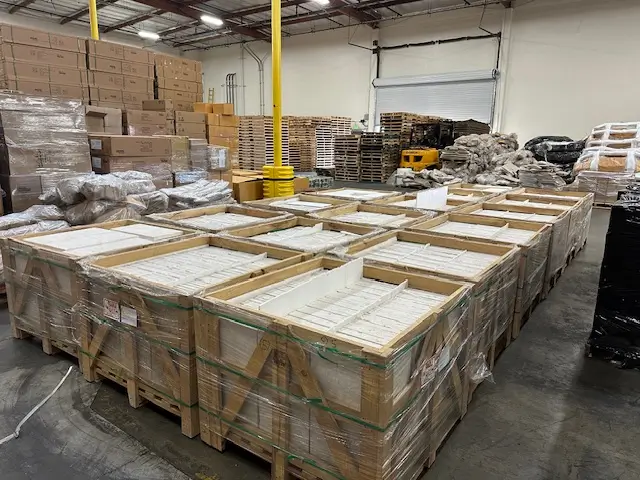
Freight is the variable most homeowners underestimate. Flagstone is dense, and shipping costs scale quickly with tonnage and distance. Stone sourced domestically — particularly material quarried in Arizona, New Mexico, or Colorado — arrives at lower freight cost than imported product moving through ports. When you’re evaluating quotes, always ask whether the price includes delivery to site, and whether the supplier’s warehouse is within the state. Local inventory availability directly affects your schedule and your per-square-foot landed cost.
Flagstone Material Pricing Ranges for Pool Surrounds
On the material side, natural stone pool surround pricing in Arizona typically places flagstone pool pavers between $4.50 and $12.00 per square foot for the stone alone, with significant variation by species and thickness. Here’s how the common options break down in practical terms:
- Arizona sandstone and buff flagstone: $4.50–$7.00/sq ft — strong value for budget planning for flagstone pool pavers AZ, though surface variation requires more labor sorting on site
- Quartzite flagstone: $7.00–$10.00/sq ft — excellent hardness and heat reflectance, lower long-term sealing costs offset higher upfront material expense
- Bluestone (imported): $8.50–$12.00/sq ft — premium aesthetics but freight from the Northeast adds $1.50–$2.50/sq ft in Arizona desert pool paving material costs
- Travertine flagstone: $6.00–$9.50/sq ft — porous surface requires sealing but remains cooler underfoot due to its lower thermal mass
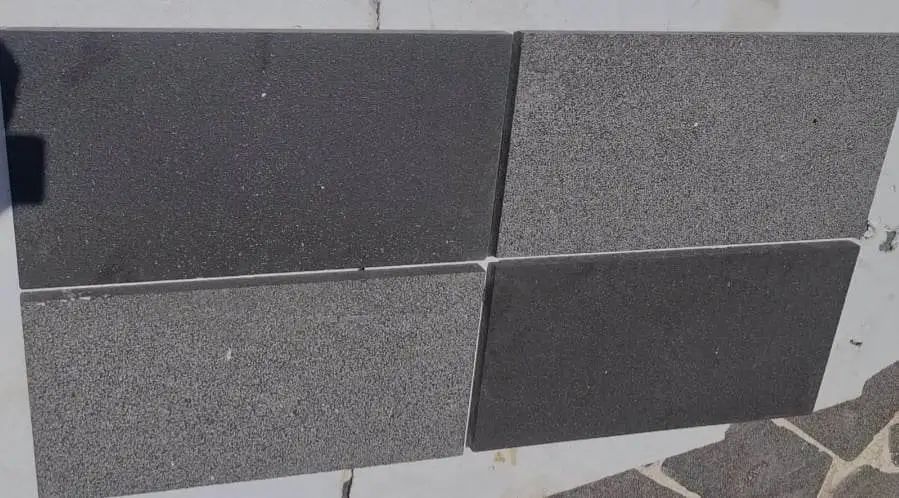
- Gray flagstone (regional): $5.50–$8.00/sq ft — strong middle-ground choice for color consistency and slab density uniformity
These ranges reflect material at the supplier or warehouse level, not delivered-to-site pricing. Add $1.00–$2.50/sq ft for delivery depending on order volume and distance from the distribution point. Smaller orders — under 200 square feet — almost always pay a disproportionate freight premium, which is why consolidating your material order with base aggregate and coping in a single truck delivery can meaningfully reduce your overall project cost.
Labor Costs and Installation Variables
Labor for flagstone pool surround installation in Arizona runs $8–$18 per square foot depending on several factors that go well beyond the installer’s base rate. The complexity of the pool surround shape — straight rectangular decks versus curved free-form designs — dramatically affects labor hours. Curved layouts with irregular flagstone fitting can add 30–40% to installation time compared to straight-run applications.
Base preparation requirements also differ significantly across Arizona’s soil profiles. Projects in Gilbert often encounter expansive clay soils that require deeper excavation and compacted aggregate base depths of 6–8 inches rather than the standard 4-inch profile. That additional base work adds $2–$4 per square foot in labor and material before the first piece of flagstone is set. Your installer should be pulling a soil profile or at minimum discussing base depth with you before quoting — if they’re not, that’s a red flag for the spec.
- Straight deck layout: $8–$11/sq ft labor
- Curved or freeform surround: $12–$16/sq ft labor
- Elevated or tiered deck with steps: $14–$18/sq ft labor
- Wet-set mortar installation (versus dry-set): adds $2–$3/sq ft
- Complex coping integration: $15–$25 per linear foot additional
How Sourcing Decisions Impact Your Total Project Cost
The sourcing path you choose creates a cost structure that compounds through every line item on your project budget. Buying directly from a regional supplier with in-state warehouse inventory is almost always more cost-effective than sourcing through a national distributor with no local stock. The lead time difference alone — 1–2 weeks for locally stocked material versus 6–8 weeks for imported or cross-country freight — has real budget implications when your contractor is billing for site delays or holding equipment.
At Citadel Stone, we maintain Arizona warehouse inventory specifically so your project doesn’t absorb the hidden costs of extended lead times. When material is on-hand locally, you’re not paying for a contractor to mobilize twice, and your project schedule holds without costly expediting fees. For Arizona pool paving from Citadel Stone, the combination of regional stock and pre-sorted slab inventory reduces both your material cost uncertainty and your on-site labor hours.
Value engineering on flagstone pool paver cost in Arizona most often comes from slab thickness and size selection, not material species switching. Specifying 1.5-inch nominal thickness instead of 2-inch saves material cost but adds substrate preparation requirements — the trade-off only pencils out when your base is perfectly prepared. Larger slab formats (18×24 inches and above) reduce the number of cuts and the linear footage of joints, which directly reduces both installation labor time and long-term joint maintenance costs.
Thickness and Slab Selection for Pool Decks
Pool deck applications in Arizona put specific demands on flagstone pool pavers that residential patio specs don’t fully capture. Point load from patio furniture, concentrated foot traffic at entry points, and edge loading at the coping transition all require your flagstone to perform structurally, not just aesthetically. For pool surrounds, a minimum 1.5-inch thickness is workable for well-prepared beds, but 2-inch nominal is the professional standard for anything receiving regular furniture load or high foot traffic.
Slab density consistency matters more than most buyers realize. Flagstone from the same quarry can vary in density across different vein runs, which creates differential settling and uneven surface wear over time. When you’re sourcing flagstone for your Arizona desert pool paving project, look for suppliers who grade for density consistency within a pallet, not just color matching. That quality-control step at the warehouse level is what separates installations that look pristine at year 10 from those that show settlement variation by year 5.
- 1.5-inch nominal: suitable for dry-set mortar beds with verified 6-inch compacted base
- 2-inch nominal: recommended for wet-set applications and high-traffic zones
- Irregular thickness (1–2.5 inch range): requires skilled installer to level; increases labor cost by 20–30%
- Calibrated flagstone (machine-cut to consistent thickness): reduces labor time and is worth the $1.50–$2.00/sq ft premium for complex projects
Regional Pricing Dynamics Across Arizona Markets
Natural stone pool surround pricing in Arizona is not uniform across the state — the market in the Phoenix metro operates differently than mid-state or northern Arizona projects. Labor rates in Chandler, Mesa, and Gilbert are competitive due to high contractor density, which generally benefits buyers on labor cost but can create scheduling pressure during peak building season from October through March. Planning a summer installation often yields better contractor availability and more negotiating room on labor rates.
Projects in Chandler benefit from proximity to major Phoenix-area stone distributors, which keeps freight costs at the lower end of the state range. The active residential construction market there also means installers are highly practiced on flagstone pool surrounds specifically — not just general paving — which reduces rework risk and tends to keep total project costs tighter. That installer experience premium is worth paying for in a pool deck context, where drainage geometry and coping integration require precision that general paving contractors sometimes underestimate.
Northern Arizona projects and rural markets face a different cost structure entirely. Freight from Phoenix-area warehouses adds $0.75–$1.50/sq ft for material delivery, and labor mobilization fees can add $500–$1,500 per project. Budget planning for flagstone pool pavers in northern or rural Arizona should include an additional 15–20% over metro pricing benchmarks to avoid underestimation.
Budget Planning Checkpoints Before You Commit
Solid budget planning for a flagstone pool paver project starts with locking down your area calculation before you contact any supplier. Pool surrounds almost always have more square footage than homeowners initially estimate once you account for coping, step treads, and transition areas. Add 10% overage to your stone order for cuts and breakage — on irregular flagstone, 12–15% is more realistic for complex shapes.
Your budget framework should account for these cost layers in sequence:
- Base excavation and disposal: $2–$4/sq ft depending on soil conditions
- Compacted aggregate base (6-inch depth): $1.50–$2.50/sq ft material and compaction
- Flagstone material (delivered): $6–$14/sq ft depending on species and sourcing
- Installation labor: $8–$18/sq ft depending on complexity
- Coping integration: $15–$25 per linear foot
- Sealing (penetrating sealer, first application): $0.75–$1.50/sq ft
- Contingency buffer: 10–15% of total
Projects in Mesa averaging 500–700 square feet of pool deck typically see total installed costs between $14,000 and $28,000, with the spread driven almost entirely by material species selection and installation complexity rather than location-specific factors. Getting multiple bids from installers who are specific about their base preparation depth and slab-setting method will give you better comparative data than bids that quote only a single per-square-foot number.
Long-Term Cost Considerations for Arizona Pool Decks
The upfront flagstone pool paver cost in Arizona tells only part of the investment story. Maintenance costs over a 20-year window vary significantly by material choice and initial installation quality. Softer sandstone flagstone may need resealing every 2–3 years under Arizona UV exposure, while dense quartzite can go 4–5 years between sealing cycles. That difference compounds to a meaningful cost gap over the life of the installation, making material selection a key component of your flagstone pool deck investment across Arizona.
Joint maintenance is the other recurring cost that budget planning for flagstone pool pavers often overlooks at the planning stage. Polymeric sand joints in pool surround applications typically need refreshing every 3–5 years due to UV degradation and foot traffic. Wider joints — anything over 1.5 inches — accelerate this maintenance cycle. Specifying tighter joint widths (0.75–1.25 inches) and using a high-quality UV-stable polymeric product at installation reduces your annual maintenance budget meaningfully.
The long-term value of flagstone pool pavers in Arizona’s desert climate holds well when the initial installation is done correctly — particularly drainage slope (minimum 1/8 inch per foot away from the pool shell) and edge restraint detailing. Installations that skip proper edge restraint on the pool deck perimeter show edge creep within 3–5 years, which eventually requires expensive re-setting of perimeter slabs. That’s a $1,500–$3,000 repair that correct initial detailing would have prevented. Once you complete your pool paver project, the next priority is maintaining its surface quality through Arizona’s extreme weather cycles — How to Maintain Gray Flagstone Pavers in Arizona’s Climate covers the specific maintenance protocols your installation will need to perform over the long term.
Professional Summary
Budgeting flagstone pool paver cost in Arizona accurately means treating the project as a cost system — not a single line item. Material species, slab thickness, freight origin, local labor rates, and base preparation requirements all interact to produce your actual installed cost, and each variable deserves a clear number before you commit. The projects that come in on budget are almost always the ones where the homeowner took the time to validate warehouse stock availability, get labor bids with explicit base preparation specs, and build a realistic contingency for soil conditions and slab overage.
Our technical team at Citadel Stone regularly helps Arizona homeowners work through this cost structure before purchasing — not just at the material selection stage, but at the planning stage where the decisions that affect your total investment are still open. Getting the flagstone pool paver cost in Arizona right from the start is far less expensive than value-engineering mid-project. Homeowners in Phoenix, Mesa, and Chandler working with Citadel Stone benefit from flagstone pool pavers selected for consistent slab density, which directly influences both installation labor estimates and long-term surface wear.