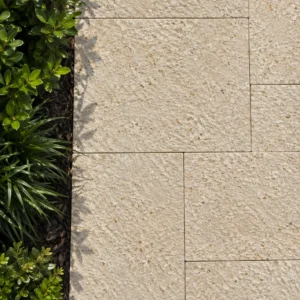
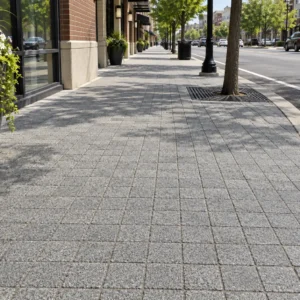
Timing Is the Variable Most Designers Overlook
Flagstone patio pavers reward careful planning at the specification stage, and the single decision that separates a crisp 25-year installation from one that needs releveling in year four is almost never the stone itself — it’s when the work happens. Setting mortar and polymeric sand both carry narrow temperature windows, typically 50°F–90°F ambient, and scheduling your installation outside those brackets invites shrinkage cracks, adhesive failures, and joint washout before the first winter arrives. Your design choices and your installation calendar are inseparable decisions.
The good news is that flagstone patio pavers give you nine genuinely distinct design directions to work with, and understanding each one helps you sequence the project correctly — matching your layout complexity to the season that supports it best. According to flagstone sedimentary rock characteristics and paving use, the material’s layered formation makes it naturally well-suited to outdoor paving applications, but finish selection and joint detailing vary significantly by design style. Let’s work through all nine.
Idea 1: Dry-Laid Irregular Random
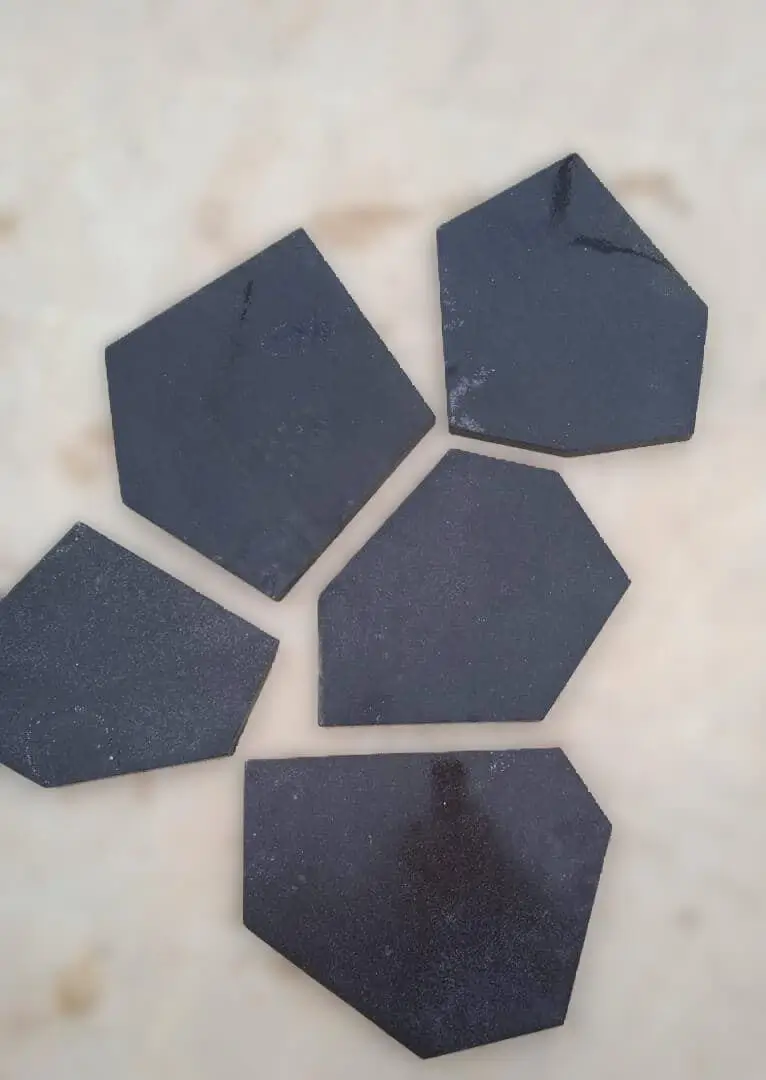
This is the classic flagstone layout pattern for patios — irregular-shaped pieces set directly over a compacted aggregate base with no mortar. You fill gaps with decomposed granite or polymeric sand, and the result looks completely organic. From a scheduling standpoint, dry-laid work is your most forgiving option across all seasons. There’s no mortar cure window to hit, so you can push installation into shoulder seasons — late autumn or early spring — when mortar-set work would be risky. Base compaction is still moisture-sensitive, so avoid saturated ground conditions, but the flexibility here is real.
Idea 2: Mortared Irregular Flagstone
For a more permanent result on the same free-form aesthetic, mortar-set irregular flagstone delivers. The natural stone patio surface earns significantly more structural integrity, and grout joints can be tightened to 3/8″ for a refined look. Scheduling this approach requires a firmer weather window than dry-laid work. Morning installations are preferred in warmer periods — you want mortar placed before afternoon heat accelerates the cure rate and reduces workability. Rapid curing in high ambient temperatures causes surface checking in the mortar bed, which eventually undermines the stone-to-base bond.
Idea 3: Ashlar Cut Flagstone Grid
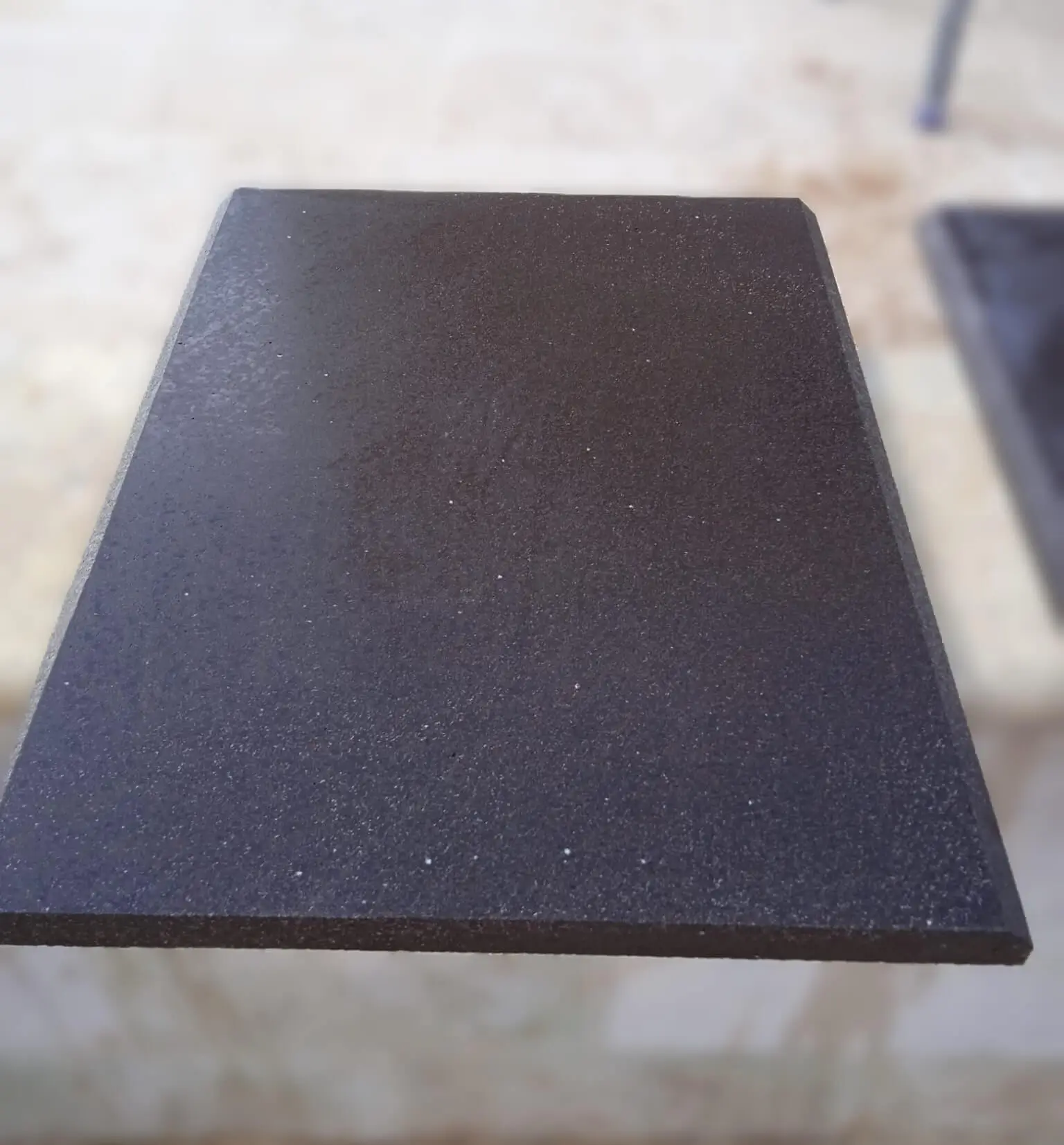
The ashlar pattern uses cut rectangular or square flagstone pieces set in a structured grid — think clean lines and formal geometry. This is the most dimension-sensitive of all the outdoor patio flagstone design styles because joint consistency is visible in every direction. You’ll want to schedule ashlar work during stable-temperature periods specifically to prevent differential thermal expansion between pieces. On a 30-foot run, a 40°F temperature swing between installation morning and the following afternoon can shift joint alignment by 1/8″ or more before the mortar fully cures. Plan for at least 72 hours of stable conditions post-installation.
Idea 4: The Stepping Stone Scatter
Scattered stepping stones set into lawn or ground cover create an informal, garden-path feel across a patio transition zone. Individual pieces are set in isolation rather than as a continuous surface, which changes your installation logistics considerably. You can tackle stepping stone work almost any time the ground isn’t frozen, since each stone is independent and small mortar beds cure with low risk of differential movement. This is an excellent design approach to execute during transitional seasons when larger continuous-surface installations would require more controlled conditions. Among all the outdoor patio flagstone design styles covered here, the stepping stone scatter offers the simplest scheduling profile.
Idea 5: Flagstone With Planted Joints
One of the most requested natural stone patio surface ideas currently is wide-jointed flagstone with low groundcovers — creeping thyme, Irish moss, or similar plants — filling the gaps. The joints typically run 2″–4″ wide, which means your stone-laying phase is straightforward and seasonally flexible for dry-laid applications. The critical scheduling note is timing your planting phase. Low groundcovers establish best when planted in early-to-mid spring or early autumn — avoid midsummer planting immediately after stone installation, as both the freshly disturbed soil and the reflected heat from new stone surfaces stress young plants before they root.
Idea 6: Uniform Square Cut With Tight Joints
Uniform square flagstone patio pavers set with tight 1/4″ joints deliver a contemporary, almost tile-like appearance while retaining the natural stone variation in color and surface texture. This is a popular flagstone layout pattern for patios on modern residential and commercial projects. Tight-jointed mortar-set work is the most weather-sensitive of all the design styles here. You need ambient temperatures between 50°F and 85°F, low humidity (below 75% RH during cure), and no rain for at least 48 hours post-installation. Scheduling around those windows — rather than around project deadlines — is what determines whether this approach delivers.
For the full breadth of flagstone formats that work across all six design styles covered so far, explore our natural stone patio paver range — it covers thickness, finish options, and sizing that support everything from dry-laid scatter patterns to precision-cut grids.
Idea 7: Mixed-Size Random Ashlar
The random ashlar pattern combines multiple cut sizes — typically three or four nominal dimensions — into a structured layout that avoids continuous joint lines running more than two pieces. It reads as organized but not rigid, and it’s one of the most timeless outdoor patio flagstone design styles in the market. ASLA natural stone and flagstone outdoor paving guidance supports varied-unit layouts for their drainage performance and visual compatibility with planted borders. Mixed-size layouts require careful warehouse stock verification before you start — running out of a specific size mid-installation in a pattern this precise creates visible interruptions that are difficult to correct after mortar sets.
Citadel Stone cuts every order at its selected quarries, and the lead time for your specification is quoted with the order.
Idea 8: Large-Format Statement Slabs
Large-format flagstone patio pavers — pieces in the 24″×36″ to 36″×48″ range — create a dramatic, low-joint surface with strong visual impact. These are increasingly used as feature areas within mixed-patio designs rather than wall-to-wall coverage. The installation scheduling considerations for large-format work are distinct from standard-sized pieces:
- Larger slabs require a more precisely leveled mortar bed — any bed irregularity is amplified across the slab’s footprint
- Setting temperature affects mortar workability faster with large-format pieces because repositioning time is longer before initial set begins
- Truck delivery logistics matter here — verify your site access accommodates the weight and dimensions before scheduling delivery
- Morning installation is strongly preferred to allow maximum working time before afternoon heat accelerates cure
- A two-person crew is effectively mandatory; solo installation increases the risk of cracking large pieces during placement
Idea 9: Flagstone and Gravel Combination
Setting flagstone patio pavers into a gravel field — with stone pieces spaced 6″–18″ apart surrounded by decomposed granite, pea gravel, or crushed stone — creates a low-maintenance, highly permeable surface. This design style is fully dry-laid, which means your seasonal installation window is the widest of all nine ideas. You’re not dependent on mortar cure conditions at all. The practical scheduling constraint shifts to base preparation: gravel-set flagstone requires a stable, well-compacted sub-base, and compaction work in wet or saturated soil produces a base that will shift unevenly once it dries and shrinks. USGS flagstone and dimension stone paving data confirms flagstone’s long-standing role as a primary outdoor paving material, and the gravel-combination approach is well-supported by that tradition.
Seasonal Windows Across All Nine Flagstone Patio Designs
Mapping your chosen flagstone layout pattern for patios against your available installation season is a practical step that prevents expensive remediation. Here’s how the nine ideas break down by seasonal flexibility:
- Dry-laid irregular, stepping stone scatter, flagstone with planted joints, and gravel combination offer the widest seasonal windows — workable in spring, summer, and autumn
- Mortared irregular and uniform square cut require the strictest temperature and humidity controls — late spring and early autumn typically offer the most reliable windows
- Ashlar cut grid and mixed-size random ashlar need stable multi-day temperature forecasts — mid-spring through early summer is the sweet spot in most regions
- Large-format slabs benefit from cool-to-moderate morning conditions and should avoid high-humidity periods that extend mortar open time unpredictably
Your flagstone patio pavers specification isn’t complete until you’ve matched each design choice to a realistic installation window. Committing to a mortared ashlar grid in late autumn, for example, is a scheduling decision that directly competes with cure performance — and the stone doesn’t compensate for poor timing.
Planning Your Flagstone Patio Paver Project
The nine design ideas covered here span everything from relaxed dry-laid scatter patterns to precision-cut formal grids, and each one carries its own scheduling logic. Your design intent and your installation calendar need to be developed together, not sequentially. A flagstone layout that looks stunning in a mood board but lands in a mortar-set installation during an unpredictable weather window is a project risk that shows up years later in cracked joints and lifted stones. Plan both decisions in parallel.
For projects that combine flagstone patio work with additional hardscape elements, reviewing the natural stone patio surface ideas in context of your full scope helps clarify sequencing priorities. the full flagstone installation process walks through base preparation, mortar mix ratios, and joint finishing in sequential detail worth reviewing before you commit to a timeline. Mixing flagstone sizes within a single layout is a widely used technique, and Citadel Stone stocks the size variety needed to execute that approach with consistency.