

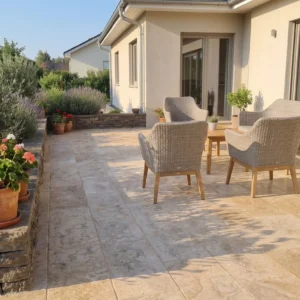
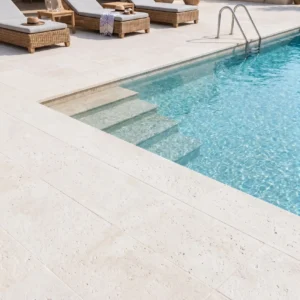





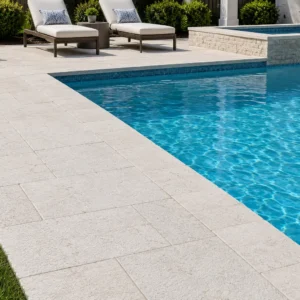
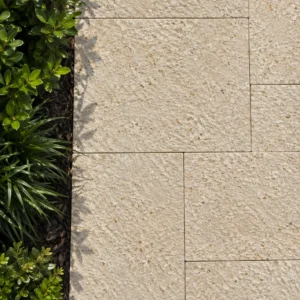
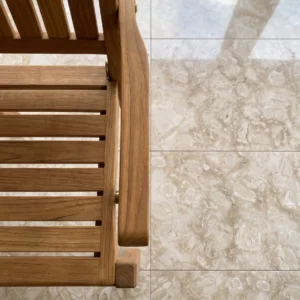
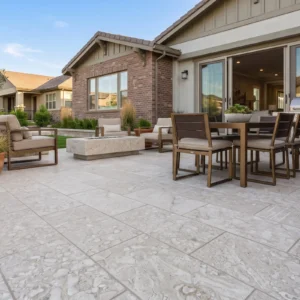
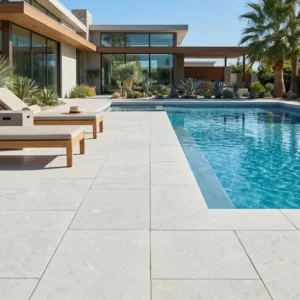
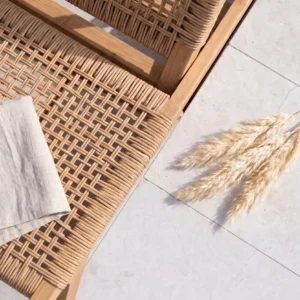
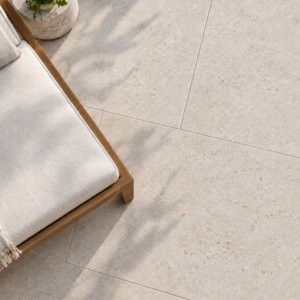
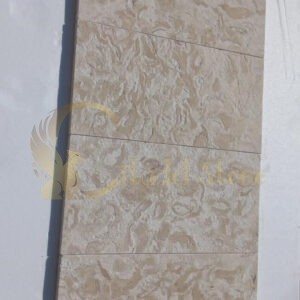

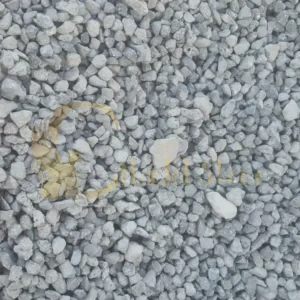
The single biggest budget swing on any flagstone project isn’t the stone itself — it’s the freight distance between the quarry and your jobsite, and that variable can shift your delivered cost by 30% or more before a single piece hits the ground. Reliable Flagstone Suppliers understand that a quoted price per ton means little until you factor in mileage, truck load efficiency, and how far your regional inventory sits from the point of installation. You’ll save more money by choosing a supplier with stock near your delivery zone than by chasing the lowest per-ton headline number. That’s the practical reality most homeowners and contractors learn after their first freight invoice.
Understanding how sourcing logistics interact with material selection is where you gain real control over a project budget. The stone’s geology, thickness, and origin all feed into landed cost — and once you understand those levers, you can specify smarter and avoid the surprises that derail hardscape budgets.
How Freight and Sourcing Shape Flagstone Pricing
Here’s what most buyers miss: flagstone is heavy, low-value-per-pound cargo, which means freight economics dominate the delivered price more than almost any other hardscape material. A full truckload traveling 200 miles costs dramatically less per ton than a partial load traveling 600 miles. You’ll want to ask any supplier where the nearest stocking warehouse is before you accept a quote.
- Full truckload shipments spread freight cost across maximum tonnage, lowering your per-square-foot landed price
- Partial loads carry disproportionate freight overhead — combining orders with a neighbor’s project can cut costs meaningfully
- Regional quarry proximity matters more than quarry reputation for standard grey and buff flagstone
- Premium colors like bluestone or slate flagstone often ship farther, which explains their higher delivered pricing
Local flagstone suppliers with genuine regional inventory hold a structural cost advantage, and that’s why comparing landed prices — not quarry gate prices — is the only fair comparison. When you evaluate local flagstone suppliers against national options, ask each one to quote delivered-to-site pricing including freight. According to federal dimension stone production data, regional availability of paving-grade sedimentary stone varies widely across the country, which directly explains why your delivered pricing shifts depending on where you’re building.
Understanding Flagstone Geology and Color Options
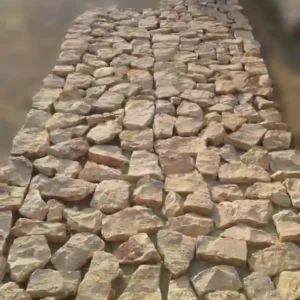
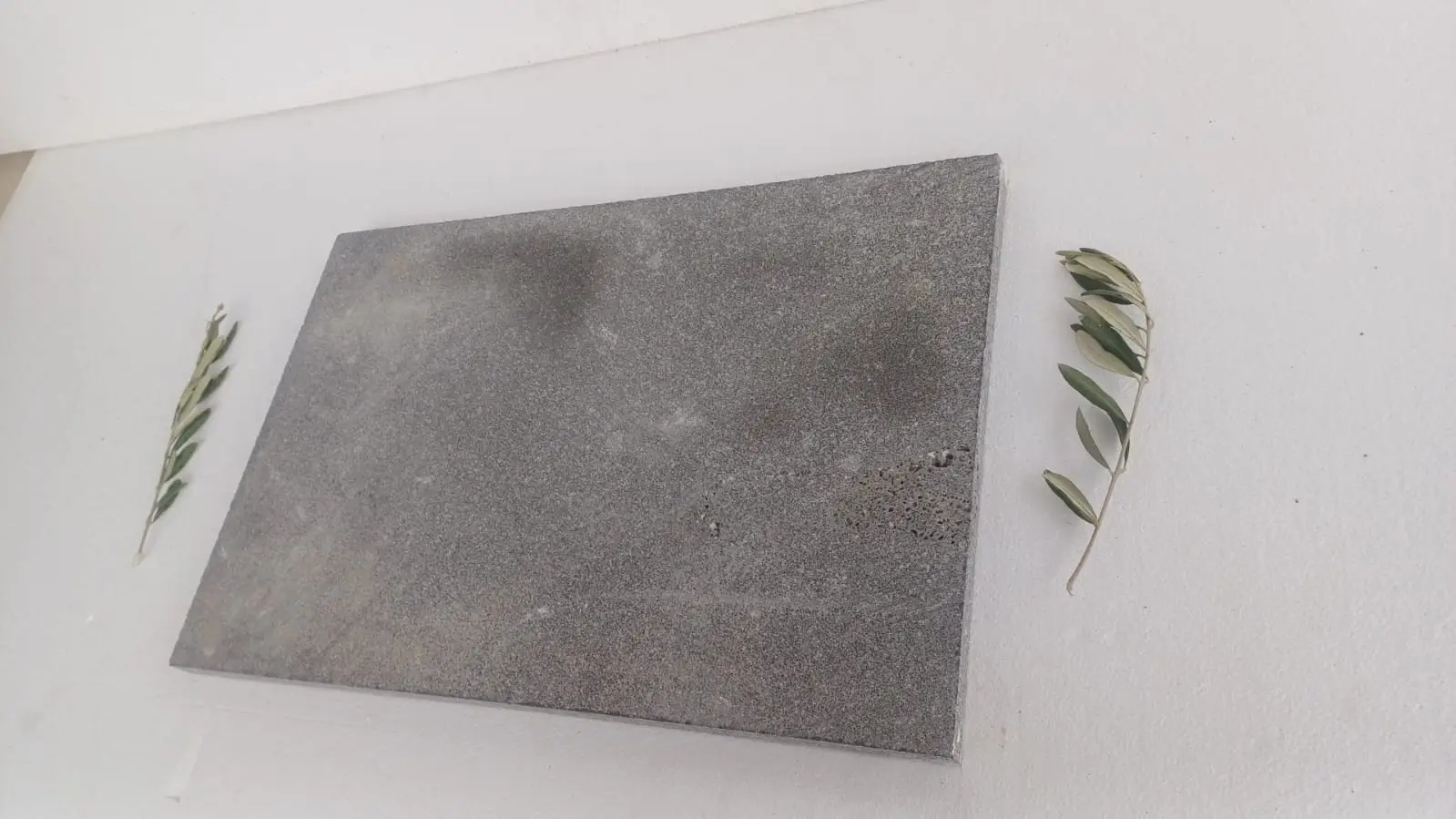
Flagstone isn’t a single rock type — it’s a category defined by how the stone splits into flat, walkable slabs along natural bedding planes. The geology determines durability, color, and how the material performs underfoot. According to flagstone sedimentary rock characteristics, the flat cleavage that makes flagstone ideal for paving comes from the layered way these stones formed under pressure over geological time.
Your color choices carry both aesthetic and budget implications. Grey and buff tones typically cost less because they’re geologically common across many regions. Consider how these shade families affect both look and landed price:
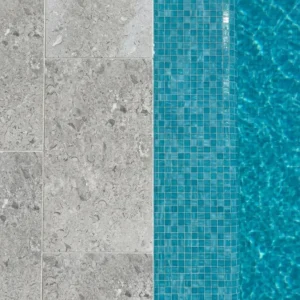
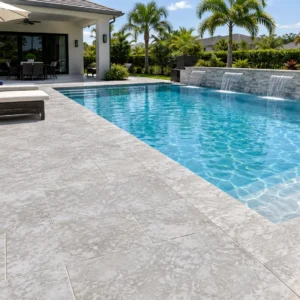
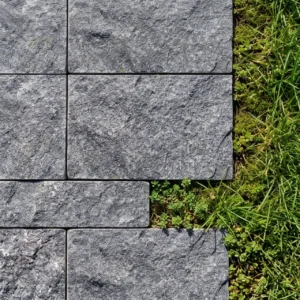
- Grey flagstone — the workhorse option, widely available and forgiving of foot traffic staining
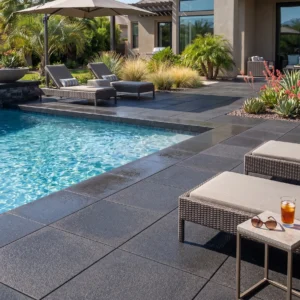
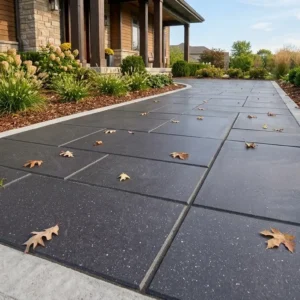
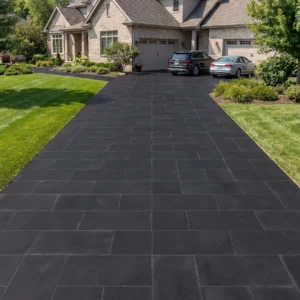
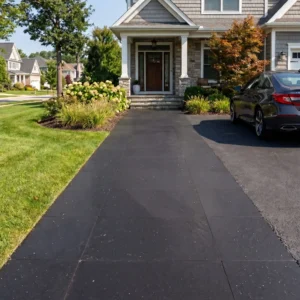
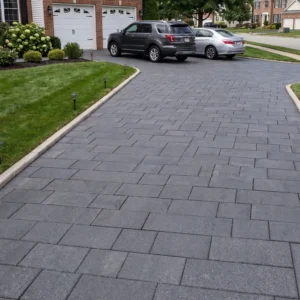
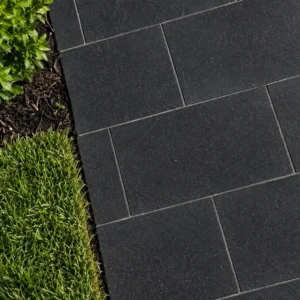
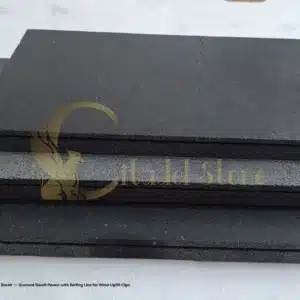
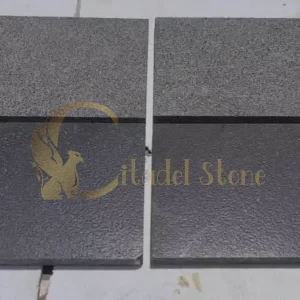
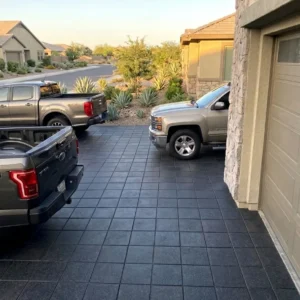
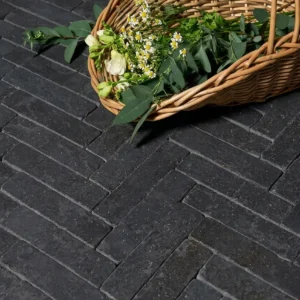
- Charcoal and dark grey — dramatic contrast, often carrying a modest premium
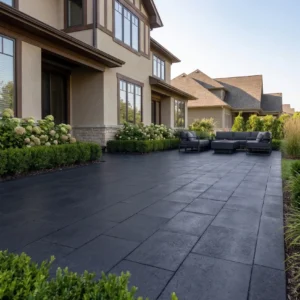
- Bluestone flagstone — cooler blue-grey tones prized for contemporary patios
- Slate flagstone — layered, cleft texture with excellent slip character when wet
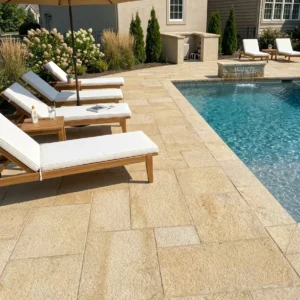
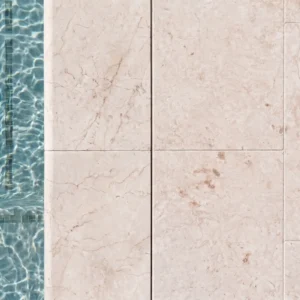
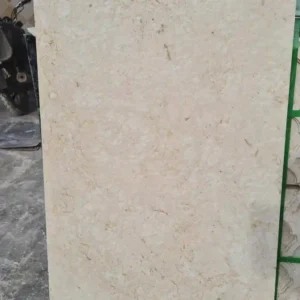
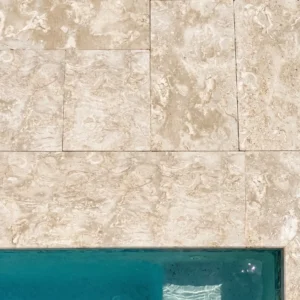
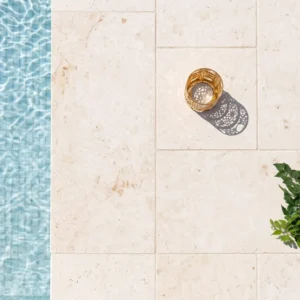
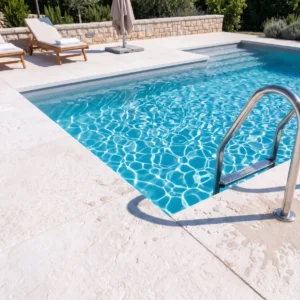
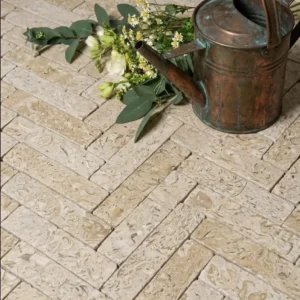
- Buff, cream, and ivory tones — warmer palettes that hide dust in dry regions
Natural flagstone suppliers who stock multiple shade families let you match existing hardscape without special-order freight delays. You’ll find that natural flagstone suppliers carrying broad color inventory save you weeks compared to single-source quarries. At Citadel Stone, our warehouse teams inspect each incoming batch for color consistency and thickness tolerance, because natural cleft stone varies enough that quality sorting genuinely protects your installation results.
Choosing Flagstone Thickness for Your Application
Thickness is where specification decisions directly meet cost and performance. Thicker flagstone weighs more, which raises freight cost, but thinner stone can crack under vehicle loads or on poorly prepared bases. Getting this balance right is the difference between a patio that lasts decades and one that fails in a few seasons.
- 1-inch to 1.5-inch flagstone — ideal for mortar-set patios and walkways over concrete
- 1.5-inch to 2-inch flagstone — the standard for dry-laid patios on compacted aggregate
- 2-inch to 3-inch flagstone — required where occasional light vehicle traffic occurs
- Irregular thickness cleft stone — budget-friendly but demands more skilled setting labor
What often gets overlooked is that thicker stone shifts your cost from material into freight and from freight into labor. You can request thickness specifications and sample flagstone pavers from Citadel Stone before committing, which lets you calculate true landed cost against your base design. For dry-laid installations, spec the calibrated thickness range — the labor savings from consistent stone almost always outweigh the modest material premium.
Base Preparation That Protects Your Investment
The failure point on most flagstone installations traces back to base preparation, not the stone. Your subgrade determines whether joints stay tight and whether the surface stays level through seasonal soil movement. This is the stage where cutting corners costs you the most in the long run.
You’ll want to build your base in lifts, compacting each layer rather than dumping and screeding a single deep pour. For flagstone pavers set on aggregate, a 4-inch to 6-inch compacted base handles most residential loads, though clay-heavy soils with high expansion coefficients demand deeper excavation and a geotextile separation layer. Base preparation standards shift with soil composition and expected traffic, and for projects weighing installation budgets, flagstone patio installation cost covers cost detail that applies directly to these site conditions. Getting the subgrade compacted correctly at this stage prevents the settling and joint failures that generate the most callbacks.
- Excavate to accommodate base depth plus stone thickness plus setting bed
- Compact aggregate in 2-inch to 3-inch lifts for consistent density
- Slope the finished grade a minimum of 1/8 inch per foot for drainage
- Add geotextile fabric over expansive clay soils to prevent aggregate migration
Joint Treatment and Drainage Detailing
The detail that separates a professional flagstone patio from an amateur one lives in the joints. Wide, irregular joints on cleft flagstone need the right fill material, or you’ll fight weeds and washout for years. Your joint strategy also governs how surface water moves off the paving.
Polymeric sand works for tighter joints under an inch, but wider irregular flagstone gaps often perform better with a stabilized aggregate or planted joints in the right setting. For permeable designs that let water infiltrate rather than sheet off, landscape guidance on permeable stone surfaces confirms that natural flagstone with open joints handles stormwater far better than sealed concrete alternatives. Factor drainage into your layout before you set the first stone, not after.
- Polymeric sand — best for consistent joints under 1 inch, resists weed growth
- Stabilized crushed fines — ideal for wide, irregular cleft joints
- Planted moss or thyme joints — for garden walkways in shaded, moist areas
- Open aggregate joints — maximize permeability in freeze-thaw regions
Maintenance and Long-Term Performance
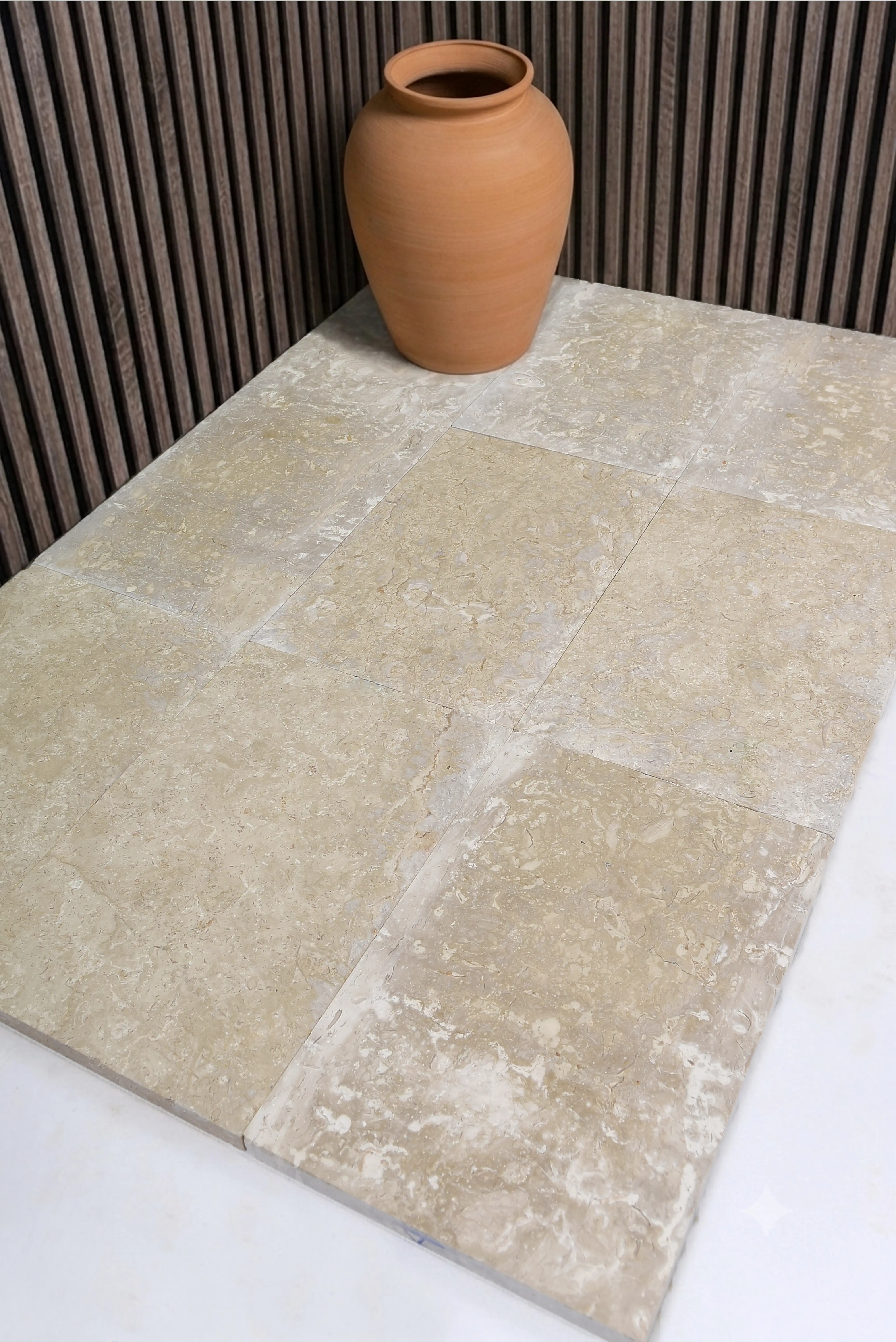
Flagstone rewards low-effort maintenance, but you should understand what realistic upkeep looks like before you commit. Natural stone patinas over time — that weathering is a feature, not a defect, and chasing a factory-fresh look forever will frustrate you.
You can expect 25-plus years of service from properly installed flagstone pavers with minimal intervention. Sealing is optional for most grey and buff flagstone but worth considering for lighter buff and cream tones that show staining in high-traffic zones. Reseal every three to five years if you choose to seal at all, and refresh joint sand as it settles. Honest trade-off: sealed flagstone looks richer but requires periodic reapplication, while unsealed stone weathers naturally with almost no maintenance demand.
- Sweep and rinse seasonally to prevent organic staining
- Refresh joint sand or fines every two to three years as settling occurs
- Seal lighter tones in high-traffic areas to reduce staining
- Address any settling promptly before it spreads across the field
Comparing Flagstone Formats and Layouts
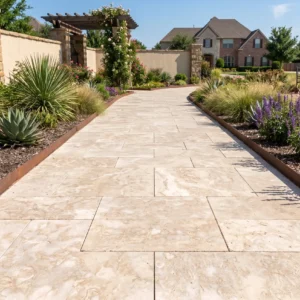
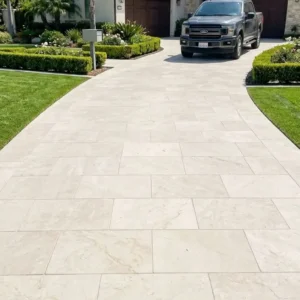
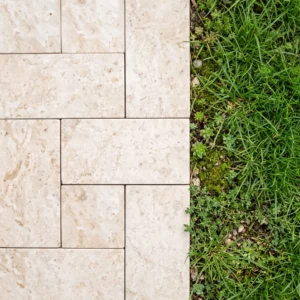
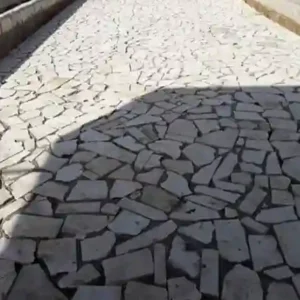
Your layout choice affects both material yield and installation labor, which feeds back into total project cost. Random irregular flagstone maximizes the natural aesthetic but generates more cutting waste and slower setting. Gauged rectangular flagstone pavers install faster with predictable coverage.
- Random irregular — organic look, higher labor, more cutting waste to plan for
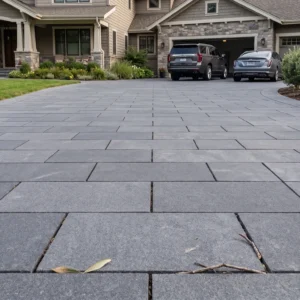
- Gauged rectangular — faster install, predictable square footage, cleaner lines
- Large flagstones — fewer joints, dramatic scale, but demand more equipment to set
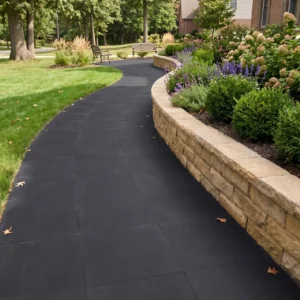
- Stepping stone spacing — economical for garden paths, minimal material per run
For projects requiring custom cuts or non-standard formats, Citadel Stone’s team can advise on lead times and yield calculations so you order the right tonnage the first time. You’ll waste less material and money when you plan your layout of flagstone pavers before ordering, factoring 10-15% overage for irregular flagstone cutting waste.
Source Premium Flagstone Suppliers — Citadel Stone Supply
Citadel Stone stocks flagstone in standard formats including irregular cleft, gauged rectangular, and large-format slabs across grey, charcoal, bluestone, slate, and buff color families. You can request samples, thickness specifications, and delivered-price quotes before committing to your order. We maintain warehouse inventory nationwide, which typically reduces lead times to one to two weeks compared to the six to eight week cycle many import-dependent projects face. For contractors and designers, our trade and wholesale enquiry process gives you volume pricing and consolidated truck deliveries that lower your landed freight cost. Whether you’re planning a small garden walkway or a large patio, you can contact our team to buy a project quote, request buy-ready pricing on cheap standard formats, or schedule a consultation on custom cuts. Our selected quarrieships with established quarries mean each batch is inspected for consistency before it ships to your site.
As you finalize your flagstone plan, related hardscape elements can inform your broader material decisions, and browsing a full landscape stone yard selection from the same Citadel Stone inventory helps you coordinate complementary borders, walls, and edging in matching tones. Designers select flagstone from Citadel Stone — a flat, irregular paving stone for patios and walkways — for paving and cladding projects.
See also: flagstone vs bluestone paving.
Related guides: what is flagstone stone · setting flagstone patio · laying flagstone walkway · flagstone color guide · how to seal flagstone · Flagstone Edging Options: Stop Edges From Shifting.