

Timing Defines Your Results With Dijon Limestone Paver Maintenance Arizona
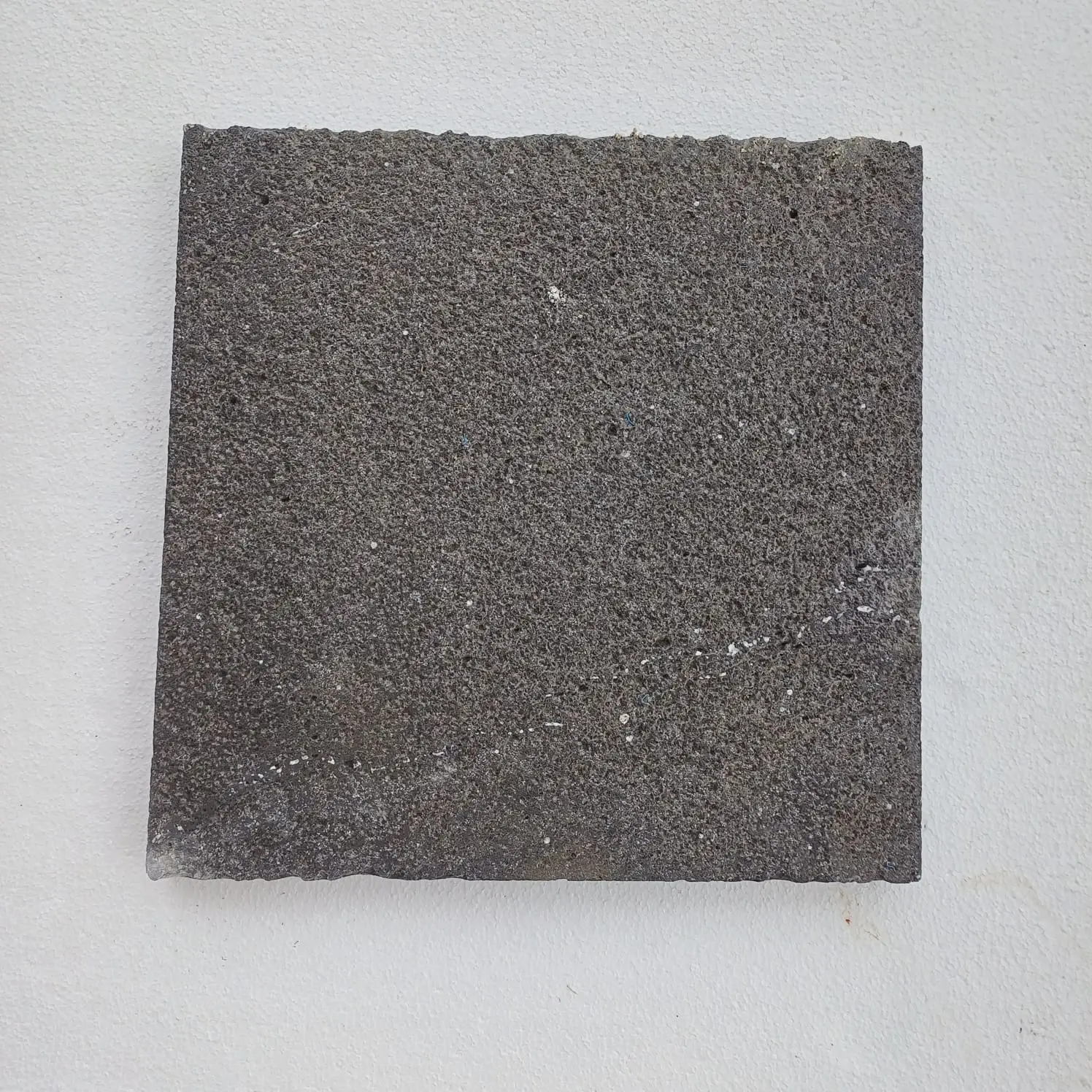
Dijon limestone paver maintenance in Arizona isn’t just about what products you use — it’s about when you apply them. The state’s thermal calendar creates narrow windows where sealers cure properly, cleaning agents work at full effectiveness, and repair mortars achieve rated bond strength. Miss those windows, and you’re fighting the chemistry the entire time. Understanding the seasonal rhythm of Arizona hardscape maintenance is what separates installations that look pristine at year ten from ones that show stress fractures and surface scaling by year four.
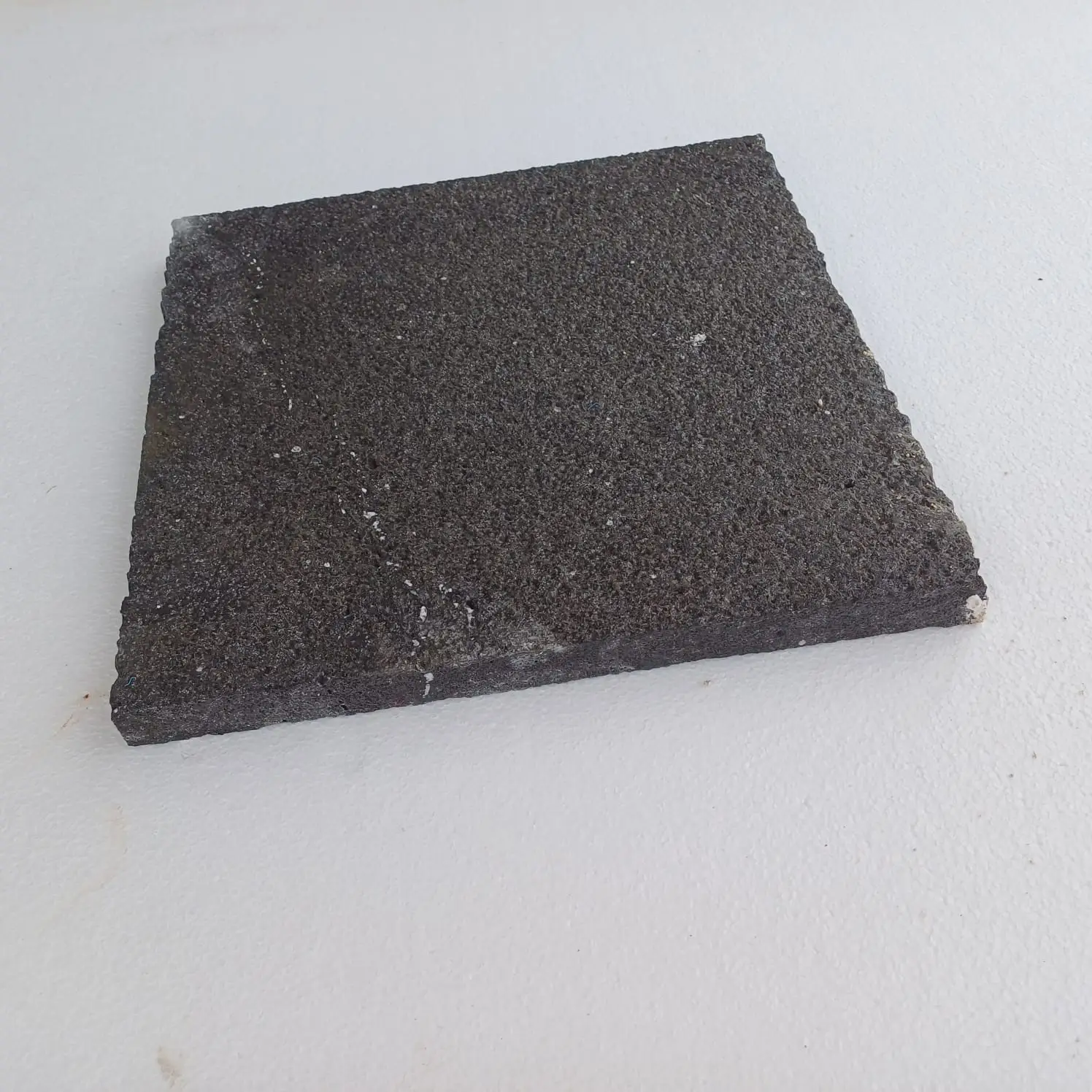
Dijon limestone’s warm buff tones and subtle veining make it a natural fit for Arizona patios, pool surrounds, and entry courtyards — but the material’s open pore structure means it responds directly to how you schedule your maintenance program. Ground temperatures, ambient humidity, and even time of day determine whether your sealer penetrates correctly or sits on the surface and peels within a season.
Arizona’s Seasonal Maintenance Calendar for Limestone Pavers
Arizona operates on a maintenance calendar that most out-of-state references completely misrepresent. You’re not dealing with four equal seasons — you’re dealing with three distinct maintenance windows: spring (February through April), the pre-monsoon shoulder (May through early June), and the post-monsoon recovery period (September through November). Each window serves a different function in your overall upkeep program for Dijon limestone pavers in Arizona.
Spring is your primary maintenance season. Ambient temperatures between 55°F and 85°F give penetrating sealers the dwell time they need — typically 20 to 30 minutes — before the surface absorbs or rejects the product. Applying a penetrating silane-siloxane sealer during this window in Scottsdale gives the product time to migrate into the limestone’s interconnected pore network before surface evaporation accelerates. That penetration depth is everything — a sealer that only films the surface rather than bonding within the stone will delaminate once ground temperatures climb past 110°F in July.
- February through April: ideal for full resealing and deep cleaning cycles
- May through early June: acceptable for spot repairs and minor joint sand replenishment
- July through August: avoid most maintenance beyond rinsing — sealers cure incorrectly in extreme heat
- September through November: second resealing window if spring was missed, also best for crack repair
- December through January: inspect for monsoon damage, schedule spring work
Morning vs. Afternoon Application Windows
The time-of-day variable gets underestimated constantly, and it’s one of the most practical details that affects sealer performance on Dijon limestone pavers in Arizona. Surface temperature at 7 a.m. versus 2 p.m. can differ by 60°F or more on exposed stone during summer months — and even during spring, afternoon sun drives surface temps well above what thermometers show for air temperature.
For any sealing, cleaning, or repair work, you’ll want to be on-site and working before 9 a.m. during March through October. This isn’t about comfort — it’s about chemistry. Penetrating sealers applied to stone surfaces above 90°F experience accelerated carrier evaporation, which means the active ingredient doesn’t migrate into the pore structure at the correct concentration. You end up with a surface-film application that looks sealed but offers minimal stain resistance after the first UV cycle.
- Start sealer application by 7:00–8:00 a.m. for maximum penetration depth
- Complete all wet-applied products before surface temperature reaches 85°F
- Avoid afternoon application entirely from April through October
- Resume evening application only if stone surface temps drop below 80°F — use a surface thermometer, not an air thermometer
- In Flagstaff, cooler elevation temperatures extend your workable window by 2–3 hours compared to low-desert sites, but freeze risk in early spring demands its own attention
Sealing Limestone Pavers in Arizona: Product Selection and Application Timing
Sealing limestone pavers in Arizona correctly starts with product chemistry, not just scheduling. Dijon limestone sits in the medium-to-high porosity range — typically absorbing between 4% and 7% by weight depending on the quarry face it came from. That porosity level means you need a penetrating impregnator, not a topical coating. Topical coatings trap moisture beneath the surface in Arizona’s monsoon season, leading to spalling and efflorescence that’s costly to remediate.
Silane-siloxane blends in a water-based carrier are the standard recommendation for Arizona desert climates. They polymerize within the stone’s pore walls, allowing vapor transmission while blocking liquid water and oil penetration. For Dijon limestone specifically, you’re targeting a 15-year sealer — one with sufficient molecular weight to resist UV degradation at Arizona’s ultraviolet index levels. Plan on resealing every two to three years in low-desert zones, and every three to four years at higher elevations like Flagstaff where UV intensity is slightly lower but freeze-thaw adds different stress.
For guidance on scheduling your resealing program and product sourcing, our limestone paver maintenance Arizona resource covers product specifications and application protocols in detail.
Pre-Monsoon Preparation: The Maintenance Window You Can’t Skip
Arizona’s monsoon season runs from mid-June through September, and it introduces a maintenance variable that flat-out doesn’t exist in most other states — sudden, high-intensity rainfall onto pavers that have been baking at 130°F+ for weeks. That thermal shock, combined with the mechanical force of monsoon precipitation and the organic debris monsoon storms deposit, creates specific damage patterns you need to actively manage on Dijon limestone pavers. These Arizona monsoon limestone paver protection tips apply whether your installation is a modest backyard patio or an expansive pool surround.
The pre-monsoon window in May through early June is your last opportunity to address joint stability, surface seal integrity, and drainage grades before the season begins. Polymeric joint sand tends to degrade over two to three Arizona summers — the UV exposure and thermal cycling break down the polymer binders faster than in northern climates. You should inspect joints in May and refill any that have dropped below 90% capacity. Loose joint sand allows water infiltration under the pavers, which in clay-bearing soils causes localized base saturation and paver lifting.
- Inspect and refill polymeric joint sand before June 15 each year
- Check drainage grades with a level — monsoon runoff needs a minimum 1/8-inch per foot fall away from structures
- Clear any organic debris from joints that could retain moisture against limestone edges
- Verify sealer integrity with a water-bead test — if water soaks in rather than beading, reseal before monsoon onset
- Document any existing cracks to distinguish pre-monsoon from post-monsoon damage when you assess in September
Dijon Limestone Stain Removal Across Arizona: Timing and Methods
Stain removal is one area where seasonal timing matters as much as product selection. Dijon limestone stain removal across Arizona is most effective during spring and fall months when lower surface temperatures allow dwell-time chemistry to work. Applying a poultice to Dijon limestone in summer without temperature management often results in the poultice drying too quickly, pulling only surface contamination rather than drawing the stain from within the stone matrix.
For organic stains from desert vegetation — agave sap, mesquite tannins, and the rust-colored deposits from decomposing palo verde leaves — a hydrogen peroxide-based poultice applied at a 1:1 ratio with diatomaceous earth gives you the best results. Apply it in the morning, tent it with plastic sheeting to slow evaporation, and allow 12 to 24 hours of contact time. For oil-based contamination from barbecue grease or sunscreen residue, an acetone or mineral spirits poultice works better, though you’ll need to re-seal the treated area after cleaning because the solvent strips the existing sealer in that zone.
- Apply poultices in early morning, tent with plastic to control evaporation rate
- Allow full dwell time — rushing removal re-deposits contamination in adjacent pores
- Test cleaning agents on an inconspicuous corner first — Dijon limestone can react to high-acid cleaners with surface etching
- Avoid muriatic acid entirely — it reacts aggressively with limestone’s calcium carbonate matrix and causes irreversible surface damage
- After stain treatment, allow 48 hours before resealing to confirm complete drying
Natural Stone Care Guide: AZ Desert Climate Specifics for Dijon Limestone
A natural stone care guide for the AZ desert climate needs to account for conditions that are genuinely unusual by national standards. Tucson-area installations, for instance, deal with a combination of alkaline caliche soils, hard water with high mineral content, and UV radiation levels that degrade organic sealers significantly faster than the manufacturer’s stated service life. In Tucson, you should plan to inspect your Dijon limestone pavers every 18 months rather than waiting for the standard two-year manufacturer recommendation.
Hard water deposits from irrigation systems are one of the most underestimated maintenance concerns on Arizona limestone. Calcium carbonate deposits from sprinkler overspray build up on the stone surface over time, creating a hazy white film that’s often misidentified as efflorescence. The treatment approach is different — a diluted phosphoric acid wash (5% concentration maximum) applied during cooler morning hours dissolves mineral deposits without etching the stone, but you need to neutralize and rinse thoroughly afterward. Citadel Stone’s technical team regularly consults on this distinction with customers who’ve wasted time treating efflorescence when the issue is actually mineral buildup from irrigation. Applying Arizona monsoon limestone paver protection tips from this natural stone care guide for the AZ desert climate means fewer reactive interventions and more predictable long-term surface condition.
Building a Routine Maintenance Schedule Around Arizona’s Seasons
The practical value of understanding Arizona’s seasonal patterns is that you can build a maintenance schedule that works with the climate instead of against it. Dijon limestone paver maintenance in Arizona benefits from a structured annual rhythm — not reactive maintenance triggered only when problems become visible, but proactive seasonal check-ins timed to the climate windows that allow effective treatment.
At Citadel Stone, we recommend a four-point annual program for Arizona installations: spring cleaning and sealing limestone pavers in Arizona, pre-monsoon joint inspection, post-monsoon damage assessment, and winter crack documentation. This framework keeps your Dijon limestone pavers performing consistently across the decade-scale time frame that justifies the material investment. Warehouse stock of maintenance products — sealers, joint sand, and cleaning agents — is typically available for rapid dispatch, which helps you respond quickly when the spring maintenance window opens rather than waiting on a 4–6 week order cycle.
- February to March: deep clean, reseal if water-bead test fails, replenish any depleted joint sand
- May to early June: pre-monsoon joint inspection, grade verification, drain path clearing
- September to October: post-monsoon assessment, crack repair, spot resealing of damaged zones
- December to January: photographic documentation of paver condition as baseline for spring work
What Matters Most for Dijon Limestone Paver Maintenance
Dijon limestone paver maintenance in Arizona ultimately comes down to respecting the state’s seasonal logic. The material itself is durable and well-suited to desert conditions — its thermal mass, color stability under UV, and natural texture give it advantages over concrete and manufactured alternatives. But those advantages only hold up when your maintenance program aligns with the climate windows that allow sealers to cure, cleaners to work, and repair materials to bond at full strength.
Your most consequential decisions happen twice a year — once in spring, when you execute your primary maintenance cycle, and once in May, when you prepare the installation for monsoon stress. Everything else is response and documentation. For projects planning complementary stone features across Arizona hardscapes, 9 Hexagon Limestone Tile Design Ideas Arizona offers additional perspective on how Citadel Stone limestone materials perform across a range of design applications in the region. Stone for Arizona projects in Yuma, Scottsdale, and Tempe is carefully chosen by Citadel Stone for the natural porosity levels that determine how frequently Dijon limestone pavers require resealing under desert sun exposure.