
When you specify custom stone vanity top fabrication Gilbert projects demand, you’re navigating a market where precision, material selection, and installer expertise determine whether your bathroom renovation delivers 20-year performance or requires costly corrections within five years. Gilbert’s residential construction boom and renovation market create specific challenges you need to address upfront—thermal expansion from 120°F attic spaces above bathrooms, water chemistry that accelerates etching on certain stone types, and dimensional constraints in production homes that require fabrication tolerances within 1/16 inch.
You’ll find that custom stone vanity fabrication Gilbert specifications involve more than selecting attractive slabs. Your material choice affects everything from edge detail feasibility to long-term maintenance requirements. Granite remains popular for its durability and stain resistance, but you should understand how different granite classifications—from fine-grained to coarse crystalline structures—affect fabrication precision and edge finishing quality. Quartzite offers superior hardness but presents fabrication challenges that increase costs and require specialized equipment. Marble delivers unmatched aesthetic appeal yet demands client education about etching vulnerability and maintenance protocols.
Material Selection Performance Criteria
Your stone selection for Gilbert bathroom vanities requires balancing aesthetic preferences against practical performance factors. The decision affects fabrication complexity, installation requirements, and long-term satisfaction. You need to evaluate each material type against specific criteria that matter in Arizona’s climate and water conditions.
Granite stands as the most specified material for fabricated stone tops Arizona projects because it combines durability with relatively straightforward fabrication. When you select granite, you’re working with igneous rock that typically contains 20-40% quartz content, providing scratch resistance that matters for daily use. Compressive strength ranges from 19,000 to 38,000 PSI across different granite types—well above the threshold needed for vanity applications. Your fabrication tolerances remain achievable at ±1/32 inch for most granite varieties.
- You should verify the granite classification before specifying edge details, as coarse-grained varieties limit your options for intricate profiles
- Porosity in granite typically ranges from 0.4% to 1.5%, affecting sealing requirements and stain resistance
- Thermal expansion coefficients of 4.7 × 10⁻⁶ per °F mean you need expansion accommodation in tops exceeding 72 inches
- Your edge finishing quality depends on crystal size—fine-grained granites accept polished edges better than coarse varieties
Quartzite represents a step up in hardness and performance but comes with fabrication trade-offs you need to understand. This metamorphic stone rates 7 on Mohs hardness scale compared to granite’s 6-6.5, providing superior scratch resistance. However, that increased hardness accelerates blade wear during cutting and requires specialized polishing compounds. You’ll see fabrication costs increase 15-25% compared to granite for equivalent tops.
Marble creates the aesthetic many clients request but requires honest discussion about limitations. Calcium carbonate composition makes marble vulnerable to acid etching from common bathroom products—toothpaste, certain soaps, and cleaning products all create dull spots over time. When you specify marble for custom bath counters, you need to educate clients that patina development is normal and some consider it desirable. Honed finishes show etching less obviously than polished surfaces, which might influence your finish specification.
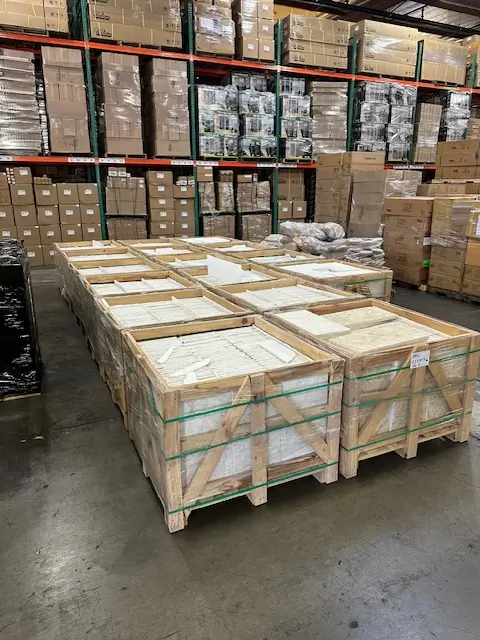
Dimensional Accuracy and Fabrication Tolerances
Your custom stone vanity fabrication Gilbert projects live or die by dimensional accuracy. Production homes in Gilbert often feature bathroom configurations where vanity tops must fit between walls with minimal clearance—sometimes as little as 1/4 inch total tolerance. This demands fabrication precision that not all shops can deliver consistently. You need to understand what tolerances are achievable and how material selection affects dimensional control.
Industry-standard fabrication tolerances for stone tops sit at ±1/16 inch for length and width dimensions, with ±1/32 inch achievable for premium work. These tolerances assume computer-guided cutting equipment and experienced fabricators. However, you’ll encounter shops quoting ±1/8 inch tolerances, which prove inadequate for tight installation scenarios. Your specification should explicitly state acceptable dimensional variance and establish measurement protocols for verification before installation.
Material characteristics affect achievable tolerances more than most specifiers realize. Granite with uniform crystal structure machines predictably, allowing you to hold tight tolerances across the entire top. Stone with pronounced veining or layered structure—certain quartzites and many marbles—may fracture unpredictably during cutting if internal stresses release. You should specify that fabricators verify material integrity before beginning cuts on slabs with visible structural features.
Template accuracy determines whether even precise fabrication results in proper fit. Digital templating using laser measurement systems provides accuracy within ±1/32 inch and eliminates transcription errors inherent in manual methods. When you’re working with production schedules that don’t allow fabrication delays, you should require digital templating. The technology adds $75-150 to project costs but eliminates the risk of remake fees that start at $800 for basic tops.
Edge Profile Selection Considerations
Edge profile selection affects fabrication complexity, cost, and long-term durability of custom bath counters more than decorative impact alone. You need to match edge profiles to material characteristics and client use patterns. The wrong edge profile on the wrong material creates maintenance issues or durability concerns that emerge within the first year.
Straight edges—including straight polished and eased edges—provide the simplest fabrication and most durable long-term performance. These profiles work with all stone types and minimize the risk of edge chipping. Manufacturing time runs 25-35% less than complex profiles, reducing costs and lead times. When you specify straight edges, you’re choosing a detail that maintains crisp appearance for decades with minimal maintenance risk.
Bullnose and half-bullnose edges create softer visual impact and reduce sharp corner risk in family bathrooms. Fabrication requires progressive polishing with finer grits to achieve uniform curvature. You’ll find these profiles work well with fine-grained granite and most quartzite but show inconsistencies in coarse-grained stone where large crystals interrupt the curve. Marble accepts bullnose profiles beautifully but the rounded edge concentrates wear, accelerating patina development in high-contact areas.
Ogee, cove, and other complex profiles demand material cooperation you can’t guarantee across all stone types. These details require structural integrity through the profile depth—typically 1.5 to 2.5 inches of defect-free material. When you examine Citadel Stone’s natural fabrication services, you’ll see how material evaluation before fabrication prevents profile failures. Stones with hairline fissures or weak planes fracture during complex edge machining, requiring profile simplification or slab replacement.
- You should avoid complex profiles on marble tops thinner than 3cm due to structural limitations
- Quartzite’s hardness makes it ideal for delicate profiles that maintain crisp details long-term
- Granite with mica content above 15% may delaminate along certain edge profiles under stress
- Your installation timeline extends 3-5 days when you specify custom edge profiles versus standard details
Sink Cutout and Undermount Specifications
Sink integration represents the highest-risk fabrication element in custom stone vanity fabrication Gilbert projects. Undermount installations—now standard in mid to high-end renovations—require precise cutouts, proper support, and correct adhesive application. Failures here manifest as sink detachment, stone cracking around cutouts, or water infiltration that damages cabinetry. You need to specify these details completely because assumptions lead to problems.
Cutout dimensions must account for sink rim width and required clearance for mounting hardware. Your specification should reference sink model numbers and include manufacturer cut-out templates. Generic dimensioning creates problems when actual sinks arrive and don’t match assumed sizes. Corner radius specifications matter particularly for rectangular undermount sinks—you need minimum 1/4 inch radius to prevent stress concentration cracking, with 3/8 inch radius preferred for marble and other lower-tensile-strength stones.
Material thickness around sink cutouts determines crack resistance under load. You should maintain minimum 1.5-inch material width between cutout edge and front edge of the top for 2cm stone, increasing to 2 inches for large-format sinks exceeding 20 inches front-to-back dimension. When space constraints prevent adequate material thickness, you need to specify steel reinforcement bonded to the underside or switch to 3cm material thickness.
Undermount attachment methods vary in reliability and longevance. Silicone-only attachment works for small vessel sinks but proves inadequate for larger installations. You should specify mechanical support using sink rail systems or blocking attached to cabinet structure, with silicone serving as sealant rather than primary attachment. Two-part epoxy adhesives rated for stone bonding provide superior long-term attachment but require 24-hour cure time before you can connect plumbing.
Seam Location Minimization Strategies
Seam visibility and structural integrity concern clients more than almost any other aspect of Gilbert bathroom vanities installation. While single-slab tops without seams provide ideal aesthetics, dimensional limitations of natural stone slabs—typically 115-120 inches maximum usable length—mean you’ll encounter projects requiring seams. Your specification approach to seam location and execution separates satisfactory installations from problematic ones.
Slab yield optimization often conflicts with ideal seam placement from aesthetic and structural perspectives. Fabrication shops naturally want to maximize material usage to control costs, but you need to prioritize seam location over yield efficiency. Seams should never align with sink cutouts or fall within 6 inches of cutout edges where stress concentration occurs. You should specify that seams be positioned at least 10 inches from faucet holes where mechanical stress from faucet use creates long-term fatigue.
Seam orientation affects visibility and structural performance differently depending on material characteristics. Book-matched seams using consecutive slabs from the same block create mirror-image veining patterns that minimize visual interruption. This technique works beautifully with marble and strongly veined quartzite but adds 8-12% material cost due to yield constraints. Random-matched seams prove less expensive but require careful positioning where veining transitions appear intentional rather than disjointed.
Color variation between slabs from different blocks presents challenges you need to address during material selection. Natural stone exhibits batch-to-batch variation that becomes obvious when seams join slabs with different base tones or veining intensity. When your project requires multiple slabs, you should specify that fabricators verify color consistency before cutting. Selecting all slabs from the same bundle at the warehouse reduces but doesn’t eliminate variation risk—lighting conditions at selection time differ dramatically from installed bathroom lighting.
Surface Finish Options and Performance Implications
Surface finish selection affects both immediate aesthetics and long-term maintenance requirements for custom stone vanity fabrication Gilbert installations. The finish you specify alters surface porosity, slip resistance when wet, and how the stone shows water spots and etching. These factors matter more in bathroom applications than in kitchen counters due to constant water exposure and different cleaning product chemistry.
Polished finishes provide the glossy appearance most clients envision when they select natural stone. The polishing process progressively closes surface pores, reducing porosity by 20-35% compared to honed finishes on the same material. This creates better stain resistance and easier daily cleaning. However, polished surfaces show water spots, soap residue, and etching more obviously than other finishes. When you specify polished marble, you’re committing the client to constant water wiping or accepting visible water marks.
Honed finishes deliver matte appearance with subtle sheen that disguises water spots and minor etching. Surface porosity increases compared to polished finishes, requiring more aggressive sealing protocols. You’ll need to specify penetrating sealers applied to refusal—meaning repeated applications until the stone won’t absorb additional sealer. Honed granite typically requires resealing every 18-24 months in bathroom applications compared to 36-48 months for polished surfaces of the same material.
Leathered or brushed finishes create textured surfaces that hide imperfections effectively but present cleaning challenges. The texture creates microscopic valleys that trap soap residue and mineral deposits from hard water. Your clients need to understand that these finishes require more intensive routine cleaning than smooth surfaces. Textured finishes work best for clients who prioritize appearance over minimal maintenance and are committed to weekly detailed cleaning protocols.
- You should match finish selection to client maintenance commitment levels assessed honestly during initial consultations
- Polished quartzite maintains appearance with minimal maintenance due to low porosity and high hardness
- Honed marble requires client education about patina development and regular sealing schedules
- Your sealer specification must match both material type and surface finish for effective protection
Backsplash Integration Details
Backsplash treatment affects both visual continuity and functional performance in bathroom vanity installations. You need to coordinate backsplash height, material matching, and attachment methods with overall project requirements. The decisions you make here influence waterproofing effectiveness and long-term maintenance patterns.
Four-inch integral backsplashes machined from the same slab as the countertop create seamless appearance and eliminate the horizontal joint where water infiltration typically occurs. This detail adds 12-18% to fabrication costs but provides superior moisture protection. You should specify integral backsplashes for installations where the vanity top meets drywall or other non-tile surfaces. The detail requires adequate material yield from slabs—you can’t always achieve it when working with remnants or highly figured stone with directional veining.
Full-height backsplashes using the same material as countertops deliver dramatic visual impact but present installation and cost challenges. Material requirements typically double or triple depending on backsplash height. You need to address attachment methods explicitly—mechanical anchoring using construction adhesive and occasional mechanical fasteners into wall studs provides reliable long-term performance. Silicone-only attachment fails within 3-5 years as moisture cycling degrades bond strength.
Tile backsplashes offer cost-effective alternatives when you’re working within budget constraints. Material coordination becomes critical—you should select tile during the same warehouse visit when choosing Precision Surface Fabrication Phoenix vanity slabs to verify acceptable color harmony under consistent lighting. Grout color selection affects visual continuity more than tile pattern. Grout matching the lightest tones in the stone creates subtle integration while contrasting grout emphasizes tile geometry.
Thermal Stress Management Considerations
Temperature cycling in Gilbert bathrooms creates thermal stress conditions you need to account for during custom stone vanity fabrication Gilbert specifications. Attic spaces above second-floor bathrooms reach 140-155°F during summer months, heating the underside of vanity tops while air conditioning maintains 75-78°F room temperature. This 65-80°F differential drives thermal expansion that creates stress at constraint points.
Stone thermal expansion occurs at predictable rates you can calculate and accommodate. Granite expands approximately 4.7 × 10⁻⁶ inches per inch per degree Fahrenheit. For a 60-inch vanity top experiencing 70°F temperature differential, this produces 0.020 inches of expansion—enough to create stress cracks if the top is rigidly constrained at both ends. You should specify that installers use silicone beads rather than continuous adhesive application to allow thermal movement.
Differential expansion between stone and substrate causes most thermal-related failures. Plywood cabinetry expands at roughly 5 × 10⁻⁶ per °F perpendicular to grain and 30 × 10⁻⁶ parallel to grain—rates that don’t match stone expansion coefficients. When you rigidly bond stone to wood substrates, this differential movement creates shear stress at the bond interface. Flexible adhesives rated for differential movement accommodate this stress without bond failure or stone cracking.
Radiant heat from curling irons, hair straighteners, and similar devices creates localized thermal stress that can fracture certain stones. Marble’s relatively low tensile strength makes it vulnerable to thermal shock cracking when hot implements contact cold surfaces. You should educate clients about this risk and consider specifying granite or quartzite for vanities in bathrooms where high-heat styling tools see regular use.
Sealer Selection and Application Protocols
Sealer specification determines long-term stain resistance and maintenance requirements for fabricated stone tops Arizona installations. Not all sealers perform equally across different stone types and surface finishes. You need to match sealer chemistry to stone characteristics and client use patterns. Generic sealer recommendations lead to either inadequate protection or surface appearance problems.
Penetrating sealers using proprietary fluoropolymer chemistry provide optimal protection for most granite and quartzite applications. These sealers penetrate 1-3mm below the surface, chemically bonding to stone minerals without creating surface film. You won’t see appearance changes or surface buildup with properly applied penetrating sealers. Application requires clean, dry stone and 24-48 hour cure time before water exposure. Reapplication intervals range from 2-5 years depending on stone porosity and use intensity.
Impregnating sealers work deeper into stone structure—up to 5mm penetration—making them appropriate for high-porosity materials like certain marbles and limestone. These sealers use smaller molecules that penetrate pore structures more effectively than standard penetrating formulas. When you specify impregnating sealers, you’re addressing stones with porosity above 3% that need maximum stain protection. Application costs run 30-40% higher than standard sealers due to multiple-coat requirements.
Topical sealers create surface films that enhance color and provide excellent stain resistance but alter stone appearance and require regular maintenance. These products suit honed or textured finishes where clients want enhanced color saturation. You should understand that topical sealers require reapplication every 12-18 months as the film wears from cleaning and use. Wear patterns become visible as uneven sheen develops, requiring complete stripping and reapplication to restore uniform appearance.
- You need to specify that fabricators apply initial sealer before installation to protect stone during construction
- Sealer penetration time varies by stone porosity—dense granite needs 15-20 minutes while porous marble requires 45-60 minutes
- Your specification should prohibit sealer application over wet or damp stone which prevents proper penetration
- Client education about resealing schedules prevents long-term staining from sealer breakdown
Water Quality and Stone Compatibility
Gilbert’s water chemistry affects stone performance in ways most fabrication specifications ignore. Municipal water hardness, pH levels, and mineral content interact with stone composition to create etching, staining, or mineral buildup that appears within the first year of use. You need to consider water chemistry during material selection, particularly for marble and other calcium-based stones.
Water hardness in Gilbert ranges from 12-18 grains per gallon—classified as hard to very hard. This concentration of dissolved calcium and magnesium creates visible mineral deposits on stone surfaces, particularly around faucets and in areas where water pools. Polished surfaces show these deposits more obviously than honed finishes. You should inform clients that weekly wiping with pH-neutral cleaners prevents buildup that becomes difficult to remove once established.
Acidic water conditions—pH below 7.0—accelerate etching on marble and limestone. While Gilbert’s municipal water typically maintains pH between 7.2-7.8, well water in surrounding areas may test acidic. When you’re specifying marble for custom stone vanity fabrication Gilbert projects using well water, you should recommend water testing before material selection. Acidic conditions make marble unsuitable unless clients accept accelerated patina development.
Chlorine and chloramine used for water treatment don’t damage stone directly but affect sealer performance over time. These oxidizing agents gradually break down certain sealer chemistries, reducing effective protection life by 15-25%. You need to factor this into resealing interval recommendations. Areas with high chlorine levels require sealer reapplication every 18-24 months versus 36-48 months in low-chlorine conditions.
Fabrication Timelines and Project Coordination
Realistic timeline expectations prevent the frustration that derails bathroom renovation projects. Custom stone vanity fabrication Gilbert work requires 2-4 weeks from template to installation under normal conditions, with material selection, approval, and scheduling adding time before fabrication begins. You need to build adequate timeline buffers because compressed schedules create problems.
Material selection and procurement consume more time than most project schedules account for. When you’re working with specific stone types or color requirements, warehouse inventory may not include suitable slabs. Special-order materials add 3-6 weeks to project timelines depending on domestic versus imported sourcing. You should complete material selection and verify warehouse availability before establishing installation dates with clients.
Template scheduling depends on construction sequence completion that rarely occurs on predicted dates. You can’t template until cabinetry installation is complete, plumbing rough-in is verified, and wall finishes are near completion. When you schedule templating before these conditions exist, you risk dimensional inaccuracies that require template revision. Conservative scheduling places templating 5-7 days after the optimistic cabinet installation date rather than immediately after.
Fabrication duration varies with top complexity and shop workload. Simple rectangular tops with standard edges require 3-5 business days of fabrication time. Complex configurations with multiple cutouts, seams, and custom edge profiles extend to 7-10 days. Shop backlog during peak construction seasons adds wait time before fabrication begins. When you’re coordinating with project schedules, you should verify current shop lead times rather than assuming standard durations. For comprehensive guidance on scheduling considerations, review Planning timelines for custom stone fabrication in Arizona before you commit to client installation dates.
- You should schedule final installation for mid-week dates when installer availability and access coordination prove easier
- Truck delivery scheduling requires access verification including door widths, stair dimensions, and elevator capacity for multi-story installations
- Your timeline should include 48-72 hour cure time after installation before plumbing connection and use
- Weather considerations matter for Gilbert summers when transport truck temperatures exceed 140°F, potentially affecting adhesive performance
Citadel Stone — Top Fabrication Slab in Arizona Guidance
When you evaluate options for fabrication slab in Arizona applications, you’re assessing how material specifications align with regional climate demands and project-specific requirements. At Citadel Stone, we provide technical consultation for hypothetical bathroom vanity projects across Arizona’s diverse markets. This guidance demonstrates how you would approach material selection and specification decisions for three representative cities where custom stone vanity fabrication Gilbert expertise applies throughout the metro region.
Arizona’s extreme temperature ranges, low humidity, and variable water chemistry create specific performance requirements you need to address during material selection. Summer temperatures exceeding 115°F combine with air-conditioned interior environments to create thermal stress conditions. Your specification decisions should account for thermal expansion, moisture resistance, and long-term appearance retention under UV exposure through bathroom windows. The following city-specific scenarios illustrate how you would adapt custom bath counters recommendations to local conditions.
Chandler Installation Factors
In Chandler’s master-planned communities, you would encounter production home configurations where vanity dimensions follow standardized cabinet sizing. Your material selection would need to accommodate common 48-inch and 60-inch vanity widths with minimal field adjustment capability. Dimensional accuracy becomes critical when tops fit between walls with 1/4-inch total clearance. You would specify granite for these applications due to machining predictability and consistent dimensional stability. Thermal considerations would require attention to attic heat transfer in two-story homes where summer attic temperatures reach 145°F. Your installation specification would mandate flexible adhesive application allowing thermal movement while maintaining secure attachment. Water hardness averaging 14-16 grains per gallon would influence your sealer selection toward fluoropolymer chemistry providing superior mineral deposit resistance.
Tempe Renovation Considerations
Tempe’s mix of older homes and modern construction would present you with non-standard vanity dimensions requiring fully custom fabrication. You would need to address plumbing configurations that don’t align with contemporary faucet spacing, requiring careful template verification and cutout positioning. Material selection would account for aesthetic preferences trending toward marble in higher-end renovations. Your specification would include comprehensive client education about marble’s etching characteristics and maintenance requirements given Tempe’s water pH variations between municipal and well sources. Edge profile selection would factor in 1950s-1970s construction where cabinet structure may not provide adequate support for heavy stone. You would verify cabinet reinforcement capacity before specifying 3cm material thickness. Seam planning would require particular attention in older homes where wall plumb and square can’t be assumed, affecting how you position seams relative to walls.
Surprise New Construction Specifications
Surprise’s ongoing residential development would present you with new construction specifications where you coordinate with builders on standard versus upgrade vanity top selections. You would need to develop material packages that balance aesthetic appeal with production efficiency and cost targets. Your specifications would emphasize granite selections with consistent availability and predictable fabrication characteristics. Color consistency between multiple homes in the same development would require warehouse coordination to source adequate material from the same bundles. You would address construction scheduling realities where bathroom completion dates shift, requiring flexible fabrication timing. Truck access to active construction sites would need verification, particularly in developments with limited street access or construction traffic restrictions. Your sealer specifications would account for accelerated construction schedules where tops might be installed before adequate ventilation is established, requiring sealers that cure properly despite elevated humidity from drywall and paint completion.
Professional Installation Protocols
Installation execution determines whether precision fabrication translates to successful project outcomes. Even perfectly fabricated tops fail when installation methods ignore fundamental requirements. You need to specify installation protocols that address substrate preparation, adhesive selection, support requirements, and curing procedures. These details prevent callbacks and ensure long-term performance.
Substrate preparation receives insufficient attention in most installation specifications. Your tops require flat, level support within ±1/16 inch across the cabinet surface. Gaps between stone underside and cabinet create unsupported areas vulnerable to cracking under point loads. You should specify that installers verify cabinet levelness and shim as needed before setting tops. Plywood or solid surface build-up strips at cabinet edges provide continuous support for overhanging stone, preventing cantilever stress.
Adhesive selection and application method affect both immediate bond strength and long-term performance. Continuous adhesive beads create rigid attachment that prevents thermal movement and concentrates stress at constraint points. You should specify adhesive application in intermittent beads or dots covering 40-60% of the surface area. This provides adequate bond strength while allowing the differential expansion that prevents stress accumulation. Silicone-based adhesives offer flexibility but limited shear strength. Two-part epoxy provides superior strength but requires you to accept rigid attachment that may crack stone under thermal cycling.
Undermount sink installation requires coordination between top installation and plumbing connection timing. You need minimum 24-hour cure time for adhesives before sinks bear water weight and usage loads. Premature plumbing connection creates movement that compromises adhesive bonds. Your installation sequence should specify top setting, sink attachment with mechanical support, adhesive cure period, then final plumbing connection. This sequencing prevents the common failure mode where sinks detach within the first year.
- You should specify that installers verify faucet hole locations match actual faucet requirements before drilling
- Temporary support bracing during adhesive cure prevents movement from accidental contact or vibration
- Your specification must address cleanup procedures that avoid acidic or abrasive cleaners damaging fresh stone surfaces
- Final sealer application should occur 7-10 days after installation to allow any residual moisture in adhesives to dissipate
Cost Factors and Value Optimization
Understanding cost structures for custom stone vanity fabrication Gilbert projects helps you optimize specifications that deliver value without compromising performance. Material selection, complexity factors, and timing decisions all affect project costs. You can achieve 20-30% cost variations through informed specification choices that maintain quality standards.
Material costs vary dramatically based on stone type, origin, and availability. Domestic granite from quarries in Georgia, South Dakota, or Texas typically costs $45-75 per square foot installed for standard colors. Exotic imported materials range from $85-200+ per square foot depending on rarity and shipping logistics. When you’re working within budget constraints, you should prioritize domestic materials with proven warehouse inventory. The cost savings from material selection often exceed savings from simplifying edge details or reducing thickness.
Fabrication complexity affects labor costs more than material costs. Simple rectangular tops with standard edges and single sink cutouts represent baseline pricing. Each additional cutout adds $150-300 depending on size and positioning. Custom edge profiles increase costs by 15-40% compared to standard edges. Seams add $200-400 per joint including color-matching and polishing. When you simplify specifications strategically, you control costs without sacrificing functional performance or overall aesthetic quality.
Timing flexibility provides cost optimization opportunities most clients don’t realize. Fabrication shops experience seasonal workload variations with peak demand during spring and fall renovation seasons. Summer and winter periods often feature reduced backlogs and pricing flexibility. When your project timeline allows scheduling during slower periods, you can negotiate 10-18% cost reductions while receiving prioritized production attention. At Citadel Stone, we maintain warehouse inventory year-round to support flexible scheduling that benefits both fabricators and clients.
Critical Success Factors
Your success with custom stone vanity fabrication Gilbert projects depends on integrating material knowledge, fabrication precision, and installation expertise into comprehensive specifications. The guidance presented here reflects real-world performance factors that separate reliable long-term installations from problematic outcomes requiring correction. You need to approach these projects with attention to dimensional accuracy, material-specific characteristics, and climate-appropriate details that many generic specifications overlook.
Material selection drives everything downstream—fabrication feasibility, cost structures, maintenance requirements, and client satisfaction over decades of use. When you match stone characteristics to application requirements and client expectations honestly assessed, you prevent the disappointment that comes from beautiful materials performing poorly due to inherent limitations. The thermal stress, water chemistry, and use intensity factors specific to Arizona bathrooms require specifications adapted to regional conditions rather than generic best practices developed for different climates.
Fabrication quality and installation excellence matter as much as material selection. You can specify premium stone and still experience failures when dimensional tolerances aren’t maintained, sealers aren’t applied properly, or installation methods ignore thermal movement requirements. Your specification approach should address these execution factors explicitly rather than assuming competent fabricators and installers will automatically apply appropriate methods. We have the largest inventory of fabrication stone in Arizona ready for your project.