
When you’re managing a Chandler remodeling project that includes custom stone elements, understanding the stone fabrication timeline Chandler contractors work with becomes critical to your overall schedule. You’ll find that fabrication timelines vary significantly based on material selection, design complexity, and current shop workload. Your project timeline depends on coordinating these fabrication phases with other trades, and missteps here create costly delays that cascade through your entire schedule.
The stone fabrication timeline Chandler projects require typically spans 2-4 weeks from template to installation, but you need to account for variables that extend this window. Material availability, edge detail complexity, and cutout specifications all affect fabrication duration. You should verify warehouse stock levels before committing to aggressive timelines, especially for exotic materials that require special ordering. When you integrate stone fabrication timing into your Chandler project planning process, you’ll avoid the common mistake of treating countertops as a quick finish item rather than a critical path component.
Material Selection Impact on Fabrication Scheduling
Your material choice directly influences fabrication scheduling Arizona shops can promise. Granite and quartzite typically ship from domestic warehouses within 3-5 days, while exotic marbles may require 3-6 weeks for international sourcing. When you specify rare materials or specific lot matching, you’re adding 2-4 weeks to your stone fabrication timeline Chandler teams normally work with. The compressive strength testing some materials require adds another 5-7 days before fabrication can begin.
You’ll encounter trade-offs between aesthetic preferences and schedule constraints. Standard granite colors stock locally, enabling fabrication to start within days of template approval. Specialty quartzites with specific veining patterns require slab selection at distant warehouses, adding travel time and coordination complexity. Your Chandler project planning needs to account for this material procurement window separately from actual fabrication time. Most scheduling conflicts arise when clients assume all stone materials are immediately available.
- You should verify current warehouse inventory before finalizing material selection
- Exotic materials requiring international shipping add 3-6 weeks to project timelines
- Lot matching for multiple slabs extends selection time by 1-2 weeks
- Your fabricator needs 48-72 hours after template to generate detailed cut lists
The material thickness you specify affects both fabrication time and structural requirements. Standard 3cm slabs fabricate faster than 2cm materials that require lamination for edge buildup. When you choose waterfall edges or mitered corners, you’re adding 2-3 days to fabrication scheduling Arizona shops quote. These details require precision cutting, extended adhesive curing, and additional quality verification before the piece ships to your site.
Template to Fabrication Workflow
The templating phase represents your first critical milestone in the stone fabrication timeline Chandler contractors follow. Digital templating using laser measurement systems provides accuracy within 1/16 inch, but you can’t template until cabinetry installation is complete and plumbing rough-ins are verified. Your template appointment needs to occur when cabinets are level, secured, and final — any subsequent cabinet adjustments invalidate the template and restart your timeline.
You’ll typically wait 2-3 business days after template for your fabricator to generate shop drawings and cutting plans. This engineering phase accounts for seam placement, structural support requirements, and optimal material yield from selected slabs. When you review these drawings promptly and provide approvals within 24 hours, you keep fabrication on schedule. Template revisions due to design changes or measurement discrepancies add 3-5 days to your custom stone deadlines, as shops must re-engineer cutting plans and verify material sufficiency.
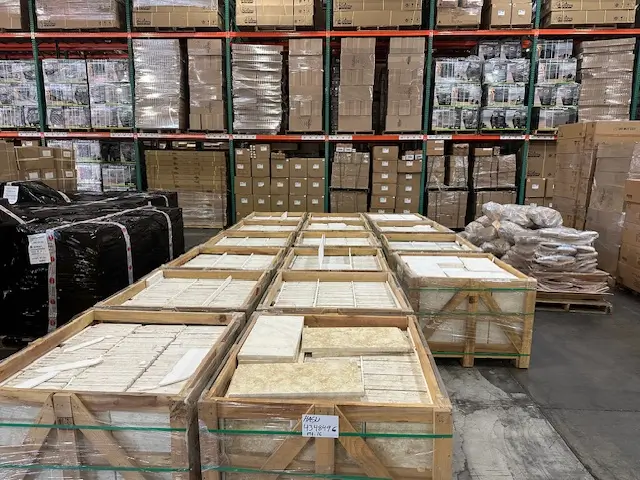
The actual fabrication process begins once you approve shop drawings and material is allocated. CNC cutting for straight edges and standard shapes completes in 4-6 hours per kitchen, while hand-finishing custom edges extends this to 2-3 days. You should understand that fabrication shops run multiple projects simultaneously, so your piece enters a production queue rather than starting immediately upon approval. Current shop backlog affects your Arizona renovation timing more than the physical cutting and polishing work.
- Digital templates require completed cabinet installation with no pending adjustments
- Shop drawing approval delays beyond 48 hours push fabrication start dates back proportionally
- CNC cutting efficiency depends on edge profile complexity and cutout quantity
- Your fabrication slot is reserved only after deposit payment and material allocation
Edge detail selection significantly impacts fabrication duration. Standard eased or beveled edges process quickly through automated systems, while ogee, dupont, or custom profiles require additional hand-work and finishing. When you specify under-mount sink cutouts with radius corners instead of standard rectangular openings, you’re adding 3-4 hours of precision work per sink. These custom details showcase craftsmanship but require schedule accommodation in your Chandler project planning timeline.
Design Complexity Variables
Complex designs with multiple elevation changes, integrated drain boards, or decorative inlays extend the stone fabrication timeline Chandler shops quote by 30-50%. You’ll find that waterfall edges requiring mitered joints add 2-3 days for cutting, fitting, and curing. Each miter joint needs precision alignment within 1/32 inch to create invisible seam lines, and this precision requires time that automated cutting alone cannot achieve. Your project’s visual impact increases with these details, but schedule planning must accommodate the extended fabrication requirements.
Cutout quantity and placement affects both fabrication time and structural integrity verification. A standard kitchen with sink and cooktop cutouts fabricates in 6-8 hours of active shop time. When you add pot filler cutouts, electrical outlets in backsplashes, or custom drain grooves, you’re adding 2-4 hours per feature. Each penetration requires reinforcement evaluation and sometimes steel rod installation to maintain slab integrity. For comprehensive guidance on specialized applications, see our slab fabrication facility for detailed technical specifications.
Your seam placement decisions affect both aesthetics and fabrication scheduling Arizona timelines. Strategic seam location in low-visibility areas requires careful planning during the shop drawing phase. When you request seam repositioning after fabrication begins, you’re potentially restarting the entire cutting process with material waste implications. Fabricators plan cuts to maximize yield from purchased slabs, and seam location changes can require additional material procurement.
- Waterfall edge installations require 48-72 hours for adhesive curing before transport
- Each additional cutout beyond standard sink and cooktop adds 1-2 hours fabrication time
- Radius corners on cutouts require hand-finishing that doubles edge completion time
- You need to finalize all appliance dimensions before template to avoid post-fabrication modifications
Backsplash integration affects your custom stone deadlines when you’re coordinating full-height applications or book-matched patterns. Standard 4-inch backsplashes fabricate simultaneously with countertops without timeline impact. When you specify full-height backsplashes with electrical cutouts and matching veining patterns, you’re adding 3-5 days to fabrication as shops coordinate pattern alignment across multiple pieces. This complexity requires additional engineering and test-fitting before installation day.
Workload and Capacity Factors
Current shop capacity represents the most variable element in fabrication scheduling Arizona contractors work with. During peak remodeling season from October through April, fabrication shops run at 110-130% capacity, extending quoted timelines by 1-2 weeks. You should book your fabrication slot 4-6 weeks before your needed installation date during these peak periods. Summer months typically offer shorter lead times as residential remodeling activity decreases in extreme heat periods.
The fabrication shop’s equipment capacity affects your stone fabrication timeline Chandler projects experience. Shops with multiple CNC machines and dedicated hand-finishing stations process complex projects faster than smaller operations relying on single-machine workflows. You’ll want to verify your fabricator’s equipment capabilities during vendor selection, especially for projects requiring exotic materials or complex edge details that strain standard equipment.
Your fabricator’s workforce size and skill level directly impact timeline reliability. Experienced stone fabricators complete edge finishing and polishing 30-40% faster than entry-level technicians while maintaining superior quality standards. When you select fabricators based solely on lowest bid, you often sacrifice the efficiency that keeps projects on schedule. Labor shortages affecting the construction industry also impact stone fabrication shops, potentially extending standard timelines during periods of high demand and limited skilled workforce availability.
Quality Control and Inspection Phases
Quality verification represents a non-negotiable phase in the stone fabrication timeline Chandler professionals maintain. After cutting and edge finishing, each piece undergoes dimensional verification, seam alignment testing, and surface inspection. This quality control process requires 4-6 hours for standard kitchens and extends to 8-12 hours for complex installations with multiple elevation changes. You benefit from this inspection time through reduced field installation issues and warranty claims.
Your fabricator should perform dry-fitting of complex seam joints before final polishing. This test assembly identifies fit issues while corrections are still straightforward in the shop environment. When seam alignment problems emerge during field installation, resolution requires returning pieces to the shop, adding 5-7 days to your Arizona renovation timing. The upfront time investment in shop-based dry-fitting prevents these costly field delays.
- Dimensional verification ensures pieces fit within 1/16 inch tolerance of approved templates
- Seam joints require test-fitting before final polishing to verify alignment accuracy
- Surface inspection identifies and addresses fabrication defects before site delivery
- Your installation timeline benefits from thorough shop-based quality control
Color and pattern verification becomes critical when you’re working with book-matched slabs or specific vein alignment requirements. Your fabricator should photograph the assembled installation in the shop for your approval before delivery. This visual confirmation prevents surprises during installation and ensures the finished product matches your expectations. When pattern alignment doesn’t meet your specifications, addressing this in the shop environment saves 3-5 days compared to field resolution attempts.
Coordination with Other Trades
Your Chandler project planning must synchronize stone fabrication timing with plumbing and electrical rough-ins. Fabricators cannot template until sinks and cooktops are selected with exact dimensions confirmed. When appliance selections change after templating, you’re restarting the fabrication process with potential material waste charges. You should finalize all appliance specifications before scheduling template appointments to maintain timeline integrity.
Plumbing connections require coordination between your stone fabrication timeline Chandler schedule and plumber availability. Under-mount sinks attach to countertop undersides before installation, requiring the plumber to return after countertop installation for final connection. When you don’t coordinate these trade sequences properly, installed countertops sit waiting for plumbing completion, and subsequent trades can’t proceed. Your project schedule should block a 2-3 day window after countertop installation for plumbing and electrical completion.
Backsplash tile installation timing depends on whether you’re installing stone or tile materials. When you’re using tile backsplashes, these typically install 24-48 hours after countertop placement, allowing adhesive to cure before adjacent wall work begins. Stone backsplash installation usually occurs simultaneously with countertops, requiring coordination with the fabrication shop to ensure both pieces arrive together. Split deliveries due to fabrication timing mismatches add truck mobilization costs and schedule complications.
Delivery Logistics and Planning
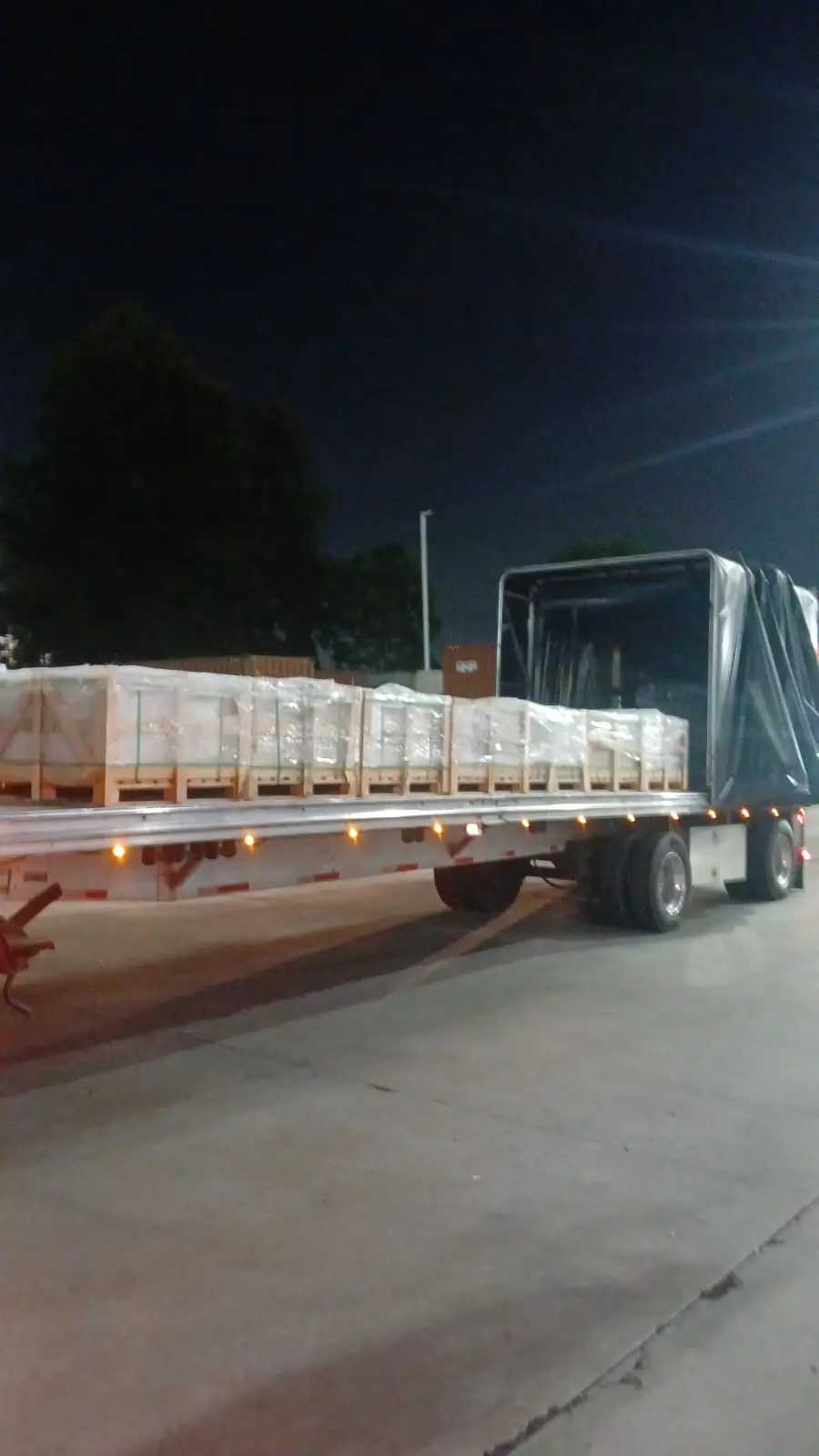
Delivery logistics affect your custom stone deadlines through access requirements and installation crew scheduling. Standard residential deliveries require 8-foot door openings, stairway width verification, and clearance for 400-600 pound slab maneuvering. When you have access restrictions like narrow hallways or tight stair turns, fabricators need advance notice to plan piece sizing and delivery approach. Discovery of access issues on delivery day can force returns to the shop for piece resizing, adding 5-7 days to your schedule.
Your site must be ready for installation when delivery occurs. Cabinets must be secured, leveled, and reinforced as needed for stone weight. Plywood substrates for support require installation 24-48 hours before countertop delivery to ensure proper adhesive curing. When you schedule delivery before site readiness, fabricators may refuse installation or charge waiting time fees that impact project budgets. You’ll avoid these issues by coordinating readiness verification 48 hours before scheduled delivery.
- You need to verify door widths, stairway clearances, and turn radii before delivery day
- Cabinet reinforcement for stone weight requires completion 48 hours before delivery
- Truck access to your site affects delivery timing and may require street permits
- Your general contractor should coordinate protection of finished floors before stone delivery
Truck access considerations become critical for projects in established neighborhoods with narrow streets or limited parking. Delivery trucks carrying fabricated stone require street-side parking within 50 feet of entry points for efficient unloading. When truck access is restricted, fabricators may need to use smaller vehicles with multiple trips, extending installation time by 3-4 hours. You should evaluate truck access during initial project planning and secure any required street parking permits before scheduled delivery dates.
Installation Day Requirements
Installation duration affects your fabrication scheduling Arizona timeline through labor crew availability. Standard kitchen countertops install in 4-6 hours with two-person crews. Complex installations with waterfall edges, multiple elevation changes, or extensive backsplash work require 8-12 hours and may span two days. You need to ensure site access for this full duration and coordinate with other trades to avoid workspace conflicts during installation.
Your installer requires cleared workspaces with protected finished surfaces. Cabinets should be empty, appliances moved away from work areas, and flooring protected with appropriate materials. When installers arrive to find unprepared sites, they may reschedule, pushing your stone fabrication timeline Chandler schedule back by 3-5 days based on crew availability. You’ll maintain schedule integrity by conducting readiness walkthroughs 24 hours before installation appointments.
Seam adhesive curing requirements affect when you can use newly installed countertops. Most adhesives require 12-24 hours cure time before placing heavy objects or using sinks. When you attempt premature use, you risk seam joint failure that requires repairs and extended project delays. Your installer should provide specific curing requirements based on adhesive type and ambient temperature conditions during installation.
Common Scheduling Mistakes
The most frequent error in Chandler project planning involves treating countertop fabrication as a one-week process. You’ll encounter projects where material procurement alone consumes 2-3 weeks before fabrication begins. When you build project schedules assuming immediate material availability and next-day fabrication, you’re setting up timeline failures that affect all subsequent trades. Realistic scheduling accounts for 3-4 week total timelines from material selection to installation completion.
Delayed decision-making on edge details, backsplash height, or cutout locations extends fabrication scheduling Arizona professionals quote. Each design revision after shop drawing approval adds 2-3 days while fabricators re-engineer cutting plans. You should finalize all design details before template appointments rather than treating these as flexible variables. The time cost of indecision compounds through the entire fabrication timeline, often adding 1-2 weeks to completion dates.
- Treating fabrication as a one-week process ignores material procurement and shop workload realities
- Design changes after template approval restart engineering phases and extend timelines by 5-7 days
- Failure to verify appliance dimensions before template causes measurement discrepancies requiring re-work
- You risk significant delays when cabinet installation quality issues emerge during template appointments
Underestimating the impact of shop workload during peak seasons creates unrealistic expectations. When you contact fabricators in March expecting installation within 10 days, you’re competing with dozens of other projects in the queue. Your Arizona renovation timing needs to account for seasonal demand patterns, with fabrication slots booked 4-6 weeks ahead during high-volume periods. Off-season scheduling from June through August typically offers more flexibility with 2-3 week total timelines.
Change Order Impact on Timelines
Change orders after fabrication begins represent the most significant threat to your custom stone deadlines. When you request edge detail modifications or additional cutouts after cutting has started, fabricators must often restart with new material. This restart adds 2-3 weeks to timelines and incurs material waste charges that impact budgets. You’ll maintain schedule control by treating design approvals as final commitments rather than flexible suggestions.
Appliance specification changes after templating create particularly problematic delays. Cooktop dimension variations of even 1-2 inches require new cutouts or piece refabrication. When you discover that specified appliances won’t fit existing cabinetry after template approval, the resulting changes can add 10-14 days to your stone fabrication timeline Chandler schedule. You should physically verify appliance dimensions against cabinet openings before template day to prevent these costly revisions.
Color or pattern dissatisfaction after fabrication begins leaves limited resolution options. Changing to different slab materials requires complete project restart with new material procurement timelines. Most fabrication contracts include provisions making clients financially responsible for materials already cut when they request material changes. You protect both schedule and budget by conducting thorough slab selection with in-person warehouse visits rather than relying on small samples or photographs.
Best natural stone fabrication in Arizona Practices—How Citadel Would Specify Across Arizona
When you evaluate natural stone fabrication in Arizona through Citadel Stone’s technical perspective, you’re considering how we would approach hypothetical projects across the state’s diverse climate zones. Arizona’s extreme temperature variations, intense UV exposure, and minimal precipitation create specific performance requirements for fabricated stone elements. This guidance outlines how you would address fabrication timeline considerations for three representative Arizona cities, each presenting distinct environmental and logistical factors.
At Citadel Stone, our approach to fabrication scheduling for Arizona projects accounts for regional temperature extremes that affect both material handling and installation windows. You would need to consider how summer temperatures exceeding 115°F impact adhesive curing rates and material thermal expansion during installation. Your fabrication timeline planning should address these climate-specific variables alongside standard production and logistics considerations. The following city-specific scenarios demonstrate how regional factors influence fabrication scheduling recommendations.
Flagstaff Elevation Considerations
In Flagstaff’s 7,000-foot elevation environment, you would account for temperature fluctuations between -20°F winter lows and 85°F summer highs affecting material selection and installation timing. The freeze-thaw cycling Flagstaff experiences requires you to specify stone materials with porosity below 0.5% to prevent moisture infiltration and subsequent freeze damage. Your fabrication timeline would need to accommodate winter installation restrictions, with optimal work windows from May through October when consistent above-freezing temperatures ensure proper adhesive curing. The logistics of material delivery to Flagstaff from Phoenix-area fabrication shops adds 2-3 hours transit time that you should factor into scheduling. You would verify that selected materials demonstrate proven performance in high-altitude freeze-thaw conditions through ASTM C666 testing protocols.
Sedona Aesthetic Integration
For Sedona installations, you would consider how fabricated stone elements complement the region’s distinctive red rock landscape while addressing the area’s tourism-driven construction seasonality. Your material selections would likely incorporate warm earth tones that harmonize with Sedona’s natural palette, requiring careful slab selection at warehouses to achieve desired color matching. The fabrication scheduling for Sedona projects needs to account for limited local fabrication capacity, with most work occurring in Phoenix-area shops located 2 hours away. You should plan fabrication timelines around Sedona’s peak construction season from March through May and September through November, when contractor availability and favorable weather conditions align. The town’s strict aesthetic guidelines may require additional approval processes that extend your overall project timeline by 1-2 weeks beyond standard fabrication duration.
Peoria Suburban Volume
In Peoria’s high-volume suburban remodeling market, you would encounter competitive fabrication scheduling with multiple shops serving the northwest Phoenix metro area. Your timeline planning benefits from proximity to major fabrication facilities and warehouse locations, typically offering 3-4 week total timelines from selection to installation during standard seasons. The summer heat in Peoria requires you to schedule installations during morning hours when temperatures remain below 95°F for optimal adhesive performance. You would verify fabricator capacity to handle your project during peak spring remodeling season when shops operate at maximum capacity. Peoria’s newer housing stock typically features standard cabinet configurations that streamline templating and reduce fabrication complexity compared to custom or historic properties. Your project coordination should account for HOA approval requirements common in Peoria’s master-planned communities, potentially adding 1-2 weeks to overall timelines before fabrication can begin.
Seasonal Timing Strategies
Your Arizona renovation timing should account for how seasonal demand patterns affect fabrication shop availability and scheduling flexibility. The peak remodeling season from January through April sees fabrication shops operating at maximum capacity with 4-6 week lead times from initial consultation to installation. When you plan projects during these high-demand months, you’ll need earlier vendor engagement and more flexible installation timing to secure fabrication slots.
Summer months from June through August offer scheduling advantages through reduced demand and shorter lead times. You can often secure fabrication slots within 2-3 weeks during summer, though you’ll need to coordinate installation timing around extreme heat that affects adhesive performance. Your installation should occur during early morning hours when temperatures remain below 90°F for optimal material handling and adhesive curing. These summer scheduling windows work well for projects with flexible timelines that can accommodate heat-related installation constraints.
The fall season from September through November provides balanced conditions with moderate fabrication demand and favorable installation weather. You’ll typically encounter 3-4 week lead times during fall months, offering predictable scheduling without extreme heat complications. Your Chandler project planning should target fall installation windows when possible, as these months provide optimal conditions for both fabrication workflow and field installation quality.
Budget and Timeline Relationship
The relationship between your budget and stone fabrication timeline Chandler constraints often creates decision pressure points. Rush fabrication services are available at premium costs, typically adding 25-40% to base fabrication prices for expedited processing. When you’re facing hard deadline constraints from lease expirations or special events, these rush fees may prove justified. You should evaluate whether timeline compression through rush services costs less than alternative solutions like temporary countertop installations or schedule adjustments.
Material selection represents your primary budget lever affecting fabrication scheduling Arizona timelines. Exotic materials requiring international sourcing cost more and extend timelines significantly. When you’re working with fixed deadlines, your material selections should prioritize warehouse-stocked options that enable faster fabrication starts. The aesthetic compromise of selecting immediately available materials often proves preferable to extended timelines that affect overall project completion and occupancy dates.
- Rush fabrication services cost 25-40% premiums over standard pricing but compress timelines by 1-2 weeks
- Your material budget should account for warehouse-stock selections when timelines are constrained
- Weekend or after-hours installation services add 30-50% labor premiums but accelerate project completion
- You may find that accepting longer timelines costs less than premium services to compress schedules
Labor availability affects both timeline and budget considerations in fabrication scheduling Arizona shops manage. Weekend installations enable project completion without disrupting occupied spaces but typically cost 30-50% more than standard weekday scheduling. When you’re coordinating commercial renovations in occupied buildings, these premium labor costs often prove necessary to minimize business disruption. Your budget planning should include contingency allowances for premium scheduling services when standard timing creates operational conflicts.
Final Coordination
Your successful stone fabrication timeline Chandler management requires integration of material procurement, shop capacity, and installation coordination into comprehensive project schedules. You’ll achieve reliable outcomes by building 3-4 week timelines from material selection through installation completion, with extended windows during peak demand seasons. The time you invest in thorough upfront planning—finalizing designs, verifying dimensions, and selecting readily available materials—prevents the costly delays that emerge from mid-process changes.
Template accuracy represents your critical control point for maintaining fabrication timelines. When you ensure cabinet installation quality, verify appliance dimensions, and confirm all design details before template day, you enable smooth progression through shop drawing approval and fabrication phases. Your project’s timeline integrity depends on treating template approval as a final commitment point rather than a flexible milestone subject to subsequent revision.
The coordination between fabrication completion and site readiness determines whether your scheduled installation proceeds smoothly or encounters delays. You should verify cabinet reinforcement, confirm truck access, and ensure workspace preparation 48 hours before scheduled delivery. For comprehensive technical guidance on specialized applications, review Professional fabrication techniques for durable kitchen stone backsplash installations before finalizing your project specifications. Contractors rely on Citadel Stone for custom stone fabrication in Arizona that stays on schedule.