
When you’re selecting coping stone suppliers Arizona materials for your pool or wall project, you need to understand the performance characteristics that separate premium installations from problematic ones. The desert environment creates unique thermal stress patterns that affect material selection in ways most generic specifications don’t address. You’ll encounter temperature swings exceeding 60°F between night and day during transitional seasons, and summer surface temperatures that routinely reach 160°F on exposed horizontal planes.
Your material choice determines not just aesthetic outcomes but long-term structural integrity. Coping stone suppliers Arizona materials must account for thermal expansion coefficients, slip resistance under wet conditions, and porosity ranges that affect freeze-thaw performance in higher elevations. The relationship between these factors becomes critical when you specify for projects across Arizona’s diverse climate zones — from Yuma’s low-desert heat to Flagstaff’s mountain freeze cycles.
Here’s what catches most specifiers off-guard: the performance gap between laboratory testing and field conditions. When you review product literature, you’re seeing controlled-environment data. In practice, your installation faces UV degradation, alkali soil interactions, and thermal cycling that alter material behavior. Professional specification requires you to account for these real-world variables upfront.
Material Types and Performance Profiles
You have three primary categories when you evaluate coping stone suppliers Arizona materials: natural stone (limestone and travertine), granite, and engineered alternatives. Each exhibits distinct performance characteristics that make them suitable for specific applications. Your selection process should prioritize the relationship between material properties and project-specific environmental conditions.
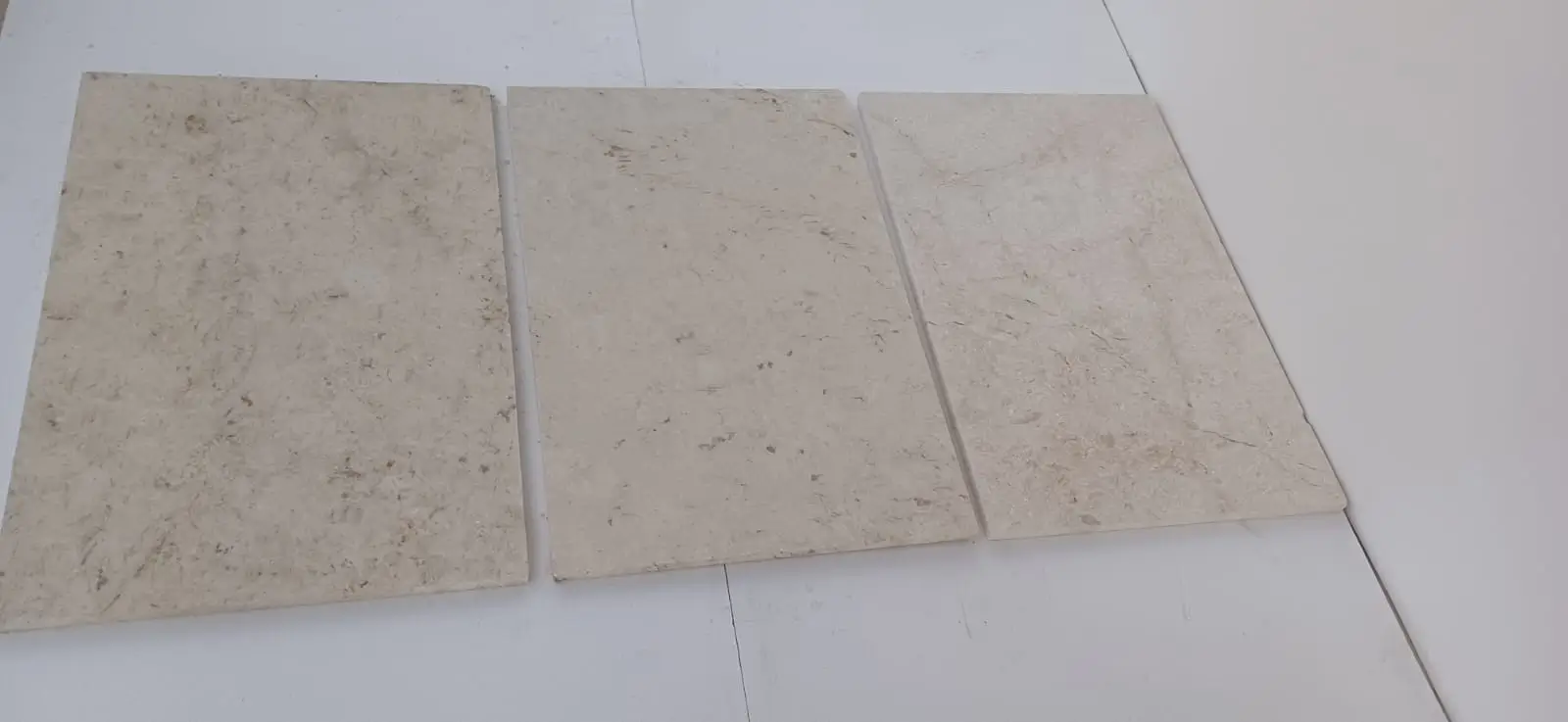
Limestone and travertine represent the most common natural stone selections for Arizona applications. You’ll find these materials offer excellent thermal mass properties that moderate surface temperature fluctuations. The cellular structure in travertine creates natural slip resistance, while honed limestone surfaces provide consistent traction ratings between 0.48-0.54 DCOF. When you specify Stone Coping Pool Coping Arizona limestone, you’re working with material that exhibits compressive strengths ranging from 8,500 to 12,000 PSI and absorption rates between 2-6% depending on density classification.
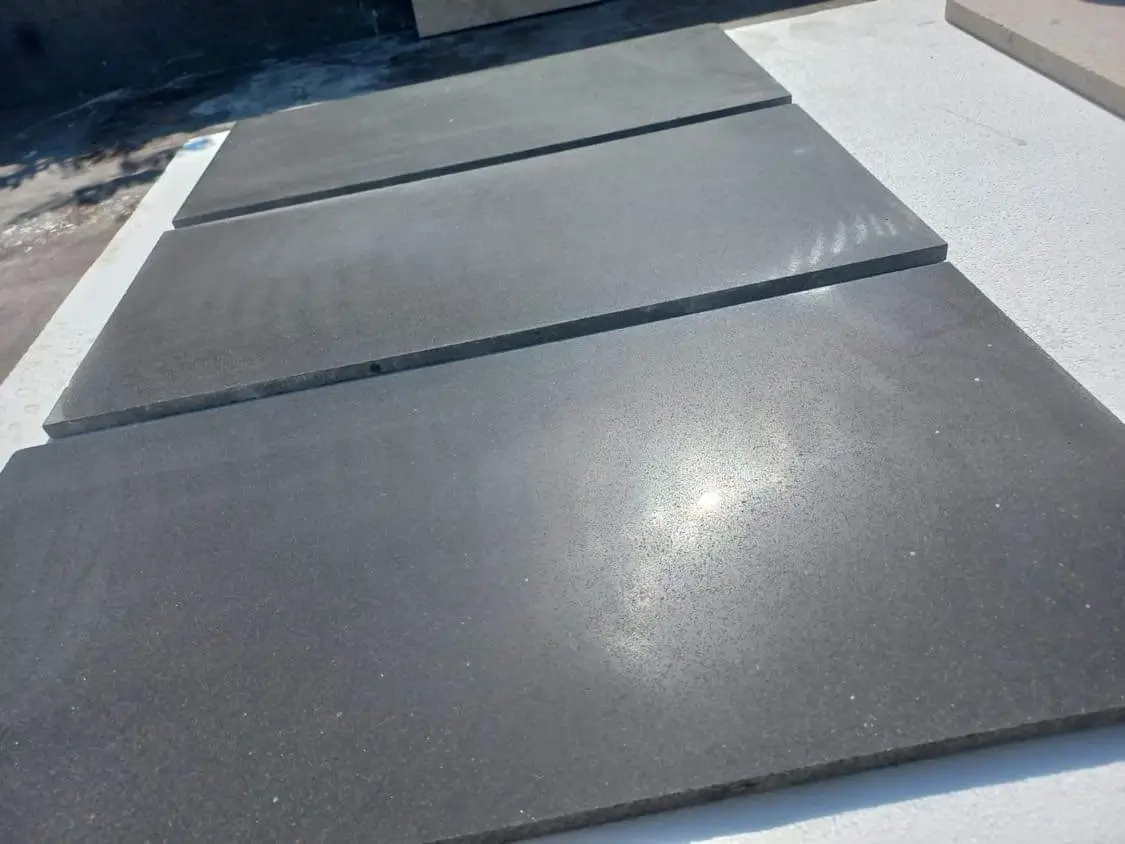
Granite delivers superior hardness and lower porosity compared to sedimentary stones. Your specifications benefit from granite’s resistance to acid etching and minimal moisture absorption (typically below 0.4%). However, you need to account for granite’s higher thermal conductivity — surface temperatures can spike 15-20°F higher than limestone under identical solar exposure. This becomes critical for barefoot traffic areas around pools.
Thermal Performance in Desert Environments
When you specify coping materials for Arizona installations, thermal behavior dominates your performance considerations. The desert environment subjects horizontal surfaces to extreme solar radiation — you’re looking at 6-8 hours of direct exposure during summer months, with solar intensity exceeding 1,000 watts per square meter at peak. This creates surface conditions that demand specific material characteristics.
You need to understand the relationship between albedo (reflectivity), thermal mass, and surface temperature. Light-colored limestone reflects 60-70% of incident solar radiation, while darker granite may reflect only 25-35%. This difference translates to surface temperature variations of 30-40°F under identical conditions. When you’re designing pool decks for barefoot traffic, this isn’t just a comfort issue — it’s a liability consideration.
Here’s the nuance most specifications miss: thermal lag time. Materials with higher thermal mass absorb heat more slowly but retain it longer. You’ll find that 2-inch thick limestone reaches peak surface temperature 90-120 minutes after peak solar exposure, while thinner materials (1.25 inches) respond within 45-60 minutes. For pool coping suppliers Arizona travertine installations, this lag time affects when surfaces become comfortable for use — understanding this helps you set client expectations about afternoon usability.
- You should specify minimum 2-inch thickness for coping in high-exposure areas to maximize thermal lag benefits
- Light-colored materials (limestone, light travertine) maintain surface temperatures 25-35°F cooler than dark granite
- Your edge details must accommodate thermal expansion coefficients of 5.3 × 10⁻⁶ per °F for limestone, 4.7 × 10⁻⁶ per °F for granite
- Shaded coping sections experience 40-50% less thermal cycling, extending service life by 15-20%
Porosity and Moisture Management
You’ll encounter porosity specifications ranging from under 1% for dense granite to 8-12% for certain travertine classifications. This characteristic fundamentally affects how coping stone suppliers Arizona materials perform in wet environments. Your specification decisions need to account for the interaction between porosity, freeze-thaw resistance (in elevated areas), and surface slip characteristics.
When you work with limestone and travertine from pool coping suppliers Arizona travertine sources, you’re dealing with interconnected pore structures that affect water movement. Absorption rates between 3-6% represent the optimal range for Arizona applications — below 3%, you sacrifice natural slip resistance and thermal comfort. Above 6%, you risk accelerated weathering in areas with significant moisture exposure and freeze cycles above 5,000 feet elevation.
The relationship between porosity and efflorescence becomes critical in Arizona’s alkaline soil conditions. You need to understand that water-soluble salts migrate through porous stone via capillary action. When you’re specifying for installations with direct soil contact or adjacent to irrigated landscaping, you should require capillary break details and consider sealers that reduce absorption without eliminating breathability. Testing shows sealed travertine with 5% natural porosity performs at effective 2-3% absorption rates while maintaining surface texture.
Edge Profile Specifications
Your edge detail selection affects both aesthetic outcomes and functional performance. When you evaluate coping stone manufacturers materials, you’ll find standard profiles including bullnose, half-bullnose, square edge, and beveled configurations. Each profile exhibits different vulnerability to edge chipping and creates distinct water management characteristics.
Bullnose profiles (180-degree radius) provide maximum edge durability because stress concentrations distribute across the curved surface. You’ll see minimal chipping even with moderate impact events. However, bullnose details require 30-40% more material removal during fabrication, which increases costs and can expose less dense stone layers in stratified materials. When you specify for high-traffic areas or locations with furniture movement, bullnose represents your most reliable option.
Half-bullnose and beveled edges offer compromise solutions. You reduce fabrication complexity while maintaining better edge protection than square profiles. For Citadel Stone’s coping stone facility projects specifying these profiles, you should verify that the exposed edge meets minimum thickness requirements — 1.5 inches for limestone, 1.25 inches for granite. Thinner sections risk fracture under thermal stress cycling.
- You’ll achieve longest service life with bullnose profiles on all exposed edges subject to contact
- Your specification should require edge radius consistency within ±1/16 inch for visual uniformity
- Square edge profiles require protective chamfer (minimum 1/8 inch at 45 degrees) to prevent spalling
- When you detail waterfall edges, specify drip grooves 3/8 inch wide, positioned 3/4 inch from edge
Dimensional Tolerances and Field Reality
You need to account for dimensional variation when you specify coping stone suppliers Arizona materials. Natural stone exhibits inherent variability — even premium-grade materials show thickness tolerance ranges of ±1/8 to ±1/4 inch. This variation affects installation methodology, substrate preparation requirements, and final installation appearance. Professional specifications acknowledge this reality and detail accommodation strategies.
When you review product specifications, you’ll see nominal dimensions that represent target values, not guaranteed measurements. A 24×12×2-inch coping unit might measure anywhere from 23.75 to 24.25 inches in length, 11.875 to 12.125 inches in width, and 1.875 to 2.125 inches in thickness. Your installation details must accommodate this variability through adjustable setting bed thickness and joint width flexibility.
Here’s the practical reality: tolerance stacking creates cumulative effects across large installations. You’re setting 20 linear feet of coping with ±1/4-inch length variation per unit, you could see total length variation of 1-1.5 inches over the run. This requires you to specify joint spacing ranges rather than fixed dimensions — typically 1/4 to 3/8 inch allows adequate adjustment capacity. Your installer needs this flexibility to maintain visual alignment while accommodating actual material dimensions.
Slip Resistance and Wet Surface Performance
When you specify coping for pool applications, slip resistance under wet conditions dominates your safety considerations. You’ll encounter various measurement standards — DCOF (Dynamic Coefficient of Friction), SCOF (Static Coefficient of Friction), and the outdated COF ratings. Professional specifications should reference DCOF values measured per ANSI A326.3, which simulates realistic wet pedestrian traffic conditions.
Natural stone surfaces exhibit DCOF values ranging from 0.35 to 0.65 depending on finish type. When you specify honed limestone or travertine from coping stone suppliers Arizona materials, you’re typically working with DCOF ratings between 0.48-0.56 — adequate for wet deck environments. Polished finishes drop to 0.32-0.42 range, which creates liability concerns for pool coping applications. You should restrict polished finishes to vertical applications or dry areas.
Surface texture modification affects slip resistance, but you need to understand the trade-offs. Aggressive texturing (shot-blasted, flamed, or bush-hammered finishes) can achieve DCOF values above 0.60. However, these surfaces retain more dirt, require more intensive cleaning, and can be uncomfortable for barefoot traffic. Your specification should balance slip resistance requirements against maintenance reality and user comfort. For most Arizona pool applications, thermal finishes or medium-honed surfaces provide optimal compromise.
- You should require minimum DCOF 0.50 for pool coping in wet areas, verified through ANSI A326.3 testing
- Your specifications must note that DCOF values decrease 0.08-0.12 points when surfaces are contaminated with sunscreen or body oils
- Tumbled travertine naturally achieves DCOF 0.52-0.58 without aggressive texturing
- When you specify sealers, verify they don’t reduce DCOF below 0.48 when wet
Color Consistency and Natural Variation
You’re working with natural stone, which means inherent color variation. When you specify coping stone manufacturers materials, you need to set realistic expectations about color range and establish selection protocols that minimize jarring transitions. The industry uses variation classifications (V1 through V4) that indicate expected color range, but you should verify actual material through physical samples representing the full spectrum.
Limestone typically exhibits V2 to V3 variation — moderate range with noticeable differences between pieces. You’ll see tonal shifts in beige and gray values, occasional vein structure, and possible fossil inclusions. When you’re designing installations where color consistency matters, you should specify premium selection grades and plan for warehouse visits where your client reviews actual material lots. This upfront investment prevents expensive field rejections.
Travertine shows higher variation (V3 to V4) due to its formation process. You’ll encounter color shifts from cream to walnut brown, variable void patterns, and possible mineral staining. For coping types Arizona installations using travertine, you should specify filling method (cement-based or resin-based) since this affects final appearance. Cement-filled travertine shows more visible repair areas, while resin fills blend better but may yellow under prolonged UV exposure in desert environments.
Installation Base Requirements
Your coping performance depends heavily on substrate preparation. When you detail base requirements for coping stone suppliers Arizona materials installations, you need to account for soil conditions, expected loading, and moisture exposure. The substrate must provide stable, uniform support that prevents differential movement and accommodates thermal expansion without restraint.
For pool coping applications, you’re typically working with either concrete bond beams or masonry walls as substrate. Your specifications should require surface preparation that achieves full contact with setting bed — this means removing form release agents, curing compounds, and surface laitance. Testing shows that bond strength to prepared concrete exceeds 150 PSI when you use modified thinset mortars, compared to 40-60 PSI on unprepared surfaces.
Wall coping installations present different challenges. You need to verify that the supporting wall has adequate compressive strength (minimum 1,500 PSI for natural stone coping) and that the top course provides level, uniform bearing surface. When you’re working with existing walls, you should specify survey verification that top-of-wall elevation variance stays within ±1/4 inch over 10 feet. Greater variation requires grinding or shimming, which adds cost and complexity.
- You must specify substrate moisture content below 4% before installation to prevent efflorescence
- Your base preparation should include mechanical scarification or sandblasting to expose aggregate
- When you detail setting beds, specify modified thinset mortar meeting ANSI A118.4 or A118.15 standards
- You should require expansion joints every 12-15 feet in coping runs, aligned with structural joints in substrate
Sealer Selection and Application
You’ll face decisions about sealer application for coping stone suppliers Arizona materials. Sealers reduce absorption, minimize staining, and can enhance color depth. However, they also require maintenance reapplication and can alter surface characteristics. Your specification should address sealer type, application timing, and expected maintenance intervals based on exposure conditions.
For Arizona applications, you’re choosing between penetrating sealers and topical coatings. Penetrating sealers (silane/siloxane formulations) enter pore structure and provide water repellency without forming surface film. You’ll see absorption reduction of 70-85% while maintaining natural surface texture and breathability. These sealers require reapplication every 3-5 years in high-UV desert environments. Topical sealers create surface barrier with higher protection levels but require more frequent maintenance and can create slip hazards when degraded.
Application timing affects sealer performance significantly. You should specify that sealers not be applied until stone has fully cured in place — typically 30 days minimum after installation for mortared applications. Early sealing traps moisture and can cause subsurface efflorescence that appears months later. When you’re working with filled travertine, you need to verify that fill material has cured completely before sealer application, otherwise you’ll see differential absorption that creates blotchy appearance.
Common Specification Mistakes to Avoid
You’ll encounter recurring specification errors that create field problems and cost overruns. Understanding these common mistakes helps you develop more robust specifications for coping stone manufacturers materials projects. These issues emerge from incomplete consideration of material properties, installation realities, or long-term performance factors.
One frequent error: specifying thickness based solely on cost rather than structural requirements and thermal performance. You might specify 1.25-inch coping to reduce material costs, but this thickness provides inadequate thermal mass for desert applications and increases fracture risk under thermal cycling. The material cost difference between 1.25-inch and 2-inch thickness represents 3-5% of total installed cost, but the performance difference affects the entire service life. When you specify coping types Arizona installations, you should prioritize adequate thickness for intended application.
Another common mistake: failing to coordinate edge profiles with adjacent surface elevations. You’ll see specifications that call for bullnose coping on walls where the upper surface needs to remain accessible for maintenance or future modifications. The rounded edge creates awkward transition and limits future options. Your specification should consider both current requirements and reasonable future scenarios. Square or beveled edges maintain more flexibility for adjacent surface coordination.
- You should avoid specifying exact color matches to samples — natural stone variation makes this impossible to achieve
- Your specifications must not require perfectly uniform joint widths with natural stone — specify acceptable ranges instead
- When you detail setting materials, don’t specify generic “mortar” — reference specific ANSI standards for performance requirements
- You need to avoid specifying sealer application immediately after installation — require minimum 30-day cure period
Best Pool Coping Suppliers in Arizona: Citadel Stone’s Material Specification Approach for Arizona Cities
When you consider Citadel Stone’s Pool Coping Suppliers in Arizona for your project, you’re evaluating premium natural stone materials engineered for extreme climate performance. At Citadel Stone, we provide technical guidance for hypothetical applications across Arizona’s diverse climate zones. This section outlines how you would approach specification decisions for six representative cities, accounting for elevation differences, temperature extremes, and regional installation considerations that affect material selection and detailing.
You need to understand that Arizona encompasses dramatic climate variation — from Yuma’s low-desert heat to Flagstaff’s mountain freeze cycles. Your material specifications must account for these regional differences. The following city-specific discussions demonstrate how you would adjust coping stone suppliers Arizona materials selections, thickness requirements, and installation details based on local environmental factors. These scenarios represent professional specification approaches rather than completed project documentation.
Phoenix Thermal Considerations
In Phoenix, you’ll encounter the most extreme thermal conditions in Arizona — summer temperatures exceeding 115°F for 20-30 days annually and surface temperatures on horizontal planes reaching 165°F. Your specification for Stone Coping Pool Coping Arizona limestone would prioritize light-colored materials with high albedo values. You’d specify minimum 2-inch thickness to maximize thermal lag time, and you would require expansion joints every 12 feet rather than the 15-foot spacing acceptable in moderate climates. The warehouse serving Phoenix metro maintains inventory that accounts for these thermal performance requirements.
Tucson Monsoon Protocols
When you specify for Tucson applications, you need to account for intense monsoon precipitation patterns. Tucson receives 60% of annual rainfall during July-September monsoon season, with high-intensity convective storms. Your pool coping suppliers Arizona travertine specifications would address rapid water drainage through adequate slope (minimum 2% away from pool) and would specify filled travertine rather than unfilled to prevent water channeling through void networks. You’d detail weep systems behind wall coping installations to prevent hydrostatic pressure buildup during intense rainfall events.
Scottsdale Aesthetic Standards
Scottsdale projects typically demand premium aesthetic standards alongside performance requirements. You would specify premium selection grades of coping stone manufacturers materials with tighter color tolerance ranges (V2 maximum variation). Your specifications would require physical sample review representing the full range of variation, and you’d detail installation protocols that distribute color variation evenly rather than clustering similar tones. Warehouse stock verification becomes critical for Scottsdale projects where mid-installation material shortages could delay high-value construction schedules.
Flagstaff Freeze Protection
At 7,000 feet elevation, Flagstaff experiences 150-180 freeze-thaw cycles annually — dramatically different conditions than low-desert regions. Your coping types Arizona specifications for Flagstaff would require maximum 3% absorption rate for limestone selections, and you’d specify granite alternatives for maximum freeze-thaw resistance. You would detail setting bed materials with freeze-thaw durability ratings and require full-coverage waterproofing membranes below coping installations. Truck delivery logistics require attention in Flagstaff during winter months when access roads may have seasonal restrictions.
Sedona Aesthetic Integration
Sedona’s distinctive red rock landscape creates aesthetic context that influences material selection. You would specify warm-toned limestone or select travertine grades with iron oxide coloration that complement rather than contrast with surrounding geology. Your specifications would address how coping stone suppliers Arizona materials weather in Sedona’s moderate climate (elevation 4,500 feet) — acknowledging that limestone develops subtle patina over 5-8 years that enhances integration with natural surroundings. Installation timing would account for high tourist season constraints on truck access to residential areas.
Yuma Extreme Heat Response
Yuma represents the hottest climate zone in Arizona, with summer temperatures consistently exceeding Phoenix by 3-5°F. You would specify the lightest-colored limestone available from pool coping suppliers Arizona travertine sources — cream and white grades that maximize solar reflectance. Your specifications would require 2.5-inch minimum thickness (exceeding standard 2-inch) to provide additional thermal mass buffering. You’d also specify textured finishes rather than smooth to increase surface area and improve convective cooling. The material’s ability to remain touchable during peak heat becomes a primary selection criterion for Yuma applications.
Maintenance and Lifecycle Expectations
You need to set realistic expectations about maintenance requirements when you specify coping stone suppliers Arizona materials. Natural stone requires periodic attention to maintain performance and appearance. Your project documentation should include maintenance guidelines that align with material selection and installation details. Understanding typical maintenance intervals helps you advise clients accurately about lifecycle costs.
For sealed limestone and travertine installations, you’re looking at resealing intervals of 3-5 years in Arizona’s high-UV environment. This maintenance cycle prevents excessive moisture penetration and maintains stain resistance. You should specify that clients monitor water beading behavior — when water no longer beads on surface, sealer has degraded and reapplication is needed. The cost for professional resealing typically runs $2.50-4.00 per square foot, which represents significant expense for large installations.
Joint maintenance requires annual attention. You’ll find that polymeric sand in coping joints requires monitoring for degradation and occasional replacement. Mortar joints need inspection for cracking, with repairs performed promptly to prevent moisture infiltration behind coping. When you specify wall coping installations, you should detail weep hole maintenance — these drainage paths require annual verification that they remain clear of debris.
- You should recommend annual professional inspection of coping installations to identify developing issues
- Your maintenance guidelines must address proper cleaning methods — never high-pressure washing which damages joint materials
- When you specify sealers, you should provide clients with product information for future reapplication
- You need to establish that efflorescence removal requires specific cleaners pH-matched to stone type
Cost Factors and Budget Considerations
When you develop project budgets for coping stone suppliers Arizona materials installations, you need to account for multiple cost components beyond material pricing. Total installed cost includes material, fabrication, delivery, substrate preparation, installation labor, and finishing. Understanding how these factors interact helps you develop accurate budget projections and make informed value engineering decisions when necessary.
Material costs vary significantly based on stone type, grade, and thickness. You’ll see basic-grade limestone coping priced at $18-28 per linear foot for material only, while premium-grade travertine might run $35-55 per linear foot. Granite typically falls in the $42-65 range. These prices reflect standard profiles and thicknesses — custom profiles, unusual dimensions, or premium selection grades can increase material costs by 30-50%. When you specify coping stone manufacturers materials, you should request material pricing early in the design process to inform selection decisions.
Fabrication complexity affects cost substantially. You’re specifying standard bullnose profile on straight runs, fabrication adds $3-5 per linear foot. Complex radius work, custom profiles, or integrated drainage details can double fabrication costs. Your value engineering process should evaluate whether custom details provide proportional value, or if standard profiles achieve project requirements more cost-effectively. Delivery logistics matter too — truck access constraints or remote locations may add $200-500 to delivery costs.
Final Specification Considerations
Your professional specification process for coping stone suppliers Arizona materials requires balancing thermal performance, slip resistance, aesthetic preferences, and budget constraints. You’ve seen how material selection interacts with Arizona’s diverse climate zones — from extreme desert heat to mountain freeze-thaw cycles. The decisions you make during specification development affect not just initial installation success but 20-30 year service life performance.
When you finalize specifications, you should verify that all performance criteria align with project-specific requirements. This means confirming that specified materials meet compressive strength requirements, absorption limits, and slip resistance standards for intended applications. You need to ensure installation details accommodate thermal expansion, provide adequate drainage, and protect against moisture infiltration. Your specification documents should reference appropriate ASTM standards and provide clear acceptance criteria for material selection and installation quality.
The relationship between specification thoroughness and installation success becomes evident during construction. You’ll find that detailed specifications reduce field confusion, minimize change orders, and improve final quality. Taking time upfront to address material properties, installation methodology, and maintenance requirements pays dividends throughout the project lifecycle. For comprehensive technical guidance on material options, review Natural stone and precast concrete coping materials for Arizona pools before you finalize your project specifications. Citadel Stone supplies limestone coping as elegant Stone Coping & Pool Coping Arizona natural stone.