

Cobblestone upkeep Arizona monsoon season isn’t just about cleaning — it’s about knowing exactly when in the annual calendar your surface is most vulnerable, and scheduling your maintenance work around those narrow windows before conditions close them. The seasonal rhythm of Arizona creates two distinct opportunity zones for stone care: a late-winter window before temperatures spike, and a post-monsoon window in September when surfaces have been stress-tested by three months of intense weather. Miss both, and you’re doing reactive work instead of preventive work.
Understanding Arizona’s Seasonal Pressure Points
The monsoon cycle in Arizona — typically running from mid-June through late September — doesn’t just bring rain. It delivers rapid temperature swings, high humidity after months of near-zero moisture, and windborne sand that infiltrates joint material faster than most homeowners anticipate. Your cobblestone surface experiences a contraction-expansion cycle during this period that’s genuinely aggressive, with surface temperatures swinging 40–60°F between pre-storm heat and post-rain cooling in a matter of hours.
Understanding this cycle reframes how you approach seasonal stone care tips across Arizona. You’re not just cleaning a surface — you’re managing a material that’s been physically stressed by thermal shock, saturated briefly, and then returned to desiccating conditions within days. Each of those transitions creates micro-stress at the mortar joint interfaces and within the pore structure of the stone itself. Monsoon-season stone surface care AZ professionals recommend treating each seasonal transition as a separate maintenance trigger, not an afterthought.
The Pre-Monsoon Preparation Window
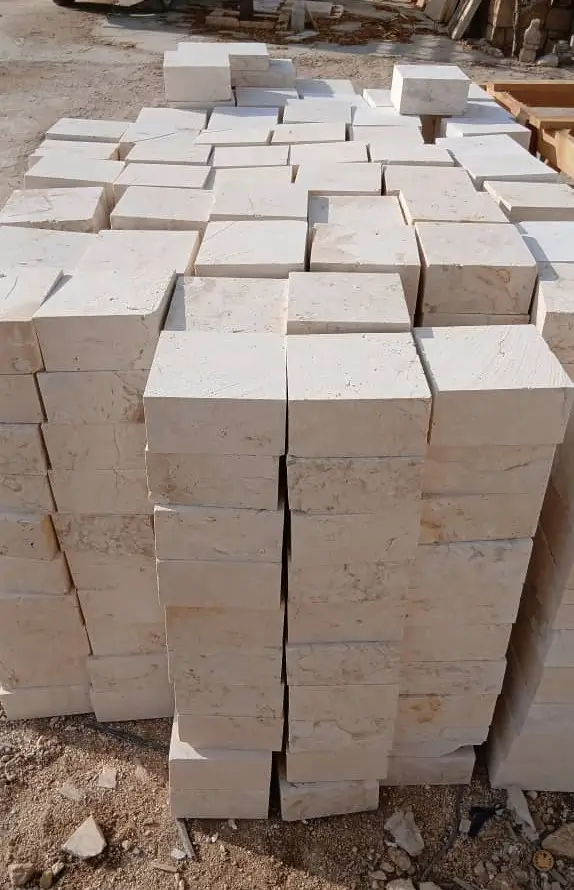
Your most critical maintenance window opens in late March through early May — before ambient temperatures climb above 95°F consistently and before the pre-monsoon dry heat sets in. Sealers applied during this period cure properly because substrate temperatures stay in the 60–85°F range that most penetrating sealers require for full cross-linking. Apply sealer when surface temperatures exceed 100°F and you’ll get flash evaporation of the carrier solvent before the resin penetrates, leaving a surface film that peels within one season.
- Target surface temperatures between 60°F and 85°F for sealer application — use an infrared thermometer, not the air temperature reading
- Schedule application in the morning, typically between 7:00 and 10:00 AM, before surfaces absorb radiant heat
- Allow 48–72 hours of dry weather after application before the surface sees any moisture
- Re-sand joints with polymeric sand rated for high-UV environments before sealing, not after
- Inspect joint depth — joints shallower than 1 inch are vulnerable to monsoon sand infiltration and root intrusion
In Scottsdale, the pre-monsoon window tends to close earlier than in higher-elevation parts of the state — by mid-April, afternoon surface temperatures on cobblestone surfaces facing southwest can already exceed sealer application thresholds. Plan your scheduling accordingly and prioritize morning work from the start of the season. This is precisely where seasonal stone care tips across Arizona diverge based on geography rather than a single statewide schedule.
What Monsoon Rains Actually Do to Cobblestone Joints
Most of the discussion about maintaining cobblestone patios in Arizona centers on the stone face, but the real damage accumulates at the joints. Arizona monsoon storms deliver high-velocity, short-duration rainfall — often 0.5 to 1.5 inches in under 30 minutes. That hydraulic pressure doesn’t soak in gradually; it impacts the surface, shears loose joint sand, and carries it off the surface before it can settle back into place.
After two or three monsoon seasons without intervention, you’ll find joint depths that were originally set at 1.5 inches have eroded to 0.25 inches or less. At that point, the individual cobblestones start rocking under foot traffic because they’ve lost the lateral restraint the joint sand provides. The fix at that stage is substantially more labor-intensive than proactive re-sanding would have been.
- Check joint depth after the first major monsoon storm each year — if you can insert a finger past the second knuckle, re-sanding is overdue
- Polymeric sand with a hardening binder performs significantly better than standard jointing sand in high-rainfall events
- Avoid flushing cobblestone surfaces with a pressure washer after storms — let standing water drain naturally to avoid accelerating joint erosion
- Sand infiltration from windstorms is a separate issue from joint erosion and requires surface sweeping within 24 hours before particles migrate into joints
Post-Monsoon Assessment and the Fall Maintenance Window
The post-monsoon window — mid-September through October — is the second critical timing opportunity in Arizona’s seasonal stone care calendar. Surface temperatures drop back into workable ranges, humidity returns to low-desert norms, and you have a clear view of exactly what the monsoon season did to your surface. This is the right time for your Arizona outdoor cobblestone cleaning routine before the winter tourism and event season begins.
Maintaining cobblestone patios in Arizona after the monsoon requires a methodical approach to both visual inspection and structural assessment. For cobblestones installed on a sand-set base, fall is also the time to identify any heaving or settlement that occurred during the monsoon. Wet soil beneath a sand-set installation can shift, and those shifts often don’t become visible until the soil dries and compacts again in late September. Walk the surface methodically and probe for any rocking stones — address them before holiday foot traffic loads the surface.
You can find detailed material-specific guidance for your surface through Citadel Stone Arizona cobblestone surfaces, which covers performance characteristics relevant to Arizona’s specific climate demands.
Cleaning Protocols Timed to Arizona Conditions
The timing of your cleaning matters as much as the method. In the low desert, cleaning cobblestones in direct midday sun during summer months means your cleaning solution evaporates before it can dwell on the surface long enough to work. You end up with streaking and mineral deposits as the water flash-evaporates and leaves dissolved solids behind. A disciplined Arizona outdoor cobblestone cleaning routine accounts for these evaporation dynamics at every step.
- Schedule wet cleaning work for early morning hours — before 9:00 AM — from May through October
- Use pH-neutral cleaners for routine maintenance; avoid acidic cleaners on calcareous stone types, which can etch the surface
- Allow cleaned surfaces to dry fully before applying any treatment — typically 24 hours minimum in summer, 48 hours in fall when overnight temperatures are lower
- For efflorescence that appears after monsoon saturation, a diluted white vinegar solution (1:10) applied during cool morning hours is effective for light deposits
- Monsoon season often deposits iron-oxide staining from windborne soil — use an oxalic acid-based poultice for spot treatment, not a broad surface application
Flagstaff‘s elevation introduces freeze-thaw cycles that lower-desert installations never face, meaning your cleaning and sealing schedule there requires an additional maintenance pass in late October before overnight temperatures drop below freezing — a timing consideration that simply doesn’t apply in the Phoenix basin.
Sealing Schedules Built Around Arizona Seasons
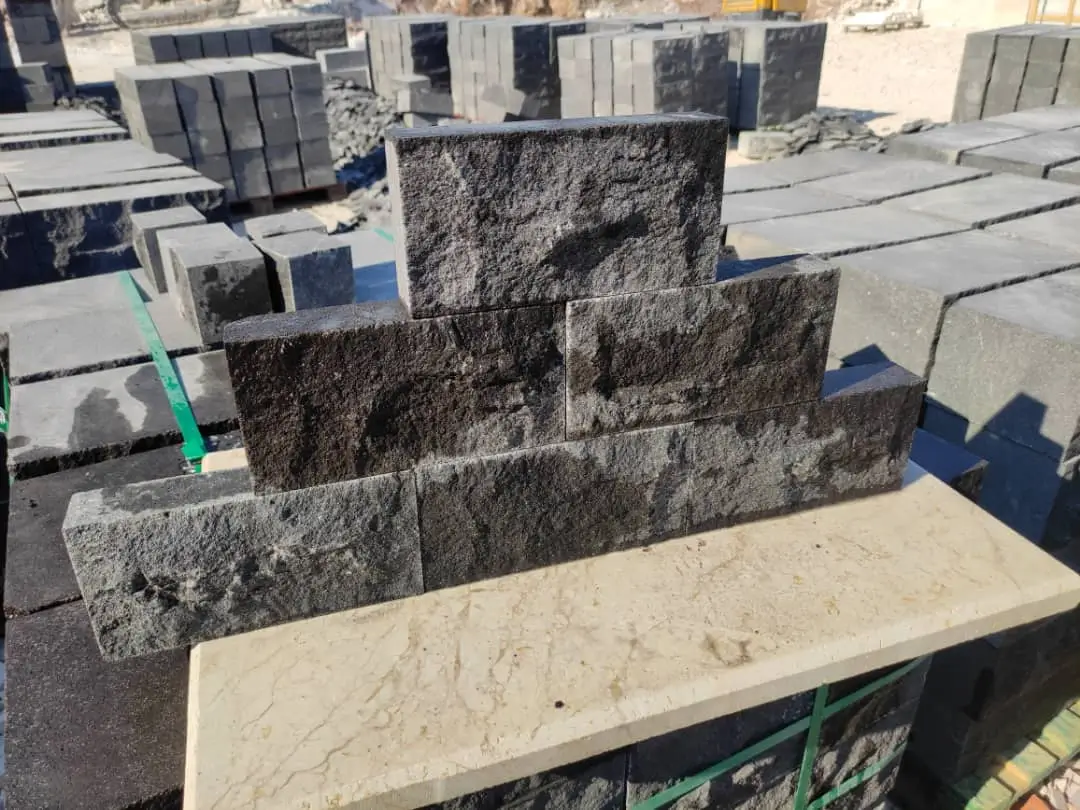
A biennial sealing schedule is the right baseline for cobblestone upkeep Arizona monsoon season conditions under moderate foot traffic, but the timing of that biennial application is what separates a surface that performs for 20+ years from one that starts showing UV degradation and joint instability within a decade. The goal is to have fresh sealer in place before the monsoon season begins, not after it ends.
At Citadel Stone, we recommend planning your sealing work for early April at the latest in the low desert, and late April for properties above 3,500 feet elevation. That schedule gives the sealer a full cure cycle before June humidity arrives and before surface temperatures make application impractical. If you missed the spring window, your next opportunity is that September-October post-monsoon window — not mid-summer.
- Penetrating sealers (silane-siloxane chemistry) outperform topical coatings in Arizona’s UV environment by maintaining breathability as moisture cycles through the stone
- Reapplication timing should be tested annually with a water droplet — if water absorbs within 3–5 minutes rather than beading, the sealer has depleted
- Never apply sealer over a damp surface — in Arizona, this means confirming the surface hasn’t received irrigation overspray in the preceding 48 hours
- Two thin coats applied 4–6 hours apart outperform one heavy application and reduce the risk of surface whitening in hot conditions
Scheduling Around Monsoon Season Installation Work
Cobblestone upkeep Arizona monsoon season demands aren’t just limited to established surfaces — if you’re planning to extend or repair a cobblestone installation, the seasonal calendar governs your scheduling just as much as the maintenance calendar. Mortar-set cobblestone work should never be scheduled during monsoon season in the low desert. The combination of high humidity, afternoon convective storms, and surface temperatures that can exceed 140°F creates conditions where mortar curing is unpredictable and adhesion to the substrate is compromised.
For repair work that absolutely must be done in summer — replacing a single cracked cobble, for example — schedule it for early morning, pre-wet the surrounding stones to reduce thermal draw on the fresh mortar, and protect the repair with shade cloth for 48 hours. The morning work window in Arizona from June through August is genuinely narrow: roughly 5:30 to 9:00 AM before conditions become counterproductive for cementitious work.
In Sedona, the red rock environment adds an aesthetic consideration to timing as well — the iron oxide in local soils can stain freshly laid stone if monsoon runoff crosses an uncured surface, so staging and protection details matter during summer installation or repair work. Monsoon-season stone surface care AZ contractors in that region account for soil chemistry as a distinct variable that low-desert operators rarely encounter.
Material Sourcing and Lead Time Planning for Arizona Projects
Planning cobblestone upkeep Arizona season timelines also means accounting for material availability when replacements or re-sanding materials are needed. Polymeric sand and replacement cobblestones sourced from warehouse stock can typically be delivered in 1–2 weeks, but if you’re waiting for a truck delivery of imported stone from overseas quarries, lead times extend to 6–8 weeks — which can easily push you past the optimal pre-monsoon work window.
Order your maintenance materials in February or early March to ensure they’re on-site before your April application window. Warehouse stock levels for popular cobblestone profiles in Arizona tend to tighten in spring as contractors order for the project season, so early ordering protects both your timeline and your material match to existing installations. Citadel Stone sources cobblestones from quarries in Turkey and the broader Middle East region, with warehouse inventory maintained domestically to reduce those import delays. A second truck delivery window is sometimes available in August for post-monsoon restocking, though lead times may compress depending on import scheduling.
Your Seasonal Maintenance Action Plan
Effective cobblestone upkeep Arizona monsoon season demands a calendar-driven approach, not a reactive one. Your surface needs attention at two specific points in the year — before the monsoon season begins and immediately after it ends — and the work you do in those windows determines how the surface performs over the next decade. Skipping the pre-monsoon sealing pass, letting joint sand deplete, or attempting cleaning work in midday summer heat all compound over time into structural issues that far exceed the cost of the preventive work you deferred.
Build your maintenance schedule around those April and September-October windows, order materials early enough to work within them, and track your joint depth annually so erosion doesn’t reach the point of structural compromise. Seasonal stone care tips across Arizona consistently point to the same conclusion: proactive scheduling outperforms reactive repair at every cost level. For a complete understanding of how your surface was built and how that affects your upkeep options, How to Install Cobblestone in Arizona: Step-by-Step Guide provides the foundational context that informs every maintenance decision you’ll make. Residents in Yuma, Gilbert, and Peoria choose Citadel Stone cobblestones from premium quarries in Turkey and the broader Middle East region, valued for their resistance to sand infiltration during Arizona’s storm cycles.