
Travertine’s dimensional stability under Arizona’s thermal cycling is what separates it from every other natural stone in the pool coping conversation — but the real specification question isn’t whether to use classic travertine pool coping Arizona styles, it’s which aesthetic direction actually performs over the long haul in this climate. The choice between classic and modern profiles isn’t just visual. It determines edge geometry, drainage behavior, slip resistance underfoot, and how the coping integrates with your pool’s structural bond beam.
What Classic and Modern Travertine Coping Actually Mean
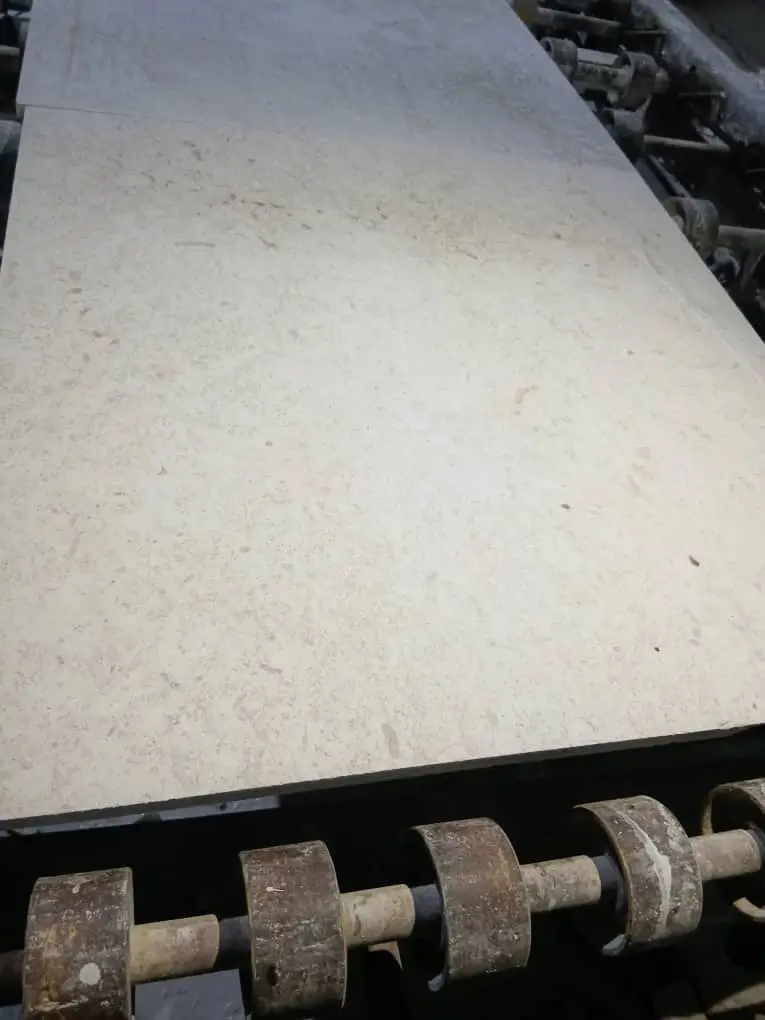
These terms get thrown around loosely, so let’s define them with precision. Classic travertine pool coping references the chiseled-edge, tumbled, or brushed profiles that mimic centuries-old Mediterranean stonework — irregular surface texture, natural pitting, and a softened nose profile. Modern coping runs the opposite direction: precision-cut edges, filled voids, honed or lightly sandblasted faces, and geometry that reads clean against contemporary pool designs.
The distinction matters technically, not just visually. Classic profiles with their open travertine voids and textured surfaces behave differently under thermal load than filled, honed modern cuts. You’ll find the open-pore surface of classic styles provides a naturally higher slip-resistance coefficient — typically in the 0.6–0.7 range wet — compared to the 0.5–0.6 range you’ll see on honed modern fills. For Chandler pools that see heavy use through the summer months, that differential matters every single day.
Classic Profiles: How They Perform in Arizona Heat
The tumbled and chiseled-edge coping that defines traditional Arizona pool design has earned its track record for good reason. The open travertine matrix — those characteristic voids and natural pitting — acts as a thermal buffer. Surface temperatures on unfilled classic travertine typically run 15–20°F cooler than adjacent concrete under identical direct sun exposure, and that gap widens during peak afternoon conditions when ambient air temperatures exceed 110°F.
- Natural surface texture maintains slip resistance without additive coatings that degrade over time
- Open pore structure allows minor moisture vapor movement, reducing hydrostatic pressure behind the bond beam
- Chiseled or tumbled noses soften impact if a swimmer contacts the edge — a safety consideration code often doesn’t mandate but installers know matters
- Color variation in classic travertine hides efflorescence better than uniform honed surfaces
- Irregular surface texture makes minor lippage between pieces far less visible than it would be on precision-cut modern profiles
The honest trade-off is maintenance. Unfilled classic travertine requires biennial resealing with a penetrating impregnator — not a topical coat — to prevent pool chemistry from migrating into the stone matrix. You’re looking at a penetrating silane-siloxane sealer applied after acid neutralization, not a consumer-grade product from a hardware store. That maintenance cycle is real, and homeowners who skip it typically see iron staining from pool water within three to four seasons.
Modern Travertine Coping: Specification Depth for Clean-Line Pools
Modern travertine coping — filled, honed, and precision-cut — suits the contemporary pool aesthetic that’s become dominant across Peoria and the surrounding West Valley communities where newer construction favors geometric pools with flush deck integration. The filled surface closes the voids with cementitious or epoxy grout, creating a uniform face that reads almost like reconstituted stone from a distance.
Here’s what most specifiers miss on modern profiles: the fill material expands at a different rate than the travertine matrix. In Arizona’s 70°F diurnal temperature swings, that differential can create micro-fractures at fill interfaces within five to seven years when the original fill was cementitious. Epoxy-filled travertine performs better in this climate because epoxy’s flex modulus more closely matches travertine’s own thermal expansion coefficient of approximately 4.7 × 10⁻⁶ per °F. It costs more upfront, but the 10-year inspection results are significantly cleaner.
- Specify filled voids with epoxy-based material for Arizona thermal cycling — not standard cementitious grout
- Honed surfaces require non-slip additive treatment or textured finish strips at the leading edge to meet safe wet-surface standards
- Precision-cut edges demand tighter installation tolerances — your base prep needs to be within 3/16 inch over 10 feet
- Modern profiles show lippage and joint inconsistency more aggressively than classic tumbled profiles — factor in installer precision requirements
- Filled modern coping seals more easily and resists pool chemistry better once properly installed
Travertine Coping Aesthetics Arizona Homeowners Actually Choose
The travertine coping aesthetics Arizona homeowners gravitate toward break down by neighborhood age and architectural context more than personal preference alone. Classic profiles dominate in established developments where warm desert contemporary architecture is the baseline — terracotta tones, clay tile rooflines, and informal landscaping. Modern profiles lead in newer construction where large-format tile inside the home creates a visual expectation of seamless geometry extending to the pool deck.
Color selection intersects with style in ways that aren’t always obvious. Classic tumbled travertine in Silver or Walnut tones reads as cool and contemporary even in traditional form — the color carries as much stylistic weight as the edge profile. Conversely, a modern precision-cut profile in Classic Ivory reads warmer and more traditional than the geometry suggests. You’re essentially working with two independent variables — profile and color — and the most successful installations treat them as a coordinated specification decision, not a sequential one.
At Citadel Stone, we’ve worked through hundreds of these conversations with Arizona designers and pool contractors. The combination that consistently satisfies the broadest client range in this market is a brushed-face profile with a bullnose or eased edge — it splits the difference between classic softness and modern clarity, performs well on wet-surface traction testing, and ages gracefully in UV-intense environments.
Modern Versus Traditional Pool Edging: The Side-by-Side That Matters
Comparing modern versus traditional pool edging in Arizona requires you to evaluate four performance categories simultaneously: thermal comfort, structural integration, maintenance burden, and visual longevity. The comparison below isn’t abstract — these are outcomes you’ll experience at the five-year and ten-year marks.
- Thermal comfort underfoot: Classic unfilled travertine outperforms filled modern profiles by 10–18°F in peak summer conditions
- Slip resistance: Classic textured profiles maintain consistent 0.6+ wet COF; modern honed profiles require additive treatment to achieve equivalent safety ratings
- Maintenance: Classic styles need biennial resealing; modern filled profiles need annual inspection of fill integrity in addition to sealing
- Installation tolerance: Classic profiles forgive minor base imperfections; modern precision cuts require tighter substrate flatness
- Visual aging: Classic travertine develops a desirable patina; modern filled surfaces can show fill discoloration at five to seven years without proper sealer maintenance
- Pool chemistry resistance: Both perform similarly when properly sealed — the failure mode is always neglected resealing, not the style itself
You can explore our classic travertine coping Arizona options to see the specific profiles that have demonstrated the strongest long-term performance across Arizona’s climate zones — from the low desert to the high desert margins where summer monsoon humidity adds another variable to the equation.
Timeless Pool Design Materials Across Arizona’s Climate Zones
What makes timeless pool design materials across Arizona different from the same products specified in California or Texas is the intensity and duration of UV exposure combined with extreme diurnal swings. Arizona’s high-altitude desert zones — think Prescott or Payson — compound this with genuine freeze-thaw cycles that the Phoenix metro never experiences. The travertine specification that works perfectly in Scottsdale needs re-evaluation if you’re pulling the same product for a Flagstaff installation.
For low-desert installations below 2,000 feet elevation, thermal expansion is your primary stress factor. Travertine’s relatively low expansion coefficient handles it well, but your mortar bed and expansion joint spacing must be correct. Spec expansion joints every 12–15 feet in coping runs — not the 20 feet you’ll see in generic installation guides written for mild climates. For high-desert installations above 4,500 feet, you additionally need a travertine with absorption rates below 0.75% to resist freeze-thaw damage per ASTM C97 testing standards.
Classic Stone Coping Installation Arizona: The Variables That Define Longevity
Classic stone coping installation Arizona projects consistently succeed or fail based on three variables that rarely appear prominently in generic specification documents: mortar bed composition, bond beam moisture management, and coping overhang geometry. Get all three right and you’re looking at 25-year performance. Miss any one of them and you’re troubleshooting at the five-year mark.
- Mortar bed should be a Type S mix at 3/4-inch to 1-inch thickness — thicker beds hold water and create freeze-thaw vulnerability in higher-elevation installations
- Bond beam must be dry and free of curing compounds before coping adhesion — pool construction timing often compresses this window, and installers rush it
- Coping overhang into the pool should be 1.5 to 2 inches for drip clearance — insufficient overhang allows water to track back under the coping, undermining the mortar bed over time
- Back-butter individual pieces fully — 95% mortar coverage minimum, verified by pulling a test piece after set
- Grout joints on coping should be filled with sanded polymer-modified grout at 3/16 inch minimum width to allow minor movement without cracking
In Tempe, where pool construction volume is high and installation crews sometimes move quickly between jobs, the bond beam moisture window is the issue most commonly rushed. A bond beam with residual form moisture will show coping adhesion failure within two to three monsoon seasons as that trapped moisture cycles through the joint. Verify with a moisture meter — don’t rely on visual inspection alone.
Citadel Stone’s technical team recommends confirming warehouse stock availability before your installation window opens. Lead times from our warehouse inventory typically run one to two weeks for standard profiles, but custom cuts or specialty finishes can extend that to three to four weeks. Build that into your project timeline before the pool shell is complete.
Sealing and Long-Term Care for Both Styles
The sealing question is where classic and modern travertine coping diverge most significantly in their care requirements. Classic unfilled travertine needs a penetrating impregnating sealer that enters the stone matrix and creates a hydrophobic barrier without closing the surface texture. A fluoropolymer-based penetrating sealer applied on a 24-month cycle is the field-proven approach — it maintains the surface character while blocking chlorinated pool water from migrating into the stone.
Modern filled travertine has an additional vulnerability: the fill interface. Your sealer needs to be compatible with both the travertine matrix and the fill material, which rules out certain solvent-based products that can attack epoxy fills. Water-based penetrating sealers are safer across the board for filled modern profiles. Apply after thorough cleaning with a pH-neutral cleaner — never acid-wash filled coping — and expect reapplication every 18 to 24 months depending on pool chemistry aggressiveness.
- Never apply topical film-forming sealers to pool coping — they trap moisture and peel under UV in Arizona’s climate within one season
- Test a small area for color enhancement before committing — some penetrating sealers deepen color noticeably on classic ivory travertine
- Resealing timing should follow inspection, not a rigid calendar — if water no longer beads on the surface, it’s time regardless of how long since the last application
- After monsoon season is the optimal application window — surface is clean and temperatures are dropping toward more workable ranges
Before You Specify Classic or Modern Travertine Coping
Your decision between classic and modern travertine pool coping Arizona profiles should follow from the architecture and the climate zone, in that order. Classic profiles earn their place in traditional and transitional desert contemporary designs, especially where barefoot comfort through Arizona summers is a daily priority. Modern profiles suit geometric pools with clean-line deck integration, provided you spec the right fill material and address the wet-surface traction question upfront.
Both style directions deliver the thermal performance, natural beauty, and structural longevity that make travertine the dominant pool coping material across Arizona — but they don’t deliver it automatically. They deliver it when the mortar bed, the expansion joints, the sealer selection, and the installation timeline are all specified correctly for this specific climate. When your project extends to adjacent outdoor stone elements, the travertine coping aesthetics Arizona homeowners select for pool edges often set the tone for surrounding patio and deck materials as well — a coordination challenge worth resolving before finalizing any single component. 10 Ivory Travertine Patio Design Ideas for Arizona covers complementary applications that can help you think through how coping selections coordinate with adjacent patio and deck materials — a consideration that affects the visual coherence of the entire outdoor space. Citadel Stone sources premium travertine coping for Arizona pools, providing timeless and contemporary edge profiles trusted across Scottsdale, Peoria, and Flagstaff.