
Choosing architectural stone suppliers Arizona builders and developers actually trust comes down to a set of vetting criteria that goes well beyond price and catalog depth. The suppliers who consistently deliver on commercial facade projects — the kind you see rising in Mesa‘s mixed-use corridors and high-end residential developments — are the ones who understand that material traceability, dimensional consistency, and delivery timing aren’t optional extras. They’re the baseline. What separates a reliable architectural stone partner from a vendor who creates field problems is how they handle every variable between quarry extraction and your installation window.
Why Installation Timing Defines Supplier Value in Arizona
Arizona’s construction calendar isn’t like other states. Your installation window for setting stone facade systems, cladding, or structural veneer is genuinely narrow — and a supplier who can’t synchronize delivery with that window forces you into one of the worst positions in construction: material on site, conditions wrong, and a crew standing by. The optimal installation periods for mortar-set architectural stone in Arizona run from mid-October through late April, when ambient temperatures between 50°F and 85°F allow portland-based setting beds to hydrate properly and achieve design-strength cure before thermal stress cycles begin.
Summer deliveries aren’t impossible, but they require you to build in early-morning installation windows — typically between 5:30 AM and 9:30 AM — before substrate temperatures on south and west exposures climb past 120°F. Adhesive mortars designed for high-temperature application begin losing workability rapidly once the stone face exceeds 95°F, so the installation rhythm shifts entirely. A supplier who delivers stone to your Chandler project at noon in July, with no acknowledgment of your crew’s working constraints, doesn’t understand your operations.
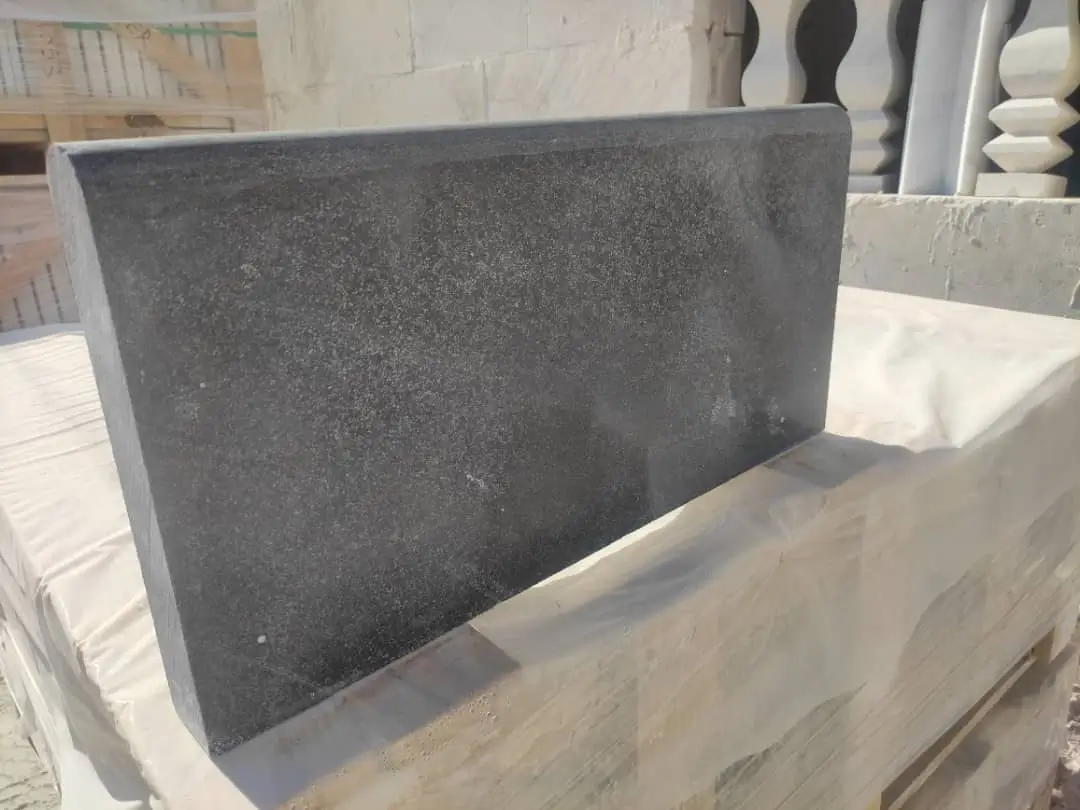
Seasonal Windows and What They Mean for Your Sourcing Decisions
The practical reality of Arizona’s seasonal installation calendar means you need to be placing material orders well ahead of your optimal work periods. For projects targeting a November through February installation — which gives you the best mortar cure conditions, the most consistent overnight lows for joint setting, and the most forgiving adhesive behavior — you should be vetting stone suppliers and placing deposits in August or September at the latest. Material that needs to ship from out-of-state quarries or international ports carries a 6–8 week transit buffer that most project managers underestimate.
Suppliers with regional warehouse inventory in Arizona eliminate most of that buffer. Citadel Stone maintains stocked warehouse inventory across Arizona, which typically compresses lead times to 1–2 weeks rather than the 6–8 week import cycle that catches commercial teams off guard when they’re already past their ideal scheduling window. That’s not a minor convenience — it’s the difference between hitting your November start date and pushing to January when your other subcontractors have moved to the next job.
- Plan material procurement 10–12 weeks ahead of your target installation start for imported stone
- For locally warehoused material, 3–4 weeks gives you adequate lead time with room for quality review
- Schedule deliveries for early morning drops during April through September to avoid afternoon pavement temperatures exceeding 140°F at delivery zones
- Verify that your supplier’s truck dispatch can accommodate pre-6 AM deliveries for summer-phased projects
- Build a weather contingency of 5–7 business days into your schedule for monsoon season work (July–September)
Vetting Stone Material Vendors AZ Builders Trust: The Criteria That Actually Matter
The vetting process for stone material vendors AZ builders trust consistently starts with two documents that most vendors either can’t produce quickly or produce in incomplete form: quarry certification records and current batch test data. Quarry certification tells you where the material originated and whether the extraction site maintains consistent geological strata across production runs. Batch test data — specifically compressive strength, absorption rate, and freeze-thaw cycle performance — tells you whether the specific material on the truck matches what you specified six months ago when you approved the sample.
Dimensional consistency is the second pressure point. Architectural stone facade systems, particularly those using dry-stack detailing or reveal joints, have zero tolerance for thickness variation beyond ±1/8 inch. You’ll find out about dimensional inconsistency in the worst possible way: when your mason is three courses up and the coursing lines start drifting. Ask your prospective supplier for tolerance documentation from their quality control process, and request a sample batch of 20–30 pieces to measure yourself before committing to full-project quantities.
- Request quarry source documentation — country and region of origin, geological formation name
- Ask for third-party lab results on compressive strength (ASTM C170) and water absorption (ASTM C97)
- Confirm dimensional tolerance specifications in writing, not just verbally
- Check whether the supplier has technical staff who can discuss installation detailing — not just sales staff quoting price per square foot
- Ask how the material is palletized and protected during truck transport — stone that ships without edge protection arrives with corner damage that forces field cuts and waste overruns
Natural Stone Facade Suppliers Across Arizona: Reading Performance Beyond the Sample Board
Sample boards are marketing tools. They show you the best face of a material under controlled conditions — clean edges, ideal moisture content, consistent color. What natural stone facade suppliers across Arizona rarely show you on a sample board is how the material behaves during the specific thermal cycling that Arizona facades experience: from 45°F overnight lows in January to 115°F radiant surface temperatures on west-facing elevations in June. That daily and seasonal delta is what exposes underperforming stone.
The material properties that matter most for Arizona facade applications are thermal expansion coefficient, absorption rate, and surface hardness. Limestone and travertine typically carry thermal expansion coefficients around 4–5 × 10⁻⁶ per °F, which is manageable when you specify proper expansion joints at 20-foot intervals for exterior cladding. Granite runs slightly higher at 5–7 × 10⁻⁶ per °F but has lower absorption rates, making it more resistant to moisture infiltration during the monsoon season. Absorption rates above 3% start creating long-term performance issues in Arizona’s alkaline soils, where capillary moisture carries mineral salts that cause subflorescence behind facade panels.
- Specify thermal expansion coefficient matching for facade systems — mismatched coefficients between stone and anchor systems cause progressive joint failure
- Absorption rates below 1.5% are ideal for ground-level facade courses exposed to irrigation splash
- Surface hardness above 4 on the Mohs scale handles wind-driven particulate abrasion in desert conditions without significant surface erosion over a 20-year timeline
- Verify that your supplier’s material has been tested in actual high-heat climates, not just laboratory freeze-thaw simulations calibrated for northern climates
Scheduling Around Arizona’s Monsoon Window and Winter Cold Fronts
Two periods create genuine installation risk for architectural stone work in Arizona, and both require you to coordinate closely with your supplier on delivery timing. The North American Monsoon season — typically July 15 through September 30 in the Phoenix metro and low desert — introduces afternoon humidity spikes from 8–12% baseline to 40–60% within hours. That moisture spike affects mortar set rates dramatically, extending initial set time by 20–40% and creating a window where freshly set stone can shift under its own weight before the mortar achieves working strength.
The second risk window is less obvious: Arizona’s winter cold fronts, which push overnight lows below 40°F in the Phoenix metro more frequently than most out-of-state specifiers expect. Gilbert and surrounding East Valley communities sit at slightly higher elevation than central Phoenix, which makes overnight temperature drops more pronounced. Setting mortar that drops below 40°F before achieving 70% cure strength loses up to 30% of its design compressive strength permanently — not a recoverable situation once the stone is installed. Your supplier needs to understand your installation timing well enough to flag delivery windows that would put material on site during high-risk weather periods.
- Avoid scheduling mortar-set facade work when 72-hour forecasts show overnight lows below 45°F
- Monitor monsoon moisture events — delay setting operations if afternoon humidity exceeds 50% for three consecutive days
- Schedule warehouse material pickup in morning hours when truck beds haven’t accumulated midday heat that can cause thermal shock to cold-stored stone
- Confirm with your supplier that stone stored in outdoor yards has been shaded — surface temperatures on unshaded stone pallets can reach 160°F in June, creating handling and bonding challenges on immediate installation
Architectural Stone Sourcing in Arizona for Commercial Projects: Supply Chain Realities
Commercial projects in Arizona introduce supply chain complexity that residential specifications rarely encounter. You’re typically dealing with larger quantities — often 5,000 to 50,000 square feet of facade stone — which means that a single batch inconsistency across multiple truckloads creates a visible color or texture variation problem that’s essentially impossible to correct after installation. Architectural stone sourcing in Arizona for commercial projects requires you to insist on a single quarry pull for the entire project quantity, held in warehouse inventory under your project reservation.
This isn’t always possible with suppliers who operate on a just-in-time import model. They’ll pull from whatever stock arrives on the next container, which may come from a different quarry extraction run than your approved sample. For a commercial facade application where material is visible at street level, that’s an unacceptable risk. The suppliers worth working with can show you a documented chain of custody from quarry batch number through warehouse receiving to your truck dispatch.
For reference and additional context on finding qualified Arizona stone suppliers from Citadel Stone, the resource covers supplier qualification criteria specific to Arizona’s commercial construction market in useful depth. Projects in the Gilbert municipal area, where commercial development has accelerated significantly, are increasingly requiring facade stone suppliers to provide documented batch traceability as part of the submittal package.
Adhesive and Mortar Behavior: What Seasonal Temperatures Do to Your Installation System
The adhesive system you specify for architectural stone installation in Arizona isn’t a static choice — it needs to be calibrated to your installation season, not just the material type. Polymer-modified thin-set mortars, which are standard for most interior and some exterior stone applications, have workable open times that range from 20–30 minutes at 65°F and collapse to under 10 minutes at 95°F ambient with low humidity. That’s not a minor adjustment — it fundamentally changes how many pieces your mason can set per batch and forces smaller mix quantities with more frequent loading.
Epoxy-based anchor systems used in mechanical-fix facade installations have their own temperature sensitivities. Most two-component epoxy anchors require substrate temperatures between 40°F and 90°F for proper cure. In summer facade work on south-facing concrete substrates, you’re dealing with substrate temperatures well above 100°F by 10 AM. That means either early-morning installation windows or substrate cooling with water prior to anchor setting — both of which require coordination with your material delivery schedule so stone arrives on site exactly when your crew is ready to install, not hours before.
- Use heat-stable polymer-modified mortars rated to 120°F open-time stability for April–October installations
- Schedule mortar mixing for 15-minute batch cycles maximum during summer installations — discard any batch that skins over before use
- Never install stone on substrates that haven’t been temperature-equalized — the differential causes differential cure rates that compromise bond strength
- For epoxy anchor systems on exterior facades, specify products with extended working time formulations when ambient temperatures exceed 85°F
- Store setting materials in shaded, temperature-controlled areas on site — mortar stored in direct sun can pre-activate before mixing
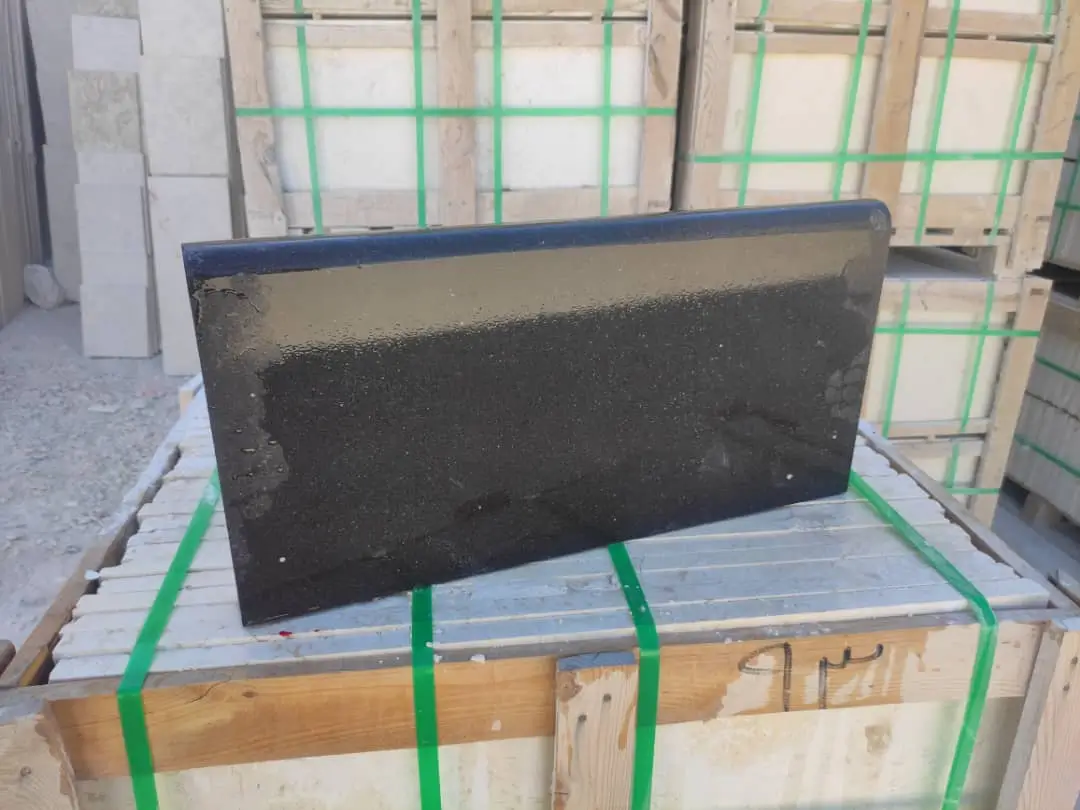
Arizona Desert-Rated Natural Stone Supply Options: Material Families That Perform
Not every stone family performs equally across Arizona’s varied climate zones. Arizona desert-rated natural stone supply options generally fall into four material families that have demonstrated consistent long-term performance in the state’s combination of intense UV, high thermal cycling, alkaline soil chemistry, and monsoon moisture events. Your supplier should be able to discuss the performance profile of each and match it to your specific project exposure conditions.
Limestone is the most forgiving choice for facade applications in moderate-exposure zones — north-facing elevations, shaded courtyards, covered entry features. Its natural porosity responds well to penetrating sealers and develops a stable patina under UV without the color shift issues that affect some lighter travertines. Basalt is the high-performance option for south and west exposures — denser, harder, and nearly impervious to moisture infiltration, with absorption rates typically below 0.5%. Sandstone performs well in lower-traffic facade applications but requires careful selection for Arizona’s alkaline conditions, as some sandstone formations contain soluble minerals that leach under repeated wetting. Quartzite is the premium option for high-traffic base courses and ground-level cladding where mechanical abrasion combines with moisture exposure.
- Limestone: ideal for moderate exposure, readily available, broad color range — specify sealed product for exterior use
- Basalt: premium performance for high-exposure facades, limited color palette, excellent compressive strength above 15,000 PSI
- Sandstone: appropriate for low-exposure applications when sourced from low-soluble-mineral formations — always request mineralogy data
- Quartzite: highest abrasion resistance, best for base courses and entry applications, verify slip resistance ratings for pedestrian zones (DCOF above 0.42 for wet applications)
Parting Guidance
The decision process for choosing architectural stone suppliers Arizona projects depend on is ultimately about risk management as much as material quality. A supplier who delivers the right stone at the wrong time — or the wrong batch at the right time — creates downstream field problems that cost more to correct than the original material savings justified. Your supplier vetting should prioritize seasonal delivery capability, batch traceability, and technical depth in equal measure alongside price.
Schedule your supplier conversations during your pre-design phase, not after you’ve already committed to a material specification. That timing gives you leverage to negotiate project-reservation inventory holds, confirm production batch consistency, and align your delivery calendar with your optimal installation windows before those windows get compressed by other project delays. Suppliers who can’t discuss installation timing, adhesive system compatibility, or seasonal scheduling implications at the specification stage aren’t resourced to support you when the project is underway.
As you develop your full Arizona stone specification, related material decisions can inform your overall approach to durability and performance across different project types. The Best Building Stone in Arizona: A Complete Local Guide covers how Citadel Stone materials perform across the state’s distinct climate zones — a useful companion resource for projects with multiple exposure conditions or phased construction timelines. At Citadel Stone, we work directly with commercial specifiers and builders throughout the state to match material selection to project conditions and coordinate delivery timing with installation schedules. Builders in Tucson, Flagstaff, and Chandler rely on Citadel Stone for consistent architectural stone dimensions and documented stone density specifications suited to Arizona desert facade applications.