
The biggest scheduling mistake buyers make when buying 600×600 pavers in Arizona isn’t choosing the wrong material — it’s committing to an installation window without understanding how Arizona’s seasonal rhythm actually affects the process from delivery to final set. Most project failures trace back to paver work that started during the wrong two-week window, not poor material quality or bad workmanship.
Why Seasonal Timing Defines Your 600×600 Paver Project
Arizona’s calendar doesn’t divide neatly into “hot” and “not hot.” The state operates across distinct thermal phases, and each one creates specific conditions that either support or undermine a 600×600 paver installation. Your adhesive cure rate, bedding mortar hydration, and joint sand stability all behave differently depending on which phase you’re working in.
The optimal installation windows in Arizona are narrower than most buyers expect. You’re realistically working with mid-October through late November, and again from late February through mid-April. These windows give you ground temperatures between 55°F and 85°F, which is the range where setting materials perform closest to manufacturer specifications. Outside those windows, you’re compensating — and compensation adds cost and risk.
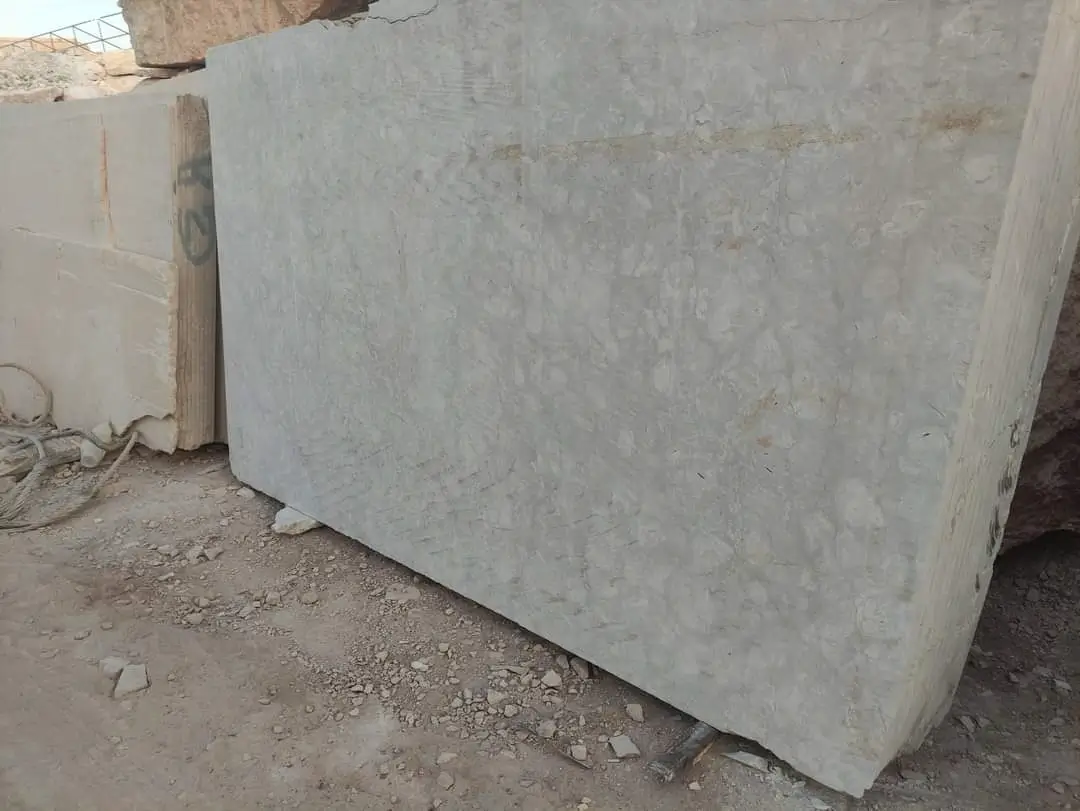
Understanding Arizona’s Installation Seasons
Buyers in Flagstaff face a completely different seasonal schedule than those working in Yuma — the elevation difference of nearly 7,000 feet creates separate installation calendars. Flagstaff’s freeze-thaw cycle means you’re also managing late spring moisture and early fall temperature drops that simply don’t apply in the low desert.
Here’s how Arizona’s installation seasons break down in practical terms:
- Late October to late November: The premier fall window — ambient temperatures drop to 60–80°F during working hours, ground temperatures stabilize, and mortar hydration behaves predictably
- December to January: Usable in the low desert but watch for sub-50°F overnight ground temps that slow cure times significantly — plan your truck delivery schedules accordingly
- February 20 to April 15: The spring window — reliable and often the most productive period before temperatures climb past 90°F in the afternoons
- May through September: High-risk territory for adhesive-set and mortar-bed installations; dry-lay over compacted aggregate is more forgiving but still requires morning-only working hours
- Monsoon season (July through mid-September): Ground saturation affects base stability; your 600×600 slabs may look fine immediately after installation but shift as moisture migrates through uncompacted sub-base
Morning vs. Afternoon Work: The Practical Split
For summer installations that can’t be rescheduled, the morning-afternoon split is the single most important workflow decision you’ll make. Surface temperatures on exposed aggregate base can exceed 140°F by 1:00 PM in June and July — a temperature at which most polymer-modified mortars begin losing workability within 15 minutes of application.
Your productive window in peak summer runs from approximately 5:30 AM to 10:30 AM. That’s five hours. For 600×600 pavers — which run roughly 24 inches square and weigh 35–55 lbs each depending on thickness — a skilled two-person crew can realistically lay 80–100 square feet in that window with proper joint alignment and level checking. Plan your warehouse pickups or truck deliveries the evening before so materials aren’t sitting on a sun-baked driveway absorbing heat before you even start.
The afternoon rule is simple: stop bedding work by 11:00 AM during May through September. Afternoon hours can still be used for cutting, base prep in shaded areas, and material staging — but setting pavers in direct afternoon sun during those months compromises adhesion at the interface level in ways you won’t see for 6–12 months.
Adhesive and Mortar Behavior Across Arizona’s Seasons
The interaction between setting material and seasonal conditions is where many 600×600 paver projects in Arizona quietly fail. Polymer-modified mortars have a listed open time of 20–30 minutes at standard conditions (68–77°F). At 95°F ambient with low humidity — standard for an Arizona May afternoon — that open time drops to 8–12 minutes. At 115°F surface temperature, you may have 5 minutes before skinning begins.
- Use extended-open or hot-weather mortar formulations for any work between May 1 and October 15
- Dampen the substrate with a fine mist immediately before applying mortar — but never puddle; just enough moisture to reduce suction without creating a water film
- Back-butter 600×600 slabs during hot-weather installs — the slab underside absorbs mortar moisture faster at high temperatures, so double application ensures full coverage
- In Flagstaff and higher elevations, winter mortar formulations may be needed as early as late October when overnight temperatures drop below freezing before morning installation begins
- Acrylic-modified thinsets outperform cement-only mortars in thermal cycling conditions — the flexibility index matters more in Arizona than in temperate climates
At Citadel Stone, we consistently advise buyers to match their mortar specification to the installation month, not just the material type. The 600×600 format is forgiving structurally, but a poorly bonded 24-inch slab will eventually rock or crack at the corners — and the root cause is almost always adhesion failure from improper setting conditions, not the stone itself.
Base Preparation and Seasonal Ground Conditions
Your sub-base preparation timeline needs to account for Arizona’s soil moisture patterns, which shift dramatically between seasons. Compacting a granular base in December in the low desert gives you different results than compacting the same base in August after a monsoon storm drops an inch of rain in 20 minutes.
For 600×600 pavers — which are heavy enough to expose any sub-base weakness — the base specification starts with a minimum 4-inch compacted crushed aggregate layer for pedestrian applications and 6–8 inches for vehicle-accessible areas. You’re aiming for 95% Proctor compaction, and you should verify this with a nuclear density gauge or plate compactor pass-count log before any stone touches the base. In Sedona, the red clay soils retain moisture much longer than the sandy low-desert profiles, meaning your base needs additional time to stabilize after any rainfall before you commit to final compaction.
Seasonal ground temperature also affects compaction quality. Cold soil — below 40°F — doesn’t compact to the same density as soil at 60–70°F, even with the same equipment and pass count. For winter installations in northern Arizona, consider your base work a two-phase process: rough grade in the fall, then final compact and fine grade once ground temperatures recover in late February.
What to Verify Before Ordering 600×600 Pavers in Arizona
Buying 600×600 pavers in Arizona involves more pre-order checklist items than buyers typically anticipate. The format is large enough that calibration tolerance, thickness consistency, and batch matching all become critical — a 1mm warpage variation across a 600mm face is visible to the naked eye and will haunt you through the entire installation.
Before you finalize your order, verify these items:
- Calibration tolerance: Request the stone’s calibration specification — you want ±0.5mm or tighter for large-format slabs; looser tolerances create lippage that no amount of skill can fully hide
- Thickness consistency within the batch: Ask whether the material comes from a single quarry run; mixed batches sometimes vary 2–3mm in thickness, which forces constant mortar bed adjustment
- Warehouse stock confirmation: Verify that the full quantity is physically in stock before your project timeline starts — partial deliveries on large-format pavers create scheduling gaps that cost more to manage than the material itself
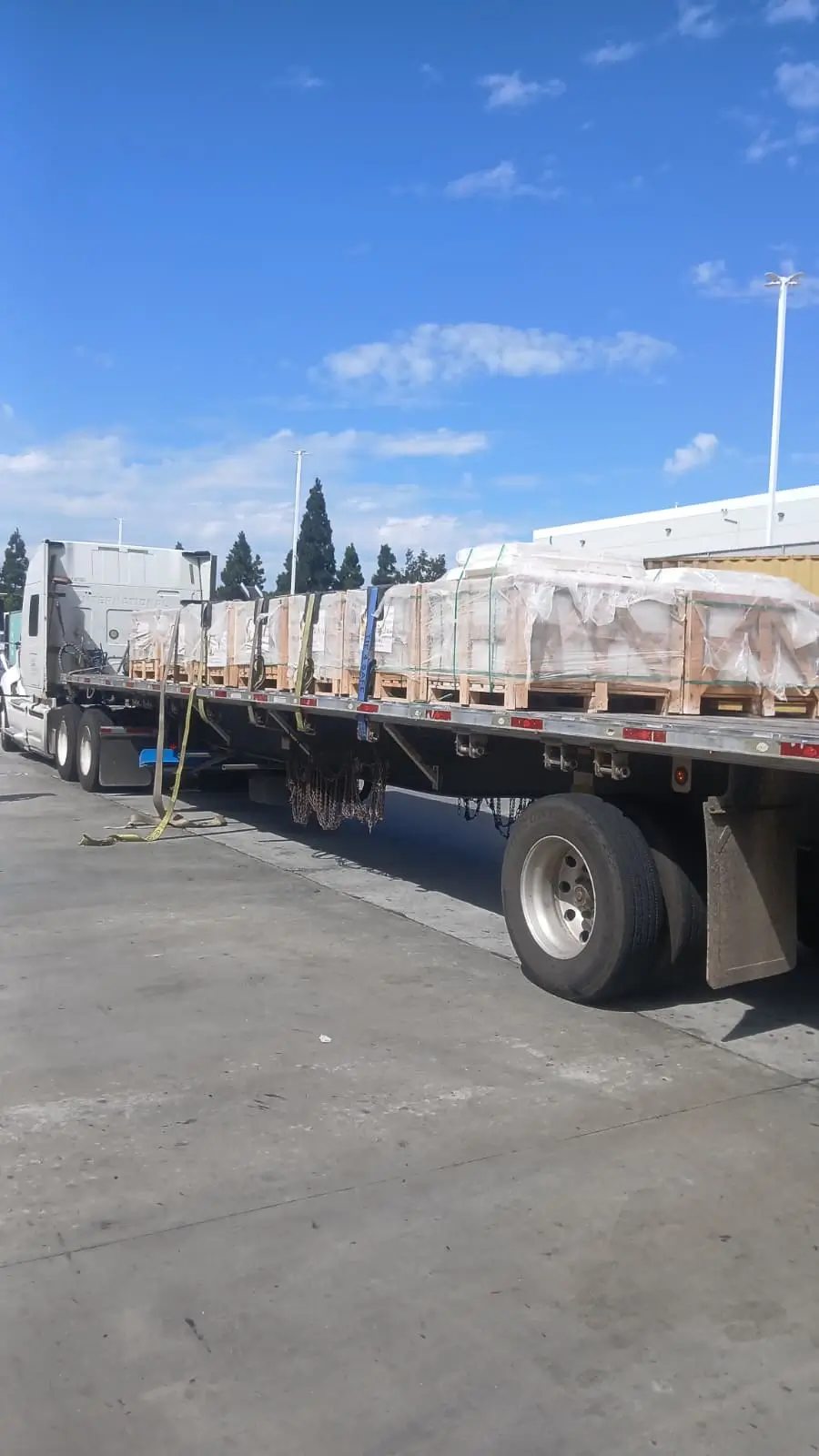
- Delivery truck access: A standard flatbed truck needs 14 feet of clearance height and roughly 50 feet of straight approach — confirm this before your delivery is scheduled, especially for infill lot projects in older neighborhoods
- Sample review: Always request a physical sample from the actual batch being shipped, not a showroom display piece that may be from a different quarry run
- Slip resistance rating: For pool surrounds and covered patios that collect morning dew, verify the DCOF (Dynamic Coefficient of Friction) meets ANSI A137.1 minimums of 0.42 for wet applications
You can browse our Arizona 600×600 paver options to review current stock specifications, calibration details, and available thicknesses before committing to a project timeline.
Thickness Selection for Arizona Applications
The 600×600 format comes in a range of thicknesses — typically 20mm, 30mm, and 50mm — and the selection isn’t just structural. Thermal mass behavior differs significantly by thickness, which directly affects how your installation performs across Arizona’s temperature swings.
Thinner slabs (20mm) heat up and cool down quickly, which reduces the risk of thermal shock cracking but also means surface temperatures peak higher under direct sun exposure. At 50mm, the slab’s thermal mass moderates temperature swings — surface temps may run 15–20°F cooler at midday compared to 20mm material under the same exposure. For Yuma installations where summer temperatures routinely reach 115°F and paver surfaces can hit 160°F in direct sun, the 50mm thickness is worth the additional weight and cost for any area where foot traffic occurs midday.
- 20mm: Pedestrian patios with overhead shade structures, interior-adjacent transitional spaces
- 30mm: General exterior patio use, pool surrounds, covered outdoor living areas across most Arizona elevations
- 50mm: Full sun exposure in low-desert climates, driveway approaches, areas that must support vehicle overhang or occasional wheel loads
Expansion joint spacing adjusts with thickness as well. For 30mm material in Arizona’s low desert, you should be running expansion joints every 10–12 feet rather than the 15-foot spacing common in more temperate climates. The thermal delta between a 45°F January morning and a 115°F August afternoon puts significant stress on any fixed joint over time.
Natural Stone Paver Suppliers in Arizona: What Separates Them
The difference between a strong natural stone paver supplier in Arizona and a mediocre one isn’t usually price — it’s their ability to hold consistent inventory through the project cycle and provide technical backup when field conditions change. Supply chain disruptions hit large-format stone harder than smaller formats because the shipping weight per unit is much higher, and truck freight costs make partial restocking economically painful.
When evaluating where to find 600×600 pavers for sale in Arizona, ask these questions directly:
- Can you guarantee the same quarry batch for reorders within 90 days? (Critical for matching aesthetics on phased projects)
- What’s your warehouse inventory level for this specific SKU right now — not “available to order” but physically in stock?
- Do you provide installation specification sheets specific to Arizona climate conditions, or just generic manufacturer data?
- What’s your standard lead time from order to truck delivery — and what’s the realistic lead time during your busiest season (typically September through November)?
- Can you provide a cut list or custom sizing service for border pieces and threshold transitions?
Suppliers who can answer these questions specifically — with actual numbers rather than vague reassurances — are the ones worth building a relationship with. The large square paving slabs available across Arizona vary considerably in quality and sourcing consistency, and the difference between quarry runs becomes very visible at the 600×600 scale.
Sealing, Scheduling, and Seasonal Cure Windows
Natural stone sealing in Arizona follows different rules than the manufacturer’s printed guidelines suggest. Most sealers are formulated and tested at 70°F — a temperature you’ll rarely encounter during an Arizona outdoor application unless you’re working early morning in the fall window. At 95°F substrate temperature, penetrating sealers flash off solvent carriers 40–60% faster than at standard conditions, which means the active sealing compound doesn’t penetrate to its rated depth.
Your sealing schedule for Arizona 600×600 pavers should observe these guidelines:
- Allow full mortar cure before sealing — minimum 28 days for portland-based mortars, 14 days for rapid-set formulations in ideal conditions
- Apply sealer only when substrate temperature is below 85°F — this typically limits you to early morning application from May through September
- Two-coat application is the minimum standard for natural stone in Arizona; a single coat doesn’t achieve adequate penetration depth when conditions are warm
- Re-application intervals in Arizona’s UV environment run 18–24 months for silane-siloxane penetrating sealers — shorter than the 3–5 year intervals common in cooler climates
- Avoid sealing within 48 hours of predicted rain — even Arizona’s brief monsoon storms can blush a freshly applied sealer
This is where the Arizona outdoor paver buying checklist for homeowners often has a gap — buyers plan the installation budget carefully but don’t account for the ongoing sealing schedule that extends paver life from 15 to 25+ years. Build the first two-year sealing cost into your initial project budget rather than discovering it later.
Before You Specify: Getting Your 600×600 Paver Project Right
The Arizona outdoor paver buying checklist for homeowners comes down to timing, thickness, and supply chain confirmation — in that order. Your project’s success window is defined before the first slab is laid, during the planning phase when you lock in your installation season, confirm warehouse stock, and match your mortar specification to the month you’re actually working.
Buying 600×600 pavers in Arizona means treating the seasonal calendar as a material specification requirement, not just a scheduling inconvenience. The buyers who achieve 20+ year installations are the ones who plan around Arizona’s thermal patterns rather than fighting them with extra mortar or accelerated schedules. As you finalize your project plan, understanding how stone compares to concrete alternatives in Arizona conditions can sharpen your specification decisions — 50mm Stone Pavers vs Concrete: Which Is Better for Arizona? covers that comparison in detail and is worth reviewing before you finalize your material choice.
Citadel Stone’s 600×600 pavers, drawn from premium quarries in Turkey and the broader Middle East region, are specified by buyers in Tucson, Gilbert, and Chandler for their consistent calibration and predictable installation behaviour across Arizona landscapes.