

Specification failures on granite vs slate for landscaping projects rarely come down to color preference — they come down to load ratings and jointing tolerances that never made it onto the plan set. A 2-inch slate flag rated for foot traffic behaves nothing like a 2-inch granite paver rated for vehicular loading, yet both get bid from the same generic “natural stone” line item more often than specifiers expect. Your material choice determines base depth, edge restraint detailing, and even the compaction equipment your crew needs on site. This comparison breaks down where granite and slate actually diverge on performance, not just appearance.
Granite vs Slate for Landscaping: The Structural Differences That Matter
Granite forms from slowly cooled magma, locking quartz, feldspar, and mica into an interlocking crystalline structure that resists compression from nearly every direction. Slate forms through metamorphic pressure acting on clay-rich sediment, which produces a foliated, sheet-like structure that splits cleanly along one plane but performs differently across it. That structural distinction — isotropic granite versus directional slate — drives almost every specification decision that follows. According to geological data on slate’s layered formation, this foliation is precisely why slate excels as roofing and flagstone but requires more conservative thickness allowances under vehicular loading.
- Granite: igneous rock with interlocking quartz-feldspar-mica crystals, compressive strength commonly ranging 19,000-28,000 PSI
- Slate: metamorphic rock with foliated clay mineral layers, compressive strength commonly ranging 5,000-15,000 PSI depending on orientation to cleavage
- Granite density: approximately 165-175 lbs per cubic foot
- Slate density: approximately 170-180 lbs per cubic foot, though load distribution varies with grain direction
Your project’s application dictates which of these properties actually matters. Vehicular driveways lean hard on isotropic compressive strength, while garden paths and stepping stones benefit from slate’s natural cleft texture and lighter installed weight. Neither material is universally “better” — the structural profile determines the fit.
Compressive Strength, Density, and Load Performance
Granite stone landscaping applications that carry vehicle weight — driveways, parking pads, motor courts — depend on consistent compressive performance across the full paver face, not just at the surface. Field testing referenced in Natural Stone Institute granite durability data confirms this consistency holds up under repeated freeze-thaw cycling and point loading from tire contact patches. Slate’s directional strength means a flag that tests strong in a lab crush test can still delaminate along its natural cleavage plane if you spec it thin under a loaded vehicle.
Here’s what most specifiers miss: PSI numbers on a data sheet describe strength under ideal, evenly distributed loading. Real-world point loads — a stiletto heel, a dropped tool, a vehicle jack — concentrate stress differently, and slate’s layered structure handles that concentration less predictably than granite’s crystalline matrix. For anything carrying regular vehicle traffic, granite is the more forgiving specification.
Slip Resistance and Surface Texture in Wet Conditions
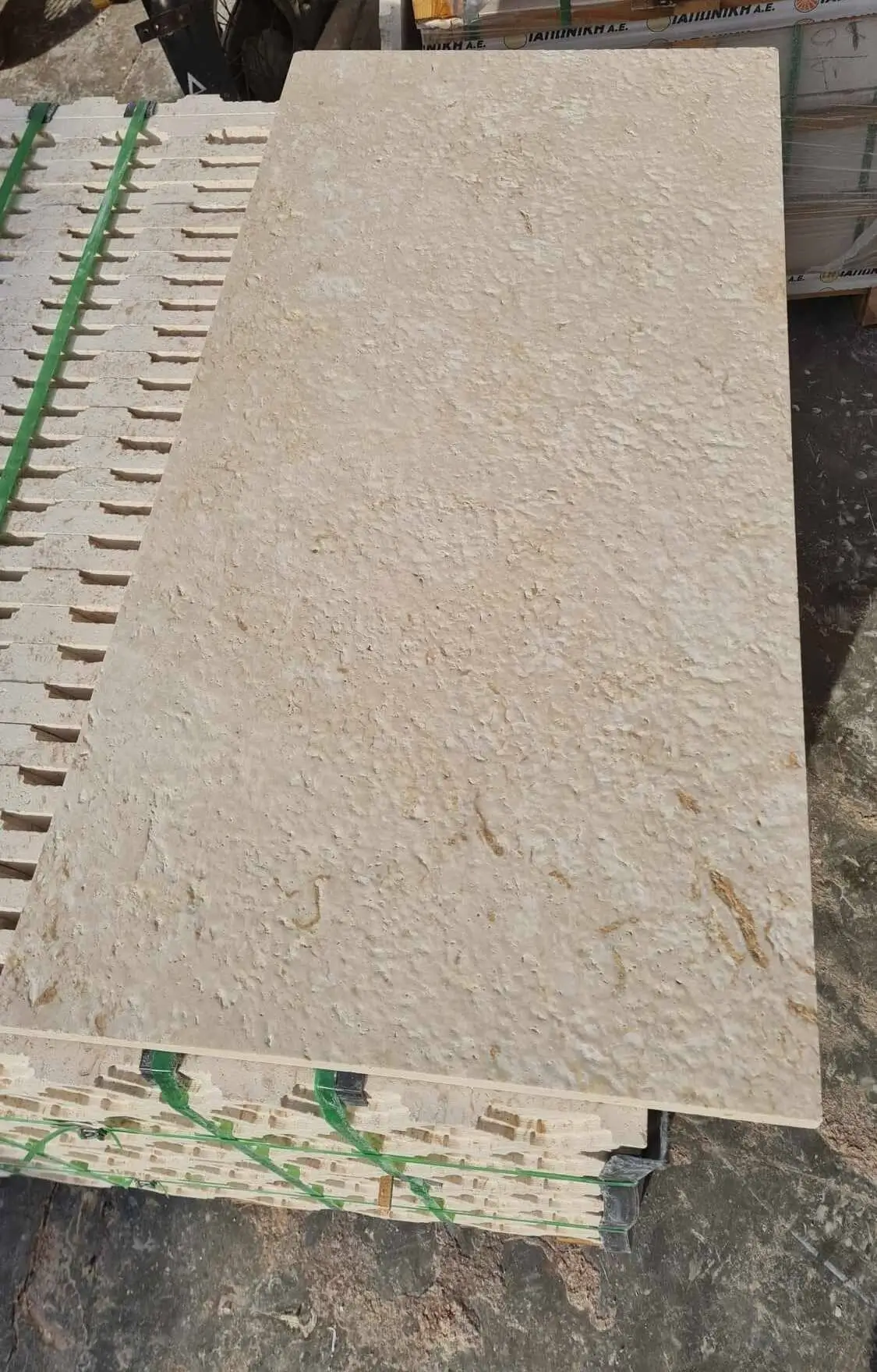
Surface texture separates these two materials almost as much as internal structure does. Slate’s natural cleft face has a slightly irregular, grainy texture that performs well underfoot when wet, which is why it shows up so often on pool surrounds and garden steps. Flamed or thermal-finished granite achieves a similar result through controlled surface fracturing, while polished granite — a poor choice for any exterior walking surface — sacrifices that texture entirely for a mirror finish.
- Cleft slate: naturally textured, strong wet-traction performance, minimal processing required
- Flamed granite: thermally treated surface texture, comparable wet-traction to cleft slate
- Honed granite: smoother finish, reduced traction, better suited to covered or low-moisture areas
- Polished granite: unsuitable for exterior walking surfaces regardless of climate
You’ll want to specify finish alongside material type, not as an afterthought. A granite paver spec that only lists “granite, 2-inch, grey” leaves finish selection to whoever’s stocking the yard that week, and that’s how slippery polished stock ends up on a pool deck.
Base Depth, Frost Lines, and Code-Driven Specifications
Local building departments, not material preference, often set the real constraints on your granite vs slate for landscaping installation. Frost line depth requirements vary significantly by jurisdiction — some regions require footings and base systems extending just 12 inches below grade, while others mandate 36 to 48 inches for anything structurally connected to a foundation or retaining structure. Your base aggregate depth needs to reference the local frost line, not a generic national average, especially for driveway and retaining wall applications tied to structural code review.
Your compacted aggregate base depth should typically run 4-6 inches for pedestrian patios and walkways, extending to 8-12 inches for driveways and any area subject to vehicular loading, per standard geotechnical guidance most municipal reviewers expect to see on a plan set. Edge restraint requirements also vary — some jurisdictions require rigid concrete curbing for driveway-grade installations, while others accept steel or aluminum edge restraint anchored below frost depth. Getting this detail wrong is one of the most common reasons a permitted hardscape installation fails inspection on resubmission.
Seismic and Freeze-Thaw Zone Considerations
Seismic design categories add another layer most landscaping specs ignore until a plan reviewer flags it. Higher seismic zones typically require flexible base systems and looser mortar joints, or dry-laid construction with sand-swept joints, rather than rigid mortar beds that crack under lateral ground movement. In freeze-thaw regions, that same flexibility matters for a different reason — rigid setting beds trap moisture that expands and contracts through repeated freeze cycles, eventually heaving pavers out of plane regardless of whether you specified granite or slate.
- Confirm local frost line depth with your building department before finalizing base specifications
- Verify whether your jurisdiction requires engineered drawings for retaining structures over a defined height, commonly 3-4 feet
- Check seismic design category requirements for base flexibility versus rigid setting systems
- Coordinate edge restraint material and depth with the compacted base thickness specified on your plans
Thickness, Edge Restraint, and Long-Term Stability
Thickness specification differs meaningfully in granite vs slate for landscaping projects because their failure modes differ. Granite pavers for pedestrian applications typically run 1.25 to 2 inches nominal, stepping up to 3 or 4 inches for driveway and motor court applications carrying repeated vehicle loading. Slate stones for landscaping applications generally run thinner for walkways and patios — often 1 to 2 inches as random flagstone — but slate should rarely, if ever, be specified as a structural driveway surface given its directional strength limitations.
- Granite pedestrian applications: 1.25-2 inches nominal thickness
- Granite driveway and motor court applications: 3-4 inches nominal thickness
- Slate walkways and patios: 1-2 inches as random flagstone
- Slate driveway use: not recommended given directional strength limitations
You’ll find that minimum thickness tolerances under ASTM C629 slate dimension stone specifications reflect exactly this directional weakness, requiring thicker sections than granite would need for equivalent load capacity. Edge restraint should extend to the full depth of your compacted base, not just the paver thickness — a restraint system that stops at 3 inches does nothing for a base compacted to 8 inches. This is a detail that separates a 20-year installation from one that starts shifting within five.
Color Range and Grey Landscaping Stones for Design Cohesion
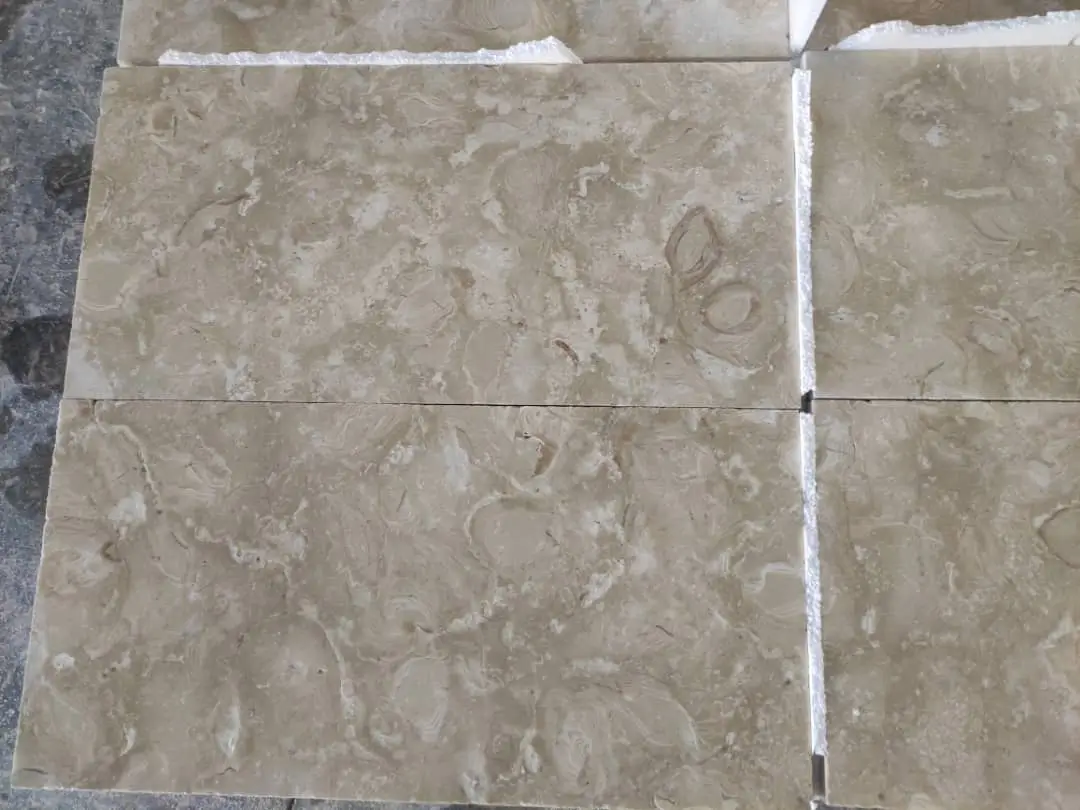
Both materials offer strong grey tonal ranges, which is part of why they get cross-shopped so often for the same project. Granite runs from near-white speckled greys through charcoal and near-black, with consistent mineral flecking throughout the stone. Slate’s grey range tends toward flatter, more uniform tones with subtle color banding, giving it a quieter, more monolithic appearance that some designers prefer for contemporary landscapes.
Consider how these grey tones read under changing light and surrounding hardscape tones before finalizing a large-format order — the extra week spent on physical samples is worth it. Citadel Stone maintains warehouse inventory of both granite and slate from Citadel Stone across multiple grey tones, which lets you compare physical samples side by side rather than relying on inconsistent digital color renderings. That comparison matters more than most spec sheets suggest, since granite’s fleck pattern and slate’s cleft texture photograph very differently than they read in daylight.
Maintenance, Sealing, and Realistic Lifespan Expectations
Granite’s low porosity — typically under 0.4% water absorption — means it needs sealing far less often than slate, which can run 0.5% to 3% depending on the quarry source and cleft orientation. You can expect a properly installed granite patio to go 10-15 years between sealing cycles in most conditions, while slate generally needs resealing every 2-4 years to maintain its color depth and resist moisture infiltration along cleavage planes. Grey landscaping stones in particular can show sealing lapses more visibly, since color shift is easiest to spot against a flat, uniform tone. Neither timeline is a guarantee — soil drainage, joint sand condition, and traffic load all shift the actual interval.
- Granite: low porosity, infrequent sealing, minimal color shift over decades
- Slate: moderate to higher porosity depending on source, more frequent sealing, some natural color deepening over time
- Both materials benefit from breathable, penetrating sealers rather than film-forming topical coatings
- Joint sand condition affects both materials’ long-term stability more than sealing frequency alone
You can expect realistic service life to run 30-50+ years for properly specified and installed granite, and 20-30 years for slate under comparable conditions, with variance driven heavily by base preparation quality rather than material selection alone.
Cost, Sourcing, and Lead-Time Considerations
Cost differences in granite vs slate for landscaping decisions vary more by quarry source and finish than by material category alone, so treat per-square-foot pricing guides skeptically. Domestic granite supply for landscaping projects tends to run more predictably priced than imported slate, which often ships from overseas quarries with longer, less flexible lead times. Your project schedule should account for this gap before finalizing bid pricing, particularly on larger driveway or motor court projects with tight completion windows.
- Domestic granite: more predictable pricing and shorter lead times
- Imported slate: pricing tied to quarry source and finish, longer shipping cycles
- Citadel Stone warehouse stock: typically 1-2 week lead time
- Overseas slate sourcing: often 6-8 week lead time
Citadel Stone maintains warehouse inventory nationwide across both materials, which typically reduces lead times to 1-2 weeks compared to the 6-8 week import cycle many slate-specific projects face when sourced overseas. You should verify current warehouse stock levels and truck delivery scheduling before committing to a hard project timeline — our technical team routinely fields these logistics questions from contractors mid-project. Confirming truck access to the site early also avoids costly re-scheduling if a delivery vehicle can’t reach the staging area you’d planned, particularly on large-tonnage orders where a single truck load may not cover the full specification.
Matching Granite or Slate to Your Application
The application ultimately narrows the granite vs slate for landscaping decision faster than any spec sheet comparison. Below are the scenarios that come up most often in the field, along with the material that typically performs better for each.
Driveways and High-Traffic Areas
For granite stone landscaping projects carrying regular vehicle weight, your specification should favor granite’s isotropic compressive strength and consistent load-bearing performance across the full paver face. Slate’s directional strength makes it a riskier specification for driveways unless you’re working with unusually thick sections and a conservative structural engineer sign-off.
Patios, Walkways, and Pool Surrounds
Both materials perform well here, and the decision often comes down to texture preference and budget. Slate stones for landscaping bring natural cleft surface texture and lighter installed weight, making them a strong choice for pedestrian-only patios and garden paths, while granite’s durability edge holds up better around pool surrounds exposed to chemical splash and heavy foot traffic.
Getting Granite vs Slate for Landscaping Specifications Right
Granite and slate both deliver decades of service when specified correctly, but they aren’t interchangeable, and the code-driven details — base depth, frost line, edge restraint, seismic considerations — matter as much as the material itself. Your structural application should drive the decision first, with color and texture preference narrowing the choice from there. As you plan your stone project, related maintenance practices can extend the service life of either material considerably — ongoing care guidance for natural stone hardscapes covers the sealing schedules and joint maintenance that keep either surface performing as designed. Granite generally resists freeze-thaw cycling better than slate in high-moisture climates, a distinction Citadel Stone routinely discusses with contractors during material selection.
Related reading: best stone for landscaping · landscape stone prices per square foot · stone landscape edging installation.