

Landscape stone prices per square foot vary far more than most project budgets account for — and the gap between a well-priced specification and an expensive surprise usually comes down to three variables that rarely appear on a supplier’s price sheet. Material density, finish processing, and site-specific prep requirements each carry hidden cost implications that compound quickly across large areas. Understanding how these layers interact gives you real control over your budget from the first estimate through final installation.
What Actually Drives Landscape Stone Prices per Square Foot
The sticker price you see on a product listing reflects raw material cost at the warehouse — it does not reflect what you will actually spend per square foot installed. Material cost typically represents 40–60% of the total project cost depending on stone type, with the remainder split between base preparation, labor, delivery, and waste allowance. Treating the material price as the project price is the most common budgeting error on natural stone projects.
Stone density is the first cost driver most buyers underestimate. Dense igneous materials like granite weigh significantly more per pallet than sedimentary options like limestone or sandstone flagstone. That weight difference translates directly into truck freight costs, handling time on site, and the structural requirements for your base. Lighter, more porous stones often cost less per square foot on paper but may require more aggressive sealing schedules that add to long-term maintenance cost.
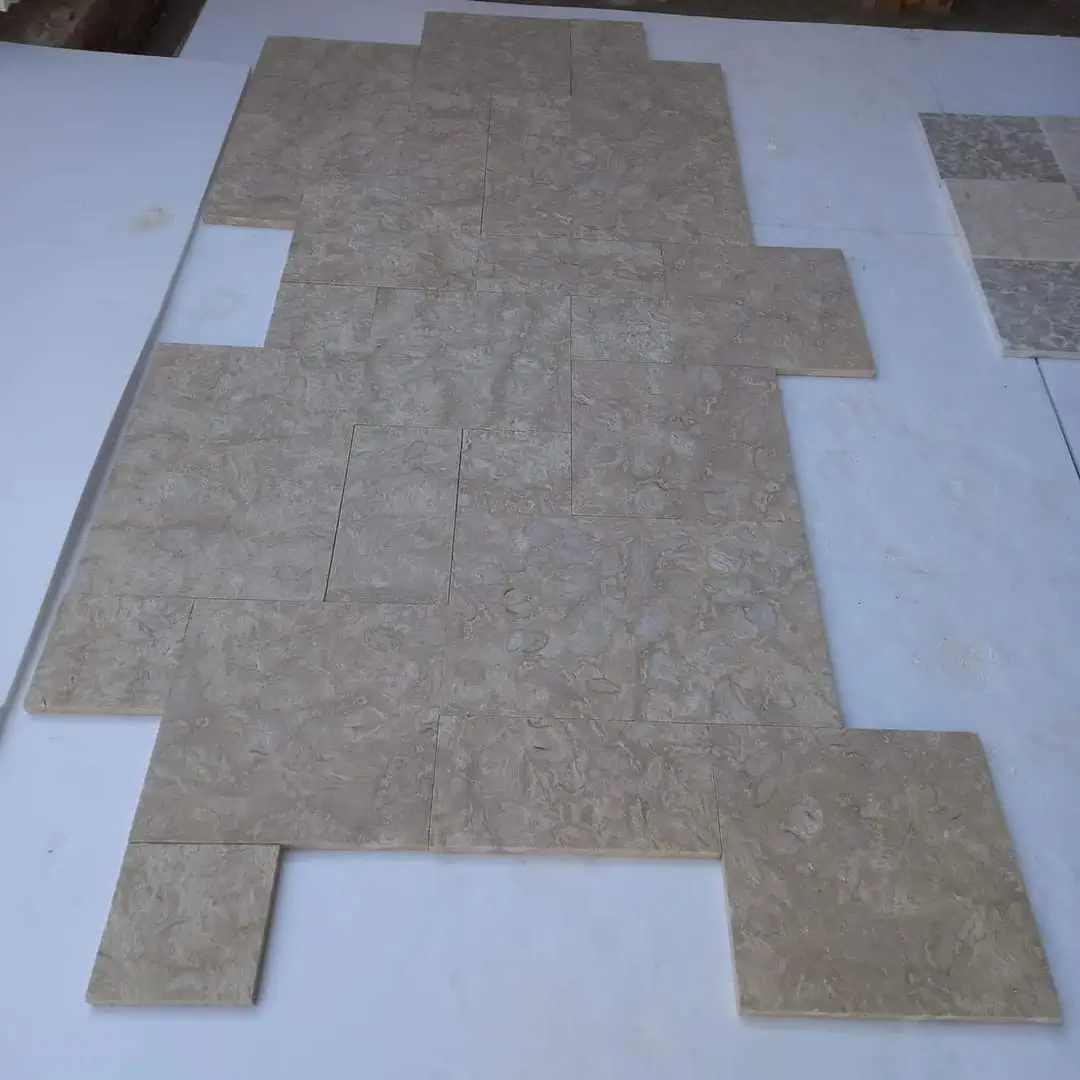
Surface finish processing adds another distinct cost tier. A honed finish on limestone requires additional factory processing time compared to a split or tumbled face, and that labor gets embedded in the per-square-foot price. Polished finishes on granite or marble carry the highest processing premium — sometimes 20–35% above an equivalent honed slab of the same material. For outdoor landscape applications, polished finishes are rarely the right specification anyway, but understanding the cost structure helps you compare landscape stones prices accurately across different finish categories.
Landscape Stone Price Ranges by Material Type
Natural stone is not a single product category — it spans a wide performance and price spectrum. Your material selection decision should start with application requirements, then filter by budget. Here is a realistic breakdown of what you can expect to pay for common landscape stone materials at the material-only level, before installation costs:
- Limestone pavers and flagstone: typically $3–$9 per square foot depending on finish and thickness, with tumbled formats at the lower end and sawn-edge honed formats at the upper end
- Travertine pavers: generally $4–$11 per square foot, with filled-and-honed formats commanding a premium over unfilled tumbled options
- Granite pavers and cobbles: $6–$14 per square foot, driven by color rarity, quarry source, and slab vs. paver format
- Bluestone flagstone: $5–$13 per square foot, with natural cleft face formats at the lower end and thermal-finished sawn-edge at the higher end
- Sandstone flagstone: $2.50–$7 per square foot, one of the more budget-accessible natural stone categories for large landscape areas
- Basalt pavers: $7–$16 per square foot, reflecting the processing intensity of dense volcanic material
- Slate flagstone: $4–$10 per square foot, with dimensional sawn formats priced considerably higher than irregular natural cleft
These ranges represent material cost only. According to Natural Stone Institute variety selection guidance, different stone types carry distinct absorption rates, density profiles, and surface hardness ratings that directly affect both application suitability and long-term maintenance requirements. Choosing a stone based on landscaping stone prices alone without considering these performance variables often results in premature replacement costs that far exceed the initial savings.
Thickness and Format: How They Shift Your Cost per Square Foot
The same material in different thicknesses can vary by $2–$5 per square foot at the material level alone. A 1-inch limestone paver costs less than a 2-inch paver of identical material and finish — but the thinner format may require a more precisely prepared base to prevent cracking, which shifts cost back into the installation side of the budget. Understanding this trade-off is essential before you lock in a specification.
Thickness guidelines for common landscape applications run approximately as follows:
- Pedestrian patio and walkway applications: 1.25–1.5 inch nominal thickness handles typical foot traffic loads adequately when set over a properly compacted base
- Driveway and vehicular-rated paving: 2–2.4 inch minimum, with some granite and basalt formats available at 3 inches for heavy-load applications
- Pool deck and coping: 1.25–1.5 inch for field pavers, with coping pieces typically 2 inches to provide adequate nose overhang and edge strength
- Stepping stone and informal path layouts: irregular flagstone as thin as 1 inch works in set-in-sand or set-in-gravel applications where point loads are distributed
Format affects landscaping stone prices beyond just thickness. Dimensional cut stone — square or rectangular pieces with sawn edges — carries a manufacturing premium over irregular flagstone or tumbled shapes. That premium is real, but dimensional formats also reduce installation labor time significantly because the fitting and cutting work on site is minimized. For large-area projects, the labor savings from dimensional stone often offset a portion of the higher material cost per square foot.
The Full Landscaping Stone Cost Breakdown: Beyond Material Price
The total installed cost of landscape stone per square foot typically runs 2.5–3.5 times the material-only price. That multiplier accounts for base preparation, setting bed, joint material, labor, and project-specific variables. Here is where the money actually goes:
- Base aggregate (compacted gravel or crushed stone): $1.50–$3.50 per square foot depending on required depth and local aggregate pricing
- Setting bed (sand, mortar, or polymeric setting material): $0.50–$2.50 per square foot depending on method — dry-set sand is the most economical, mortar-set the most expensive
- Labor for installation: $6–$18 per square foot, driven by pattern complexity, site access constraints, and stone format — irregular flagstone with tight-fit jointing is at the high end, dimensional cut stone in running bond at the lower end
- Joint filling (polymeric sand or mortar): $0.25–$1.00 per square foot
- Sealing (recommended for most porous stones): $0.50–$1.50 per square foot for the first application
- Waste allowance: budget 8–12% extra material for cuts, breakage, and pattern matching on most projects; irregular flagstone may require 15–20% overage
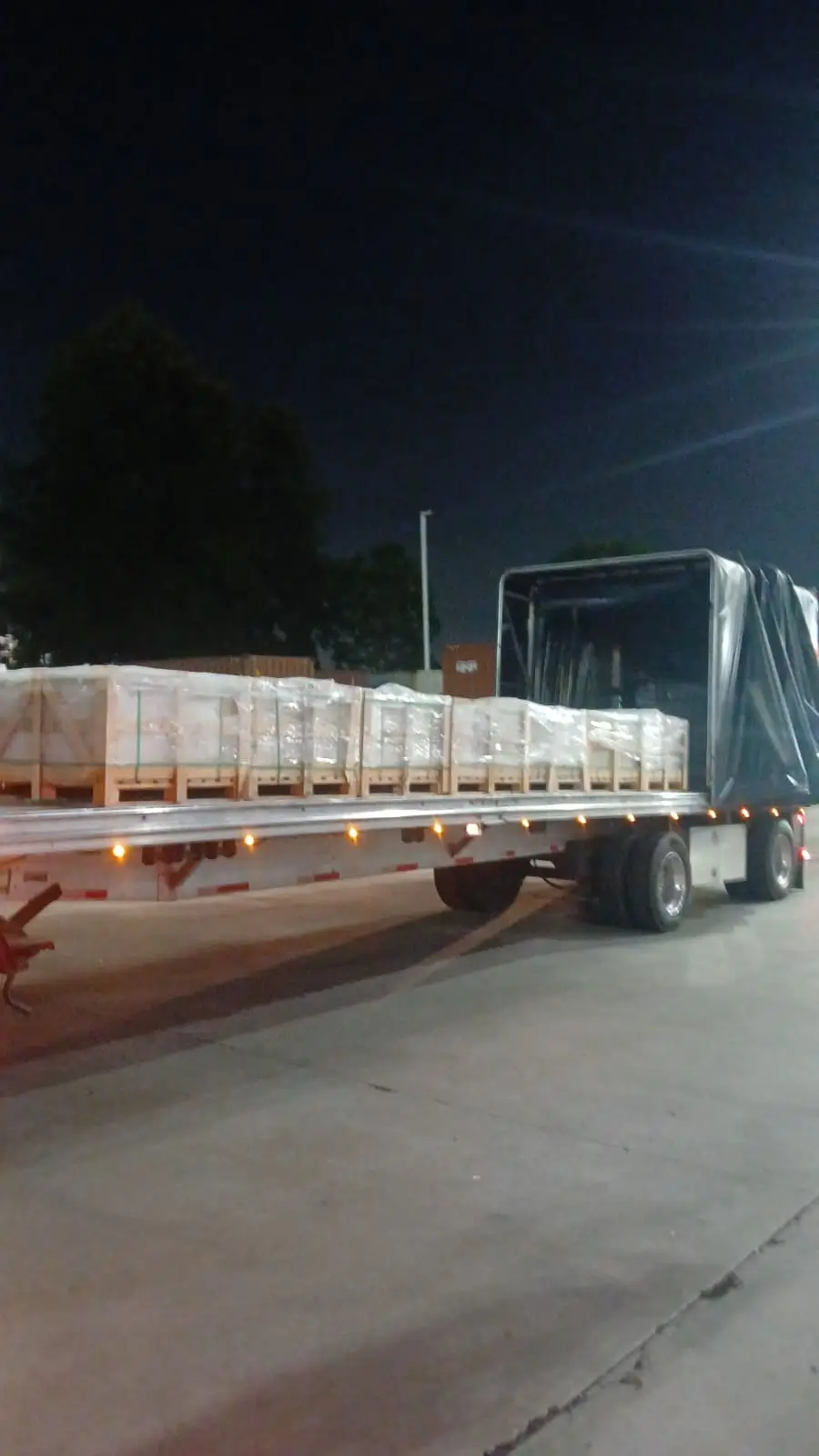
Delivery logistics add a cost layer that depends entirely on project location and order volume. Truck freight for natural stone is charged by weight, and a full pallet of dense granite can weigh 3,000–4,000 pounds. Coordinating your truck delivery schedule with site readiness avoids costly restocking fees or storage charges if the material arrives before the base is prepared.
How Soil Conditions Affect Your True Cost per Square Foot
Ground conditions are the single most underestimated cost variable in landscape stone pricing — and they are completely invisible in any supplier’s price sheet. The base preparation work required depends almost entirely on what lies beneath your project area, and two identical material specifications can have dramatically different total costs depending on what the excavator finds.
Expansive clay soils present the most challenging subgrade condition for natural stone installations. Clay absorbs moisture and swells, then contracts as it dries — a cycle that generates significant upward and lateral movement in any paving system above it. Installing landscape stone over unstable clay without addressing the subgrade is one of the most common causes of early failure. Proper remediation typically involves excavating deeper than standard base depth recommendations, adding a geotextile separation fabric, and increasing the compacted aggregate base depth from a standard 4–6 inches to 8–12 inches. That additional base work adds $2–$5 per square foot in material and labor costs before a single paver goes down.
Sandy or loose soils present a different challenge. They drain extremely well — which is beneficial for preventing hydrostatic pressure under your paving — but they provide poor lateral support and are prone to washout under the base aggregate. A geotextile fabric layer between the native soil and base aggregate is standard practice in sandy subgrade conditions, adding modest cost but significantly extending installation life. Rocky or caliche soils require mechanical breaking and removal before base preparation can begin, and that excavation cost can add $3–$8 per square foot to your total project number depending on depth and material hardness.
Soil bearing capacity also affects the base depth specification. USGS dimension stone production and use data confirms that stone paving systems perform most durably when the compacted subbase is engineered to the specific load and soil conditions of the project — not simply applied at a generic standard depth. Getting a soil assessment before finalizing your landscape stone budget is the kind of step that separates installations that last 20+ years from ones that need releveling within five.
Surface Finish Options and How They Affect Landscape Stone Prices
Surface finish is where landscape stone prices can jump sharply within the same stone type. The finish affects not just aesthetics but also slip resistance, maintenance requirements, and suitability for specific applications — all of which have downstream cost implications.
- Natural cleft or split face: the most economical finish for flagstone types; the stone is split along its natural planes, requiring minimal factory processing; suitable for informal paths and garden areas but the irregular surface can be challenging for outdoor furniture placement
- Tumbled finish: stones are tumbled with abrasive media to produce rounded edges and a softened surface texture; moderately priced; excellent for informal patios and areas where a more aged aesthetic is desired; provides good slip resistance for landscape use
- Brushed finish: wire-brushed to open the surface texture while maintaining a relatively flat plane; mid-range pricing; good outdoor traction and a more refined appearance than tumbled; widely used for pool deck applications
- Honed finish: factory-ground to a smooth, matte surface; requires more processing time than brushed or tumbled, priced accordingly; very even surface ideal for contemporary landscape designs; needs regular sealing on porous stones
- Thermal finish: flame-treated surface that creates a rough, slip-resistant texture particularly suited to outdoor use; adds $1–$3 per square foot over honed pricing on materials like granite; excellent durability and low maintenance
- Polished finish: highest processing premium; generally not recommended for outdoor landscape applications due to slip hazard when wet and UV-related dulling over time
For most outdoor landscape stone applications, brushed, tumbled, or thermal finishes represent the best balance of performance and value. The additional cost of a honed or polished finish rarely delivers proportional benefit in an exterior environment where UV exposure, water, and foot traffic are constant factors.
Ordering, Logistics, and Lead Time: The Hidden Cost Variables
Sourcing natural stone for landscape projects requires planning that goes well beyond choosing a material and placing an order. Lead time, warehouse availability, and delivery coordination all affect total project cost in ways that are easy to overlook during the budgeting phase.
Domestic warehouse stock moves faster and more predictably than imported stone. For landscape stone from Citadel Stone, materials held in national warehouse inventory typically ship within 1–2 weeks — a significant advantage over the 6–10 week lead time that applies to imported stone arriving by container from overseas quarries. That lead time difference directly affects project scheduling, especially when multiple trades are sequenced around your stone installation.
Truck freight cost scales with weight and delivery distance. Full truckload orders (FTL) carry lower per-pallet freight rates than less-than-truckload (LTL) shipments, which means consolidating your order to a full truck whenever possible reduces your effective cost per square foot. For large projects, coordinating a single full truck delivery versus multiple smaller shipments can save $400–$1,200 in freight depending on distance and material weight.
Verify warehouse stock levels before finalizing your project timeline. Back-ordered material on a specific color or format can delay installations by weeks, and substituting a different stone mid-project creates color and texture matching problems that are difficult to correct. At Citadel Stone, our technical team can confirm current stock levels and advise on realistic delivery windows so your schedule stays on track.
Calculating Material Quantities Without Wasting Budget
Accurate quantity calculation is fundamental to managing landscape stone prices per square foot at the project level. Over-ordering locks up capital in unused material; under-ordering causes delays, price exposure if the material goes out of stock, and potential color or lot variation issues in supplemental orders.
The baseline calculation starts with your square footage: length × width for rectangular areas, or a zone-by-zone measurement for irregular layouts. Add 10% for standard waste (cuts and breakage) on dimensional stone in simple patterns. Increase that waste factor to 15% for running bond or offset patterns with significant perimeter cutting, and to 20% for irregular flagstone or complex diagonal layouts. For projects with multiple radius curves or intricate feature areas, experienced installers often carry a 25% waste factor to avoid mid-project shortages.
Coverage rates also vary by stone format and thickness. Natural stone pavers in a 12×24 dimensional format cover predictable square footage per pallet based on nominal dimensions. Irregular flagstone pallets are sold by weight, and coverage per ton depends on the average thickness of the pieces — thicker stock covers less area per ton. Always confirm the coverage rate per unit (pallet or ton) with your supplier before calculating order quantities, and account for the specific thickness you are specifying rather than relying on generic coverage estimates.
Comparing Landscape Stones Prices for Specific Applications
The most cost-effective material choice depends on what the application actually demands. Applying a premium specification to a low-demand area wastes budget; under-specifying a high-demand area creates premature failure costs. Matching material performance to application requirements is where real budget efficiency comes from.
For high-traffic pedestrian areas like main entry walkways and pool surrounds, limestone and travertine in the $4–$9 per square foot range deliver excellent performance when properly sealed and maintained. Their moderate density keeps freight costs manageable, and brushed or tumbled finishes are the usual choice for wet-zone applications — confirm the wet DCOF against ANSI A326.3. According to the American Society of Landscape Architects natural stone hardscape guidance, material selection for outdoor hardscape should prioritize durability, drainage compatibility, and slip resistance alongside aesthetic considerations — a framework that points clearly toward mid-range natural stones for most residential and commercial landscape applications.
For driveways and areas with vehicle traffic, denser materials are non-negotiable. Granite pavers at $6–$14 per square foot provide the compressive strength and abrasion resistance that vehicular loading demands. The higher material cost is partially offset by reduced maintenance frequency — granite’s low absorption rate means resealing intervals are measured in years, not seasons. Natural stone pavers in granite formats are among the most durable long-term investments in landscape stone, particularly in freeze-thaw regions or climates with significant temperature cycling that would stress lower-density materials.
For informal garden paths, screening areas, and naturalistic landscape zones, sandstone and lower-cost limestone flagstone bring landscape stones prices into the $2.50–$6 per square foot range without sacrificing the authentic stone aesthetic. These applications tolerate slight movement and minor surface variation better than formal patio environments, which reduces the base preparation cost and allows for less rigid installation specifications.
Long-Term Cost and Maintenance: What Landscape Stone Prices Don’t Include
The purchase price and installation cost of landscape stone represent only the first chapter of your total ownership cost. Maintenance requirements over a 20–30 year lifespan can significantly alter the real cost-per-year of any material choice — and those figures are rarely presented alongside the initial price quote.
Sealing is the primary ongoing maintenance cost for most natural stone landscape applications. Porous stones like limestone, travertine, and sandstone require resealing every 2–4 years depending on traffic, UV exposure, and the specific sealer product used. A professional resealing application typically costs $0.75–$2.00 per square foot including labor and materials. Over a 20-year period, that cumulative sealing cost adds $3.75–$10 per square foot to your total ownership cost — a meaningful factor when comparing landscaping stone prices across material types.
- Granite and basalt have the lowest sealing frequency requirements among common landscape stones, typically needing treatment every 5–8 years due to their low porosity
- Travertine and limestone require the most consistent sealing schedule, particularly in areas exposed to acidic rainfall or pool water splashing
- Sandstone and some slate varieties are highly variable in absorption rate depending on their geological origin — test absorption on a sample piece before specifying a sealing schedule
- Polymeric joint sand in pedestrian applications typically needs refreshing every 4–7 years as it slowly erodes from rainfall and UV exposure
- Weed management in open-jointed applications adds a minor but recurring maintenance cost that sealed mortared joints eliminate at the cost of higher initial installation expense
According to USGS natural stone production and use data, natural stone paving systems consistently demonstrate among the longest service lives of any exterior hardscape material category when properly specified and maintained — making the per-year cost considerably lower than the upfront price comparison suggests. That durability premium is the core value proposition of natural stone in landscape applications: the higher initial investment amortizes over a lifespan that manufactured alternatives rarely match.
What Matters Most When Evaluating Landscape Stone Prices per Square Foot
Getting landscape stone prices per square foot right means building your budget around the full project picture, not just the material line item. The material cost matters, but it accounts for less than half of what most projects actually spend. Base preparation driven by your specific soil and subgrade conditions, finish selection matched to application demands, accurate quantity calculations with appropriate waste factors, and a realistic maintenance cost projection over the installation’s service life — these are the variables that determine whether your budget reflects reality.
Your specification decisions in the early planning phase carry more financial weight than most buyers realize. Choosing a slightly more expensive but lower-maintenance stone can reduce your 20-year ownership cost meaningfully. Investing in proper subgrade remediation on challenging soil conditions prevents the early failure costs that make the cheapest material choice the most expensive one in practice. As you explore stone options for your project, comparing top landscape stone materials side by side gives you the performance context needed to make a confident specification decision. Project size, stone type, and surface finish all influence final cost, and Citadel Stone provides material specifications to support accurate budget planning.