Design First: Why Aesthetics Drive the Flagstone vs Concrete Decision
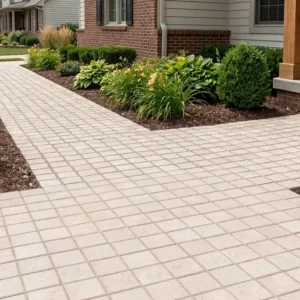
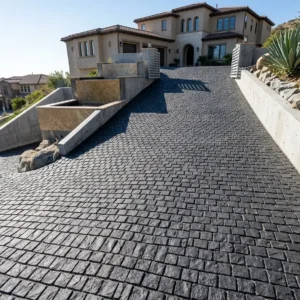
The flagstone vs concrete pavers debate rarely starts with compressive strength or freeze-thaw ratings — it starts with a mood board, a landscape vision, or an architectural style that needs to be honored. Natural flagstone brings an irreplaceable character to outdoor spaces: variation in color, texture, and form that no manufactured product can authentically reproduce. Concrete pavers are precision-uniform by design, which suits certain project aesthetics beautifully but eliminates the organic randomness that defines traditional, rustic, and nature-forward landscapes. For any natural stone patio pavers comparison, that aesthetic distinction is the first and most decisive variable. Your choice between these two materials shapes every subsequent design decision — plant palette placement, edging detail, furniture scale, and even lighting angles. A contemporary minimalist courtyard can absolutely justify the clean geometry of concrete pavers. A colonial revival garden, a desert xeriscaping scheme, or a Pacific-influenced tropical planting scheme will almost always read as more resolved when flagstone grounds the composition.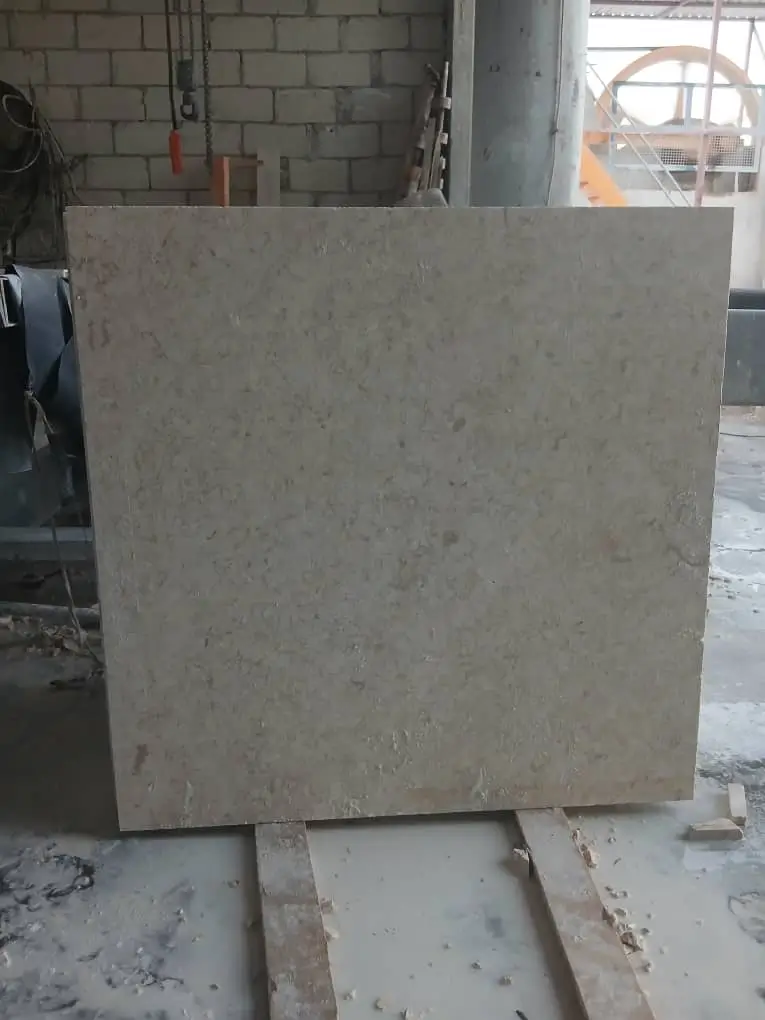
How Architectural Traditions Influence Stone Selection
Regional architectural traditions carry embedded material logic that has developed over generations, and it pays to work with that logic rather than against it. In regions where colonial and craftsman styles dominate the housing stock, flagstone pavers align naturally with the low, horizontal massing and earth-toned palettes those styles demand. Concrete pavers in buff or charcoal can look technically competent in these contexts, but they rarely achieve the cohesion that aged or tumbled flagstone delivers. Desert xeriscaping presents one of the clearest cases where material selection and landscape design merge completely. Irregular flagstone in warm sandstone tones or rust-veined quartzite reads as an extension of the dry, sculptural planting — agaves, ornamental grasses, and low-water shrubs seem to grow from the stone rather than sit beside it. Poured or pressed concrete pavers in the same setting tend to assert a manufactured quality that breaks the naturalistic illusion your planting design works hard to create.- Colonial and traditional revival styles: tumbled limestone or irregular flagstone in warm buff, cream, or grey tones anchors the formal garden geometry
- Modern minimalist design: large-format flagstone slabs in consistent thickness or refined concrete pavers both work, but natural stone adds material depth that concrete lacks
- Tropical planting schemes: dark, textured flagstone in charcoal or basalt tones contrasts dramatically against lush green foliage
- Desert xeriscaping: irregular flagstone in sandstone, quartzite, or warm limestone feels geologically honest and visually integrated
- Rustic farmhouse and cottage styles: weathered, irregular flagstone with planted joints creates the lived-in character these aesthetics require
Flagstone vs Concrete Pavers: Material Character and Performance
The flagstone vs concrete pavers comparison gets interesting when you move past surface aesthetics and examine what each material actually does over time. Natural flagstone — whether quarried as limestone, bluestone, quartzite, or sandstone — is a geological product with inherent variability in density, absorption, and surface texture. Concrete pavers are engineered products with tightly controlled mix designs, consistent thickness tolerances, and predictable compressive strength, typically ranging from 8,000 to 10,000 PSI depending on the manufacturer. Field performance data on natural stone paving shows that well-specified flagstone installations regularly achieve 25- to 40-year lifespans with minimal intervention beyond periodic joint sand replenishment and sealing every three to five years. Concrete pavers in comparable applications tend to show surface color fade within 10 to 15 years due to UV degradation of their pigment systems, while the underlying structural integrity remains adequate. That distinction matters for design longevity — flagstone doesn’t fade, it weathers into greater character. This is a core finding in any rigorous outdoor paving material pros and cons analysis: manufactured color systems and mineral-based color systems age on fundamentally different timelines. According to flagstone sedimentary rock characteristics and paving use, flagstone’s natural cleavage planes produce surfaces that are textured in their natural state, a performance advantage that engineered pavers must achieve through surface texturing or aggregate seeding at the manufacturing stage.- Flagstone compressive strength: varies by stone type — quartzite exceeds 20,000 PSI, limestone ranges from 4,000 to 15,000 PSI depending on density
- Concrete paver compressive strength: typically 8,000–10,000 PSI per ASTM C936 requirements
- Thermal expansion coefficient: natural stone averages 3–7 × 10⁻⁶ per °F; concrete averages 5.5–6.5 × 10⁻⁶ per °F — similar ranges, but stone’s natural variation distributes stress differently
- UV stability: natural stone color is mineral-based and effectively permanent; concrete paver pigments degrade visibly under prolonged UV exposure
- Surface slip resistance: natural stone cleavage surfaces typically achieve DCOF values above 0.42 wet, meeting ANSI A326.3 minimums without surface treatment
Natural Stone Pavers Comparison by Stone Type
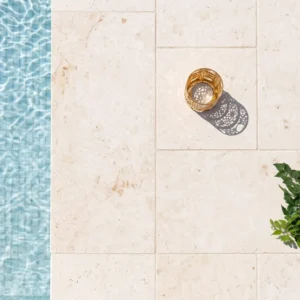
Not all flagstone performs identically, and the natural stone pavers comparison you need to run isn’t just flagstone versus concrete — it’s also limestone versus quartzite versus sandstone versus slate, each bringing a different performance profile to your project. Understanding these distinctions helps you match the right stone to your specific design and end-use requirements. Limestone flagstone is the workhorse of traditional landscape design — available in warm creams, soft greys, and honey tones, it integrates naturally with formal garden styles, colonial architecture, and cottage landscaping. Its absorption rate of 3–8% means it requires sealing in wet-climate applications or near pool environments, but in covered terraces and dry-climate patios it performs with minimal maintenance. Quartzite flagstone sits at the opposite density extreme: absorption below 1%, compressive strength above 20,000 PSI, and a crystalline surface that weathers beautifully over decades. The trade-off is cost and workability — quartzite is harder to cut and typically commands a premium over limestone or sandstone. You can explore the full range of natural stone pavers from Citadel Stone to match specific stone types to your project’s design and performance requirements before committing to a specification.- Limestone flagstone: warm palette, moderate density, absorption 3–8%, ideal for traditional and transitional design styles
- Quartzite flagstone: crystalline hardness, absorption below 1%, frost-resistant, suits modern and high-traffic applications
- Sandstone flagstone: warm reds and buffs, absorption 4–12%, excellent texture for rustic and farmhouse aesthetics — requires sealing in freeze-thaw regions
- Bluestone flagstone: dense, charcoal-to-blue palette, absorption below 2%, strong contrast against light or tropical planting schemes
- Slate flagstone: layered surface texture, dark tonal range, excellent in contemporary or Japanese-influenced landscape designs
Outdoor Paving Material Pros and Cons: A Direct Comparison
The outdoor paving material pros and cons analysis changes depending on what you weight most: initial cost, long-term performance, design flexibility, or ease of installation. Concrete pavers win on cost predictability and installation speed — a skilled crew can set a concrete paver patio roughly 30–40% faster than an equivalent flagstone installation because there’s no stone fitting, minimal cutting adjustment, and the base preparation follows a more standardized protocol. Flagstone installations demand more from the installer — each piece requires fitting judgment, and irregular formats especially require experienced hands to achieve tight joints without excessive cutting waste. That labor investment is the price you pay for the design result, and for most residential and high-end commercial landscape projects, it’s a worthwhile trade. At Citadel Stone, we consistently find that clients who see properly installed flagstone installations in person rarely reconsider the cost differential — the visual difference is simply that decisive.- Flagstone advantages: unique aesthetic character, permanent color stability, long service life (25–40+ years), surface texture that varies by finish, design versatility across landscape styles
- Flagstone limitations: higher installation labor cost, requires experienced setters for irregular formats, some stone types need periodic sealing, heavier truck delivery logistics
- Concrete paver advantages: cost-effective installation, predictable sizing, consistent thickness, wide color range at purchase, easier DIY installation for simple patterns
- Concrete paver limitations: UV color fade within 10–15 years, surface pigment erosion, manufactured uniformity limits authentic design character, efflorescence risk in wet climates
- Both materials: require compacted aggregate base minimum 4 inches for pedestrian traffic, 6–8 inches for vehicular loads; both benefit from perimeter restraint to prevent migration
Which Paver Type Lasts Longer Outdoors: Durability and Lifespan
The question of which paver type lasts longer outdoors depends heavily on what you define as failure. Structural failure — cracking, heaving, or collapse — is rare in both properly installed systems. The more common failure mode is aesthetic degradation, and here flagstone has a fundamental advantage rooted in material science. Natural stone color is mineral-based, formed over geological time through crystal and chemical processes that UV radiation simply cannot reverse-engineer. Concrete paver color is surface pigment suspended in a cementitious matrix, and that pigment system begins fading from the moment UV exposure begins. The USGS flagstone and dimension stone paving data confirms that dimension stone used in outdoor applications demonstrates service life characteristics that substantially exceed most engineered paving alternatives when base preparation and drainage are properly executed. The key phrase is “when base preparation is proper” — both flagstone and concrete pavers will fail prematurely on inadequate bases regardless of material quality. In freeze-thaw regions, the flagstone versus poured concrete durability comparison gets more nuanced. Dense flagstone types — quartzite, dense limestone, and bluestone with absorption below 2% — outperform concrete pavers in freeze-thaw cycling because they carry less water into their structure. Sandstone and softer limestones with absorption above 6% require sealing in these conditions or face accelerated surface spalling. Concrete pavers formulated to ASTM C936 include air entrainment specifically to manage freeze-thaw stress, so they perform adequately, but high-density natural stone remains the superior option for extreme-cycle environments. Understanding which paver type lasts longer outdoors in each of these scenarios is essential before finalizing any specification.Base Preparation and Installation Variables That Determine Longevity
The specification detail that separates a 15-year flagstone installation from a 30-year one isn’t the stone grade — it’s base depth and drainage geometry. Your aggregate base must be compacted to 95% Proctor density minimum, and for flagstone formats above 18 inches, a sand-set bed of 1 inch nominal (no more — thick sand beds allow rocking and edge chipping) over the compacted aggregate is the correct approach. Mortar-set flagstone on concrete slab substrates achieves superior stability for formal applications, but requires expansion joints every 10–12 feet to manage thermal movement — most installers skip this detail and pay for it within five years. Concrete pavers have less installation variability because the ICPI installation system is highly standardized, but they’re not immune to base failure. The most common failure mechanism for both materials is differential settlement caused by inadequate compaction at the edges of the installation where plate compactors can’t reach. Hand tamping those final 12 inches is non-negotiable. The ASLA natural stone and flagstone outdoor paving guidance reinforces that drainage integration is the primary performance variable in any paved outdoor surface, regardless of material choice.- Minimum aggregate base for pedestrian flagstone: 4 inches compacted gravel (6 inches in clay-heavy soils)
- Minimum aggregate base for vehicular flagstone: 8–10 inches compacted gravel over geotextile fabric
- Sand setting bed depth: 1 inch nominal — never exceed 1.5 inches or flagstone will rock under foot traffic
- Mortar bed for formal installations: 1.5–2 inch mortar bed over concrete slab with 3/8-inch joints minimum
- Expansion joint spacing for mortar-set flagstone: every 10–12 linear feet in both directions
- Edge restraint: required for all sand-set installations — plastic or aluminum edging spiked at 12-inch intervals prevents creep
Color Palette and Landscape Integration: Matching Stone to Design Intent
Your stone color selection does more design work than most specifiers realize. Flagstone’s natural palette connects visually to soil tones, plant stems, bark textures, and hardscape boundaries in a way that reads as geologically coherent. Concrete pavers offer manufactured color ranges — typically buff, charcoal, tan, and red blends — that can approximate natural stone tones but rarely achieve the depth and variation that come from actual mineral composition. In tropical planting schemes, the contrast between dark stone and intense green foliage is a design principle borrowed from traditional Japanese garden design and applied broadly in contemporary tropical landscape work. Dark bluestone or charcoal slate flagstone serves this role perfectly — the color contrast is sharp without being harsh, and the natural surface texture prevents the stone from reading as a manufactured material. Concrete pavers in dark tones tend to look artificial against tropical planting, particularly as they fade and develop inconsistent color patches. Desert xeriscaping palettes demand warm ochres, rusts, and sandy beiges that connect the hardscape to the exposed soil and gravel mulch typical of these designs. Warm limestone flagstone and sandstone flagstone in these tones are the natural specification — they don’t need to pretend to belong because they’re geologically related to the landscape they’re placed in. Concrete pavers in equivalent tones can work in budget-constrained desert projects, but they’ll always read as an approximation rather than an authentic material expression. Any thorough natural stone patio pavers comparison will arrive at the same conclusion: mineral authenticity cannot be manufactured.- Traditional and colonial styles: cream, buff, and warm grey limestone flagstone — cool tones feel anachronistic in these warmer-palette architectural contexts
- Modern minimalist: large-format grey or charcoal flagstone slabs with consistent joints — irregular shapes undermine the geometric precision these styles demand
- Tropical and subtropical planting: dark bluestone, charcoal slate, or black basalt — high contrast against foliage creates visual drama without competing with plants
- Desert xeriscaping: warm sandstone, rust quartzite, or honey limestone — connects hardscape to the earth tones of dry-climate planting and exposed aggregate mulch
- Cottage and farmhouse: irregular tumbled limestone or sandstone in warm tones — the casual fitting and planted joints complete the relaxed aesthetic
Ordering, Logistics, and Project Planning for Natural Stone
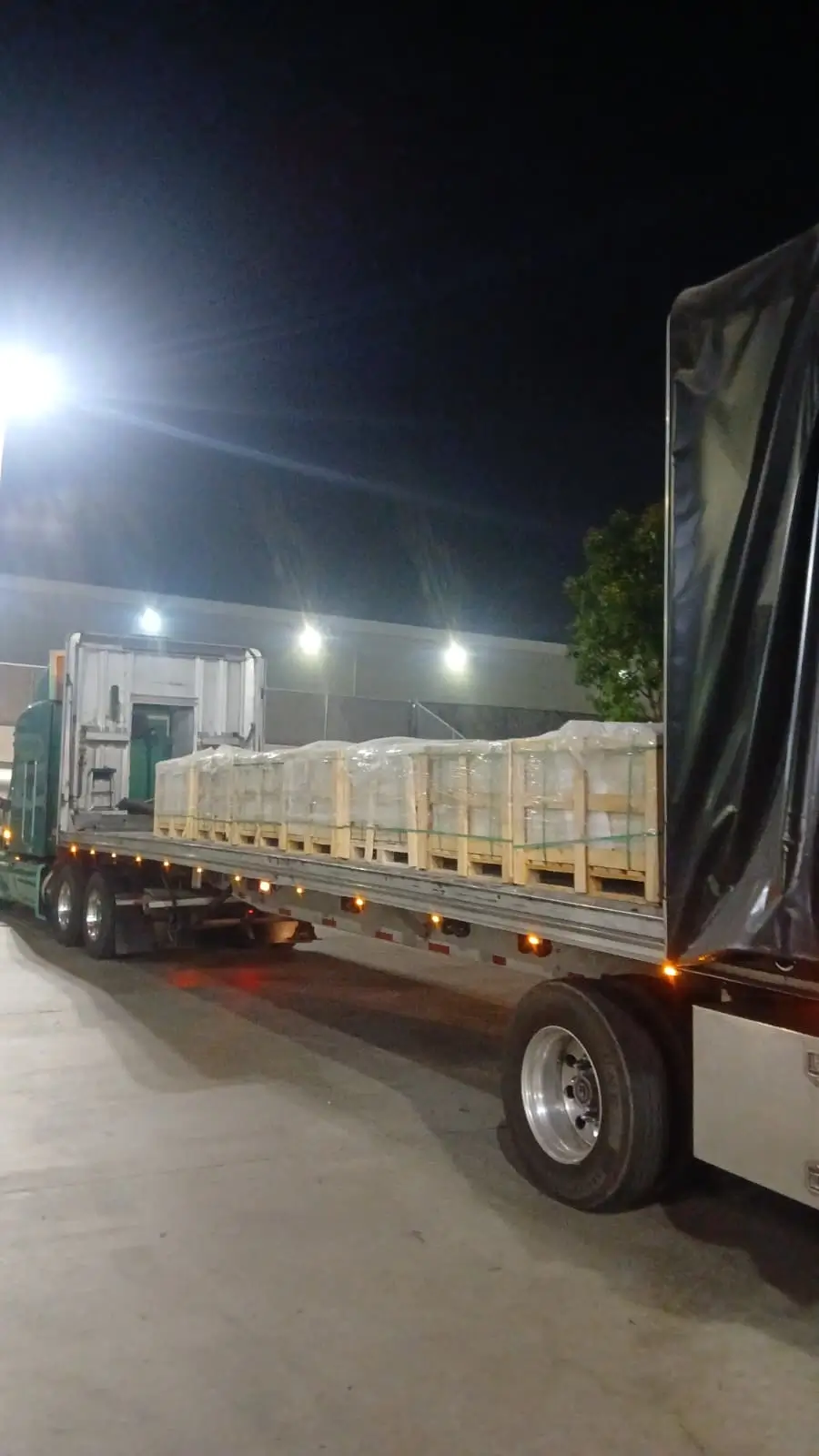
Planning your material order is where many flagstone projects run into avoidable delays. Natural stone pavers ship from warehouse inventory on pallets, typically 1,000 to 1,200 lbs per pallet for standard flagstone formats, and you need to confirm truck access to your delivery point before finalizing your order. A standard flatbed truck requires a clear run of approximately 40 feet and unrestricted overhead clearance — tight residential sites or projects with overhead utility lines need advance coordination with the delivery team. Citadel Stone maintains warehouse inventory of flagstone in multiple stone types and format sizes, which typically supports lead times of one to two weeks for standard specifications — considerably faster than the six-to-eight week import cycle that custom stone orders require. Your project timeline should account for a two-to-three day acclimation period after warehouse delivery before installation begins, particularly in hot, dry climates where temperature differentials between the delivery truck environment and the site can be significant. Order a minimum 10% overage on all natural stone paving — cutting waste, color matching adjustments, and future repairs make this a sound specification standard.- Confirm truck delivery access before ordering — standard flatbed trucks require 40-foot clearance and unrestricted overhead height
- Verify warehouse stock levels for your selected stone type and color range before committing to project timelines
- Order a minimum 10% overage — cutting waste in irregular flagstone installations often runs 12–15%
- Allow 2–3 days post-delivery before installation to allow temperature and humidity acclimation
- For large projects, consider phased delivery from the warehouse to manage site storage space and reduce material damage risk