

Why UV Exposure Matters for Your Stone Wall
Natural stone garden wall construction demands more from your material selection than structural load calculations alone — the UV environment your wall lives in will determine how it looks and performs five, ten, and twenty years from now. Limestone, in particular, undergoes measurable surface oxidation when exposed to sustained ultraviolet radiation, and understanding that process before you break ground separates installations that age gracefully from those that look washed out within a few seasons. The mineral crystalline structure at the surface responds differently to UV than the stone’s interior, which means finish selection and sealing schedules aren’t cosmetic decisions — they’re specification decisions that directly affect long-term performance.
Choosing the Right Limestone for Your Garden Wall
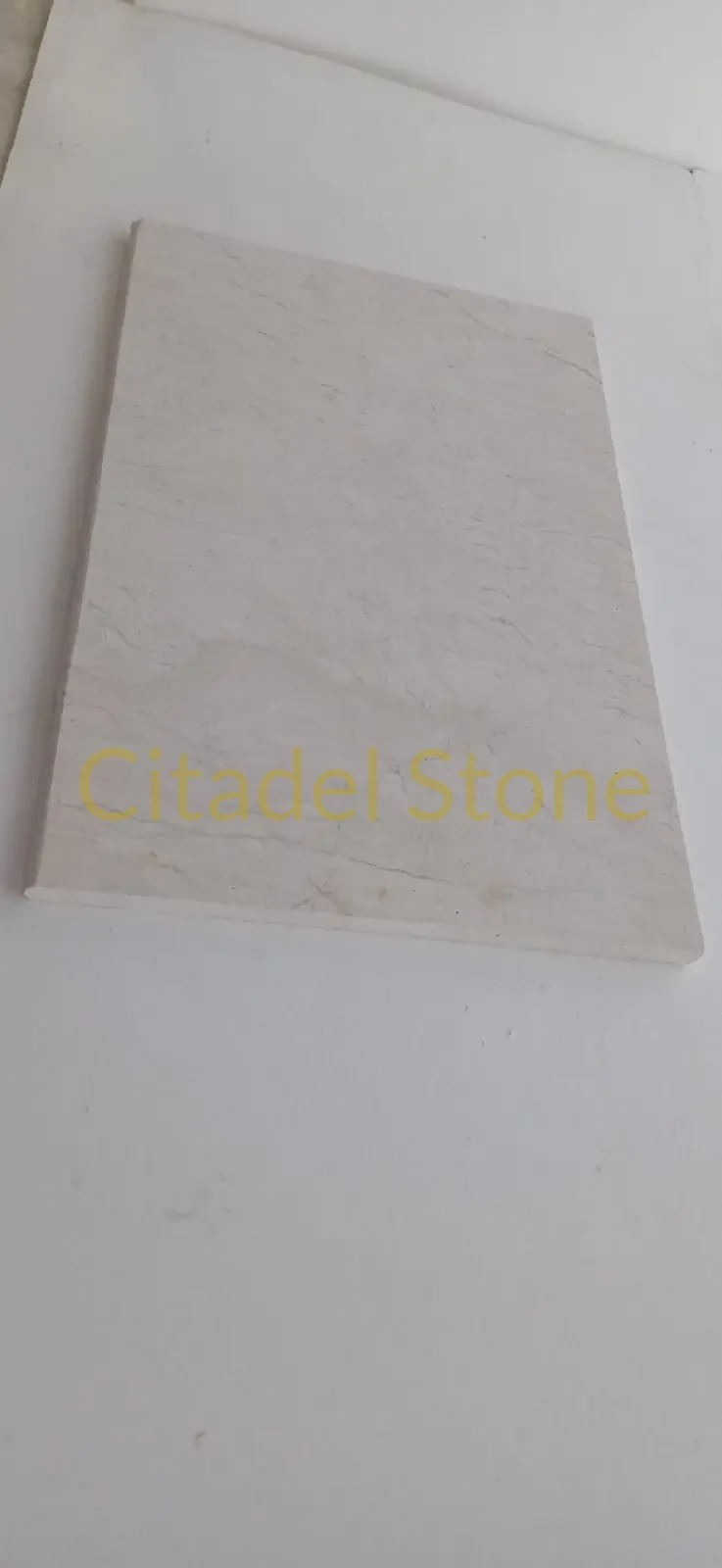
Dense, low-porosity limestone is your baseline specification for any sun-exposed outdoor limestone wall construction project. Here’s why that matters specifically for UV performance: porous stone draws surface moisture into its structure, and when UV radiation accelerates surface drying, the repeated wet-dry cycling creates micro-fractures that compound color fading over time. A stone with an absorption rate below 3% — verifiable through ASTM C97 testing — will retain surface color and finish integrity significantly longer under direct sun exposure.
- Specify limestone with a minimum compressive strength of 8,000 PSI for structural wall courses
- Target absorption rates below 3% for UV-exposed garden wall faces
- Honed finishes retain color depth better than polished under sustained UV — polished surfaces develop a chalky oxidation layer within 3–5 years without consistent sealing
- Tumbled finishes, while rustic in appearance, have higher surface area exposure to UV degradation and require more frequent sealant reapplication
- Natural cleft faces on flagstone-style walling stone offer moderate UV resistance — the irregular texture diffuses light rather than concentrating it
According to NSI limestone technical specifications, limestone’s calcium carbonate composition makes it susceptible to surface weathering from both UV radiation and mild acid exposure, which is why finish and density decisions carry long-term consequences that concrete block alternatives simply don’t present in the same way.
Foundation and Drainage Essentials
Stone wall drainage and foundation preparation is where most DIY projects fail — and where experienced builders save their clients money on repairs five years post-installation. Your base excavation should go a minimum of 6 inches below grade for garden walls under 3 feet, and 12 inches for anything taller. Compacted angular gravel — not rounded river stone — creates the interlock your base needs to resist lateral soil pressure.
Drainage isn’t an afterthought. A perforated drain pipe set at the base of your wall excavation, wrapped in filter fabric and bedded in clean crushed stone, manages the hydrostatic pressure that will otherwise push your wall face outward over time. Many installers skip this step on shorter garden walls and discover within two or three wet seasons that they’ve got a leaning structure on their hands. Get the drainage right from day one.
- Excavate 6–12 inches below grade depending on wall height
- Use angular crushed stone (3/4-inch minus) for base compaction — avoid rounded aggregate
- Install perforated drain pipe wrapped in filter fabric at the base of all walls over 18 inches
- Slope the base trench slightly toward a drain outlet or daylight point
- Compact the base in 3-inch lifts using a plate compactor — do not compact all at once
- Batter (lean back) the wall face at roughly 1 inch per vertical foot for gravity walls
Limestone Retaining Wall Installation: Step by Step
Limestone retaining wall installation requires you to work from the base upward with patience — the temptation to stack quickly is real, but rushed base courses produce walls that shift and settle unevenly. Set your first course partially below grade, ensuring full contact with your compacted gravel base. Use a level on every course, and don’t assume a course is level because the stone looks flat — limestone often has a natural bow that reads as level visually but isn’t.
Dry stack stone wall construction relies on the mechanical interlock between courses rather than mortar, which means your stone selection per course matters as much as placement. Longer tie-back stones — those that extend deeper into the wall mass — should appear every 4–6 square feet of face area to tie the wall structure together. The Masonry Society’s natural stone wall construction standards confirm that tie-back frequency is one of the primary structural determinants in dry-set stone walls, particularly for walls over 24 inches in height.
- First course: minimum 50% buried below finished grade for walls under 3 feet
- Stagger vertical joints by at least one-third of stone length per course
- Place tie-back stones every 4–6 square feet of wall face — do not skip this step
- Fill the core behind the wall face with crushed stone, not soil — soil retains water and creates pressure
- Reserve your flattest, most uniform stones for cap courses where UV exposure is highest
- Check plumb and level at every third course minimum — corrections become expensive after six courses
UV Finish Selection for Sun-Exposed Walls
The finish you specify for your natural stone garden wall construction project isn’t just an aesthetic decision — it’s a direct UV resistance specification. Honed limestone retains its mineral color longer under sustained ultraviolet exposure than polished, because the micro-texture of a honed surface diffuses UV energy rather than concentrating it at the crystal grain boundaries the way a mirror-polished face does. You’ll see this difference most clearly on cap stones and top-course faces, which receive full overhead UV throughout the day.
Sawn finishes offer a middle ground — the smooth-cut face has less surface area exposed to UV than tumbled stone, but doesn’t concentrate UV energy the way polished does. For garden walls in high-UV environments, sawn or honed finishes on exposed faces with a penetrating sealer applied every 2–3 years is your most defensible specification for long-term color retention.
- Honed: best UV color retention on exposed faces — specify as default for top courses and cap stones
- Polished: requires sealing every 12–18 months in full-sun applications to prevent chalky oxidation
- Tumbled: higher surface area = more UV exposure per square foot — seal annually in high-UV conditions
- Sawn: reliable performance with 2–3 year sealing cycles in direct sun exposure
- Natural cleft/split face: texture variation protects some surface mineral from direct UV — moderate performance without sealing, good with it
Sealing Schedules and UV Protection
Your sealing schedule for outdoor limestone wall construction should be driven by UV load, not calendar dates. A wall on a south-facing slope receiving 8+ hours of direct sun daily needs sealing every 18–24 months. The same stone on a north-facing garden bed in partial shade might go 3–4 years between applications without visible color fading or surface degradation. The test is simple: pour a small amount of water on the stone face. If it absorbs within 30 seconds, the sealer has depleted and reapplication is due.
Penetrating siloxane or silane-siloxane sealers are the professional choice for outdoor limestone walling. They bond with the stone’s pore structure rather than forming a topcoat film, which means UV radiation degrades the stone surface rather than peeling a film layer. Topcoat film sealers can look impressive initially but tend to yellow and peel under UV exposure within 2–3 years — a maintenance headache that penetrating sealers simply avoid. At Citadel Stone, we recommend penetrating sealers exclusively for exterior limestone applications based on long-term performance data from installations we’ve supplied and monitored across diverse UV conditions.
- Apply first sealer coat 28–30 days after installation to allow any curing moisture to escape
- Use penetrating siloxane or silane-siloxane — never film-forming topcoat sealers outdoors
- Reapply every 18–24 months on full-sun exposures, every 3 years on partial-shade installations
- The water absorption test is your most reliable indicator — don’t rely solely on calendar scheduling
- Clean the wall face with a pH-neutral cleaner before sealing — residual grime blocks penetration depth
Dry Stack Construction Tips and Common Mistakes
Dry stack stone wall tips from field experience come down to one dominant principle: the wall is only as good as the stone selection per course. The most common mistake in natural stone garden wall construction is treating all stones as interchangeable — grabbing whatever piece fits the visual gap rather than placing stones by function. Large, flat stones belong at the base and cap. Medium stones with good face character go in the visible middle courses. Irregular wedge pieces belong in the core fill, not the face.
Here’s what most installers miss on their first few dry stack projects: cap stone installation is actually your highest-UV-risk zone and your highest-maintenance zone. Cap stones receive direct overhead sun, trap debris, and are subject to foot traffic, water ponding, and freeze-thaw cycling simultaneously. Specifying your densest, most UV-stable stone for cap courses — and making sure they’re sealed on all five exposed faces before installation, not just the top — adds years to the cap’s service life. The limestone formation and structural characteristics documented in geological literature confirm that surface grain orientation affects weathering resistance, which is why quarry-cut faces oriented upward on cap stones weather faster than natural bedding faces.
- Sort stone by function before you build — don’t select as you go
- Seal cap stones on all five exposed faces before setting, not after
- Use shim stones to eliminate wobble — never rely on mortar patches in dry stack construction
- Cap stone overhang should not exceed one-third of stone width without mechanical tie-back
- Never place the smallest stones in the lowest courses — mass at the base is structural, not decorative
- Avoid uniform joint patterns — irregular joints are structural assets, not aesthetic compromises
Sourcing and Project Planning
Natural stone garden wall construction projects routinely stall at the sourcing stage because quantities are underestimated. The standard calculation — length × height × width in cubic feet, converted to tons at approximately 160 lbs per cubic foot for limestone — needs a 15% overage added for cuts, breakage, and stone sorting. Don’t order tight. Running short mid-project and trying to source a matching second delivery almost always produces color variation between the two lots, which is especially visible on UV-weathered stone faces where oxidation patterns have begun to develop on the first batch.
Warehouse stock availability matters for timing here. Citadel Stone maintains warehouse inventory with consistent lot depths, which means you can confirm matching material from a single quarry run before your truck delivery is scheduled. For garden wall projects in the 10–50 ton range, verify warehouse stock levels before committing to a project start date — lead times from warehouse to truck delivery typically run 1–2 weeks for stocked product, versus 6–8 weeks for import-cycle orders. That difference can reshape your project schedule significantly.
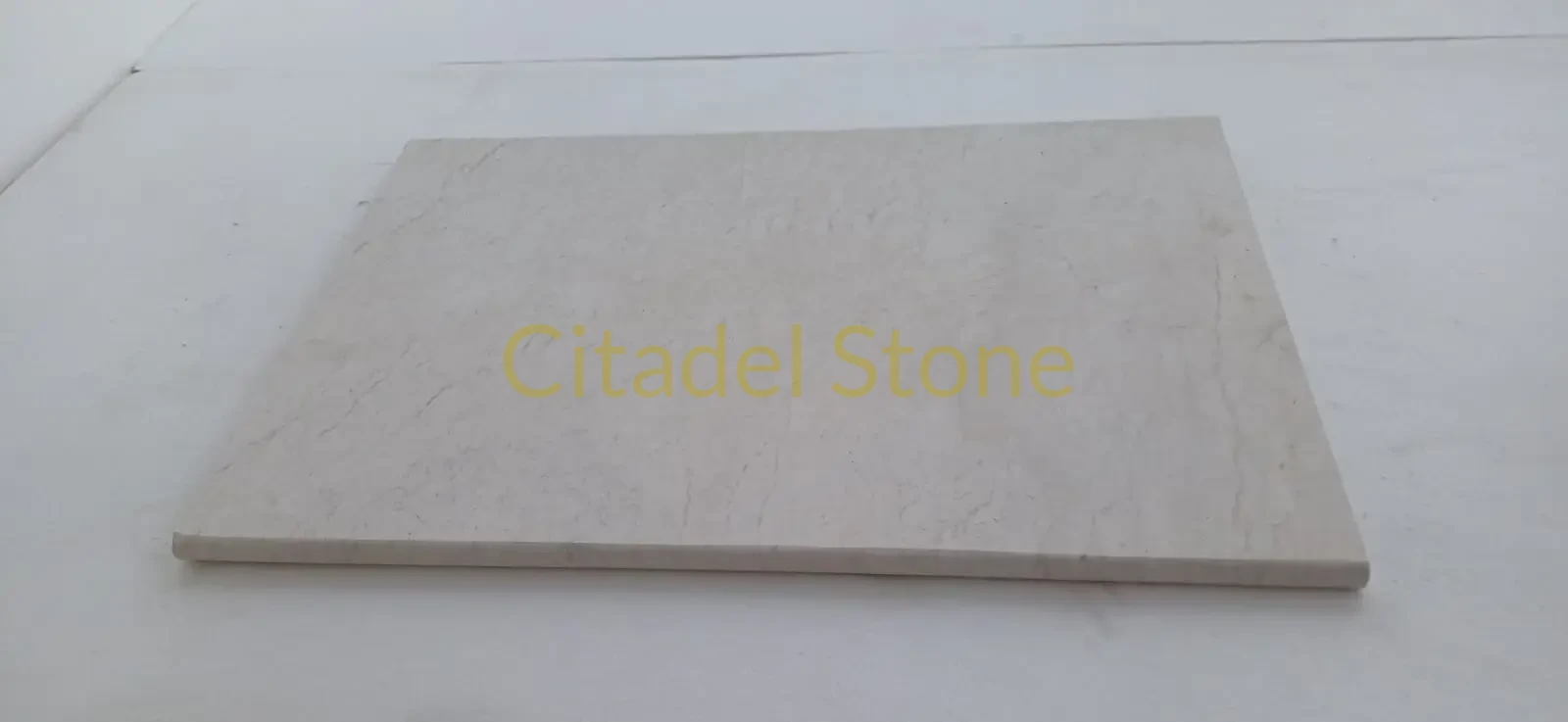
For the structural walling courses where density directly determines UV resistance and long-term color stability, Citadel Stone dense limestone walling gives you a verified density specification you can build a sealing and maintenance schedule around from day one of the project.
Long-Term Appearance and Maintenance
The appearance trajectory of your natural stone garden wall over its first decade is almost entirely determined by the first two years of maintenance — specifically whether sealing happened on schedule and whether cap stone drainage was effective. UV color fading in limestone accelerates once surface sealers deplete because the oxidation process becomes self-reinforcing: bleached mineral surface absorbs more UV energy than sealed stone, which accelerates further fading in a feedback loop that’s genuinely difficult to reverse after the third or fourth season.
Restoration of UV-faded limestone is possible but expensive. Color-enhancing penetrating sealers can recover some depth in mildly faded stone, and professional diamond-pad grinding can remove oxidized surface layers on flat-faced stones — but the practical reality is that prevention through scheduled sealing costs a fraction of remediation. Plan for annual inspection, a water absorption test across multiple wall sections, and immediate resealing wherever the stone has become thirsty. That discipline is what separates a garden wall that looks better at year 20 than it did at year 5 from one that needs rebuilding at year 12.
- Annual inspection: check cap stone seating, joint integrity, and drainage outlet clearance
- Water absorption test: perform every spring on sun-exposed faces — reapply sealer if absorption occurs within 30 seconds
- Remove organic debris from joints and cap stone surfaces promptly — retained moisture under UV accelerates oxidation
- Clean with pH-neutral stone cleaner only — acidic cleaners etch calcium carbonate surfaces and accelerate UV damage
- Check batter alignment every 3–5 years — minor wall face lean caught early is a shimming repair; caught late it’s a rebuild
According to USGS data on limestone composition and construction applications, calcium carbonate’s reactivity with environmental elements — including UV radiation combined with acid rain and atmospheric CO₂ — is an important consideration for outdoor stone maintenance planning, confirming that proactive sealing schedules are technically justified rather than simply recommended by suppliers.
Getting Your Limestone Wall Specification Right
Building a natural stone garden wall that performs structurally and retains its appearance over decades requires you to treat UV exposure as a primary specification variable, not a secondary concern. Your finish choice, stone density specification, sealing schedule, and cap stone detailing all interact with the UV environment your wall occupies — and decisions made during specification and construction are far easier to get right than repairs made after the fact. The outdoor limestone wall construction process rewards specifiers who plan the maintenance lifecycle at the same time they plan the build sequence.
As you consider complementary hardscape elements alongside your garden wall project, the way different natural stone products perform in adjacent outdoor applications can inform your broader material selections. Exploring how Citadel Stone materials perform across related stone applications is worth the time investment before finalising your full project specification.
The specifications that matter most — stone density, finish selection, sealing frequency, and drainage detailing — are all decisions you make before the first stone is placed, not after the wall is standing. Our technical team is available to help you work through density grades and lot matching for any natural stone garden wall construction project. Builders sourcing through Citadel Stone can specify limestone by density grade, which directly affects retaining wall stability and drainage performance.