
The flagstone back patio in Arizona that holds its color and character for decades isn’t the one with the thickest slab — it’s the one where the specifier understood what Arizona’s UV index actually does to stone surfaces over time. At 5,000-plus UV index hours annually in lower desert elevations, unprotected flagstone doesn’t just fade; it undergoes surface oxidation that changes mineral color expression permanently. Your material selection and sealing strategy together determine whether your patio looks stunning at year fifteen or washed out at year five.
Why UV Exposure Defines Flagstone Performance in Arizona
Most homeowners focus on heat resistance when choosing stone for outdoor living areas, but the UV component is the real aggressor in Arizona’s climate. Solar radiation in the state’s desert zones delivers ultraviolet energy that breaks down organic binders in unsealed stone, oxidizes iron-bearing minerals, and accelerates the bleaching of calcium carbonate-rich surfaces like limestone-based flagstone. In Yuma, where annual UV exposure ranks among the highest of any metropolitan area in the continental United States, an unsealed sandstone flagstone can show measurable surface lightening within eighteen months of installation.
The distinction matters when you’re selecting a stone variety. Iron-rich flagstone — warm reds and burnt oranges — depends on ferric oxide stability for color retention. UV-driven oxidation converts ferric to ferrous compounds at the surface, shifting warm tones toward a diluted, chalky appearance that no amount of cleaning reverses. Your finish selection directly influences how much of that UV energy actually reaches the mineral surface.
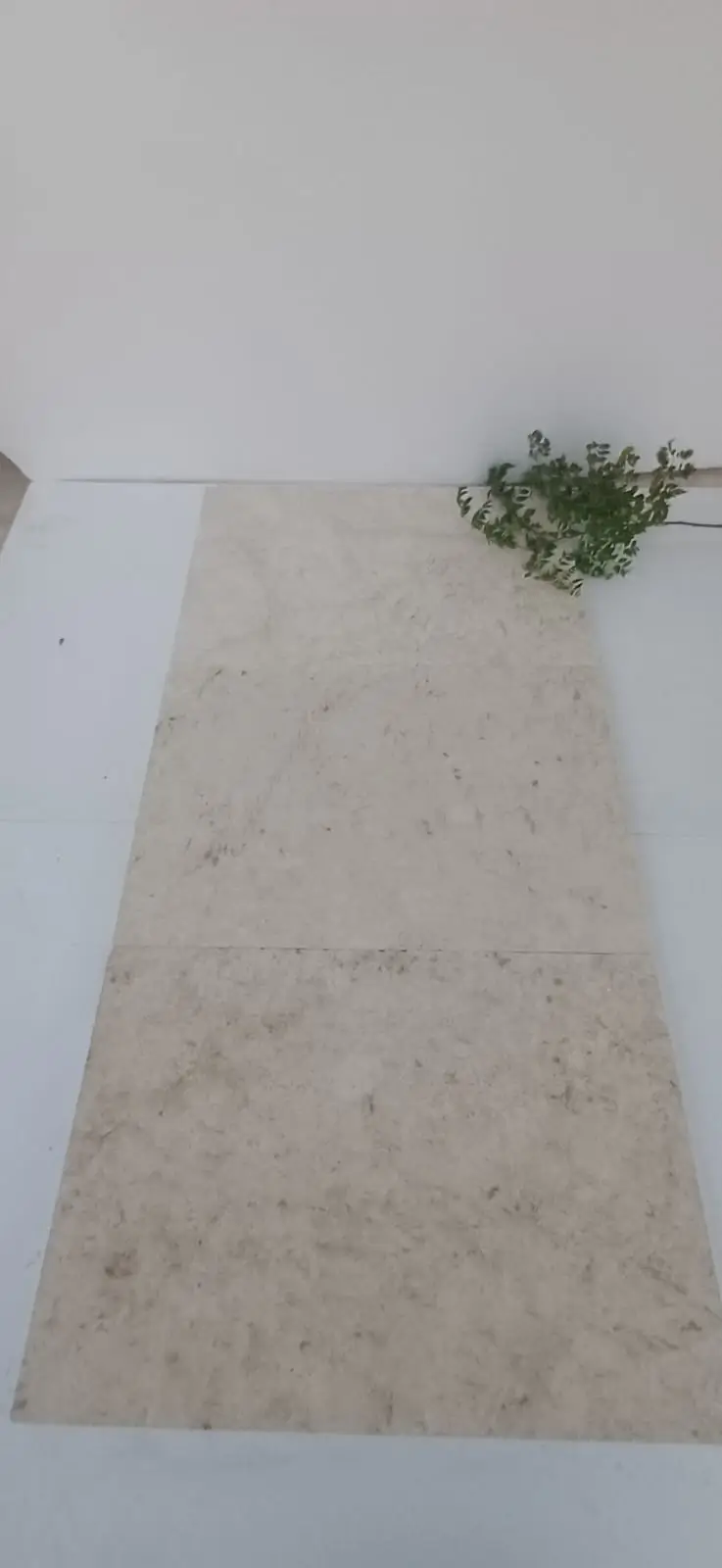
Stone Variety Selection for UV Resistance
Not all flagstone weathers the same under prolonged UV exposure, and the back patio flagstone styles AZ homeowners choose most successfully tend to cluster around a few key stone types that demonstrate long-term color stability. Here’s how the main options stack up for Arizona’s UV environment:
- Quartzite flagstone ranks highest for UV color stability — its silica-dominated mineralogy resists oxidative bleaching far better than sedimentary alternatives, making it a strong candidate for south-facing patios in Yuma and other high-insolation zones
- Basalt flagstone holds color exceptionally well due to its dense, low-porosity structure that limits UV penetration into the mineral matrix — honed finishes on basalt also reduce reflective glare while maintaining surface protection
- Sandstone carries the highest UV risk in warm-toned varieties because iron oxide pigmentation is surface-concentrated and exposed to direct oxidation without a protective sealing layer
- Limestone-based flagstone performs moderately — calcium carbonate is relatively UV-stable in terms of chemical composition, but lighter varieties can develop a stark, over-bleached appearance that reads as premature aging
- Slate’s layered metamorphic structure provides natural resistance to UV penetration, though its tendency to delaminate under thermal cycling in extreme heat zones requires you to select quarried material with verified flexural strength above 6,000 PSI
According to flagstone sedimentary rock characteristics and paving use, the mineral composition of flagstone paving materials directly influences surface durability under environmental stress — a factor that becomes especially significant in high-UV climates where photochemical degradation accelerates surface weathering cycles.
Finish Selection and UV Penetration Depth
Your finish choice does more than determine how the patio looks on installation day — it controls how deeply ultraviolet radiation penetrates the stone’s surface layer and how effectively a sealer bonds to the substrate afterward. This is one of the decisions that separates long-performing Arizona private outdoor stone spaces from those that require remediation within a few years.
- Natural cleft finishes retain the stone’s original split texture, creating microscopic peaks and valleys that scatter UV energy rather than allowing concentrated absorption at a uniform surface depth — this is generally the most UV-resilient finish available for flagstone
- Honed finishes provide a smooth, matte surface that accepts penetrating sealers exceptionally well, improving UV protection through deeper sealer absorption into the stone’s pore network
- Sandblasted finishes open the surface aggressively — helpful for slip resistance in pool-adjacent applications, but the increased porosity demands a more aggressive initial sealing protocol and shorter resealing intervals in high-UV zones
- Tumbled finishes suit back patio flagstone styles AZ designers favor for a weathered, organic aesthetic, though the softened edges and irregular surfaces can trap debris that holds moisture against the stone — which accelerates UV-driven surface chemistry in the wet-dry cycling common to monsoon season
In Sedona, where the combination of high elevation UV intensity and iron-rich red rock aesthetic creates specific material expectations, honed quartzite or natural cleft basalt consistently outperforms sandstone alternatives that initially match the regional color palette but fade toward a diluted copper tone within three to four Arizona summers.
Sealing Schedules for Arizona UV Conditions
Standard sealing guidance written for temperate climates doesn’t apply to Arizona’s UV environment. The resealing intervals published by most stone manufacturers assume approximately 1,200 annual UV hours — Arizona’s Sonoran Desert zone delivers roughly four times that exposure, which degrades penetrating sealer polymers at a rate most national spec sheets don’t account for.
Your baseline sealing protocol for a flagstone back patio in Arizona should follow these parameters for reliable UV protection and long-term appearance retention:
- Initial sealing: two coats of a penetrating silane-siloxane sealer within 30 days of installation, with a minimum 24-hour cure between coats — this establishes a polymer matrix at 3–6mm depth depending on stone porosity
- First resealing: 12 months after installation, regardless of visible surface condition — UV degradation of the polymer layer occurs before surface symptoms appear
- Ongoing interval: every 18–24 months for quartzite and basalt; every 12–18 months for sandstone and limestone variants — test by applying water droplets to the surface; absorption within 30 seconds indicates sealer failure
- Film-forming sealers require more frequent attention in Arizona because UV energy breaks down the surface film faster than it degrades penetrating formulas — avoid acrylic topcoat sealers on outdoor flagstone in desert zones
- Post-monsoon inspection each September allows you to catch sealer breaches created by the thermal cycling and moisture exposure of the summer storm season before the next high-UV period begins
The ASLA natural stone and flagstone outdoor paving guidance emphasizes that maintenance scheduling for natural stone hardscapes must account for regional environmental intensity — not just general weathering timelines — which directly supports Arizona-specific sealing intervals that go well beyond national averages.
Rear Yard Layout and Sun Angle Management
Rear yard stone patio designs in Arizona benefit from a detail most homeowners overlook at the planning stage: the relationship between patio orientation and peak UV angle. A patio positioned on the south or west exposure of the home receives direct overhead UV from late morning through early evening — the highest-intensity window of Arizona’s solar day. This isn’t just a comfort issue; it’s a material durability variable.
Consider structuring your Arizona private outdoor stone space with a combination of covered pergola zones and open flagstone sections. The covered sections extend material lifespan significantly — stone under shade cover in Chandler and surrounding Phoenix-area climates can operate on a 36-month sealing cycle compared to 12–18 months for fully exposed sections of the same patio. Your layout design is a maintenance schedule decision as much as an aesthetic one.
Vertical integration matters too. Screening walls, shade sails, or vine-covered trellis structures that shade the patio surface from late afternoon sun meaningfully reduce cumulative UV exposure on the stone. For projects where Citadel Stone materials are specified, our technical team regularly advises on combining open flagstone zones with partial overhead structures to balance aesthetic openness with realistic maintenance commitments.
Flagstone Thickness and Structural Performance
Thickness selection for a flagstone back patio in Arizona involves balancing UV surface exposure with structural requirements — and the two considerations intersect at the point where thicker slabs allow deeper initial sealer penetration, which improves UV protection from the substrate up. Field performance data on flagstone back patio installations across Arizona climates consistently shows that 1.5-inch nominal thickness is the practical floor for residential back patios in full sun exposure.
- 1.25-inch flagstone: acceptable for covered patio zones with full mortar bed installation, but insufficient for open sun exposure in high-traffic areas due to reduced mass and faster surface temperature cycling that stresses sealer bonds
- 1.5-inch nominal: the standard specification for most Arizona back patio applications — provides adequate thermal mass and sealer absorption depth for exposed conditions
- 2-inch and above: recommended for elevated patios, areas with vehicular adjacency, or installations using irregular flagstone where slab geometry creates localized stress concentrations
Popular flagstone back patio looks across Arizona increasingly favor thicker slab profiles precisely because the added mass moderates the rapid surface temperature swings that degrade sealer bonds in Tempe and similar low-elevation desert communities. You can explore our flagstone back patio Arizona range to review the thickness options and stone varieties stocked for Arizona climate conditions — the selection reflects what actually performs here, not just what’s available in general supply.
Color Selection for Long-Term Appearance Retention
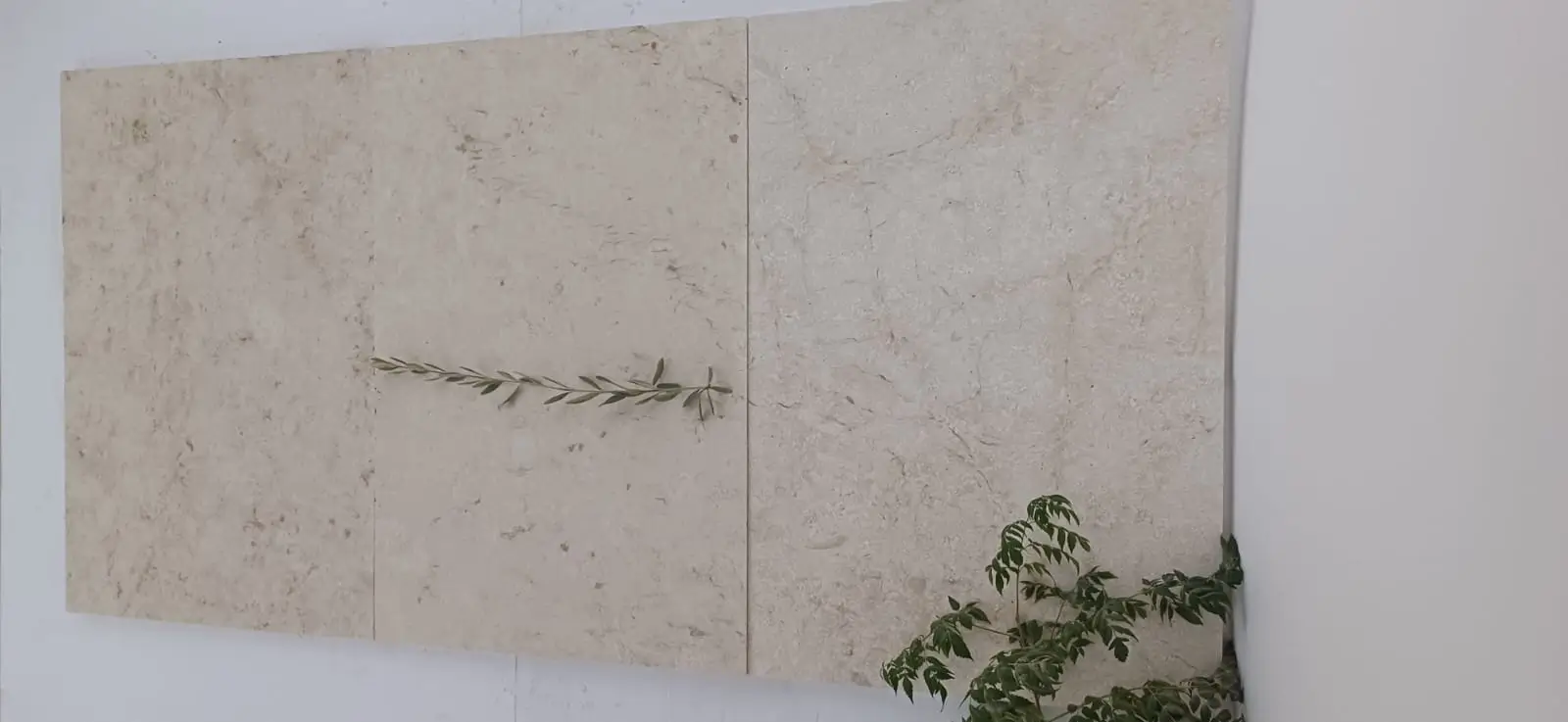
Popular flagstone back patio looks across Arizona tend to track toward earthy, warm-toned palettes that complement the regional landscape — but the stones that hold those aesthetics best under UV aren’t always the ones that look most vibrant in the showroom. Here’s a practical framework for making color selections that survive Arizona’s sun exposure over a ten-plus year horizon:
- Cooler grey and blue-grey tones in quartzite and basalt show the least visible UV-related color shift over time — what you install is close to what you’ll see at year ten
- Warm brown and tan palettes in high-silica sandstone tend to lighten moderately but maintain their tonal range — bleaching reads as a natural aging patina rather than material failure
- Deep rust and terracotta in iron-rich sandstone carry the highest risk of visible color drift — without rigorous UV-blocking sealing, the shift from saturated warm tones to diluted orange-grey is noticeable within three to five years
- Blended multi-color flagstone palettes can mask UV-related color shift better than single-tone selections because the visual complexity absorbs the variation — this is a practical specification strategy for clients who want low visual maintenance
At Citadel Stone, we source flagstone directly from quarries in multiple geological regions, which gives us visibility into how specific stone batches weather under sustained UV conditions. Warehouse quality checks on color consistency before material ships means you’re not getting the variability that comes from mixing stock from different extraction periods — a common source of uneven UV fading across a patio installation.
Base Preparation and Drainage for Arizona Patios
Flagstone back patio projects in Arizona require base preparation that accounts for both the dry season’s compaction demands and the monsoon season’s drainage requirements — and those two conditions pull in opposite directions in terms of base composition. A well-drained base that handles August storm volumes efficiently also needs to resist the shifting that comes with the bone-dry expansion-contraction cycles of May and June.
The standard specification for Arizona back patio flagstone installations calls for a minimum 4-inch compacted class II base with a drainage gradient of no less than 1.5% away from structures. In Flagstaff, where frost depth adds a freeze-thaw variable to the UV exposure challenge, base depth increases to a minimum of 6 inches and the use of open-graded aggregate beneath the compacted layer provides the drainage capacity needed to prevent ice-lens formation that heaves flagstone joints and breaks sealer continuity.
The USGS flagstone and dimension stone paving data documents how regional geological conditions influence material performance specifications — including base and installation variables that differ substantially across climate zones, reinforcing the need for Arizona-specific base preparation protocols rather than nationally averaged guidelines.
Ordering Logistics and Project Planning
Sequencing your flagstone back patio project effectively means understanding lead times and how material availability intersects with Arizona’s installation windows. The optimal installation period for flagstone in Arizona’s desert zones runs from mid-October through early April — outside that window, daytime surface temperatures make mortar setting and sealer application challenging to control precisely.
- Verify warehouse stock levels before confirming project timelines — flagstone varieties with high regional demand can see inventory drawdowns during the spring installation surge between February and April
- Truck delivery scheduling for residential back patio projects requires you to confirm site access width and surface load limits — a loaded stone delivery truck typically requires a minimum 12-foot clear access path and hardened surface capable of supporting 40,000–60,000 lbs gross vehicle weight
- Order 10–15% overage on irregular flagstone to account for on-site cutting waste — the geometric variability of natural flagstone means cut losses are higher than manufactured paver installations
- Coordinate sealer application timing with the delivery schedule — flagstone should cure for a minimum of 28 days after mortar-set installation before initial sealing, which needs to fall within a forecast dry window
Planning Your Arizona Flagstone Back Patio for the Long Term
The decisions that define a flagstone back patio in Arizona — stone variety, finish, sealing protocol, base depth, and orientation — all converge on a single underlying requirement: understanding what sustained UV exposure actually does to natural stone over time and designing around it proactively. A patio that performs well for twenty years in Arizona isn’t an accident of material quality; it’s the result of specifications that treat UV management as a primary design driver rather than an afterthought. Your material selection sets the ceiling, but your maintenance strategy determines whether you reach it.
Rear yard stone patio designs in Arizona reward specifiers who integrate shade structures, drainage planning, and stone chemistry into a unified approach rather than treating each element independently. As you plan related elements for your outdoor space, the guide on deck and flagstone patio combinations in Arizona offers useful perspective on how stone performs alongside timber and composite structures in the same UV environment — a relevant consideration when rear yard stone patio designs in Arizona extend across mixed material surfaces. Stone for Arizona back patio projects from Citadel Stone is drawn from internationally sourced quarries, providing color consistency that complements privacy screen installations in Chandler, Tempe, and Scottsdale.