
UV intensity in Arizona doesn’t just affect how comfortable your outdoor space feels — it directly attacks the stone surface itself, breaking down mineral bonds, oxidizing iron deposits, and causing color drift that compounds over years. A white flag stone project showcase Arizona homeowners are proud of today can look washed-out and chalky within five years if the finish selection and sealing protocol weren’t built around the state’s solar exposure levels. Understanding how UV radiation interacts with the specific mineralogy of white flagstone is the starting point for every decision that follows.
Why UV Exposure Matters More Than Heat for White Flagstone
Surface temperatures get most of the attention when Arizona stone projects come up, but the real long-term threat to white flagstone is photodegradation — the breakdown of stone surface minerals through sustained ultraviolet radiation. Arizona receives some of the highest UV index readings in North America, regularly hitting UV index 11 or higher during summer months. At those exposure levels, an unprotected natural stone surface is essentially receiving a continuous low-grade acid wash from the atmosphere.
White flagstone’s pale coloring comes from its calcium carbonate base and low iron oxide content, which makes it visually striking but also moderately reactive under intense UV and oxidation cycles. Unsealed white flagstone in exposed Phoenix installations begins to show surface dusting and micro-etching within 18 to 24 months — not from foot traffic, but from photochemical weathering at the surface layer. According to NSI limestone technical properties, calcium carbonate-based stones require specific protective treatment protocols in high-UV environments to retain their surface integrity and original color depth.
Choosing the Right Finish for Long-Term UV Resistance
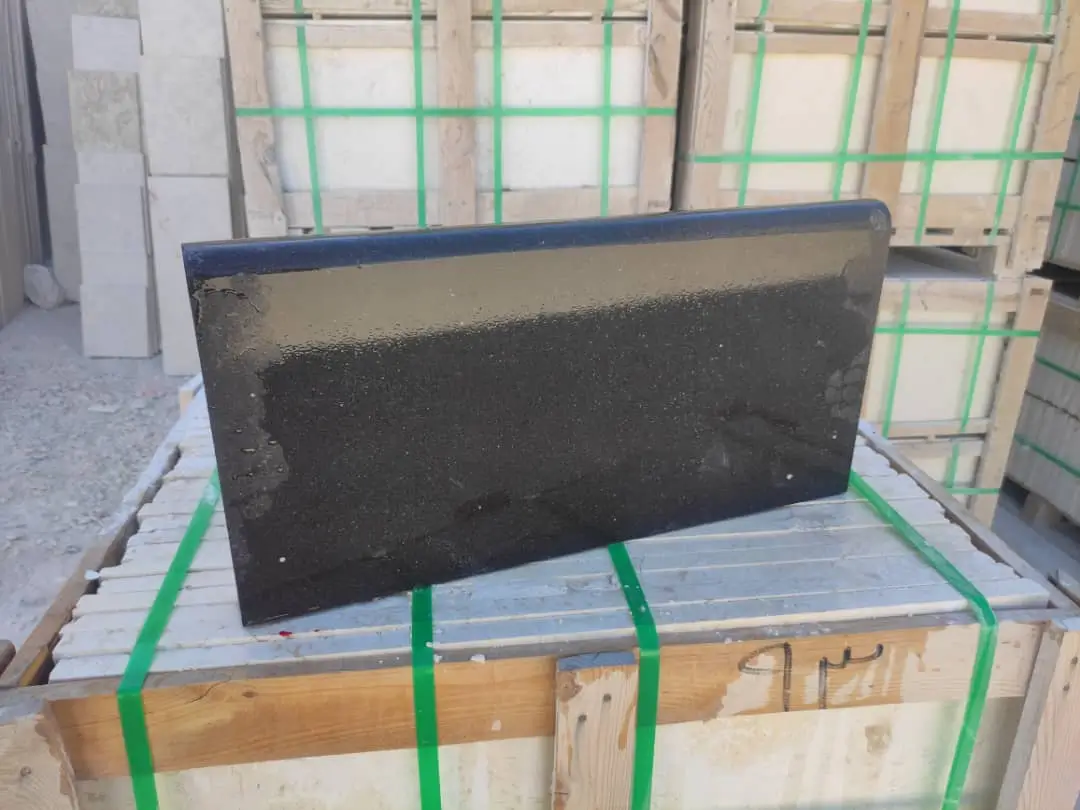
Finish selection is the single most consequential decision for UV performance — more impactful than sealer brand or application frequency. Honed finishes outperform polished surfaces in Arizona’s UV conditions because they don’t expose the crystalline surface layer to direct UV degradation the way a polished face does. A polished white flagstone patio in Peoria will begin showing differential surface weathering — glossy patches adjacent to UV-damaged matte zones — within three to four years of installation without aggressive maintenance.
For completed outdoor installations across Arizona homes, a sawn or lightly honed finish at 300–400 grit creates a surface that holds penetrating sealers more effectively, gives UV-protective agents deeper material contact, and shows less visual deterioration as the years accumulate. Tumbled or sandblasted white flagstone finishes are another solid option — the micro-textured surface disperses UV reflection rather than concentrating it, and the irregular face hides minor oxidation discoloration better than a uniform smooth surface would.
- Honed finish (300–400 grit): best sealer penetration, masks UV weathering effectively
- Sandblasted or tumbled: disperses UV reflection, excellent for sloped or poolside applications
- Polished finish: visually striking but requires bi-annual resealing minimum in Arizona sun conditions
- Natural cleft (split face): highest surface variability, uneven sealer absorption — plan for hand-application in deeper fissures
Sealing Schedules Built Around Arizona’s Sun Conditions
Standard industry sealing guidance recommends resealing natural stone every three to five years. In Arizona’s UV conditions, that schedule needs to be compressed significantly. For white flagstone installed in full-sun exposure with no overhead shade structure, a two-year resealing cycle is the realistic maintenance standard — and for south-facing installations in high-altitude locations like the Prescott rim communities, annual inspection with spot resealing is worth building into your project handoff documentation.
Penetrating silane-siloxane sealers consistently outperform topical acrylic or urethane coatings for outdoor white flagstone in desert climates. Topical coatings trap moisture vapor beneath the stone surface, and in Arizona’s wide daily temperature swings, that trapped vapor creates micro-delamination that accelerates UV damage rather than preventing it. Penetrating sealers bond within the stone’s pore structure and allow the surface to breathe while blocking UV-reactive moisture and oxidation pathways. Apply penetrating sealer within 72 hours of installation and allow full cure before any foot traffic — typically 48 hours at 85°F ambient.
- Full-sun installations: reseal every 18–24 months
- Partial shade or covered outdoor rooms: reseal every 30–36 months
- Interior applications or fully shaded features: reseal every 4–5 years
- First application: penetrating silane-siloxane within 72 hours of installation
- Annual inspection: run a water bead test — beading indicates sealer integrity; flat absorption means resealing is due
Flagstone sedimentary rock’s pore structure plays a direct role in how effectively UV-protective sealers perform — flagstone sedimentary characteristics confirm that surface porosity varies significantly by quarry origin, which is why sealer absorption rates differ across material batches even when the stone type is nominally the same.
What Completed Arizona Residential Projects Reveal
Looking at residential white flagstone installation examples across AZ homes over the past decade, a clear pattern emerges: the projects that retain their appearance longest aren’t necessarily the ones that spent the most on premium stone — they’re the ones that prioritized UV management from the specification stage forward. A completed natural stone yard project across Arizona homes in Tempe illustrates this precisely. A homeowner there installed white flagstone in a rear courtyard with a 40% shade structure coverage and specified a honed finish with penetrating sealer. Eight years in, the stone retains consistent coloration without visible surface oxidation, while a neighboring installation on the same street — same material, polished finish, no shade, topical sealer — required full resurfacing at year six.
The white flag stone before and after Arizona outdoor space transformations that show the most dramatic longevity results share three consistent attributes: a finish selected for UV resistance rather than aesthetics alone, a penetrating sealer applied on schedule, and joint spacing that allows for the thermal movement Arizona’s daily temperature cycles create. Side-by-side comparisons make the difference unmistakable — the installations that missed any one of those three variables show the fatigue. For a broader look at real-world project results and specification documentation, Citadel Stone Arizona white flag stone projects provides documented examples that connect specification decisions to multi-year performance outcomes.
Base Preparation That Supports UV-Managed Surface Performance
The surface UV protection specified only works if the stone beneath it stays stable. In Arizona’s expansive soil zones — particularly in the Phoenix metro’s west valley and lower elevation areas — base preparation failures show up as surface cracking that creates UV entry points directly into the stone’s interior. Your aggregate base should be compacted decomposed granite or crushed limestone at a minimum 4-inch depth for pedestrian applications and 6 inches for any vehicular or heavy furniture load areas.
Joint stability is the overlooked variable in UV protection discussions. Flagstone paving with open sand joints allows UV-heated air to circulate beneath the stone surface, creating localized temperature spikes at the stone-to-base interface that accelerate differential expansion. Polymeric sand joints dramatically reduce this effect by stabilizing the joint, preventing hot-air infiltration from below, and protecting the stone edge from UV-induced spalling along the perimeter of each piece. Specify a UV-stable polymeric sand — standard polymeric mixes can degrade at sustained surface temperatures above 130°F, which is well within the range of full-sun Arizona flagstone installations in mid-summer.
Thickness and Sizing Decisions for Arizona White Flagstone Projects
White flagstone in Arizona projects typically performs best in the 1.25-inch to 2-inch thickness range for residential patio and walkway applications. Thinner pieces — below 1 inch — are cost-effective but create structural vulnerability in Arizona’s thermal cycling environment. The stone expands and contracts with daily temperature variation, and thinner slabs are more prone to edge fracture at the UV-exposed perimeter where surface tension is highest. At 1.5 inches nominal, structural redundancy accommodates that movement without edge loss.
Sizing influences UV exposure management more than most Arizona homeowners initially realize. Larger format pieces — 24 inches by 24 inches or greater — mean fewer joints, which means less total joint perimeter exposed to UV degradation. In a Scottsdale installation where joint count was reduced by 35% through a shift from 12×12 random flagstone to larger 24×36 slab pieces, surface sealer performance extended measurably because the joint edges — the most UV-vulnerable part of any flagstone installation — were simply fewer in number. The USGS dimension stone production data documents the performance ranges for flagstone across different dimension categories, which helps calibrate thickness specifications against regional use conditions.
- 1.25–1.5 inch thickness: standard residential patio, low to moderate foot traffic
- 1.75–2 inch thickness: heavier furniture zones, entertainment areas, or Arizona clay soil conditions
- Larger format pieces (24×36+): reduce joint count, extend sealer performance cycle
- Irregular flagstone: joint perimeter is higher — budget for more frequent sealer maintenance
Ordering, Warehouse Stock, and Project Timeline Considerations
Your white flagstone project timeline in Arizona needs to account for material delivery logistics before installation can begin. Citadel Stone maintains warehouse inventory in Arizona, which typically compresses lead times to one to two weeks for stocked material rather than the six to eight week import window that special-order stone requires. For projects where UV-finish selection drives the specification — honed versus tumbled, for instance — warehouse availability by finish type matters as much as material type. Confirming warehouse stock levels before locking in your installation crew schedule prevents the costly gap where your crew is scheduled but material hasn’t arrived.
Truck delivery to residential sites in Arizona’s west valley communities — including Peoria — often involves navigating residential street width restrictions that limit full-size flatbed access. At Citadel Stone, our technical team advises clients to confirm truck access routes during the project planning phase, not the week of delivery. Coordinating delivery timing to avoid peak summer afternoon temperature windows also matters — stone arriving on a truck in direct afternoon sun at 110°F ambient temperature should be allowed to acclimate in shade before laying begins, particularly for larger-format pieces where differential thermal expansion across a stone face can complicate accurate joint setting.
Arizona Homeowner Project Walkthrough: White Flagstone Before and After
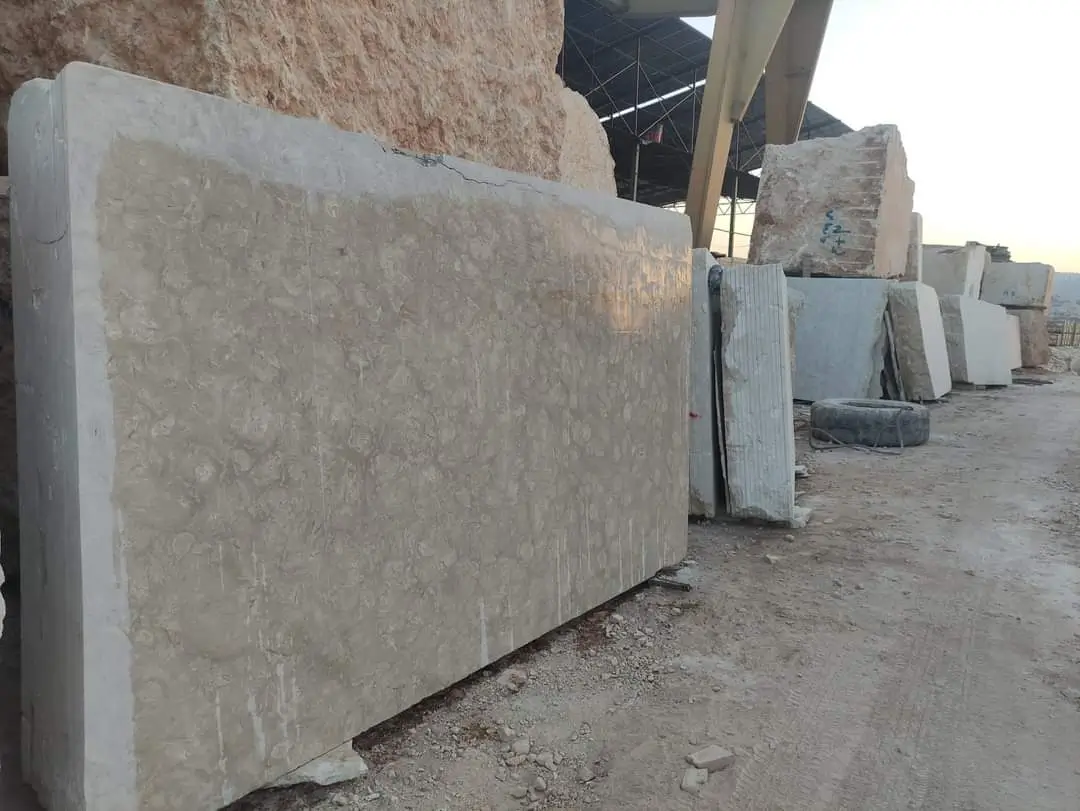
A well-documented Arizona homeowner white stone paving project walkthrough follows a consistent decision sequence: site assessment, finish selection for UV conditions, base preparation to local soil spec, installation with appropriate joint sizing, and sealer application within the correct temperature window. The sequence matters because each decision creates constraints on the next. Finish selection determines sealer type. Sealer type determines application window. In Arizona, that application window needs to be early morning — below 85°F surface temperature — which affects crew scheduling in summer months.
The white flag stone before and after Arizona outdoor space transformations that hold up best over time are the ones where the outdoor space design accounted for shade integration alongside stone selection. A white flagstone patio without overhead coverage in a Chandler backyard is a high-maintenance installation regardless of material quality. Shade structures, pergolas, and overhead canopies don’t just improve comfort — they directly reduce UV load on the stone surface, extending sealer life and reducing the photodegradation rate that eventually changes your stone’s color profile. Design the shade before specifying the stone, and the stone specification becomes a five-year decision rather than a ten-year one.
- Step 1: Assess UV exposure — full sun, partial shade, or covered outdoor room
- Step 2: Select finish based on UV resistance priority — honed or tumbled for exposed installations
- Step 3: Confirm base depth and joint material for local soil conditions
- Step 4: Schedule installation for early morning temperature windows in summer months
- Step 5: Apply penetrating sealer within 72 hours, reapply on a UV-adjusted schedule
Completing Your White Flag Stone Project Showcase in Arizona
The white flag stone project showcase Arizona homeowners return to year after year isn’t defined by initial visual impact — it’s defined by how the installation holds its appearance through five, eight, and twelve years of relentless sun exposure. Specification decisions at the project outset determine which category your installation falls into. Finish selection for UV resistance, penetrating sealer on a compressed Arizona schedule, stable joints, and adequate thickness give white flagstone the foundation to perform at the level its natural beauty suggests it can. As you finalize your project approach, related hardscape decisions can shape the full picture of your outdoor space — white flagstone versus stone pavers in Arizona covers how these two material directions compare when UV performance and long-term appearance retention are the primary criteria.
Getting the specification right from the start also means working with material that’s been properly sourced and quality-checked before it reaches your site. At Citadel Stone, our warehouse team inspects stone for consistent coloring and joint-ready edge tolerances before any material ships — because UV performance starts with material consistency, not just sealer chemistry. Stone for Arizona residential showcases sourced through Citadel Stone from established quarry partners across multiple continents arrives with consistent coloring and joint-ready edges, as seen in completed outdoor installations across Phoenix, Scottsdale, and Chandler.