
Surface degradation in limestone decking spa installations across Peoria rarely starts from below — it starts from above, where Arizona’s UV index regularly hits 11 or higher and sustained solar radiation accelerates oxidation at the mineral surface far faster than most specifications account for. Your limestone decking spa Peoria surround’s long-term appearance depends less on the stone’s compressive strength and more on how well you’ve addressed the photochemical and thermal load the material faces every single day. Get the UV management strategy right from the start, and you’re looking at a spa zone that holds its color and surface integrity well into its second decade.
UV Exposure and Limestone Surface Performance
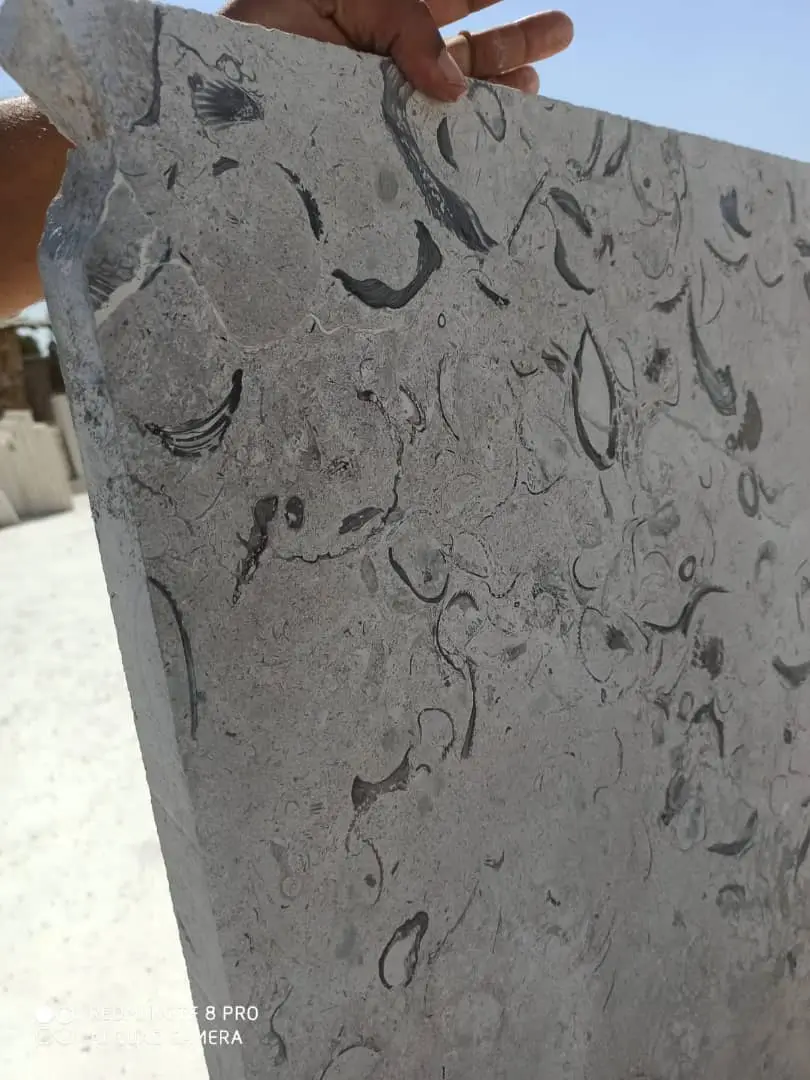
Natural limestone contains iron-bearing minerals and organic compounds that react directly to prolonged ultraviolet exposure. In Peoria’s sun conditions, those reactions aren’t theoretical — you’ll see them as chalking, surface whitening, or a gradual shift toward a warm amber or rust tint depending on the stone’s origin. Limestone decking spa surrounds face a particularly intense version of this because spa areas often lack the overhead shade structures that patios and covered walkways enjoy.
The mechanism matters here. UV radiation doesn’t just fade color — it breaks down the calcium carbonate matrix at the surface, increasing surface porosity and accelerating the absorption of spa chemicals, sunscreen oils, and organic debris. Once that surface permeability increases, you’re dealing with compounding degradation rather than simple weathering.
- UV index in the Phoenix metro averages between 9 and 12 during summer months — among the highest in the continental US
- Iron oxide content in limestone (which produces warm golden tones) is particularly reactive to prolonged UV exposure
- Surface oxidation increases stone porosity by 8–15% over 3–5 years without protective sealing
- Honed and brushed finishes weather more predictably than polished surfaces in high-UV environments
- Color shift typically appears first in the lightest-toned stones, where contrast makes oxidation more visible
Finish Selection for UV Resistance in Arizona Spa Areas
Your finish choice does more work in Arizona than in almost any other climate, and this is where limestone spa deck Arizona specifications in Peoria diverge sharply from what you’d spec in a milder region. Polished finishes look beautiful on the showroom floor, but they create two problems in high-UV environments: they reflect glare at uncomfortable angles, and when the surface begins to oxidize and dull, that contrast becomes visually jarring in a way that a naturally matte finish never would.
Honed limestone — sawn and lightly ground to a flat, non-reflective surface — is the practical choice for spa surrounds in Arizona. It’s slip-resistant when wet, which matters enormously around a hot tub, and it weathers gradually and evenly rather than degrading in patches. A brushed or tumbled finish adds texture that further reduces slip risk while creating micro-drainage channels that prevent water pooling on the deck surface.
- Honed finish: recommended surface treatment for UV-exposed spa decks in Arizona — balances aesthetics with safety and durability
- Polished finish: avoid for primary spa deck field unless significant shade is present; acceptable for accent coping or risers
- Brushed finish: excellent UV weathering profile, hides surface oxidation, and provides the highest slip resistance of standard finish types
- Tumbled finish: appropriate for casual spa zones; the intentional aging profile masks UV-driven color shift effectively
- Sandblasted finish: increases surface porosity — requires more aggressive sealing protocol and more frequent reapplication
For projects around Sedona, where red rock surroundings influence design palettes, a warm-toned honed limestone with a brushed edge profile integrates the spa surround visually while maintaining the UV resistance the exposure demands. The honed surface holds its tone consistently under sustained solar load rather than developing the chalky surface whites that polished stone shows over time.
Sealing Schedules for Arizona Spa Surrounds
The sealing question in high-UV climates isn’t simply about stain resistance — it’s about protecting the calcium carbonate matrix from photochemical degradation before it progresses into structural surface loss. At Citadel Stone, we recommend a penetrating impregnator sealer rather than a topical coating for spa zone limestone. Topical sealers create a film that traps heat beneath the surface in Arizona’s conditions and can bubble or delaminate, especially on south-facing or unshaded stone.
Your initial sealing should happen before the installation is used — ideally 48 to 72 hours after grouting is complete, once the stone is fully dry and at ambient temperature. In Peoria’s summer conditions, mornings are your installation window; sealing stone that’s already absorbed several hours of direct sun can cause the product to flash-cure before proper penetration depth is achieved.
- Initial seal: penetrating impregnator sealer, applied 48–72 hours post-installation before first use
- Reapplication schedule: every 18 months in unshaded Peoria spa environments; every 24 months with 30%+ shade coverage
- Test method: water droplet test — if water absorbs rather than beading within 60 seconds, reseal is overdue
- Avoid oil-based sealers in spa zones — spa chemicals and sunscreen residue interact poorly with oil-carrier products
- Apply sealer in the early morning when surface temperature is below 85°F for optimal penetration and cure
- Two-coat application on first install: second coat applied within 30 minutes of first coat while the surface is still tacky
You can extend sealing intervals slightly by adding a supplemental UV-inhibiting topical treatment over the impregnator. These products don’t seal the stone in the traditional sense — they create a sacrificial UV-absorbing layer that slows oxidation between sealing cycles. They’re particularly useful on limestone spa deck Arizona applications where chemical exposure from the hot tub water makes resurfacing more demanding.
Limestone Thickness and Structural Requirements for Spa Decks
Spa surround applications demand more from your thickness specification than a standard patio, and the reason is mechanical rather than aesthetic. Hot tub equipment access panels, equipment weight during service, and the point-load concentration from spa steps all create stress scenarios that undersized limestone won’t handle without fracturing. For limestone decking spa zones in Arizona, the field pavers should be specified at a minimum of 1.5 inches nominal, with 2-inch material recommended anywhere adjacent to the spa shell or equipment access.
Thickness also plays a role in UV performance in a way that often gets overlooked. Thicker stone maintains a steeper thermal gradient from face to back, which reduces the extreme surface temperature spikes that accelerate UV-driven oxidation. A 1.5-inch paver will surface-heat more slowly than a ¾-inch tile, and that thermal moderation slows the photochemical reactions that degrade the stone surface over time.
- Field pavers: 1.5-inch minimum for standard spa surround areas
- Equipment access zones: 2-inch nominal thickness with reinforced mortar bed
- Coping elements: 1.25-inch minimum if cantilevered, 1-inch acceptable for flush-set edge treatments
- Step treads: 2-inch minimum, 12-inch minimum depth for comfortable foot placement
- Compressive strength specification: minimum 4,000 PSI per ASTM C170 for spa zone applications
For limestone decking projects near Flagstaff, the structural specification carries the additional requirement of freeze-thaw resistance. Limestone for that elevation zone should meet ASTM C99 modulus of rupture minimums and carry an absorption rate below 3% to prevent moisture infiltration from creating spall damage during freeze cycles — a concern that doesn’t apply to Peoria but matters if your material spec is being standardized across multiple Arizona projects.
Base Preparation and Drainage in Spa Zones
The base beneath a limestone decking spa surround in Peoria needs to handle two competing demands simultaneously: it must be stable enough to prevent differential settlement that cracks stone, and it must drain aggressively enough to prevent moisture from accumulating beneath the mortar bed. Arizona soils in the West Valley tend toward sandy clay compositions that expand slightly with moisture — a characteristic that becomes problematic under heated spa zones where water migration is constant.
Your base preparation should include a minimum 4-inch compacted aggregate base of crushed stone or decomposed granite, with a geotextile fabric layer separating the aggregate from native soil to prevent fine-particle migration. On limestone spa surrounds specifically, slope your mortar bed to achieve a minimum 1.5% drainage gradient away from the spa shell — slightly steeper than the typical 1% that satisfies general patio drainage.
- Aggregate base: 4-inch minimum compacted depth, 6-inch for spa zones with equipment access
- Drainage slope: 1.5% minimum gradient, directed away from spa shell and toward perimeter drains
- Geotextile layer: non-woven filter fabric between native soil and aggregate base
- Expansion joints: every 8 to 10 feet in Peoria’s thermal environment — tighter than standard because spa zone heat accelerates expansion cycling
- Mortar bed: semi-dry portland cement and sand mix, 1.5 to 2-inch depth for consistent bedding
You can browse our stepping stone limestone inventory to review stone profiles that match both the thermal performance and finish requirements for Arizona spa surrounds before finalizing your material order.
Color Retention and Long-Term Appearance Management
The biggest source of disappointment in limestone spa surround installations — and you’ll hear this from homeowners a few years after install — is unexpected color shift. The stone they selected doesn’t look the same as it did when it was first laid, and they weren’t told why. In Arizona’s UV conditions, color shift is predictable and manageable if you plan for it, but it’s not preventable in the absolute sense.
Lighter limestone varieties — creamy whites, pale buffs, and light grays — will develop a warmer tone over time as iron compounds near the surface oxidize. This isn’t damage; it’s the natural aging process of the material. Darker limestone tends to fade slightly toward a more muted tone rather than shifting color family. Your job as the specifier is to set accurate expectations and choose a stone whose natural aging profile the client will find acceptable, not alarming.
- Light cream and ivory limestone: expects warm amber shift over 5–8 years without aggressive UV-inhibiting sealer maintenance
- Buff and gold tones: generally stable color profile — oxidation enhances rather than conflicts with the existing tone
- Gray limestone: fades toward lighter gray; some clients prefer this, others don’t — set expectations clearly
- White limestone: most UV-reactive — requires the strictest sealing schedule and benefits most from UV-inhibiting topical treatments
- Thermal finish option: thermally treated (flamed) surfaces close surface pores and slow UV absorption without changing color dramatically
At Citadel Stone, we’ve evaluated stone color performance across multiple Arizona projects over years of delivery and follow-up — and the installations that maintain the most consistent appearance are uniformly those where the client applied sealer on schedule, not those where the premium-priced stone was selected. Material quality matters, but maintenance execution matters more for color retention in this climate.
Designing Limestone Spa Deck Wellness Zones for Arizona Relaxation Spaces
The Arizona relaxation spaces that work best — the ones that get used year-round rather than avoided during heat peaks — treat the spa surround as a complete thermal environment rather than just a stone selection. Your limestone decking spa configuration in Peoria should integrate material choices with shade positioning, water feature proximity, and surface temperature management into a unified design.
Thermal mass is your friend and your constraint here. Limestone absorbs heat during peak sun hours and radiates it back during evening use — which is actually comfortable behavior for wellness zones in Arizona, where evening temperatures are pleasant and extended spa sessions happen after sunset. The challenge is mid-day and afternoon surface temperatures when unshaded limestone in Peoria’s summer sun can reach 140–155°F — hot enough to be uncomfortable or dangerous on bare feet.
- Orient primary stone field to maximize afternoon shade from existing structures or planned shade sail positions
- Integrate a pergola or shade sail above the deck field to reduce peak surface temperatures by 40–60°F
- Use a lighter stone finish — honed rather than rough-textured — to increase solar reflectivity while maintaining slip resistance
- Consider a light buff or platinum-toned limestone to reduce heat absorption compared to darker stone varieties
- Position the hot tub water entry step on the most-shaded section of the surround for barefoot comfort
- Incorporate a water misting system at the perimeter to create evaporative cooling across the surface during afternoon hours
Peoria hot tub surrounds that incorporate these thermal design elements get used significantly more throughout the year. The material selection enables the comfort — the configuration delivers it.
Spa Chemical Compatibility and Stone Protection
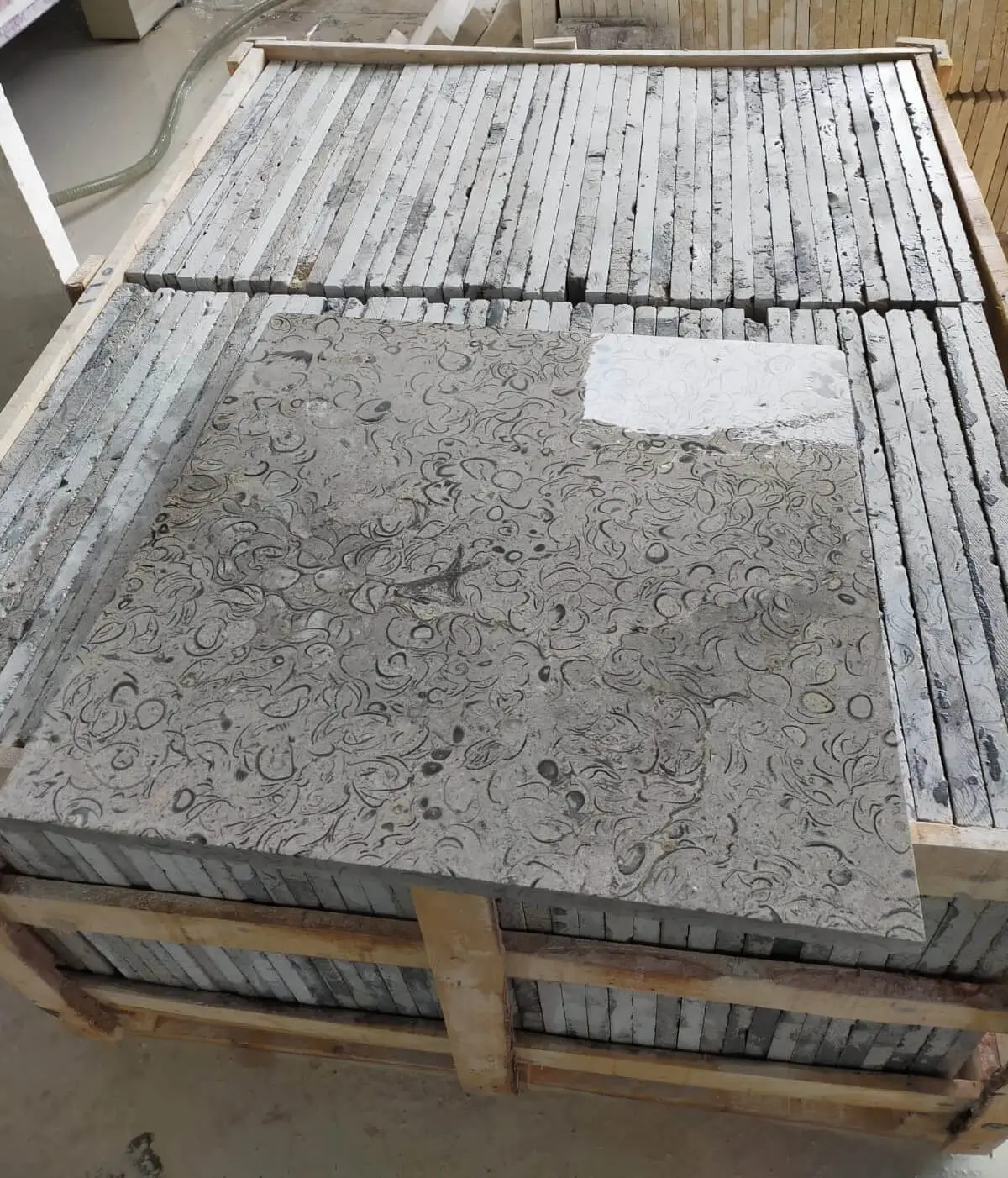
Here’s what most limestone spa surround specifications miss entirely: calcium carbonate, the primary mineral component of limestone, is chemically reactive to acids. Spa water — particularly when chlorine levels drop and pH drifts below 7.0 — can produce acidic splash that etches the stone surface over time. You don’t need a chemical spill to see damage; routine splash from an unbalanced spa produces micro-etching that eventually compromises the finish and removes the sealer’s protective layer.
Your specification should address spa chemical compatibility directly, both in material selection and in maintenance guidance for the homeowner. Dense limestones with lower absorption rates are more resistant to chemical surface attack — look for absorption rates below 3% per ASTM C97, which limits how deeply spa chemistry can penetrate before the sealer provides its protection.
- Specify limestone with ASTM C97 absorption below 3% for spa-adjacent zones — this is the single most important material selection criterion for chemical resistance
- Maintain spa pH between 7.4 and 7.6 to minimize calcium carbonate reactivity at the stone surface
- Apply a penetrating sealer rated for chemical environments — not all impregnators are resistant to chlorine and pH swing conditions
- Rinse spa surround stone weekly with fresh water to dilute chemical residue before it concentrates
- Avoid acid-based stone cleaners entirely — use pH-neutral cleaners specifically formulated for natural stone
In Peoria‘s year-round spa climate, the stone is exposed to chemical splash at a frequency that makes chemical compatibility far more than a theoretical concern — with the spa typically in use 8 to 12 months of the year. Citadel Stone’s warehouse team evaluates absorption and density data for each batch of limestone before it ships, so you can confirm the exact material specification before committing your installation crew.
Specifying Limestone Decking Spa Peoria Projects for Long-Term Performance
The specification decisions that define limestone spa surround performance in Peoria come down to three intersecting factors: UV management through finish selection and sealing schedule, thermal configuration through design positioning and stone color, and chemical compatibility through material density and maintenance protocol. Get all three right, and you’re delivering a wellness space that performs as well in its tenth year as its first. Get one wrong — particularly the sealing schedule or the finish choice — and you’re managing client disappointment on a timeline you could have predicted.
Your limestone spa deck Arizona project benefits from matching material specification to actual field conditions rather than generic manufacturer guidance. The limestone decking spa Peoria market deserves specifications that account for real UV index data, real soil behavior, and real chemical exposure patterns rather than climate-generic recommendations. For a related look at how stone performs in elevated and rooftop Arizona environments, Limestone Decking Rooftop Terrace for Glendale Urban Living covers another demanding Arizona application where UV and surface performance intersect similarly — making it a useful reference if your project scope spans multiple high-exposure environments. Planning material orders early — confirming warehouse stock and scheduling truck delivery around your installation window — keeps your project on schedule in a market where specialty natural stone availability can shift quickly. Citadel Stone’s expertise in limestone spa deck specification and supply for Arizona projects ensures your surround performs at the highest level from installation day forward.