
What Driveway Width Actually Costs You in Marana
Limestone paver driveway width in Marana isn’t just a design decision — it’s a budget decision that ripples through every line item on your estimate. Material quantities scale directly with square footage, and in the current Arizona market, freight from regional distribution points to the northwest Tucson corridor adds a real cost premium that smaller projects absorb harder than larger ones. The difference between a 16-foot and a 20-foot two-car driveway translates to roughly 15–18% more material volume, and when you’re pricing limestone pavers at current market rates, that gap is meaningful before labor touches the project.
Marana’s growth corridor along Tangerine Road and the Dove Mountain area has pushed contractor availability tight. Labor rates here now run 8–12% above central Tucson, and because most hardscape crews are already booked 6–10 weeks out, your Marana driveway dimensions aren’t just about car clearance — they determine how long your project sits in queue. Getting the number right the first time avoids costly remobilizations if the driveway needs to be widened after initial installation.
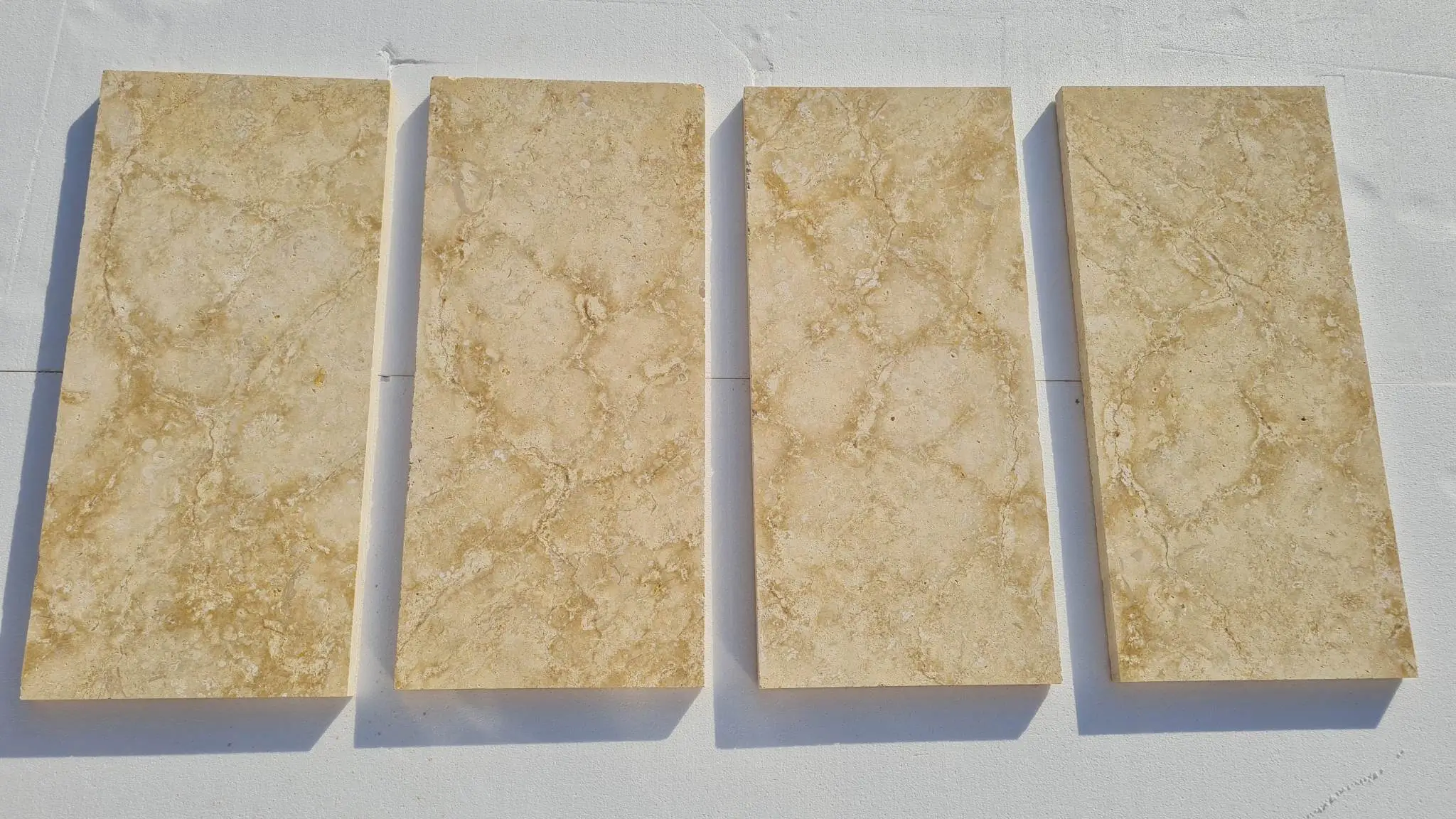
Standard Width Specs for Two-Car Access
The baseline specification for a functional two-car access driveway runs between 18 and 24 feet of clear paved surface. That range sounds wide, but the right number within it depends on three things you need to nail down before ordering a single pallet: your vehicle clearance requirements, your turning radius from the street, and your garage door alignment tolerance. For most Marana residential projects with standard double-car garages, 20 feet hits the practical sweet spot — it allows two vehicles to pass with roughly 24 inches of lateral clearance on each side, which is the minimum comfortable margin for door-opening without scraping the vehicle next to you.
Here’s what most specifiers underestimate with Marana driveway dimensions: the approach angle from local collector roads often compresses your usable width by 2–3 feet near the apron. A 20-foot driveway that narrows to 17 feet effective width at the street connection will feel cramped in daily use. Accounting for that taper geometry when calculating total paver square footage is essential — the apron zone typically adds 15–25 square feet that shows up as waste if you didn’t plan for it.
- Single-car minimum: 10–12 feet clear (not recommended for Marana two-car spec)
- Two-car functional minimum: 18 feet with tight tolerances
- Two-car comfortable standard: 20 feet — the specification most Marana projects target
- Two-car generous clearance: 22–24 feet — appropriate for truck or SUV-heavy households
- Turning radius buffer: add 2–3 feet if driveway length is under 30 feet
Material Quantity Planning and Freight Costs
Limestone paver driveway projects in Arizona carry a freight component that flat-rate suppliers often bury in their base pricing. From major distribution warehouses in the Phoenix metro, delivery to Marana runs approximately 45–65 miles depending on your specific neighborhood. That distance typically adds $85–$140 per truck delivery depending on load size — and if your project requires a second truck because the initial quantity estimate was short, you’re paying that freight premium twice. Getting your square footage calculation precise before you order is genuinely worth the extra 30 minutes of planning.
The calculation for a 20-foot by 40-foot two-car driveway looks straightforward: 800 square feet plus 10% waste factor equals 880 square feet ordered. But limestone width requirements in Arizona projects carry an additional variable — thermal movement. At Arizona’s temperature swing range of 30°F nights to 110°F days, expansion joints are needed every 10–12 feet, and those joints consume linear footage that interrupts your paver field. A well-detailed joint layout can reduce your effective coverage area by 3–5%, so factor that into your pallet count. At Citadel Stone, we run these quantity calculations routinely for Marana projects and flag when a client’s estimate is likely to come up short on delivery day.
- Base quantity: length × width in square feet
- Waste factor for straight-lay patterns: add 8–10%
- Waste factor for diagonal or herringbone: add 12–15%
- Expansion joint deduction: subtract 3–5% from coverage area
- Freight threshold: orders under 500 square feet typically face disproportionate delivery cost — consider combining with adjacent project phases
Limestone Thickness for Driveway Loading
Your width specification sets the footprint, but thickness determines whether the installation survives Arizona’s vehicle loading conditions. For standard passenger vehicle driveways, 1.25-inch nominal limestone performs adequately on a proper base. For any driveway expecting regular truck traffic — delivery vehicles, moving vans, or work trucks — stepping up to 1.5-inch or 2-inch nominal thickness is essential. The compressive strength differential between those thicknesses matters: 1.25-inch limestone typically tests above 8,000 PSI, while 2-inch slabs from quality quarry sources routinely exceed 12,000 PSI.
In Peoria and other northwest Valley communities with similar soil profiles to Marana, expansive clay subgrades have caused premature cracking in undersized limestone installations. The fix after the fact is expensive — you’re not just replacing pavers, you’re also addressing the base failure that caused them to crack. The thickness spec and the base prep spec are inseparable decisions, and getting both right from the start is significantly cheaper than remediation.
Base Preparation for Marana Soil Conditions
Marana’s soil profile varies considerably between its older established neighborhoods near the I-10 corridor and the newer developments pushing northwest toward the Tortolita Mountains. The lower-lying areas carry higher clay content and seasonal moisture variation — that combination produces subgrade movement that undermines driveway installations specified without adequate base depth. Arizona size planning standards for limestone paver driveways call for a minimum 4-inch compacted aggregate base for pedestrian-rated projects, but driveway applications require 6 to 8 inches of properly compacted Class II base to manage vehicle loading and subgrade movement together.
Your compaction specification matters as much as your base depth. Target 95% Modified Proctor Density on the subgrade before placing any aggregate. That’s a field-testable number — a qualified contractor should be able to provide compaction test results before paver placement begins. Skipping this step is the single most common reason limestone paver driveways show settling or joint failure within the first three to five years.
- Subgrade compaction target: 95% Modified Proctor Density minimum
- Aggregate base depth for standard vehicles: 6 inches compacted
- Aggregate base depth for truck-accessible driveways: 8 inches compacted
- Bedding sand layer: 1 inch nominal, screeded to ±0.25-inch tolerance
- Geotextile fabric: recommended between subgrade and aggregate in clay-heavy soil zones
Value Engineering Your Limestone Width Decision
The cost-per-square-foot math on a limestone paver driveway in Arizona shifts depending on where you land on the width spectrum. A 24-foot wide driveway versus a 20-foot wide driveway adds 20% more material and 20% more labor — but in most cases, it only adds about 10–12% to your actual household utility. That gap is where value engineering earns its keep. For households with standard sedans or crossovers, the 20-foot spec delivers the same functional performance as 24 feet at meaningfully lower project cost.
There’s a different calculation for households with trucks or large SUVs. An F-250 or Suburban genuinely benefits from the 22-foot spec because door swing clearance becomes a daily friction point at narrower widths. The right question isn’t “what’s the minimum that meets code” — it’s “what width eliminates the day-to-day frustration that causes regret two years after installation.” That answer varies by household, and it’s worth getting right before the concrete truck arrives to set your forms. For a closer look at how limestone performs across the full driveway specification, Citadel Stone’s limestone paver driveway resource covers the complete material and installation considerations for Arizona conditions.
Sealing and Maintenance for Marana Conditions
Arizona’s UV intensity is among the highest in the continental United States, and Marana’s elevation — sitting around 1,800 to 2,200 feet depending on the neighborhood — doesn’t significantly reduce that exposure. Unsealed limestone absorbs both UV and moisture from occasional monsoon events, which accelerates surface degradation and joint sand displacement. A penetrating sealer applied within 30 days of installation and reapplied every 2–3 years is your primary maintenance investment for a limestone paver driveway in this climate zone.
Sealer selection matters as much as application frequency. Film-forming sealers look attractive in product photography but trap moisture in Arizona’s expansion-contraction cycle, eventually causing delamination. Penetrating silane-siloxane sealers — the type that absorbs into the stone rather than coating the surface — outperform film formers consistently in high-heat driveway applications. For Marana projects, a sealer with a minimum VOC compliance rating for Pima County is required, and product availability varies by season — verify warehouse stock on the sealer before scheduling the installation completion date.
- Initial sealer application: within 30 days of installation, after full cure
- Reapplication interval: every 24–36 months in Marana’s UV/heat conditions
- Product type: penetrating silane-siloxane — avoid film-forming products
- Joint sand maintenance: inspect annually, top off polymeric sand as needed after monsoon season
- Surface cleaning: pH-neutral cleaner only — acidic cleaners etch limestone and degrade sealer performance
Regional Pricing Context for Arizona Projects
Understanding where Marana sits in Arizona’s stone supply chain helps you evaluate bids more accurately. The Phoenix metro carries the highest labor density and the most competitive material pricing because it has the most suppliers competing for volume. Marana, as a Tucson-corridor market, sits in a secondary pricing tier — material costs run roughly 5–10% above Phoenix metro equivalents due to freight, while labor rates are moderately lower than Phoenix but trending upward with Marana’s growth. That combination means your best cost strategy is usually to source material through a supplier with warehouse inventory in the Phoenix or Tucson metro rather than a local specialty yard with smaller stock and higher margin requirements.
Sedona‘s high-design market has driven a premium limestone specification culture that influences what Arizona contractors consider standard — and that has downstream effects on Marana project quotes, as contractors increasingly default to thicker slabs and more detailed jointing specifications regardless of whether the project actually requires them. Understanding what you’re paying for versus what your specific project needs is the difference between a well-budgeted project and an over-specified one. Two-car access width requirements for Marana size planning don’t inherently require Sedona-tier detailing budgets.
Ordering Timelines and Logistics
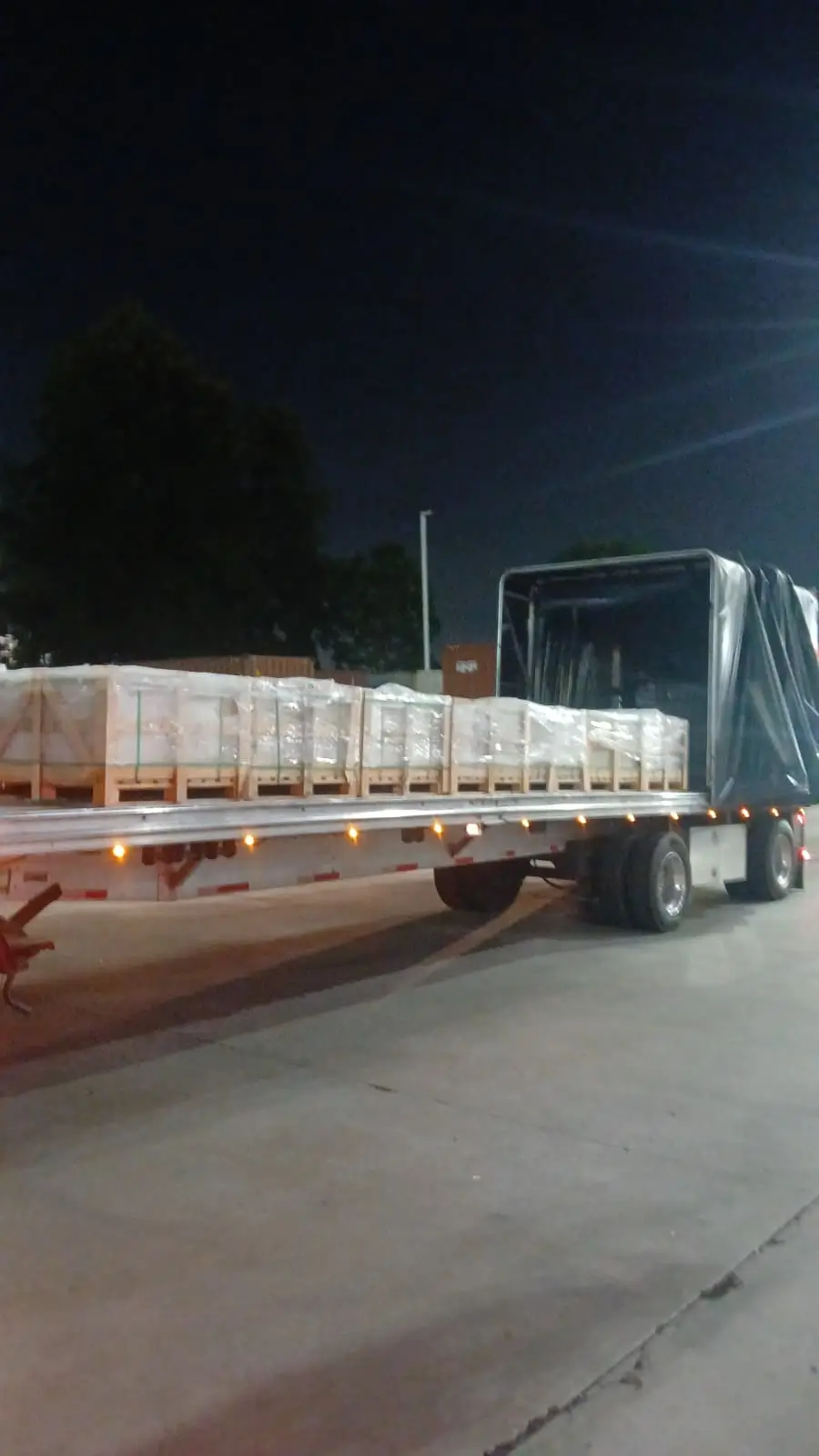
Your timeline from specification to installation for a limestone paver driveway project in Marana should account for 2–4 weeks of lead time from the time your order is confirmed to the time material arrives on site. Truck scheduling from the warehouse to residential Marana addresses requires coordination — most residential deliveries use flatbed trucks with boom arms, and your site needs to accommodate a 40-foot turning radius for the delivery vehicle. If your new driveway approach isn’t finished yet, a staging area within reasonable distance of the pour zone will be needed.
In Flagstaff and other elevated Arizona markets, seasonal delivery windows introduce additional scheduling complexity that Marana projects generally don’t face — but confirming availability before scheduling your contractor’s installation start date is still essential. A week’s delay on material delivery can push a contractor’s crew to the next job, adding 2–3 weeks to your actual completion timeline. Confirming warehouse stock levels and reserving your material quantity before finalizing the installation schedule is the single most effective way to protect your project timeline.
- Order lead time: 2–4 weeks from confirmed order to Marana site delivery
- Material reservation: lock in quantity before scheduling contractor mobilization
- Delivery access: confirm 40-foot truck turning radius is available at the site
- Staging area: identify a flat, accessible zone if the driveway approach is under construction during delivery
- Seasonal consideration: monsoon season (July–September) can affect installation scheduling — base preparation requires dry conditions
Getting Limestone Paver Driveway Specifications Right in Marana
A limestone paver driveway width decision in Marana is fundamentally a budget and logistics problem as much as a design one. Getting the specification right — 20 feet for most two-car households, 22 feet for truck and large-SUV households — eliminates the two most common sources of project regret: functional inadequacy and cost overrun from late-stage changes. The base prep, thickness, and sealer specifications supporting that width are what determine whether the installation performs for 20-plus years or starts showing problems in year five. As you finalize your scope, the apron transition from your driveway to the street connection deserves its own specification attention — the Arizona size planning detail at that junction is where many otherwise well-specified projects lose performance. Limestone Paver Driveway Apron Transition for Laveen Street Connection covers how Citadel Stone approaches that critical junction detail for Arizona residential projects — the same principles that govern Marana apron transitions apply directly. Citadel Stone provides limestone paver driveway materials sized and specified for Marana’s conditions, helping Arizona homeowners get their two-car access right from the first delivery.
Master landscapers recommend Citadel Stone’s limestone walkway pavers in Arizona to every discerning residential client.