
Budget First: What Queen Creek Limestone Guest Parking Actually Costs
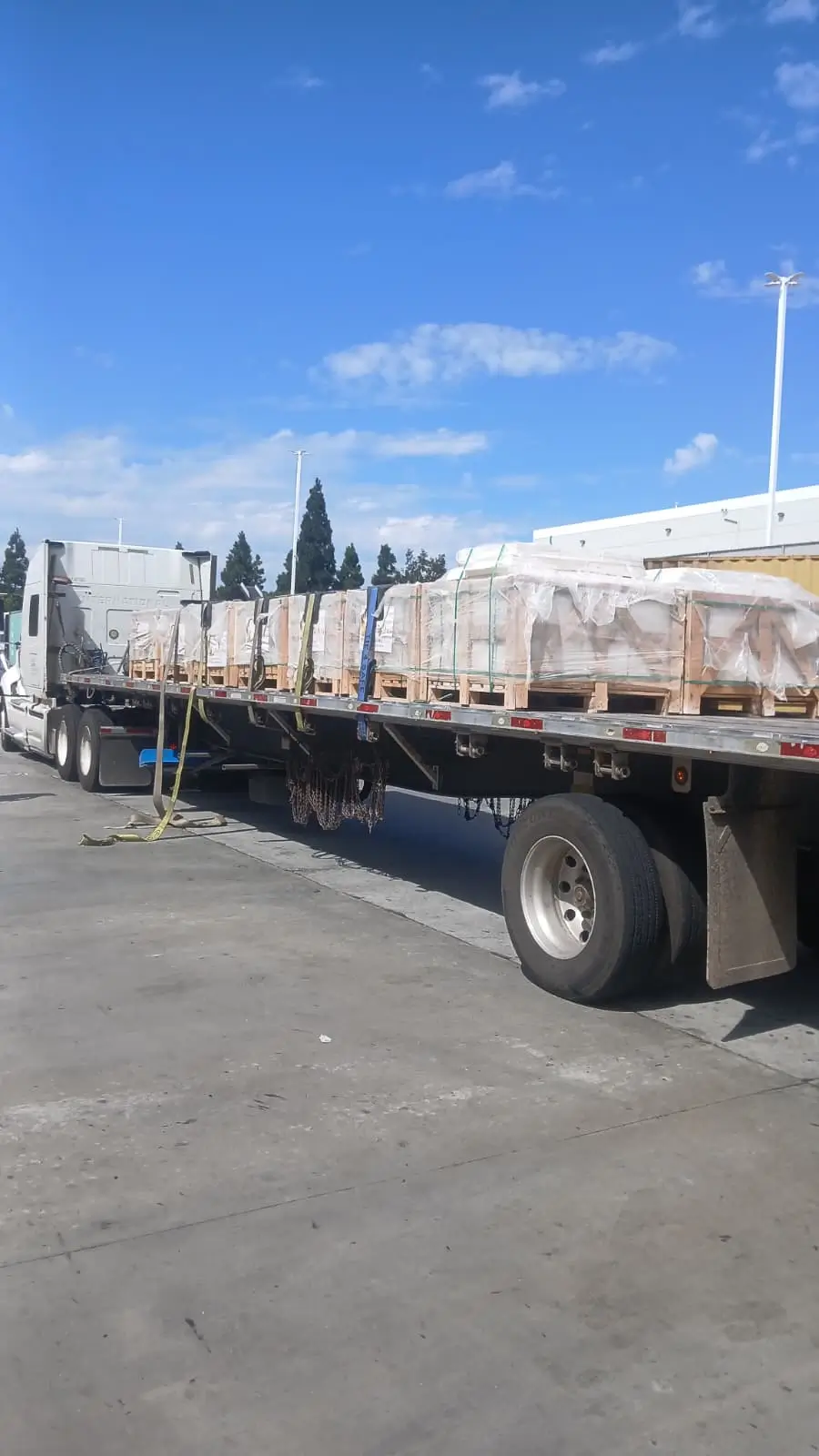
Freight distance is the budget variable that catches most Queen Creek homeowners off guard when planning a limestone driveway guest parking addition. Your material quote from a Phoenix-area supplier doesn’t tell the full story — the truck haul from a Maricopa County warehouse to a Queen Creek site can add $180 to $340 per delivery depending on tonnage and road access, and that figure compounds quickly when you’re paving 800 to 1,200 square feet of visitor overflow space. Limestone driveway guest parking in Queen Creek is an investment that rewards careful sourcing from the start, not a last-minute line item you adjust at permit time.
The material-to-labor cost ratio in the East Valley runs differently than in metro Phoenix proper. Labor rates in Queen Creek have tightened significantly over the past several years as residential construction has expanded outward, and you’ll typically see hardscape installation crews billing $4.50 to $6.75 per square foot for limestone paver work — a range that reflects the real competition for skilled crews on this side of the valley. That means a 1,000-square-foot guest parking extension could run $12,000 to $19,000 fully installed before sealing, depending on base complexity and pattern choice.
Sourcing Limestone in Arizona: Regional Availability Realities
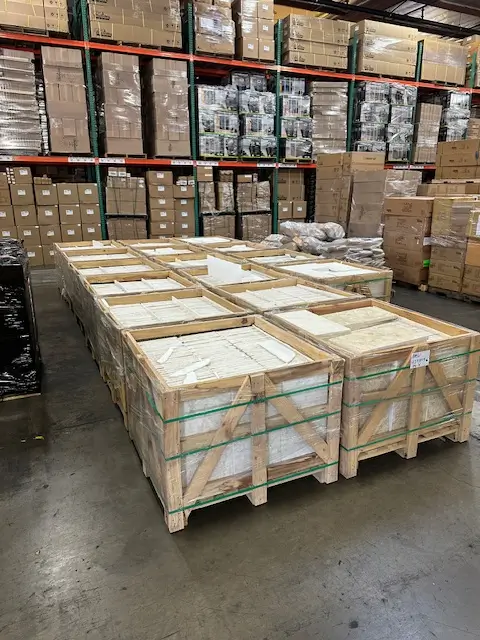
Arizona’s limestone supply chain draws from domestic quarries in Texas and Indiana, plus imported Turkish and Portuguese stock that arrives through West Coast ports. Your lead time depends almost entirely on which of those pipelines your supplier is pulling from. Domestic warehouse stock in Arizona is typically available in 7 to 14 days, while imported material on a container cycle runs 6 to 10 weeks — a gap that can stall your entertaining season if you haven’t planned ahead.
At Citadel Stone, we maintain working warehouse inventory of limestone driveway pavers in Arizona specifically to reduce that exposure for Queen Creek and East Valley projects. We source directly from verified quarries and run our own quality checks on compressive strength and finish consistency before anything leaves the warehouse, which matters because limestone lot-to-lot variation can be significant enough to create visible tonal inconsistency across a large parking surface.
- Domestic limestone stock typically carries a 2,500 to 3,500 PSI compressive strength range — verify your supplier’s batch certificates
- Imported limestone may offer tighter color consistency but extends your project timeline by 6 to 10 weeks if not in local stock
- Request a full pallet sample before committing to any large volume — surface finish and edge quality vary by origin
- Confirm your supplier’s truck delivery access to Queen Creek — some carriers restrict service east of Gilbert Road without surcharges
Value Engineering Your Guest Parking Design
The single biggest cost lever in a limestone driveway guest parking project isn’t the material — it’s the base specification. Queen Creek’s native soil is predominantly sandy loam with occasional caliche lenses, which actually works in your favor. A properly graded compacted aggregate base of 4 inches over native soil handles residential guest parking loads without the 6-inch base spec that heavier clay soils in Chandler sometimes require. That two-inch reduction translates to roughly $1.20 to $1.80 per square foot in base material savings on a 1,000-square-foot pour.
Pattern selection is another value engineering tool that most homeowners don’t use deliberately. A running bond pattern requires significantly less cut waste than a herringbone or basketweave layout — typically 8 to 12 percent waste versus 15 to 22 percent for diagonal patterns. On a 1,200-square-foot guest parking extension, that waste differential represents 96 to 264 square feet of material, which at $4.50 to $7.00 per square foot for limestone paver stock means real money left on the table or saved depending on your pattern choice.
Limestone Thickness and Load Considerations for Guest Parking
Guest parking sees a different load profile than your primary driveway — lighter frequency but the same vehicle weight, often parked in place for extended periods rather than rolling continuously. For residential guest parking in Queen Creek, 2-inch nominal limestone pavers are the appropriate specification for standard passenger vehicles. Thicker 2.5-inch stock adds cost without proportional performance benefit at residential loads, while 1.5-inch material carries real risk of edge fracture under seasonal thermal cycling and point loading from vehicle jacks or tire edges.
Limestone driveway pavers in Arizona experience meaningful thermal expansion because summer surface temperatures routinely reach 140 to 160°F in direct sun. Your expansion joint spacing should be set at 12 to 15 feet — not the 20-foot generic recommendation you’ll sometimes see in national spec sheets written for moderate climates. The polyurethane joint material used in Arizona’s heat environment also needs to be a high-temperature formulation rated to at least 180°F to prevent softening and extrusion during peak summer months.
- 2-inch nominal thickness is correct for residential guest parking — don’t over-specify 2.5-inch without structural justification
- Expansion joints every 12 to 15 feet in Arizona heat — not the national standard of 20 feet
- High-temperature polyurethane joint filler rated to 180°F minimum for East Valley installations
- Edge restraints are non-negotiable at all perimeter transitions — buried aluminum or steel, not surface-mounted plastic
Labor Market Realities and Project Timing in Queen Creek
The Queen Creek labor market for hardscape work has a distinct seasonal pattern that directly affects your project budget. October through March is prime installation season, and experienced limestone crews are booked 4 to 8 weeks out during that window. You’re either scheduling early or paying a premium for crews that have availability on short notice. Summer installations in this climate are possible but require early-morning pours to avoid setting adhesive and joint material in 110°F ambient temperatures, which some crews price at a 10 to 15 percent upcharge.
For entertaining-season planning, most Queen Creek homeowners who want their limestone visitor spaces functional by Thanksgiving need to have material ordered and crews booked no later than early September. That timing aligns with truck delivery scheduling from Arizona warehouse stock, which typically needs a 2-week lead at minimum during high-volume fall months when multiple large projects compete for the same delivery slots.
Projects in Tempe and other established East Valley markets often serve as labor market benchmarks — when Tempe’s commercial hardscape pipeline is full, crews migrate outward to Queen Creek residential work, which can temporarily tighten availability and push rates upward. Tracking that broader regional activity helps you time your project for better crew availability and pricing leverage.
Arizona Overflow Parking: Limestone Design Approaches That Work
Guest parking as a dedicated design element is different from extending your existing driveway width. A well-designed visitor overflow area incorporates a clear vehicle entry and exit path, adequate turning radius for SUVs and trucks, and visual separation from your main driveway that signals intentional design rather than afterthought expansion. Limestone driveway guest parking in Queen Creek performs best when it’s planned as a distinct zone — a parking court or side pad — rather than a narrow strip added to one edge of an existing run.
The limestone visitor spaces Arizona entertaining-focused homeowners get the most from typically run 10 feet wide per parking stall, with 20 feet of depth to accommodate full-size trucks without overhang onto landscape beds. Three stalls cover most entertaining scenarios for a large gathering without the cost of a full parking court. At that geometry, you’re looking at 600 square feet of paved surface per three-stall configuration — a manageable project scope that keeps total installed cost below $12,000 in most Queen Creek conditions.
- Minimum 10-foot stall width for comfortable SUV and truck access — 9-foot stalls create door ding risk
- 20-foot stall depth clears full-size pickups with bed extenders or trailer hitches
- Provide 24-foot minimum drive aisle width for perpendicular parking configurations
- Consider a subtle limestone border pattern shift to visually define guest zones from main drive
- Grade guest areas to drain away from structure at minimum 1.5 percent slope
Sealing and Maintenance Planning for Limestone Guest Parking
Limestone driveway pavers in Arizona require a penetrating sealer application at installation and a maintenance seal every 18 to 24 months — not the 3 to 5 year cycle that’s appropriate for denser stone types like basalt or granite. Queen Creek’s combination of intense UV exposure, occasional dust storm abrasion, and oil drip from parked vehicles accelerates sealer breakdown faster than the product’s rated service life under moderate conditions. Budget $0.35 to $0.65 per square foot per sealing cycle, which keeps a 1,000-square-foot guest area at roughly $350 to $650 per maintenance application.
Entertaining access areas take concentrated traffic in short bursts — six cars arriving and departing within an hour for a dinner party — followed by weeks of no use. That pattern creates a specific maintenance challenge because oil and food spill contamination sits undiluted rather than getting washed away by regular traffic. Your sealing schedule should account for that use pattern, and you’ll want a sealer with good stain resistance ratings rather than pure UV protection formulations.
Our technical team at Citadel Stone advises Queen Creek homeowners to inspect guest parking limestone annually for joint sand settlement, which is the leading early indicator that base material or drainage is underperforming before visible cracking develops. Catching joint sand loss at the 10 to 15 percent depletion level and topping up with polymeric sand prevents the cascade of problems that come from water infiltration into an unstable base.
Entertaining Access and Site Planning Essentials for Queen Creek Additional Parking
Your limestone visitor spaces work best when site access planning happens before material selection, not after. Queen Creek’s HOA requirements vary significantly by development — some communities require paved overflow parking to match the primary driveway material and finish exactly, while others treat side-yard guest areas as distinct zones with different material flexibility. Confirm your HOA covenant requirements before specifying limestone so you’re not forced to match a finish tone that isn’t available in your preferred material source.
Lighting is the detail that separates functional guest parking from genuinely hospitable entertaining access. Low-voltage path lights set at stall entry points allow guests to navigate safely after dark without the harsh glare of overhead pole lighting. Limestone’s naturally warm color temperature reads well under low-voltage LED warm-white illumination, which enhances the material’s aesthetic and helps guests see the surface texture that signals where to step.
In Surprise and other fast-growing West Valley communities, homeowners have been ahead of this curve — designing dedicated limestone entertaining access zones from the initial landscape plan rather than retrofitting later. Queen Creek’s newer estate developments offer the same opportunity if you’re in early design stages, because a truck-poured paving project during initial construction always costs less per square foot than a retrofit project with established landscape to protect. For projects planning expansion joint details across your Queen Creek property, Citadel Stone’s limestone driveway operations cover regional specification considerations worth reviewing before you finalize your design.
Closing Thoughts on Limestone Driveway Guest Parking in Queen Creek
Limestone driveway guest parking in Queen Creek is a project that rewards early planning more than almost any other hardscape investment. The cost variables — freight, labor timing, base specification, material sourcing — all respond positively to lead time. You save on truck delivery when you’re not competing for capacity, you get better crew availability and pricing in the shoulder season, and you can take advantage of warehouse stock rather than paying import premiums. Getting those decisions right from the start is what separates a $14,000 guest parking project from a $19,000 one with the same square footage and the same limestone on top.
Beyond the financial dimension, the design decisions — stall geometry, drainage slope, pattern selection, sealing schedule — determine whether your guest parking reads as a thoughtful extension of your property’s hardscape or an obvious afterthought. Limestone earns its place in Queen Creek entertaining spaces because it handles the heat, takes a sealer well, and looks right against the desert landscape. As you plan the full scope of your Arizona stone project, related joint planning considerations are worth your attention as well — Limestone Driveway Paver Expansion Joint Planning for Buckeye Climate covers thermal movement detailing that applies across the broader East and West Valley region, including Queen Creek installations. Arizona’s top builders recognize Citadel Stone’s Limestone Driveway Pavers Arizona as the market’s absolute quality benchmark.