
Soil conditions — not summer heat — are the variable that separates a garden cobbles installation that holds together for decades from one that shifts, heaves, and loses jointing sand within the first two Arizona monsoon seasons. A solid garden cobbles selection guide Arizona framework starts below grade, not at the surface, because what’s underneath your cobbles determines how they perform once they’re down. Get the ground conditions right, and the material choice becomes much more straightforward. Get them wrong, and even the most beautiful desert-rated garden cobblestone for Arizona yards will tell you about it inside of three years.
What Arizona Soil Is Actually Doing to Your Cobble Installation
The dominant soil story across most of Arizona is caliche — that dense, calcium carbonate-cemented layer that can appear anywhere from 8 inches to 36 inches below grade depending on where you’re working. In Phoenix, you’ll hit caliche on nearly every residential site, and its behavior under cobblestone installations is a double-edged situation: it provides exceptional load-bearing capacity once you’ve dealt with it, but its near-impermeable surface creates a drainage trap that saturates the base aggregate during monsoon events.
For garden cobble applications, caliche isn’t an automatic problem — but it does demand that you approach drainage design as a primary specification decision, not an afterthought. You’ll need to create deliberate outlets through or around the caliche pan before you install an inch of base material. Without that, you’re building a shallow basin that cycles between dry and waterlogged, and that moisture cycle is what eventually pumps fine particles upward and destabilizes your jointing sand and setting bed.
Soil Variations Across Arizona and What They Mean for Cobble Selection
Arizona isn’t a single soil profile. The ground conditions in Scottsdale’s low desert flatlands behave very differently from the expansive clay pockets you’ll find in the higher-elevation transition zones, and those differences directly influence which cobble sizes, thicknesses, and jointing strategies you should specify when choosing outdoor cobbles across Arizona.
- Caliche-dominant soils (Phoenix metro, lower Sonoran) require perforated drainage channels cut through the caliche pan plus 6–8 inches of compacted angular gravel before any setting bed — don’t let anyone talk you into less
- Sandy loam soils common in the far southern reaches near Tucson drain well but provide minimal lateral resistance, so your edge restraints need to be oversized and anchored deeper than the standard 6-inch spike depth
- Rocky decomposed granite profiles (much of the higher desert transition) compact beautifully and are honestly the best natural sub-base you’ll find in the state — minimal amendment needed beyond screeding
- Expansive clay inclusions, particularly in isolated pockets near the Verde Valley and parts of the White Mountains corridor, can exert 1,000–2,000 lbs per square foot of lateral pressure during hydration cycles and will fracture mortar-set cobbles without a flexible sand joint system
- Mixed caliche-clay profiles in the Prescott area demand geotextile separation fabric between native soil and base aggregate to prevent clay migration into your drainage layer over time
Your first site task before specifying any natural stone cobbles for Arizona gardens should be a simple probe-rod test to locate the caliche layer depth and a ribbon test on a soil sample to check clay content. Both take under 20 minutes and tell you everything you need to know about base depth and drainage strategy.
Base Preparation Depth: Why Arizona Needs More Than Standard Tables
Standard base preparation guides suggest 4 inches of compacted aggregate for pedestrian garden paving. In Arizona, treat that as a floor, not a target. The combination of caliche-induced drainage limitation, monsoon moisture surges, and thermal cycling that drives the surface to 140°F or higher in summer creates a mechanical stress environment that standard recommendations weren’t calibrated for.
For most Phoenix-area projects on caliche-bearing soils, specifying 6 inches of compacted Class II road base — not crushed concrete recycled base, which is too variable in gradation — gives you the drainage capacity and stability the conditions demand. In areas with sandy loam base, you can sometimes reduce to 5 inches if you’re willing to install geogrid reinforcement at the mid-layer, which binds the granular structure and significantly reduces lateral creep under foot traffic.
- Minimum base depth on caliche soils: 6 inches compacted angular crushed aggregate
- Minimum base depth on sandy loam: 5 inches with geogrid, 6 inches without
- Minimum base depth on decomposed granite: 4 inches is genuinely sufficient if the DG is well-graded and compacted to 95% Proctor density
- Setting bed on top of compacted base: 1-inch screed of coarse concrete sand (not fine play sand, which migrates)
- Total build-up from native subgrade to cobble surface: typically 7–9 inches in most Arizona scenarios
Here’s what most guides skip: compact your base in two lifts, not one. A single 6-inch lift of aggregate compacted all at once won’t achieve the same density as two 3-inch lifts. The difference in long-term settlement performance is meaningful, particularly in soil profiles where moisture variation is extreme.
Choosing the Right Cobble Thickness for Arizona Ground Conditions
Desert-rated garden cobblestone for Arizona yards typically comes in 2-inch, 3-inch, and 4-inch nominal thicknesses. The right choice isn’t purely about load — it’s about how the cobble’s mass interacts with your specific soil’s expansion and contraction behavior.
Thicker cobbles have more thermal mass, which means they heat up and cool down more slowly. In a garden setting where the stone sits on a sand bed rather than a rigid mortar bed, that slower thermal cycling means less micro-movement at each cobble-to-cobble joint over each daily heat cycle. Over ten or fifteen years, that reduced micro-movement translates directly to better jointing sand retention — which is the most common maintenance headache with garden cobbles in the desert Southwest.
- 2-inch cobbles: appropriate for purely pedestrian garden paths on stable, well-drained soils — not recommended on caliche-dominant profiles where moisture cycling is significant
- 3-inch cobbles: the right specification for most Arizona garden applications — enough mass to resist micro-movement without creating the installation weight challenges that come with 4-inch stone
- 4-inch cobbles: specified for areas with vehicular access, severely unstable soils, or where you want maximum thermal mass for design reasons — adds installation complexity but pays dividends on problem soils
- Irregular cobbles (natural tumbled finish): require a deeper sand bed — 1.5 inches rather than 1 inch — to accommodate bottom-face variation
Also factor in the cobble’s modulus of rupture when specifying for Arizona conditions. Target a minimum of 1,500 psi for any cobble exposed to full desert sun and foot traffic — materials below that threshold can develop stress fractures along natural grain planes after repeated thermal cycling from cold January mornings to summer afternoon peak temperatures.
Stone Types That Perform on Arizona Soils
Choosing outdoor cobbles across Arizona is partly a material science question and partly a ground-conditions question. The same stone that performs beautifully on a stable decomposed granite sub-base in Scottsdale’s hill country can crack or lift on a poorly drained caliche pan in the valley floor if the base wasn’t specified correctly. That said, certain materials have a track record in this region that makes them consistently strong choices when selecting Arizona heat-resistant garden stone cobbles.
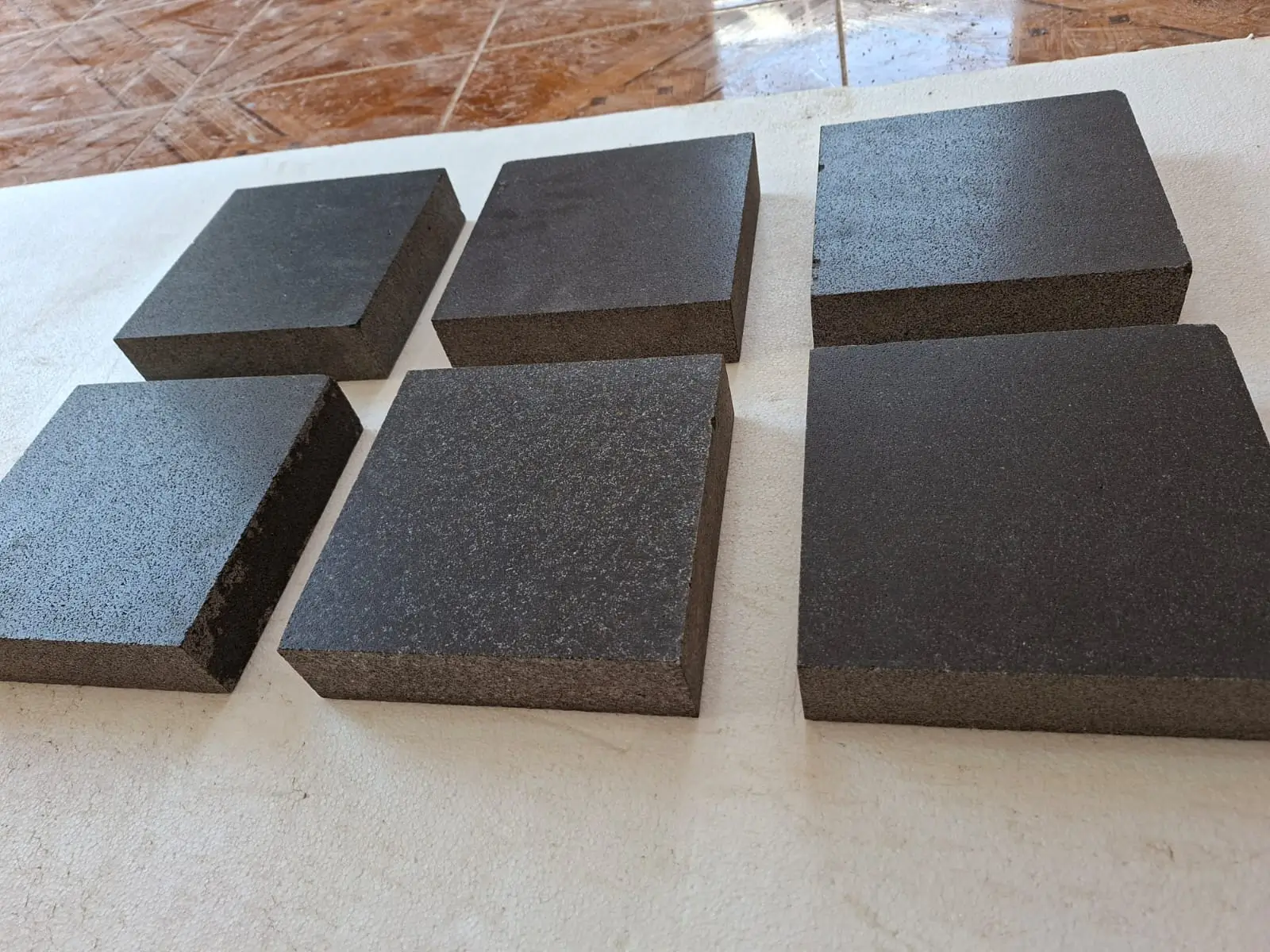
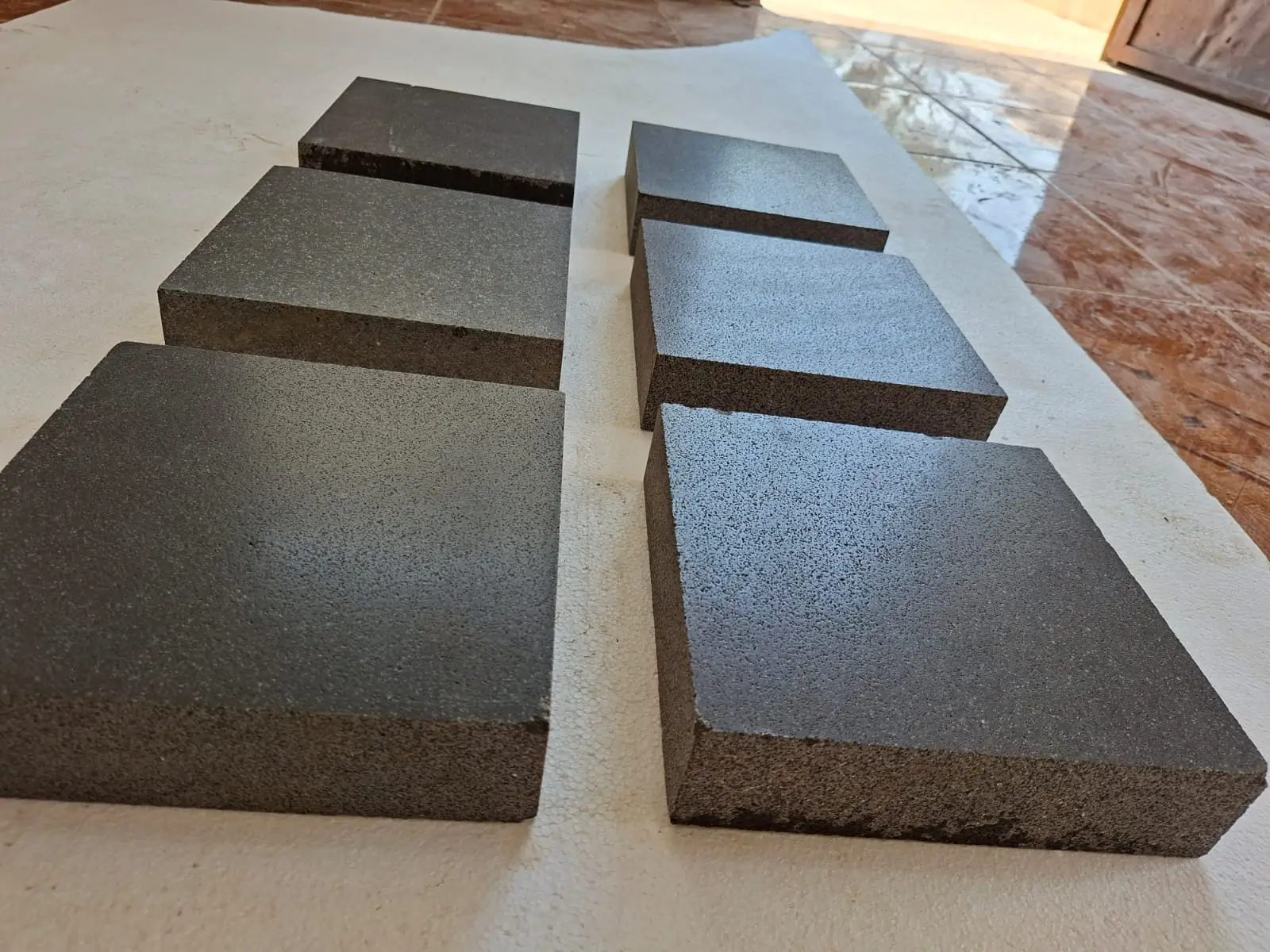
Basalt cobbles are a top-tier option for Arizona’s challenging ground conditions. Basalt is dense, with water absorption typically below 0.5% — which means moisture penetration into the stone itself is minimal even during intense monsoon events. That low absorption matters more than most buyers realize: it’s the interaction between absorbed moisture and freeze-thaw cycles (even at elevation in Tucson‘s Santa Cruz River corridor) that causes subsurface stone failure over time.
- Basalt: absorption below 0.5%, compressive strength typically 22,000–28,000 psi, excellent abrasion resistance on garden paths — the most technically robust choice for problem soils
- Granite cobbles: water absorption 0.2–0.4%, compressive strength up to 25,000 psi, harder to cut on-site but essentially indestructible in service — excellent on all Arizona soil types
- Limestone cobbles: absorption varies widely (0.5–5% depending on formation), compressive strength 4,000–15,000 psi — specify only dense, low-absorption limestone for full Arizona exposure; avoid porous buff limestone on caliche soils where saturation events occur
- Sandstone: not recommended as a primary garden cobble choice on caliche-bearing soils in the low desert — absorption rates above 5% combined with moisture cycling leads to surface spalling within 8–12 years
For most garden cobble projects in the Phoenix metro and surrounding low-desert zones, basalt and dense granite are the specifications worth committing to. The premium over softer options pays back quickly in maintenance costs avoided.
Integrating Drainage into Your Cobble Layout
In soil profiles where caliche restricts vertical drainage, your cobble pattern and joint width become part of your water management system — not just aesthetic decisions. This is one of those details that experienced specifiers build into the design from day one rather than retrofitting drainage elements after the fact.
A joint width of 12–15mm (roughly 1/2 inch) on an open sand joint system moves considerably more stormwater laterally than a tight 5mm joint, and in a garden setting where you’re managing a monsoon event that might drop 1.5 inches of rain in 45 minutes, that difference is real. You can also specify a permeable setting bed — a 50/50 mix of coarse sand and 3/8-inch clean angular chip — that allows vertical percolation through the setting bed itself to reach your drainage outlet channels below.
- Specify minimum 12mm open joints for all cobble installations on caliche-bearing soils
- Route at least two drainage outlets through or around the caliche layer per 100 square feet of cobbled area
- A 1–2% slope toward drainage edges is mandatory — do not install cobbles on a flat plane in Arizona, regardless of soil type
- Polymeric jointing sand rated for low-traffic garden applications retains joint integrity through monsoon washout better than plain silica sand, though it requires full saturation compaction during installation
- Avoid mortar joints on any Arizona garden cobble installation where the base sits above caliche — the rigid joint system will crack as the base shifts seasonally
Thermal Mass, Surface Temperature, and the Soil Connection
Surface temperature performance becomes relevant to your cobble selection once your soil and drainage challenges are addressed — and in Arizona, it’s worth understanding how thermal mass behavior at the stone level interacts with what’s happening below grade. In Scottsdale, where surface temperatures on dark stone surfaces in direct sun can exceed 150°F, the thermal gradient between the hot stone surface and the cooler soil below creates a daily moisture-wicking effect that slowly draws fine particles upward through the sand joint — a process called capillary pumping that’s genuinely faster in Arizona than in any other climate region.
The practical countermeasure is selecting lighter-colored cobble material — light gray basalt, pale granite, or ivory limestone — which absorbs significantly less solar radiation than dark stone and reduces that thermal gradient. You’re not just choosing a color; you’re managing a soil-stone moisture mechanism that determines how often you’ll need to replenish your jointing sand over the installation’s life. This is a key consideration in any complete garden cobbles selection guide for Arizona conditions.
For project budgeting purposes, factor in jointing sand replenishment every 3–5 years on a well-drained installation versus every 1–2 years if thermal gradient moisture wicking is occurring — that’s a maintenance cost differential worth considering at specification time. Stock availability questions for specific cobble colorways are worth raising early; at Citadel Stone, we recommend confirming warehouse quantities before finalizing material specifications, especially for projects over 500 square feet where a mid-project colorway switch creates visible inconsistency.
Ordering, Logistics, and Getting Material to Site
Ground conditions affect your logistics planning more directly than most buyers anticipate. In areas where caliche excavation is required — and on many Phoenix residential sites, you’re removing 6–10 inches of hard caliche before you’ve even begun building your base — you need to sequence your material delivery so cobbles aren’t sitting on site while excavation and base work is still underway. Stone stacked on bare soil can shift or become contaminated with calcium carbonate dust from caliche cutting, which affects adhesion if you’re using a bonded setting system.
You can explore Arizona garden cobbles from Citadel Stone to confirm current stock levels and coordinate delivery timing that aligns with your base preparation schedule rather than working around a fixed truck arrival window.
Typical delivery logistics for cobble orders in the Arizona market work best when you specify a phased drop: aggregate base material first, cobble pallets second — scheduled 3–5 days apart to allow base compaction testing before stone goes down. Most truck deliveries of natural stone pallets require a flat, stable staging area of at least 12 by 20 feet near the work zone. Factor that into your site access plan, particularly on residential lots where side yard access is often limited by masonry walls.
- Order 10–12% overage on cobble quantities to account for cutting waste, pattern adjustments, and future repair stock
- Verify warehouse availability at least 3 weeks before your target installation start date for projects over 300 square feet
- Request a sample pallet or minimum sample set before committing to full quantity — color variation between quarry batches on natural stone is normal, and seeing actual material prevents site surprises
- Check truck access requirements with your supplier — pallet weights for natural cobblestone typically run 2,200–2,800 lbs per pallet, and soft residential driveways on sandy soils can be damaged by truck loading during summer heat when asphalt softens
Installing Natural Stone Cobbles on Arizona’s Most Challenging Soils
The step most installers skip on caliche-heavy sites is pre-wetting the excavated area 24–48 hours before compacting base aggregate. Caliche in dry condition is deceptively hard, and compacting aggregate directly onto bone-dry caliche doesn’t achieve proper bonding between the native surface and your base layer — the aggregate sits on top rather than integrating with the surface. A controlled pre-wet brings moisture into the top inch of the caliche, creates better mechanical interlock with the aggregate above, and produces a more stable foundation that won’t generate that characteristic hollow sound underfoot two seasons later.
On sandy loam profiles in southern Arizona, the critical step is edge restraint specification. Standard plastic paver edging is undersized for the lateral forces sandy soils generate as they shift seasonally. Specify steel landscape edging staked at 18-inch intervals minimum, or — for permanent installations — cast a 4-inch wide by 6-inch deep concrete edge beam as your perimeter restraint before setting any natural stone cobbles for Arizona gardens.
- Pre-wet caliche surfaces 24 hours before base aggregate installation — use a soaker hose, not a blast spray that displaces calcium carbonate powder
- Compact base aggregate in 3-inch lifts to achieve 95% modified Proctor density — verify with a nuclear density gauge or sand cone test on larger projects
- Install geotextile fabric between native soil and base aggregate on all mixed clay-caliche profiles — use 4-oz non-woven polypropylene minimum, not the lightweight landscape fabric used for weed suppression
- Allow 72 hours after final base compaction before beginning cobble setting — this stabilization window matters significantly on sandy soils that can continue to settle after compaction ceases
- Check your screed rail elevations for creep at the 50% point of any screed run longer than 15 feet — thermal expansion of metal rails in Arizona summer heat can cause subtle level changes during a long installation day
Sealing and Long-Term Maintenance on Arizona Soils
Sealing natural stone cobbles in Arizona isn’t primarily about aesthetics — it’s about limiting moisture interaction between the stone and the soil system below. A penetrating silane-siloxane sealer applied to the cobble surface and allowed to cure into the stone’s pore structure reduces the capillary wicking that pulls soil fines upward through sand joints. In practical terms, a properly sealed installation on a well-drained caliche sub-base can go 5–7 years between joint sand replenishment; an unsealed installation in the same conditions typically needs attention every 2–3 years.
Apply sealer only after the installation has been in service through at least one complete monsoon season — typically waiting 12–16 months after installation. This allows the base to complete its initial settlement cycle and the joints to consolidate naturally before you lock the surface with a sealer that would otherwise trap residual construction moisture or prevent joint sand from reaching final consolidation density.
- Use penetrating silane-siloxane sealers rated for exterior stone — avoid film-forming acrylic sealers that trap moisture and peel in desert UV conditions
- Apply sealer at substrate temperatures below 90°F — early morning application in summer months is mandatory, not optional
- Clean cobble surfaces with a pH-neutral stone cleaner before sealing — alkaline concrete cleaners react with calcium carbonate in limestone and granite and can cause efflorescence at the surface
- Reapply sealer every 4–6 years on standard pedestrian garden paths; every 3–4 years on installations adjacent to landscape irrigation that keeps the base consistently moist
- Inspect jointing sand depth in spring before monsoon season — refill any joints that have dropped below 80% of cobble depth before the first major rain event
Your Arizona Garden Cobbles Action Plan
A complete garden cobbles selection guide for Arizona is fundamentally a soil management guide that happens to end with beautiful natural stone on the surface. Your material selection, base depth, drainage design, jointing strategy, and sealing schedule all derive from what you find when you probe the ground — and in Arizona, that probe almost always reveals caliche, clay inclusions, or sandy profiles that demand more design attention than a standard specification table provides.
Start with a soil assessment, establish your drainage pathway through the caliche layer, specify your base depth to actual site conditions rather than generic tables, and then select cobble material on the basis of absorption rate and compressive strength for your specific climate zone. When choosing outdoor cobbles across Arizona, the stone you’ll see above grade for the next twenty years is the easy part of this specification; the invisible work below grade is what makes that twenty-year performance achievable. Your project planning should also include early warehouse confirmation to lock in consistent colorway across the full quantity you need, and your truck delivery sequence should follow base completion — not run concurrently with excavation. For projects that include vertical stone elements alongside your garden cobble areas, How to Install Stone Walling Blocks in Arizona covers the installation methodology for complementary Citadel Stone products that are frequently specified alongside cobble gardens on Arizona residential and commercial sites. Projects across Phoenix, Mesa, and Flagstaff rely on Citadel Stone garden cobbles selected for their thermal mass and drainage-friendly profiles that perform well through Arizona’s extreme summer temperature swings.