

Water First: What Arizona Monsoons Reveal About Paver Durability
Drainage failure is the number one reason well-selected stone installations deteriorate ahead of schedule — and for 24 inch paver maintenance Arizona property owners rarely think about this until after the first monsoon season. Arizona’s summer storm systems can drop two to three inches of rain in under an hour, and large-format stone surfaces concentrate that runoff in ways that smaller pavers simply don’t. Understanding how water moves across and beneath your installation is the foundation every upkeep strategy has to be built on.
The monsoon window — roughly late June through mid-September — introduces a cycle your surface needs to withstand repeatedly. Heavy saturation followed by intense UV drying creates expansion and contraction in the base material that eventually works joints loose and undercuts slab edges. Your maintenance calendar should treat post-storm inspection as a non-negotiable task, not an occasional check.
Inspecting Drainage Before and After Storm Season
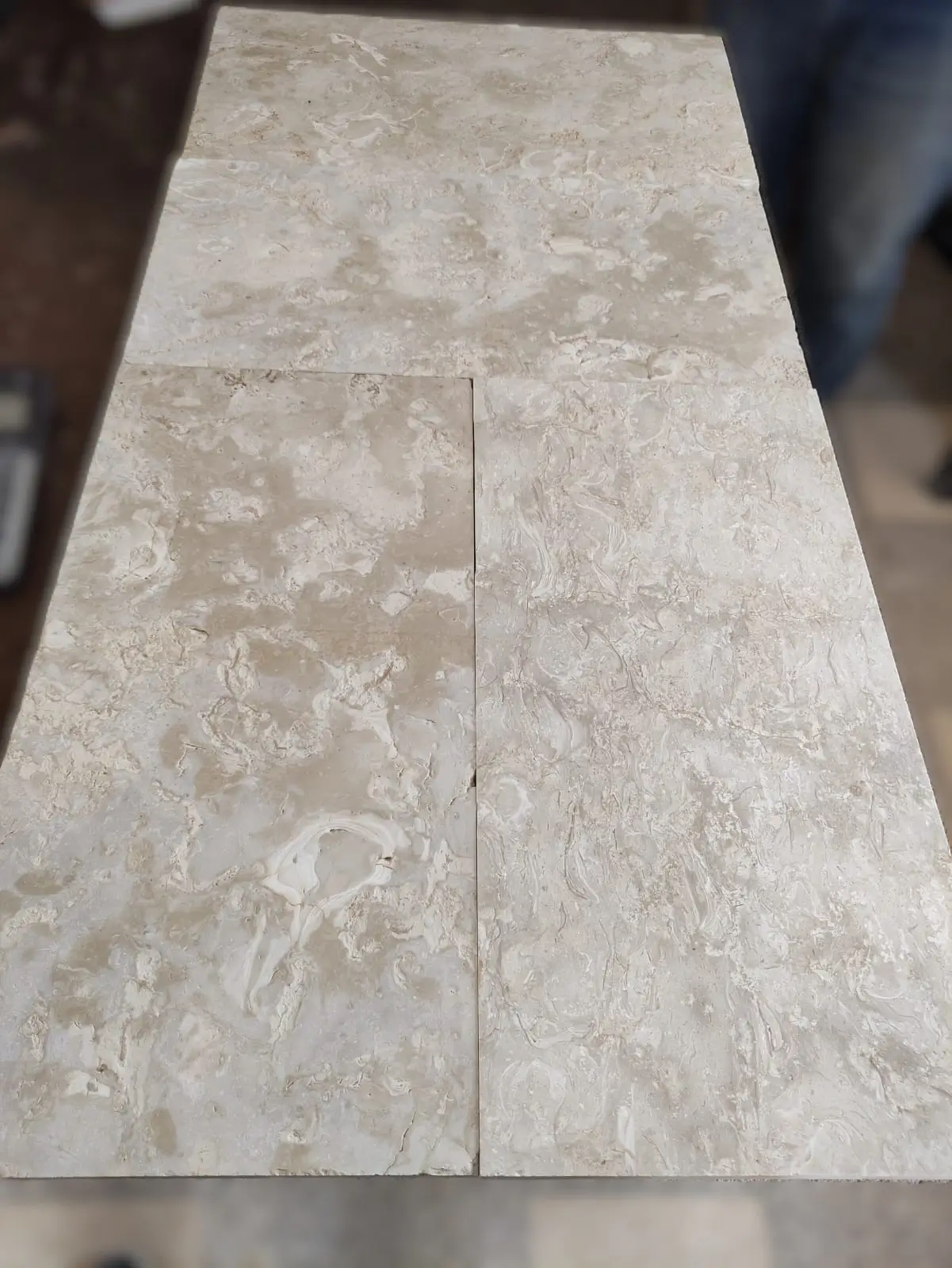
Your first maintenance task every spring isn’t cleaning — it’s drainage verification. Walk the full paved area and identify any low spots where water pooled after the previous season’s storms. Even a quarter-inch of settled base material creates a collection point that accelerates joint erosion and promotes biological growth.
- Check that surface slope maintains a minimum 1.5% grade away from structures — re-level any sections where settlement has reversed drainage direction
- Inspect all permeable joint material for washout; monsoon runoff is energetic enough to displace polymeric sand up to a full inch below the surface plane
- Verify that perimeter edge restraints remain flush — lifted restraints create micro-dams that redirect water under the slab field
- Look for efflorescence lines along stone faces, which indicate subsurface moisture is wicking upward through the body of the paver
- Clear all channel drains and area drains before storm season arrives — blockages during a two-inch event will saturate your base within minutes
In Scottsdale, where high-end residential projects often feature large continuous paved plazas, drainage slope becomes even more critical because the sheer uninterrupted surface area concentrates flow volume at exit points that weren’t always sized for monsoon-scale events.
Cleaning Large Format Stone for Arizona Conditions
The surface area of a 24 inch paver means contaminants spread further before you notice them — and cleaning large stone pavers in Arizona is a different exercise than maintaining smaller-format tile or brick. Desert dust isn’t inert; it carries silica and calcite particles that act as micro-abrasives when walked across a wet stone surface. Your spring cleaning routine should remove this layer completely before the heat of summer bakes it into any open pore structure.
Pressure washing is effective, but technique matters. Use a fan-tip nozzle at 800–1,200 PSI maximum — exceeding this range on natural stone dislodges joint material and can introduce micro-fractures along bedding planes in softer limestones. Work parallel to the joint lines, not across them, to preserve the integrity of polymeric sand refills from the previous season.
- Apply a pH-neutral stone cleaner, not a concrete degreaser — alkaline products above pH 10 strip sealer and degrade the calcium carbonate matrix in limestone pavers
- Allow dwell time of five to seven minutes before rinsing so biological matter — algae, lichen early-stage growth — releases from the surface
- Rinse thoroughly in the direction of your drainage slope so loosened particulate exits the surface field rather than settling into joints
- Allow complete drying before any sealer application — 48 hours minimum in Arizona summer heat, 72 hours after a monsoon event
Cleaning large stone pavers in Arizona also means timing your maintenance cycles around the monsoon calendar — starting your spring clean before late June ensures the surface is sealed and prepared before the first significant storms arrive.
Joint Sand Integrity: The Overlooked Maintenance Item
Here’s what most homeowners miss: the joint sand in a large-format paver system is a structural component, not a cosmetic filler. For 24 inch pavers, the joint material carries lateral load transfer between slabs — and when monsoon runoff depletes it below 80% of original depth, the slabs begin to function independently rather than as an interlocked system. That’s when you see edge chipping, corner pop, and surface lippage develop.
Polymeric sand refill should be scheduled as a standard upkeep task every two to three years in Arizona — more frequently in areas that receive concentrated drainage flow. Before refilling, clear joints to a consistent depth of three-quarters of an inch using a stiff bristle brush, then vacuum the debris clear before introducing new material. Activate the polymeric binder with a fine mist spray, not a flood, to avoid washing the sand back out before it sets.
At Citadel Stone, we recommend kiln-dried polymeric sand with a 90-micron particle graduation for 24 inch paver maintenance Arizona projects — the slightly finer particle size achieves better compaction density in the wider joint gaps that large-format stone typically carries compared to smaller paver formats.
Protecting Pavers from Arizona UV Exposure
Protecting outdoor pavers across Arizona summers means addressing ultraviolet degradation as seriously as you address moisture. UV radiation at Arizona’s latitude — combined with reflective heat from adjacent hardscape — accelerates color fade and oxidizes organic components in stone sealers at roughly twice the rate seen in mid-latitude climates. A sealer rated for five years in a Pacific Northwest climate realistically performs for two to three years in the Phoenix basin. Arizona UV exposure stone paver upkeep is therefore less about cosmetic preservation and more about structural defense: sealer failure in this climate allows moisture pathways to open within the stone body itself.
Select a penetrating silane-siloxane sealer rather than a film-forming topcoat for your 24 inch stone pavers. Penetrating formulations don’t create a surface layer that can peel, blister, or trap moisture during monsoon saturation events. They bond within the pore structure of the stone and repel water from below the surface plane — which is exactly where Arizona’s wet-dry cycles create the most damage.
- Apply sealer in morning or evening hours when surface temperature is below 85°F — hot stone causes solvent flash-off before the active compound penetrates adequately
- Two thin coats outperform one heavy coat — allow the first coat to reach tack-dry before applying the second
- Test an inconspicuous section first; some lighter-colored limestones darken slightly with penetrating siloxane formulations
- Reseal every 18–24 months in the low desert, every 24–30 months in higher-elevation areas where UV intensity is partially offset by cooler average temperatures
For a closer look at compatible stone options and technical specifications, explore our Arizona 24 inch stone care range to match sealer compatibility with specific stone types before purchasing products.
Elevation and Freeze-Thaw Considerations
Arizona isn’t a single climate zone, and your 24 inch paver maintenance Arizona approach has to reflect where your project actually sits on the elevation map. Flagstaff sits above 7,000 feet and experiences genuine freeze-thaw cycling — conditions that demand a fundamentally different maintenance protocol than low-desert installations in the Phoenix metro.
At high elevation, absorbed moisture expands within stone pore structures during freeze events, creating internal stress that propagates micro-fractures over successive cycles. Your sealer schedule should prioritize moisture exclusion as the primary performance objective, with application timed for early October — before the first hard freeze — to ensure the stone body enters winter in a protected state. Drainage slope requirements are identical to low-desert applications but the consequences of inadequate slope are more severe because standing water at high elevation freezes rather than simply evaporating.
- Specify a penetrating sealer with freeze-thaw cycle ratings from the manufacturer — not all formulations are tested for sub-freezing performance
- Inspect joints after the last freeze event of the season, typically April, before summer maintenance begins
- Expect slightly faster joint sand depletion at elevation due to snowmelt runoff in addition to rain-driven loss
Post-Storm Protocols That Prevent Compounding Damage
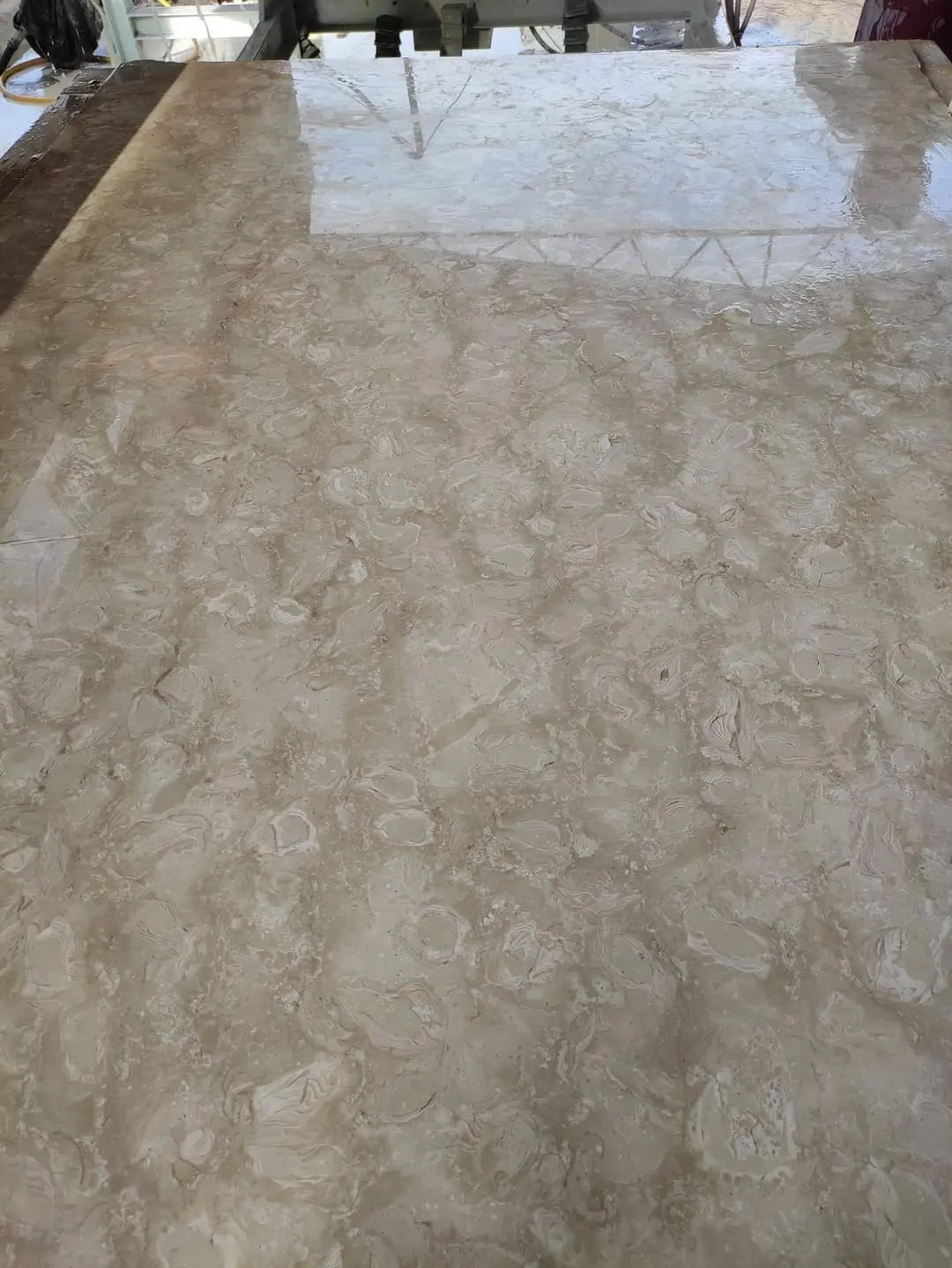
Monsoon season paver care AZ requires you to act within 24 to 48 hours of a significant storm event, not weeks later when surface staining has bonded and joint displacement has settled. The post-storm window is when the damage is still addressable with basic maintenance tools — waiting transforms a 30-minute reset into a multi-day repair project.
Your post-storm checklist should be systematic and consistent. Citadel Stone maintains warehouse inventory of repair-grade polymeric sand and compatible sealers across Arizona, which means truck delivery lead times for replenishment materials run one to three business days — close enough that pre-ordering before storm season makes more logistical sense than scrambling after an event.
- Remove organic debris — leaf matter, palm fronds — within 24 hours to prevent tannin staining that penetrates open pore surfaces rapidly in wet conditions
- Document any joint displacement with photos before redistributing or recompacting sand — this creates a baseline for tracking whether displacement is increasing season over season
- Check edge restraint fasteners and reset any that have shifted; saturated base material offers less resistance to lateral movement and restraints can creep noticeably in a single heavy event
- Re-sweep joint sand toward any areas where surface puddling indicates settlement — this is a temporary measure until a full joint refill can be properly executed
Consistent monsoon season paver care AZ practices over multiple years are what separate installations that maintain their structural profile from those that require full-slab reset within a decade.
Regional Soil Behavior and Its Maintenance Implications
The base beneath your pavers is a dynamic system that responds to moisture, and Arizona’s soil variability makes this particularly relevant. In Sedona, expansive red clay soils can shift several millimeters vertically between wet and dry cycles — enough to create surface lippage in a 24 inch paver field that looked perfectly level at installation. Monitoring for lippage annually, especially after monsoon season, is how you catch base instability before it reaches the point of full-slab reset.
Your 24 inch paver maintenance Arizona plan should include a probing check along the perimeter of any paved area sitting on expansive soils. Use a thin metal probe to confirm that base material hasn’t hollowed beneath slab edges — hollow spots produce a distinct acoustic change when the surface is tapped. Edge sections are most vulnerable because moisture infiltrates from the unprotected perimeter and creates localized saturation differentials.
Decision Points for Long-Term Paver Performance
The decisions that define long-term performance aren’t made during installation — they’re made in the maintenance intervals between monsoon seasons, where small oversights compound into structural failures over a five-to-ten-year horizon. Your 24 inch paver maintenance Arizona strategy succeeds when drainage verification, joint integrity, and sealer performance are treated as a connected system rather than isolated tasks. Each element supports the others: good drainage reduces sealer stress, healthy joints maintain base compaction, and consistent sealer application limits the moisture infiltration that destabilizes all three.
Before you finalize your next maintenance cycle, it’s worth reviewing the installation fundamentals that set the performance baseline your upkeep strategy is working to preserve. The How to Install 24 Inch Pavers in Arizona: Step-by-Step Guide covers the base preparation and joint specification details that directly affect how maintainable your surface will be year over year. Projects across Mesa, Scottsdale, and Chandler use Citadel Stone 24 inch pavers known for maintaining structural integrity through Arizona’s monsoon saturation and post-storm drying cycles.