
Timing your stone installation wrong in Arizona doesn’t just create uncomfortable working conditions — it directly compromises mortar bond strength, causes premature joint failure, and can turn a well-sourced material into a liability within two seasons. Installing garden stone blocks in Arizona follows a rhythm that experienced crews learn quickly: the calendar matters as much as the technique. Understanding that rhythm separates a 25-year installation from one that needs remediation by year eight.
Why Seasonal Timing Defines Your Installation Success
Arizona’s climate doesn’t present a single installation challenge — it presents two completely different ones depending on the season. Your summer window, roughly June through September, pushes surface temperatures well above 140°F on dark or dense stone surfaces by early afternoon. Mortar and setting bed compounds lose workability in under 20 minutes under those conditions, which forces you into either a compressed morning schedule or a riskier evening pour where you’re racing against cooling differentials.
The practical sweet spot for installing garden stone blocks in Arizona runs from late October through early March. Daytime highs in the 60°F to 80°F range give your setting compounds enough open time to achieve proper contact coverage — you’re targeting at least 85% back-butter coverage per ANSI A108.5, and that’s nearly impossible to hit when the substrate is radiating stored heat from the previous afternoon. Flagstaff operates differently from the low desert; at 7,000 feet, you’ll face freeze-thaw risk from November through March, which compresses the ideal window further but also eliminates the extreme heat problem that dominates Phoenix-area scheduling.
- Late October through early March: optimal window for most Arizona elevations below 4,500 feet
- Morning installations starting at or before 7 a.m. extend workability during shoulder months (April, September)
- Avoid pouring setting beds after 11 a.m. from May through August regardless of shade availability
- Flagstaff and higher elevation projects: target April through October, avoid hard freeze periods
- Monsoon season (July–September) introduces humidity that slows cure but also creates rapid storm runoff risk on fresh installs
Morning vs. Afternoon Work: How Scheduling Affects Set Quality
Here’s what most specifiers miss when they review installation schedules from temperate climates: the Arizona substrate doesn’t just track air temperature — it stores it. A concrete slab or compacted DG base in Scottsdale absorbs heat throughout the day and continues radiating it into the evening, meaning a 7 p.m. install in August is setting onto a surface that may still measure 110°F even though the air has cooled to 95°F. That thermal lag is the variable that wrecks evening installs that look reasonable on paper.
Your target substrate surface temperature for natural stone block installation falls between 50°F and 90°F — the same range most polymer-modified mortars specify on the bag. In April and October, you’ll often hit that window between 6 a.m. and noon. By late May, that window narrows to 6 a.m. to 9 a.m. in low-desert zones. Structure your crew scheduling accordingly: front-load the setting work, and use afternoon hours for cutting, staging, and joint preparation rather than active placement. Following these Arizona heat-rated stone garden block installation tips for scheduling is what separates crews that hit quality benchmarks from those that don’t.
- Check substrate surface temperature with an infrared thermometer before starting each session — not just air temperature
- Pre-wet substrate in hot shoulder months only if your mortar system permits it — some polymer mortars prohibit wet substrates
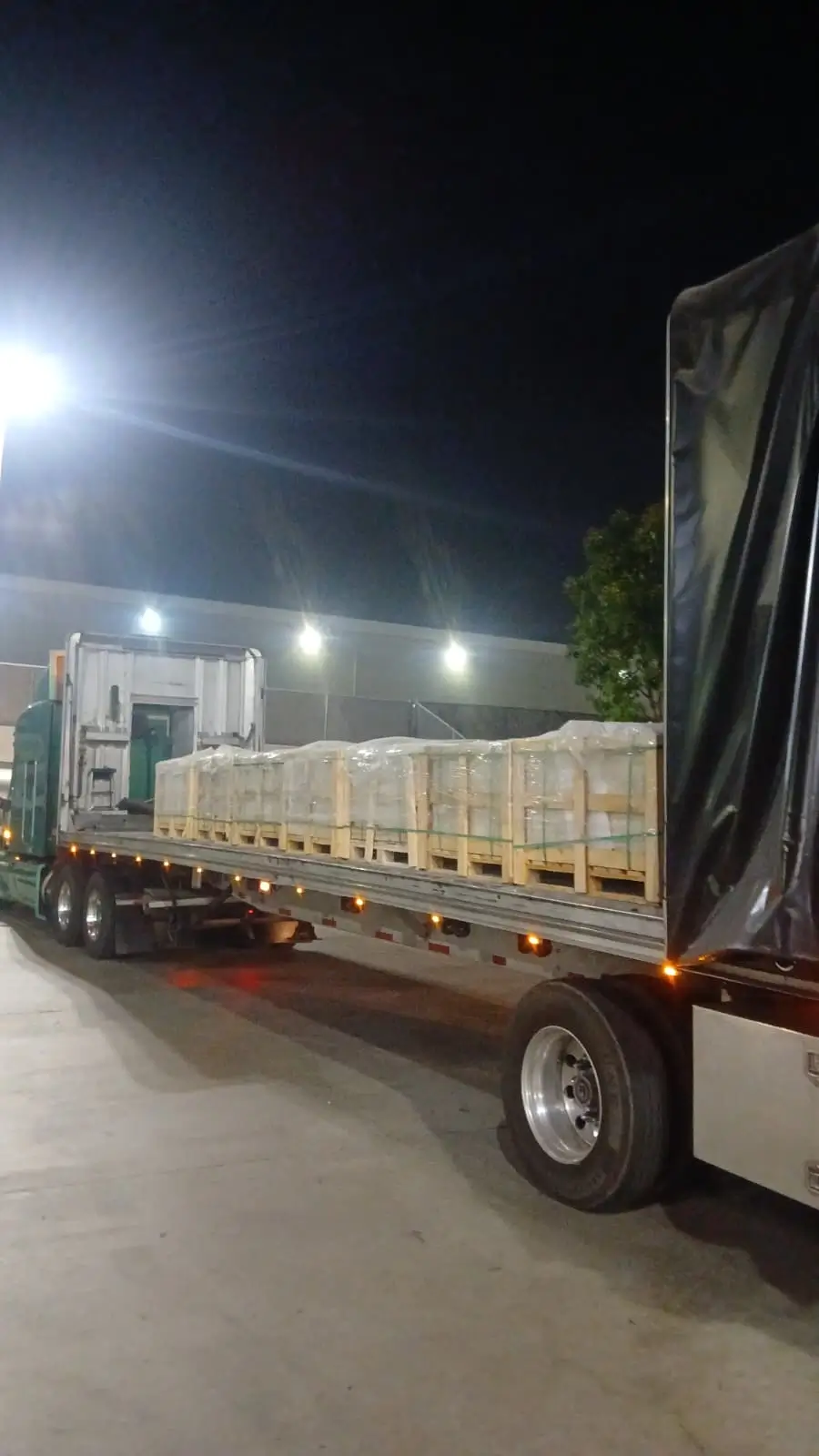
- Schedule delivery truck access for early morning to avoid product sitting on exposed pallets in peak heat
- Use shade structures over active work areas when installing in April, September, or October shoulder months
Base Preparation for Arizona Garden Environments
Natural stone blocks for garden in Arizona demand a base system that accounts for two competing forces: the extreme drying that occurs during low-humidity months (which causes subgrade shrinkage) and the rapid saturation events during monsoon season (which destabilize poorly compacted bases). A 4-inch compacted Class II base rock layer works as a minimum for pedestrian garden applications, but bumping to 6 inches provides meaningful protection against the settlement that Arizona’s expansive clay soils can introduce in wetter years. This is a cornerstone of any desert garden stone setting guide AZ homeowners trust, because the base determines longevity far more than any surface treatment.
Compaction matters more here than in moderate climates because dry soil compacts differently than moistened soil. You’ll want to verify compaction at 95% Modified Proctor — don’t accept the contractor’s word on this without a field density test, especially in areas with native clay content above 20%. Caliche layers, which appear commonly across the Phoenix basin, actually provide excellent sub-base material when properly scarified and recompacted rather than left as a slick impermeable layer.
- Minimum 4 inches of compacted base rock; 6 inches recommended for garden blocks in clay-heavy soil zones
- Verify 95% Modified Proctor compaction before placing setting bed
- Scarify caliche layers rather than treating them as a natural base — a smooth caliche surface sheds water laterally and creates differential settlement
- Slope your base at minimum 1.5% away from structures — Arizona monsoon events can deliver 2+ inches per hour in short bursts
- Allow freshly graded bases to rest 48–72 hours before placing setting material during summer months when temperature swings cause micro-settlement
How Arizona Temperatures Affect Mortar and Adhesive Behavior
The product data sheet on your polymer-modified mortar was written for a 70°F test environment. In Arizona’s cool season, that data translates reasonably well. In the shoulder months, you need to understand what happens to set chemistry when temperatures deviate from that baseline. Polymer-modified mortars begin accelerated cure above 90°F substrate temperature, cutting your open time from a typical 20–30 minutes down to as little as 8–12 minutes. That’s not enough time to properly back-butter and set a garden stone block at a professional standard.
Extended-open mortar formulations — specifically those rated for hot-weather application — exist for this exact scenario. Look for products meeting ANSI A118.15 (improved modified dry-set mortar) that specifically note heat-extended open time. These cost 15–25% more per unit but eliminate the rework cost that comes from blocks bonded at less than full contact. Your adhesive selection should be part of the seasonal planning conversation, not an afterthought at material procurement.
- Standard polymer-modified mortar: suitable for cool-season installs (October–March, low desert)
- Extended-open mortar (ANSI A118.15 rated): required for shoulder-month installations above 85°F substrate temperature
- Epoxy-based adhesives: avoid in full-sun applications where stone surface temperatures exceed 120°F — thermal cycling causes delamination at the epoxy-stone interface
- Check manufacturer data sheets specifically for upper-temperature cure limits, not just ambient temperature ratings
- Store mortar bags in the truck cab or a shaded area — bags stored on hot jobsite pallets can pre-condition in ways that affect mix performance
Selecting the Right Stone Blocks for Desert Garden Applications
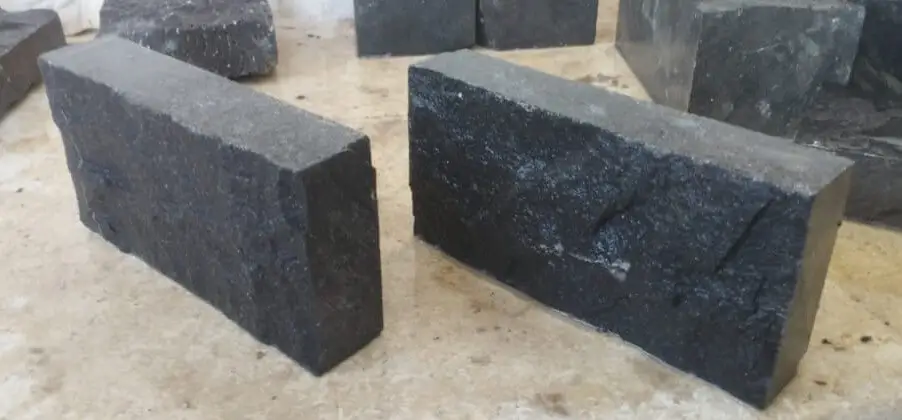
Stone blocks for garden in Arizona need to balance thermal mass with porosity management. Dense, low-porosity stone — limestone and basalt are the most practical options for most Arizona budgets — performs reliably in the desert because it doesn’t trap the moisture that drives spalling in freeze-thaw climates. That said, porosity below 0.5% can actually work against you in extreme thermal environments: denser stone conducts heat more efficiently, meaning surface temperatures on a dark, dense block in June can reach 160°F+ in direct sun. That affects both the material’s long-term integrity and practical usability of the garden space.
At Citadel Stone, we recommend medium-density limestone blocks in the 2.5- to 3-inch nominal thickness range for Arizona garden applications. That thickness provides adequate thermal mass to moderate temperature swings at the surface while remaining manageable for single-person placement without mechanical assistance. Our warehouse inventory for Arizona garden stone blocks Citadel Stone is calibrated to the cool-season demand cycle, so availability peaks in September and October when contractors are booking spring-equivalent project loads before the holidays.
- Limestone and basalt: preferred material families for low-desert Arizona garden block applications
- Minimum 2.5-inch thickness for structural garden borders and step applications
- Avoid dark-toned stone in full-sun applications unless thermal comfort of the garden space is not a user priority
- Lighter-toned stone reflects more solar radiation and stays 20–30°F cooler at the surface in direct sun versus comparable dark material
- Verify absorption rate below 6% (ASTM C97) for any stone specified in areas receiving direct monsoon saturation
Joint Spacing and Thermal Expansion in Arizona Gardens
Thermal expansion in natural stone follows the material’s coefficient of linear thermal expansion. For limestone, that figure runs approximately 4.4 × 10⁻⁶ per °F — which sounds small until you realize that Arizona garden installations experience annual temperature swings of 120°F or more between winter lows and peak summer surface readings. Over a 10-foot run of stone blocks, that delta produces approximately 0.05 inches of thermal movement per linear foot — enough to blow out a rigid joint if you spec it too tight.
Your joint width should be a minimum of 3/8 inch for garden block installations in the Phoenix basin, increasing to 1/2 inch for exposures receiving full afternoon sun. Field experience in Tucson confirms that under-jointed installations in east-west-oriented garden beds begin showing lateral stress cracking within 18–24 months, particularly in blocks set during cool season when the stone is at its most contracted state. Setting tight joints in January and expecting them to survive July’s expansion is a specification error, not a material failure. Placing stone blocks for outdoor gardens across Arizona without accounting for this thermal delta is one of the most common causes of preventable joint failure in the region.
- Minimum 3/8-inch joint width for Arizona garden block installations at low desert elevations
- Increase to 1/2-inch where blocks face consistent afternoon sun exposure
- Use flexible, sanded polymeric joint compound rather than rigid mortar in garden block joints
- Install expansion joints (full-depth flexible material) every 12–15 linear feet in extended runs
- Do not attempt to calculate joint spacing from temperate-climate references — Arizona’s thermal delta is 40–60% greater than most published examples assume
Natural Stone Block Installation Steps for Arizona Gardens
The natural stone block installation steps in Arizona follow a sequence that’s similar to temperate-climate practice in structure but demands tighter execution windows in each phase. Skipping or compressing any step compounds into larger failure modes given the stress levels Arizona’s thermal environment introduces. Walk through the sequence before mobilizing your crew, and confirm material staging is complete before the first block touches the setting bed.
Your preparation phase sets the outcome. Confirm base compaction, stake your layout lines, and dry-lay a reference course before mixing any mortar. The dry-lay step reveals joint spacing realities and lets you identify cut pieces before the clock starts on your open time. This is where most residential installations lose time — discovering a non-standard dimension in the field mid-pour rather than during the planning phase.
- Step 1: Excavate to the correct depth for your base rock + setting bed + stone block thickness, typically 8–10 inches total for a garden block application
- Step 2: Compact native subgrade to 95% Modified Proctor, then place and compact base rock in two lifts if total depth exceeds 4 inches
- Step 3: Establish drainage slope (minimum 1.5%) and verify with a level before placing setting material
- Step 4: Dry-lay the full first course and mark cut locations before mixing mortar
- Step 5: Mix mortar to manufacturer specifications — use a drill mixer, not hand mixing, for consistent polymer hydration
- Step 6: Spread setting bed and back-butter each block; verify contact coverage before moving to next unit
- Step 7: Set joint material within the manufacturer’s specified cure window — not before, not significantly after
- Step 8: Allow full cure before any loading — minimum 24 hours for foot traffic, 72 hours for cart or wheelbarrow access
Sealing Schedules and Maintenance in Arizona’s Climate
Placing stone blocks for outdoor gardens across Arizona without a sealing plan leaves the material exposed to two specific attack vectors: UV degradation of surface minerals and salt migration during monsoon events. Neither issue appears immediately — both tend to reveal themselves in year two or three when surface finish begins to powder or efflorescence starts tracking through the joint lines. A penetrating silane-siloxane sealer applied at the time of installation and reapplied every 18–24 months addresses both mechanisms without altering the stone’s natural appearance.
Sealing timing within the year matters too. The ideal application window follows the same cool-season logic as installation: substrate temperature between 50°F and 80°F, no rain forecast for 48 hours, and low humidity. In most Arizona low-desert locations, that points to October through April for sealing work. Applying sealer in July heat causes flash cure at the surface that traps solvent below the penetration depth — creating a skin that peels rather than a protective matrix bonded to the stone’s crystalline structure.
- Apply initial sealer within 30 days of installation completion, after full mortar cure
- Use penetrating silane-siloxane formulations — avoid topical acrylic sealers in full-sun Arizona applications
- Reapply every 18–24 months; test water bead behavior annually to gauge sealer effectiveness
- Clean with pH-neutral stone cleaner before each reapplication — acid or alkaline cleaners strip sealer and etch limestone surfaces
- Monsoon season post-wash inspection: check for joint erosion and reapply polymeric joint compound where necessary before the next hot season
Ordering, Delivery Logistics, and Cool-Season Project Planning
Coordinating material delivery around Arizona’s optimal installation windows requires planning that starts 6–8 weeks before you want blocks on the ground. Warehouse stock for natural stone blocks moves quickly in September and October as contractors front-load their cool-season backlog. If you’re planning a November or December installation — the most comfortable window for crews and materials alike — your order should be placed no later than early October to secure both product and truck scheduling.
Your project site needs to be ready for a full pallet delivery before the truck arrives. Stone blocks on pallets weigh 2,000–3,500 pounds depending on block size and material density. Many residential access points in Flagstaff and hillside communities require a smaller delivery configuration — confirm truck access dimensions with your supplier before finalizing the delivery schedule. Staging blocks in a shaded location on site reduces the thermal loading on the product before placement and keeps the material closer to ambient temperature during your working window. These Arizona heat-rated stone garden block installation tips for delivery staging are easy to overlook but pay off in consistent material performance from the first block to the last.
- Order 6–8 weeks ahead of your target installation start for cool-season Arizona project windows
- Confirm truck access dimensions (height, width, turning radius) before scheduling delivery to residential or hillside sites
- Store delivered pallets in shade — avoid leaving product in direct sun on concrete, which creates heat transfer into the base of the pallet
- Verify warehouse stock availability before finalizing project timelines with your client — popular block sizes sell through quickly in pre-season ordering cycles
- Account for a 5–8% overage in your material order to cover cuts and any field breakage without triggering a second delivery cycle
Final Recommendations for Installing Garden Stone Blocks in Arizona
Installing garden stone blocks in Arizona rewards the contractors and homeowners who treat the calendar as a technical specification rather than a preference. Your material selection, mortar choice, joint width, and sealing schedule all cascade from the seasonal window you’re working in. Get the timing right and every other variable becomes more manageable. Compress or ignore the timing logic and you’re fighting thermodynamics with craft — a battle stone wins every time.
For projects where stone block garden applications intersect with other hardscape elements, complementary stone decisions can shape both the aesthetic and the performance picture. Many Arizona garden projects incorporate ashlar-style coursing alongside standard garden block work, and understanding how those two applications interact — in terms of base preparation, joint tolerance, and thermal movement — is worth reviewing before you finalize your scope. How to Choose Ashlar Stone Blocks in Arizona covers specification and cost considerations for that closely related application. Reviewing that material alongside your current project scope helps you consolidate orders, align delivery windows, and avoid the cost of staging multiple delivery cycles during the same narrow cool-season installation period. Builders in Tucson, Chandler, and Flagstaff rely on Citadel Stone garden stone blocks cut to standard sizing that reduces on-site adjustment time during Arizona’s shorter cool-season installation windows.