
The base preparation decisions you make before a single cobble gets set will determine whether your patio looks magazine-worthy at year five or starts rocking and shifting at year three. Installing cobble patio in Arizona isn’t just a function of picking the right stone — it’s about understanding how the desert environment interacts with your sub-base, your joint treatment, and your stone selection from day one. Arizona’s landscape design traditions demand that every element earn its place visually and structurally, and cobble delivers on both counts when the installation is done correctly.
Design First: How Arizona’s Landscape Traditions Shape Your Cobble Layout
Arizona’s outdoor living spaces draw from a rich design vocabulary — Sonoran desert modernism, Pueblo Revival, Spanish Colonial, and contemporary xeriscaping all coexist across the state’s residential landscape. The way you lay out a cobble patio should reflect that regional design identity, not fight it. In Scottsdale, where warm earth tones and horizontal geometry dominate luxury residential design, a fan-pattern cobble layout using buff or sandstone-toned stone creates visual continuity with the surrounding desert palette.
Your layout pattern does more than affect appearance — it determines how the eye moves through the space and how the patio integrates with plantings, walls, and grade transitions. Running bond and herringbone patterns work well in narrow corridors or transitional zones. For large open patios, a random ashlar arrangement with consistent joint width reads as intentional and sophisticated rather than scattered. Consider how your chosen pattern interacts with the desert xeriscaping around it — cobble’s irregular geometry pairs naturally with agave, brittlebush, and native boulders in a way that uniform concrete pavers simply can’t replicate.
Color selection matters enormously in the Arizona design context. Desert-facing exposures bleach lighter tones faster than you’d expect, so your selection from the warehouse sample display needs to account for weathering trajectory, not just the fresh-cut appearance. Warm grays, russet tones, and natural buff colors integrate with Arizona’s terracotta rooflines and stucco exteriors far better than cool-toned imports that look out of place within a year of installation.
Choosing Your Cobble: Material Properties That Match the Arizona Desert
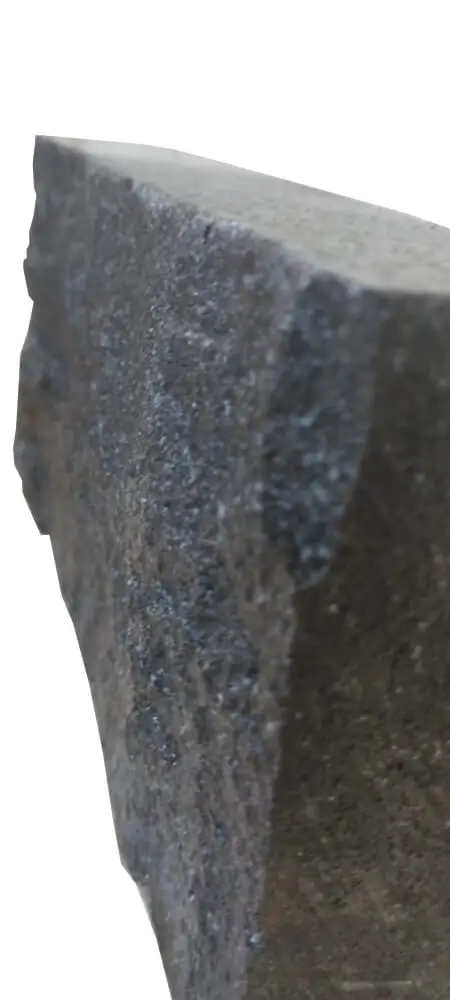
Natural cobble patio in Arizona performs best when you select stone with low absorption rates — ideally below 3% — because high-absorption material draws in irrigation water and mineral-laden runoff that leaves persistent efflorescence staining. Basalt cobble and dense quartzite sit at the top of the performance hierarchy for low-desert climates. They hold edge definition through decades of foot traffic and don’t spall under the surface heating cycles that can destroy softer sedimentary options.
- Basalt cobble: absorption below 1%, compressive strength above 15,000 PSI, holds up under point loads from patio furniture without surface crushing
- Quartzite cobble: exceptional UV stability, minimal color shift over 10–15 years, excellent slip resistance when textured
- Granite cobble: highest hardness rating in the category, best choice for heavy-use zones like fire pit surrounds and grill stations
- Limestone cobble: beautiful warmth and texture, requires biennial sealing in desert climates, appropriate for covered or shaded patio sections
Thickness selection isn’t just a structural decision — it’s an aesthetic one. Thicker cobble (3.5 to 4 inches) reads as substantial and grounded in the landscape, appropriate for primary outdoor living areas. Thinner profiles work for transition zones and pathways but can look lightweight against Arizona’s bold architectural massing. Matching the cobble’s visual weight to the scale of the space is something experienced designers get right intuitively, but it’s worth thinking through deliberately when you’re specifying material.
At Citadel Stone, we inspect each shipment at the warehouse level before it reaches your project site — checking for consistent thickness tolerance (within ±⅛ inch), color banding that may affect your layout pattern, and any surface voids that indicate internal fracture planes. That pre-delivery quality check saves your installer from discovering reject material mid-project.
Site Assessment and Sub-Base Engineering for Arizona Conditions
Arizona soils vary more dramatically than most homeowners realize. The expansive clay soils common in Phoenix’s east valley behave very differently from the sandy loam profiles you encounter in the northwest parts of the metro. Your soil type dictates your sub-base design — and getting this wrong is the single most common cause of premature cobble patio failure across the state. Arizona heat-resistant cobble patio base preparation begins with an honest soil assessment, not with aggregate ordering.
For expansive clay soils, you need a minimum 8-inch compacted aggregate base using 3/4-inch crushed granite or decomposed granite. Some installations in problematic clay zones warrant 12 inches of base — the extra cost is genuinely worth it when you consider the cost of re-setting shifted cobble three years later. Sandy or caliche-dominant soils are more forgiving and can often be addressed with a 4–6 inch aggregate base, though you should always verify compaction to 95% Modified Proctor before proceeding.
In Flagstaff, elevation introduces a critical variable that low-desert installers often underestimate — freeze-thaw cycling. At 6,900 feet, soil heave from moisture expansion during winter months can displace even well-set cobble if your drainage isn’t designed to remove water from beneath the base layer. A 4-inch perforated drain at the perimeter of any Flagstaff cobble patio is a mandatory specification, not an optional upgrade.
- Mark all irrigation lines before excavation — most Arizona yards have 18–24 inch deep lines that are easy to damage with a skid steer
- Excavate to a depth of at least 10 inches below finished grade to accommodate base, bedding sand, and cobble thickness
- Slope the sub-base at 1–2% away from structures before placing aggregate — drainage geometry built at this stage can’t be corrected later
- Proof-roll the native soil after excavation to identify soft spots before placing base material
- In areas with heavy irrigation, consider a geotextile fabric layer beneath the aggregate to prevent fine migration over time
Cobble Patio Installation Steps Arizona Desert Projects Require
Base compaction is where the quality of your installation actually gets determined. The cobble patio installation steps Arizona desert conditions demand are more rigorous than what you’d follow in a temperate climate — the combination of monsoon saturation events and extended dry periods creates a cyclical wetting-and-drying pattern that relentlessly tests any base that wasn’t properly consolidated from the start.
Place your crushed aggregate base in two lifts — 4 inches compacted, then another 4 inches compacted. Never try to compact a single 8-inch lift. The plate compactor’s energy doesn’t penetrate effectively beyond 4–5 inches, and you’ll end up with a well-compacted surface layer over a loose lower layer that settles unevenly after the first monsoon season. Rent a gas-powered plate compactor that weighs at least 220 pounds — the lightweight electric units you see at rental centers don’t generate sufficient compaction force for aggregate depths over 3 inches.
Your bedding sand layer should be 1 inch of coarse concrete sand (not play sand, not decomposed granite fines) screeded to a consistent plane. This is where many Arizona patio installations lose their flatness — the screeding step gets rushed. Take the time to set screed rails at your finished elevation minus cobble thickness, and pull a straight aluminum screed across the full width before setting any stone. For a natural outdoor cobble patio setup that AZ homeowners trust for decades, this step defines the finished plane you’re working toward and there’s no recovering a poor screed once cobble is set over it.
Setting Cobble and Managing Joint Width in Extreme Heat
Your cobble setting process needs to account for thermal expansion in a way that most generic installation guides don’t address. Natural stone expands at roughly 3–5 × 10⁻⁶ per °F — which translates to meaningful dimensional change across a large patio surface when you consider Arizona’s 60°F+ daily temperature swings in shoulder seasons. Your joint width should be maintained at a minimum of ⅜ inch for cobble paving in low-desert climates, and you should be placing expansion joints every 12–15 linear feet rather than the 20-foot spacing common in cooler regions.
Start your layout from a control line established at the most visible edge of the patio — typically the house-facing edge or the edge adjacent to a main outdoor living zone. Snap chalk lines to guide your first row, then work outward. For random-pattern cobble, pre-sort your stone by size category before you start setting, so you can blend sizes consistently across the field without creating obvious clustering of similar dimensions in one area.
- Set cobble by pressing firmly into the bedding sand with your palm — don’t tap with a mallet initially, which can fracture thin profiles
- Check every third row with a straightedge to catch creeping misalignment before it compounds
- Maintain consistent joint width using plastic spacers pulled before sand filling
- Avoid setting cobble on sand that has dried out in summer heat — mist the sand surface lightly if working in direct sun above 100°F
- Protect freshly set sections from foot traffic for at least 24 hours before filling joints
Vibrating the cobble into the sand bed with a plate compactor fitted with a rubber mat is the correct final step after full installation — not an optional finishing move. This process ensures that every stone has uniform bearing contact across its full base area, which is what prevents individual cobbles from rocking under load over time.
Arizona cobble patio from Citadel Stone
Joint Sand and Sealing: The Long-Term Performance Decisions
Joint sand selection drives long-term stability more than most specifiers appreciate. Polymeric sand is the right choice for the outdoor cobble paving process across Arizona because the desert climate creates two conditions that destroy conventional joint sand — extreme heat that dries and crusts the surface layer, and monsoon rainfall intensity that washes unbound sand out of joints in a single storm event. A properly activated polymeric sand creates a semi-rigid joint that resists both erosion and ant colonization, which is a real and persistent issue in Arizona desert settings.
Activation technique matters. Sweep polymeric sand into joints in two passes — the first fills the lower two-thirds of the joint, the second tops it off after the initial settling. Blow off excess sand from the cobble surface with a leaf blower on low before misting — any sand left on the cobble face will cure in place and is extremely difficult to remove cleanly. Mist activation requires controlled moisture — a fine spray that darkens the surface without puddling. Over-watering is as damaging as under-watering and will wash sand out of the joints you just filled.
Sealing your cobble patio in Arizona isn’t optional if you want the surface to maintain its appearance through the UV intensity the state delivers nine months a year. A penetrating silane-siloxane sealer applied to clean, fully cured stone provides the best protection without altering the natural texture profile that makes cobble visually distinctive. Avoid film-forming topical sealers on exterior cobble — they trap moisture beneath in monsoon conditions and delaminate in sheets, which looks catastrophic and is difficult to remove.
Integrating Your Cobble Patio with Arizona Xeriscaping and Planting Plans
The transition zones between your cobble field and the surrounding landscape plantings deserve as much design attention as the patio itself. Desert xeriscaping thrives when the edge conditions between hardscape and softscape are handled with precision. A cleanly set soldier course of matching cobble at the patio perimeter creates a defined edge that reads as intentional and holds up against encroaching gravel mulch or decomposed granite in adjacent planting beds.
In Tucson, where traditional Sonoran courtyard design influences contemporary landscape architecture, cobble patios frequently integrate with low garden walls, desert-adapted plantings, and water feature elements. The key to making cobble work in these layered landscape compositions is maintaining consistent color story across all stone elements — your cobble patio, your boulder accents, and any natural stone coping on adjacent walls should read as members of the same material family, even if they’re not identical stone types.
Radiant heat from cobble surfaces affects adjacent planting health in ways that deserve consideration during the design phase. Stone facing south and west in Arizona’s low desert reaches surface temperatures of 140–160°F on peak summer days. Plant selections within 3 feet of your cobble edge should be limited to heat-adapted desert natives that won’t experience root zone stress from conducted heat. Your landscape designer and your patio installer should be in conversation before your plant palette gets finalized — this coordination step often gets skipped and creates problems down the road.
Material Ordering, Delivery Logistics, and Project Sequencing
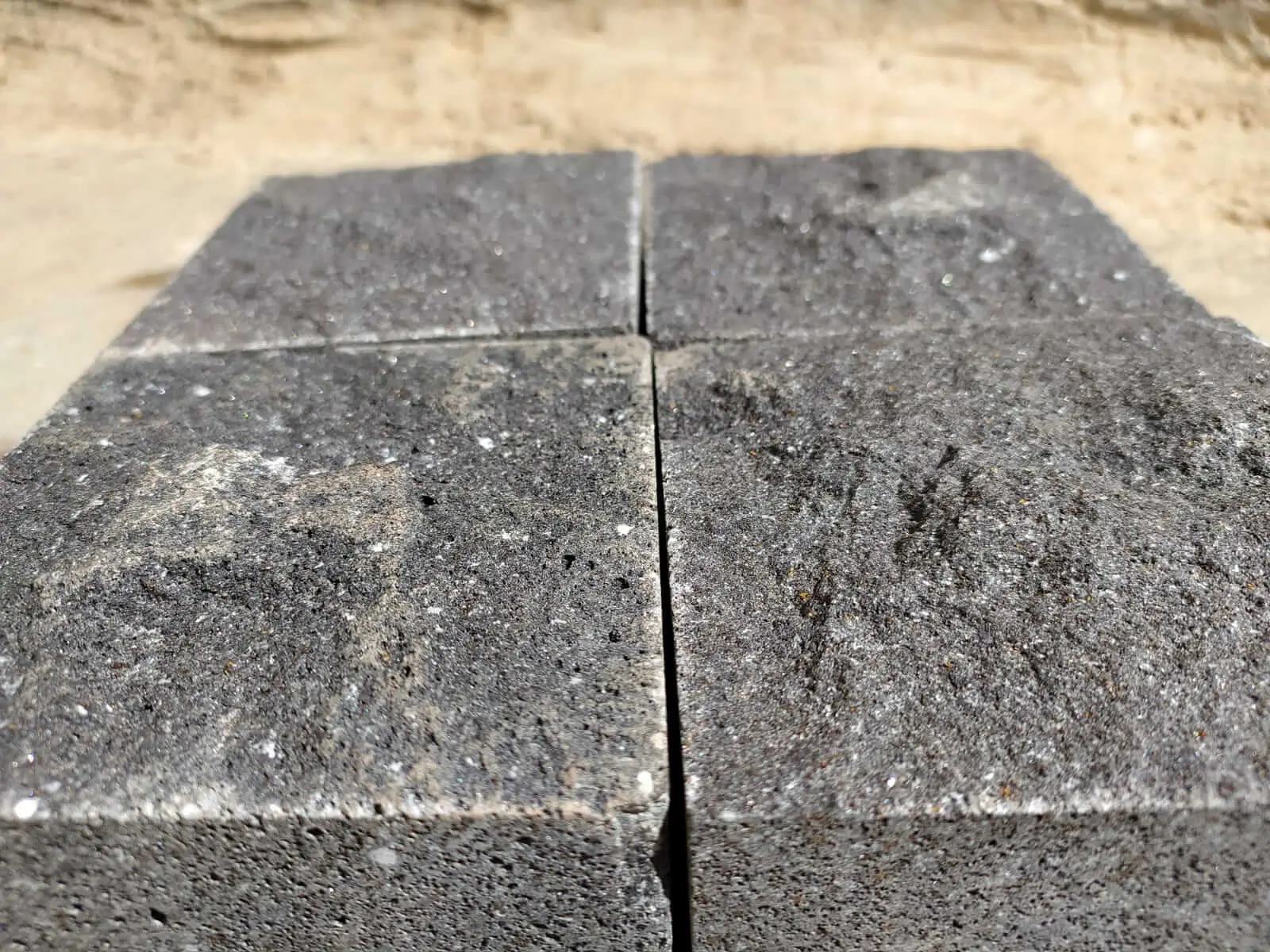
Ordering natural cobble for an Arizona project involves logistics decisions that directly affect your installation timeline. Natural cobble patio stone typically ships on pallets — each pallet covering roughly 80–100 square feet of finished patio area depending on cobble thickness and joint width. Verify pallet dimensions with your supplier before scheduling truck delivery, because standard flatbed access requires clear overhead clearance and a straight run of at least 40 feet for safe unloading.
Warehouse inventory levels for specific cobble colors and sizes fluctuate, particularly during spring and fall when Arizona’s construction season peaks. If your project requires matched material across multiple pallet orders — which is common on patios over 400 square feet — confirm with your supplier that all pallets come from the same quarry batch. Color variation between batches from different extraction periods can be visible enough to disrupt a carefully planned layout, and there’s no fixing it after installation.
Your project sequencing should place the cobble patio installation after any major irrigation modifications, before final landscape planting, and after rough electrical if you’re embedding patio lighting conduit. Truck access for material delivery needs to be planned before landscaping blocks the route — large cobble orders can weigh 4,000–6,000 pounds per pallet, and maneuvering that weight through a planted yard is not a situation any project benefits from encountering.
- Order 10–15% overage to account for cuts, rejects, and future repairs that need matched material
- Inspect all pallets before the delivery truck leaves — damaged corner pieces and fractured cobble should be documented and reported immediately
- Store pallets on flat, stable ground — tilted storage shifts stone weight and can fracture lower courses under pallet pressure
- Confirm lead times from the warehouse at least three weeks before your installation date in peak season
Before You Specify: Getting Your Installing Cobble Patio in Arizona Sequence Right
Every decision that shapes the long-term performance of your cobble patio gets made before the first stone is set — in the design phase, in the material selection conversation, and in the sub-base specification. The outdoor cobble paving process across Arizona rewards specifiers who think through the full sequence: design integration first, material selection second, Arizona heat-resistant cobble patio base preparation third, and installation technique fourth. Projects that reverse this order — starting with material availability and working backward — consistently produce installations that perform below expectations.
Your budget allocation deserves honest scrutiny at this stage. Under-investing in base preparation to save on material costs is the trade-off that produces the most regrettable outcomes in this product category. Allocate at minimum 30–40% of your total project budget to excavation, base material, and compaction before you spend a dollar on the cobble itself. The stone is visible; the base is what makes it last.
Beyond cobble patios, Arizona stone projects often involve complementary hardscape elements that share material considerations and installation logic. For anyone dealing with dimensional paver challenges in Arizona conditions, 12 by 12 Stone Paver Problems in Arizona? Here Is How to Fix It covers common failure patterns and their remedies in useful technical detail. Start with the right material, the right base, and the right installation sequence — and your cobble patio will still be a defining feature of your Arizona outdoor space decades from now. Homeowners in Tucson, Mesa, and Chandler rely on Citadel Stone for cobble patio stone known for its ability to withstand Arizona’s intense thermal cycles without surface degradation.