
Drainage geometry determines long-term performance for flagstone patio stone varieties Arizona homeowners are comparing right now — and most projects get the material selection partially right but miss the water management details that separate a 15-year installation from one that needs releveling after the third monsoon season. The key isn’t just picking the right stone type; it’s understanding how each variety interacts with Arizona’s biphasic moisture cycle, where extended dry periods are interrupted by intense, short-duration rainfall events that can deliver 2–3 inches in under an hour. Your material choice, base design, and joint specification all need to account for that hydraulic reality before anything else.
Why Drainage Defines Flagstone Performance in Arizona
Arizona’s precipitation pattern catches a lot of specifiers off guard. The monsoon season — roughly July through September — introduces high-intensity rainfall events that the state’s naturally compacted soils struggle to absorb quickly. Mesa sits on expansive caliche hardpan in many neighborhoods, which creates a near-impermeable sublayer that redirects water laterally rather than vertically. Your patio’s base design has to account for that lateral flow, not just vertical percolation.
The drainage challenge is compounded by the thermal cycle. Stone surfaces reach 150°F+ during peak summer hours, then cool rapidly after an afternoon storm, creating thermal shock at the surface and hydraulic pressure in the joint system simultaneously. That combination — not heat alone — is what fractures improperly specified flagstone over time. Your base preparation and joint width need to manage both forces at once.
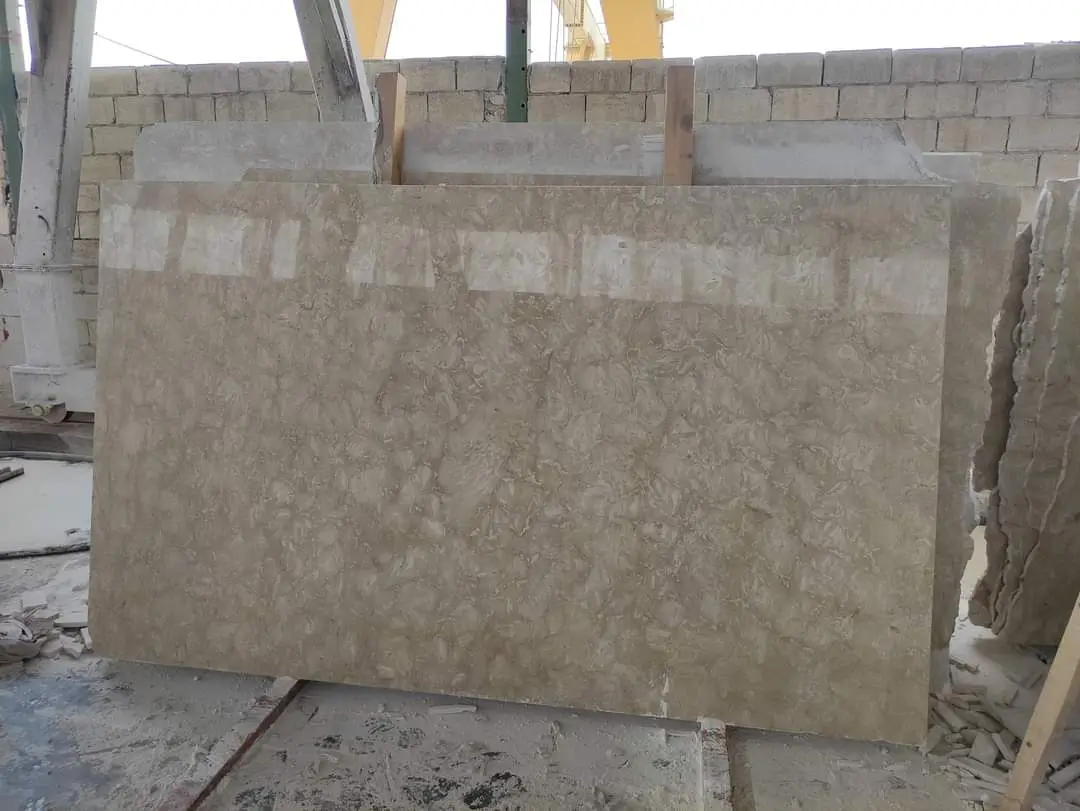
Comparing Natural Flagstone Stone Types in Arizona
The comparison starts with porosity and surface texture, because those two variables control how each stone type handles the rapid water loading Arizona monsoons deliver. Comparing natural flagstone stone types in Arizona reveals meaningful differences across four primary material families — sandstone, quartzite, slate, and limestone — and each behaves distinctly under the same weather event.
- Sandstone exhibits 10–20% porosity, absorbing water quickly but also releasing it — beneficial for drainage but demanding when it comes to freeze-thaw performance in higher elevations
- Quartzite runs tighter at 1–5% porosity, which limits water ingress but requires precise joint design to redirect surface flow without pooling
- Slate stratifies under repeated thermal cycling, and while its low absorption rate helps in drainage terms, delamination risk increases when it’s installed flat and exposed to monsoon-scale water loads
- Limestone sits at 5–15% porosity depending on formation, offering a middle-ground absorption profile that performs reliably when your base includes a compacted decomposed granite layer over properly sloped subgrade
For heat-resistant flagstone options across Arizona, quartzite consistently ranks at the top of field performance data — its crystalline density resists surface spalling even after repeated 140°F to 70°F thermal swings during monsoon events. Understanding these distinctions is the foundation of any reliable Arizona outdoor stone surface comparison guide.
Sandstone: High Porosity, High Drainage Demand
Sandstone is the most commonly specified flagstone for Arizona patios, and it earns that position partly on aesthetic merit and partly on its naturally textured surface, which delivers ASTM C1028-compliant slip resistance values of 0.6 or higher when tested wet. That’s a critical specification for patio surfaces that transition abruptly from bone-dry to saturated during monsoon events.
The porosity that gives sandstone its drainage-friendly absorption profile also creates a long-term maintenance obligation. You’ll need to apply a penetrating sealer every 18–24 months in Arizona’s UV environment, and you’ll want to inspect joint sand annually after monsoon season. High-volume water events wash joint sand out of open-graded bases faster than most homeowners expect — especially in installations that weren’t designed with a geotextile fabric separating the aggregate layers.
- Specify minimum 1.5-inch thickness for patio applications; 2-inch nominal is preferred for Arizona’s ground movement conditions
- Use a 4% cross-slope minimum on all sandstone flagstone installations — the absorption capacity helps, but you can’t rely on it entirely during peak monsoon events
- Polymeric joint sand outperforms standard mason sand in sandstone joints because it resists the washout that storm events cause
- Color variation in sandstone is wide — buff, rust, and brown tones remain stable under UV, but red iron-oxide colorants in some formations can bleed when saturated repeatedly
Quartzite: Low Porosity and Surface Drainage Priority
Quartzite demands more careful drainage design precisely because of its low porosity. Water that doesn’t absorb into the stone has to go somewhere, and if your subgrade slope isn’t directing it effectively, you’ll develop pooling at low points within the first few seasons. The best flagstone patio stones for Arizona sun in high-hardness categories consistently include quartzite for its UV stability and surface durability, but the drainage design work can’t be shortcut.
Your subgrade for quartzite installations should slope a minimum of 1% away from structures — 2% is more practical for Arizona’s storm event volume. Pair that with a 4–6 inch compacted aggregate base using 3/4-inch crushed stone, which provides enough void space for rapid lateral drainage when surface runoff exceeds the slope’s capacity to manage it naturally.
- Quartzite’s compressive strength typically exceeds 20,000 PSI, making it appropriate for high-traffic patio zones adjacent to outdoor kitchens or fire pit areas
- Surface temperatures on quartzite run approximately 10–15°F lower than darker flagstone types of equal thickness under identical sun exposure
- Expansion joints every 8–10 feet are mandatory in Arizona quartzite installations — the material’s low thermal expansion coefficient (4.4 × 10⁻⁶ per °F) is favorable, but joint omission still leads to edge cracking in the 140°F+ surface temperature range
- Quartzite’s glassy surface variants can reach wet slip resistance values below 0.5 — specify a textured or cleft finish for exterior patio use
Slate Flagstone: Stratification Risk in Arizona Conditions
Slate’s layered geology is simultaneously its most appealing visual quality and its most significant performance liability for Arizona patio installations. The stratification planes that create slate’s distinctive appearance are also the pathways that water infiltrates during monsoon saturation events. In a standard year with routine dry cycles, that infiltration is manageable. In a heavy monsoon year — and the Phoenix metro has seen consecutive seasons recently with above-average July rainfall — repeated saturation and rapid drying accelerates delamination at exposed edges and corners.
Field performance across Gilbert installations over the last decade shows that slate performs best when installed with fully supported beds — no air gaps below the stone — and sealed at the edges with a silicone-modified penetrating sealer rather than a film-forming product. Film-forming sealers trap moisture in the stratification planes, accelerating the problem you’re trying to prevent. This is one of those details that takes years of field observation to learn, and it’s not in any manufacturer’s standard installation guide.
- Specify slate thickness at 3/4 inch minimum; 1-inch nominal for Arizona patio applications with heavy foot traffic
- Edge treatments are non-negotiable — exposed slate edges absorb water at 3–4 times the rate of sealed faces
- Avoid slate in areas that drain slowly or sit in partial shadow where drying times extend beyond 24 hours post-storm
- Green and purple slate varieties show greater stratification stability than black slate in hot-climate conditions based on formation characteristics
Limestone Flagstone and Monsoon-Season Performance
Limestone occupies a useful middle position in any Arizona outdoor stone surface comparison — moderate porosity, good thermal mass, and surface texture options that balance aesthetics with slip resistance. At Citadel Stone, we source limestone flagstone from quarry partners whose formation densities are specifically tested for hot-climate patio applications, because not all limestone is equal in this environment. Tight-formation limestone from certain Mediterranean sources, for example, performs substantially better under Arizona’s UV index than some domestic equivalents with looser crystalline structure.
The drainage consideration with limestone centers on calcium carbonate sensitivity. Repeated water contact — particularly from irrigation systems with high mineral content — causes calcium carbonate deposits to form on the surface and in the joint system. You’ll want to design your patio drainage so that irrigation runoff doesn’t repeatedly cross limestone flagstone surfaces. That’s a project-planning detail that rarely comes up in material selection conversations, but it directly affects the appearance and longevity of the installation.
For projects where you want natural material character without the maintenance intensity of sandstone or the drainage-design demands of quartzite, limestone flagstone in 1.5–2 inch thickness on a 4-inch compacted aggregate base gives you reliable 20+ year performance — assuming biennial resealing and proper joint sand maintenance after each monsoon season. You can explore a broader range of options for your project through Arizona patio stone varieties from Citadel Stone, where our warehouse inventory includes both domestic and internationally sourced limestone in multiple thicknesses.
Base Preparation and Drainage Design Across All Varieties
The base system matters more than the stone variety for long-term drainage performance — and that’s a statement that surprises people who’ve spent hours comparing flagstone patio stone varieties Arizona suppliers offer without examining what goes underneath. Your material selection should always follow, not precede, the base design conversation.
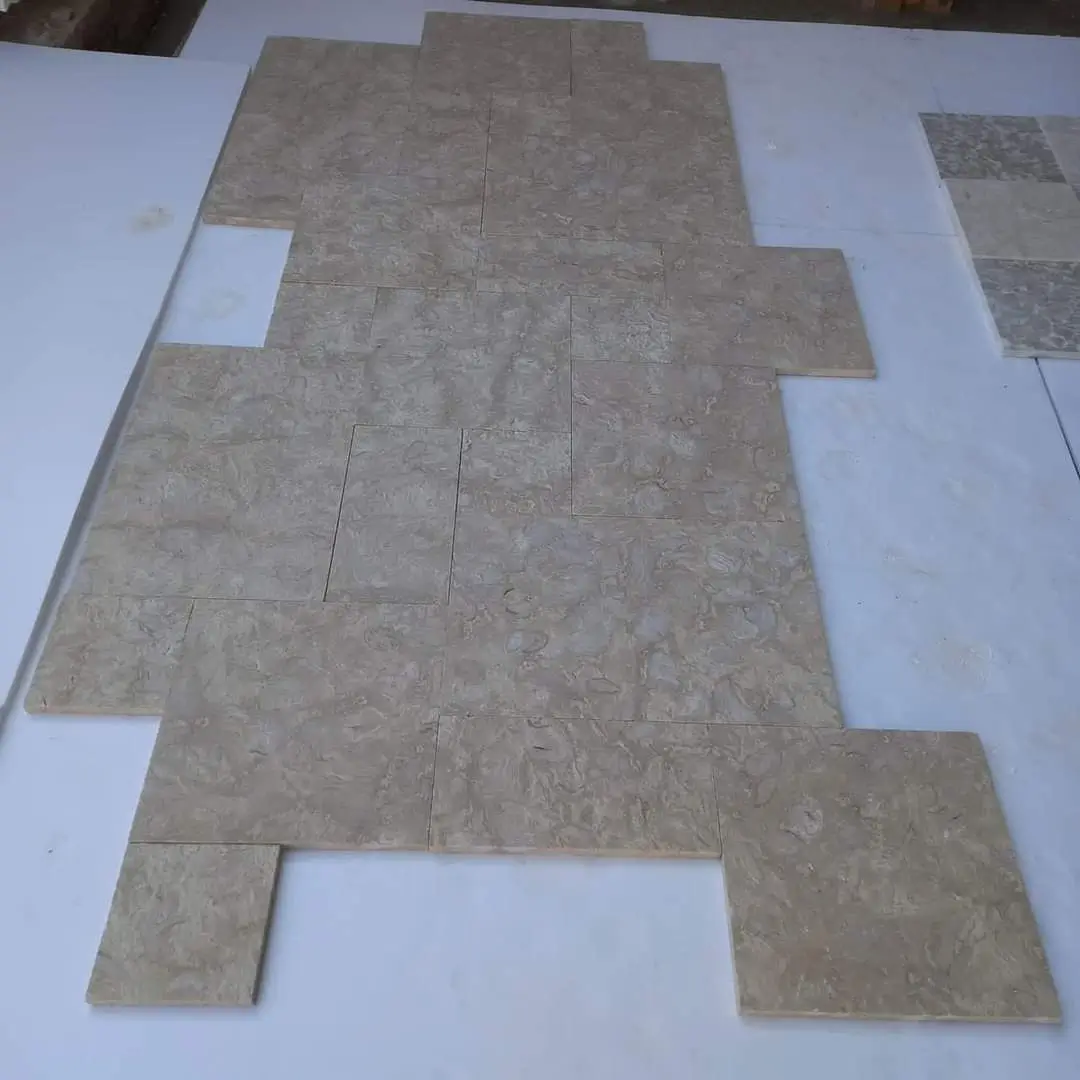
A standard Arizona patio base for flagstone should include: native soil graded to 1–2% slope minimum, 4 inches of compacted 3/4-inch crushed aggregate, geotextile fabric between the aggregate and setting layer, and a 1-inch sand or decomposed granite setting bed. In areas with known caliche sublayers — common across Chandler‘s older residential zones — you’ll need to either scarify and compact the caliche layer or install a perforated drain tile below the aggregate to manage lateral flow during peak storm events.
- Perforated drain tile at the base perimeter is a low-cost addition that prevents the edge-heaving that damages flagstone borders after monsoon saturation
- Setting bed thickness should stay at 1 inch maximum — thicker setting beds retain moisture and promote the freeze-thaw cracking that affects higher-elevation Arizona installations
- In areas with clay-dominant native soil (common in the East Valley), an additional 2 inches of aggregate base depth prevents the differential settlement that cracks flagstone joints
- French drain integration along the downslope perimeter of any flagstone patio larger than 400 square feet is strongly advisable in Arizona’s monsoon zone
Joint Width, Sand Specification, and Water Management
Joint design is where water management precision happens at the stone level. Tight joints — under 1/4 inch — look elegant but function poorly in Arizona because monsoon-scale water loading has nowhere to go at the surface. Wider joints in the 3/8–1/2 inch range allow surface water to pass into the base system where your aggregate layer can handle it through lateral drainage.
Polymeric sand outperforms standard mason sand in Arizona flagstone joints specifically because monsoon events create the kind of high-volume, short-duration water flow that washes conventional joint sand out within a few seasons. Polymeric sand’s binding agents maintain joint integrity through these events, though you’ll still want to inspect and top off joints annually after the monsoon season concludes. Our technical team at Citadel Stone advises clients to schedule that inspection in October, after the monsoon threat window passes but while the stone is still warm enough for any remedial sealing work to cure properly.
- Open-graded base systems with wider joints perform better in high-rainfall-intensity zones than fully mortared systems, which direct water to surface runoff rather than through-drainage
- Mortar joints are appropriate only when your patio sits on a concrete slab with positive drainage slope built into the substrate
- Joint sand depth should match the stone thickness — underfilled joints allow water to pool at the base of the joint rather than draining through the aggregate layer
Ordering, Logistics, and Project Planning
Your material decisions need to align with realistic lead times, particularly for less common flagstone varieties. Standard sandstone and limestone flagstone are typically available from warehouse stock in Arizona, with truck delivery windows of 1–2 weeks for most East Valley projects. Quartzite and specialty slate varieties may require 3–5 week lead times depending on formation and finish specifications — factor that into your project schedule, especially if you’re planning installation before monsoon season to allow proper curing time.
Truck access at the delivery site affects how material is staged and whether breakage risk increases during offloading. Flagstone’s irregular shapes and varying thickness make it more susceptible to edge damage during transport than uniform pavers, so specifying a flat, accessible staging area near the installation zone reduces field waste by 8–12% compared to sites where material has to be hand-carried long distances from the truck. Ordering 10–15% overage beyond your calculated square footage covers breakage, cuts, and any field-matching requirements for irregular flagstone shapes.
In neighborhoods where newer residential developments often have tight side-yard access constraints, confirming truck clearance dimensions before scheduling delivery prevents the project delays that come from discovering access issues on delivery day. Warehouse availability varies seasonally, so verifying current stock for your selected flagstone variety before committing to an installation date is a straightforward step that prevents schedule disruptions.
Final Recommendations for Flagstone Patio Stone Varieties Arizona Projects
The Arizona outdoor stone surface comparison guide that actually matters focuses on porosity, base drainage design, and joint specification — with material aesthetics and heat performance as supporting criteria, not primary drivers. Quartzite leads in surface durability and thermal stability; sandstone delivers natural drainage and slip resistance with a higher maintenance commitment; limestone provides a balanced performance profile for most residential patio applications; and slate remains viable when installation conditions support proper edge protection and slow-drainage avoidance.
Any specification for flagstone patio stone varieties Arizona projects should always include a written drainage plan — slope percentages, aggregate base depth, geotextile placement, and joint sand type — before finalizing material selection. The stone you choose performs only as well as the drainage system beneath it. For a related perspective on Arizona stone palette planning, 7 Grey and White Paver Design Ideas for Arizona explores how color selection and material finish interact with Arizona’s light conditions across different hardscape applications — a useful complement to the structural specifications covered here.
Getting these decisions right the first time means you won’t be releveling stone or replacing joint sand after every heavy monsoon season — and that’s exactly what separates a durable 20-year patio from one that starts showing structural problems in year four. Homeowners in Phoenix, Tempe, and Gilbert compare flagstone patio stone varieties from Citadel Stone, selecting options sourced from established quarry partners across multiple continents for slip resistance and color stability under Arizona’s UV index.