
Base failure in grey patio slab installations across Arizona almost always traces back to one overlooked variable — not the material, not the mortar, but the installation window. Most contractors focus on compaction ratios and slab thickness while scheduling work during the worst possible period, then spend years troubleshooting joint erosion and slab lift that were entirely preventable. Installing grey patio slabs in Arizona demands that you treat seasonal timing as a primary specification decision, not an afterthought. Get the window right and every other step compounds in your favor.
Understanding Arizona’s Seasonal Installation Windows
Arizona doesn’t operate on a single climate calendar, and your installation schedule needs to reflect that. The state spans elevation zones from below 100 feet in Yuma’s low desert floor to over 6,900 feet in Flagstaff’s ponderosa pine belt, and each zone has a distinctly different optimal period for grey patio slab work.
For the low and mid-desert elevations — Phoenix metro, Tucson basin, and the Colorado River valley — your best installation windows fall between mid-October and early April. Soil surface temperatures during this period stay below 95°F, which matters because setting beds, joint sand, and polymeric mortar all have cure performance tied to substrate temp, not ambient air temp. Many installers check air temperature but ignore the ground reading. A 72°F October afternoon in Phoenix can still have sun-facing soil sitting at 105°F at noon, which will flash-cure your setting material before you achieve adequate bond depth.
- Mid-October to late November: optimal in Phoenix metro and Tucson — moderate substrate temps, low humidity, consistent overnight lows that allow gradual cure
- December through February: excellent thermal conditions but watch for Flagstaff freeze events that can heave freshly bedded slabs within 48 hours of installation
- March to mid-April: second-best window for low desert — warm enough for rapid but not flash cure, cool enough for comfortable installation pacing
- Late April through September: avoid for grey patio slab installations in zones below 4,500 feet elevation unless you’re working exclusively in pre-dawn hours
Morning vs. Afternoon Work: The Field Reality
Here’s what most specifiers miss entirely — the time-of-day split in Arizona isn’t just about worker comfort. It directly controls installation quality and you need to build it into your project schedule as a hard constraint.
For summer installations when you have no seasonal flexibility, your setting bed work must finish by 9:30 AM. After that point in July and August, substrate temperatures on exposed desert soils will begin climbing past the threshold where standard thin-set admixtures lose their open time faster than you can lay and adjust slabs. You’ll burn through your setting bed’s workable window before you’ve covered 40 square feet. That forces rushed placement without adequate seating, and grey slab installations that get rushed at the placement stage almost always show lippage and rocking within the first two monsoon cycles.
In the acceptable seasonal windows — October through March — you get a much wider working day. Productive installation hours run from roughly 7 AM to 2 PM in October and November, and the full 7 AM to 4 PM range during December and January. Use the morning hours for your critical alignment work and final seating. Reserve afternoon time for cutting, joint preparation, and cleanup.
- Pre-dawn soil temps are typically 15–25°F cooler than peak afternoon readings, even in peak summer
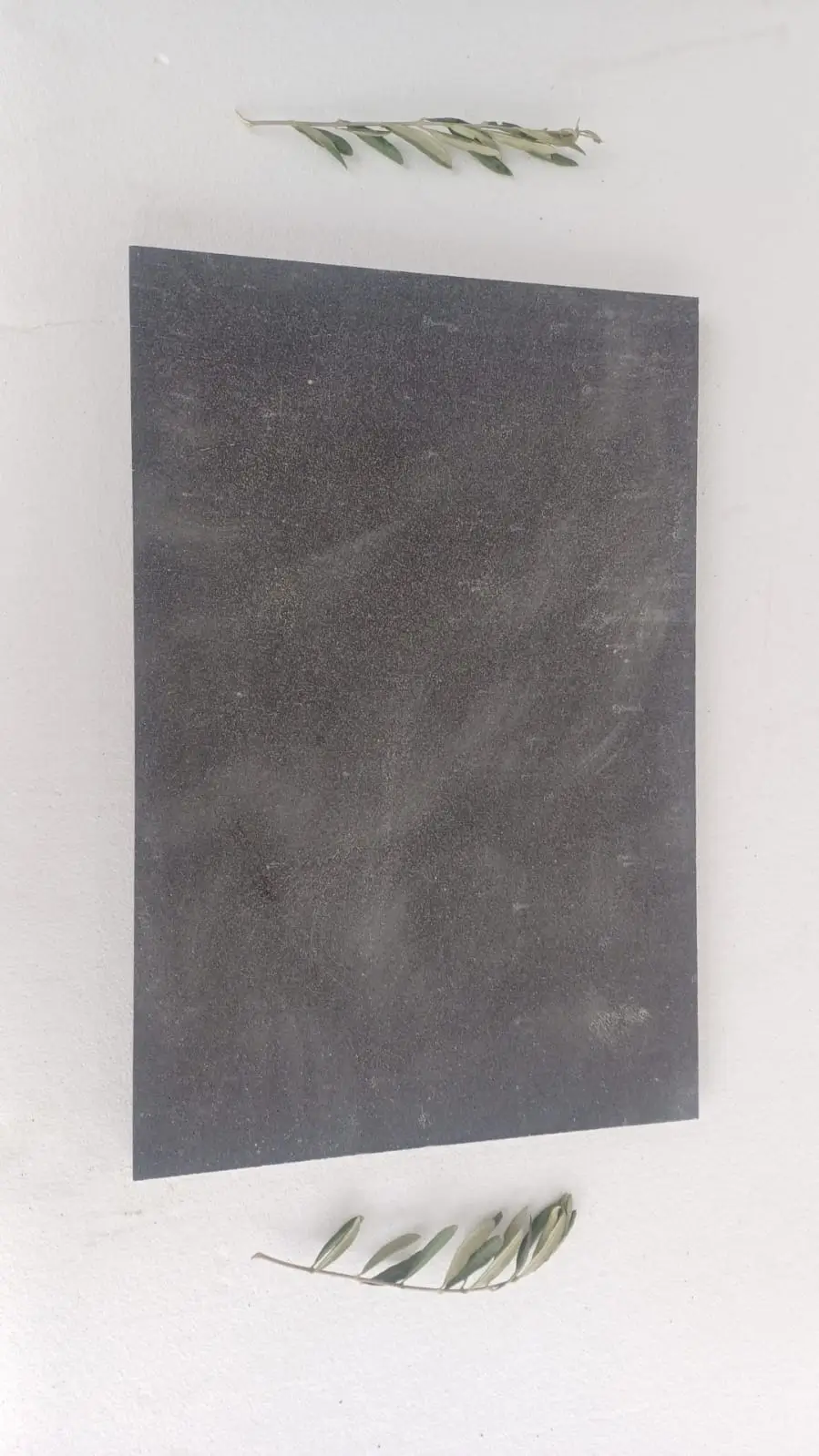
- Grey stone absorbs and retains radiant heat — an unsealed grey slab facing south can reach 140°F surface temp by 2 PM in July, making afternoon placement adjustment physically unworkable
- Scheduling your truck deliveries for early morning also means slabs unloaded onto staging areas won’t have absorbed significant heat before they reach the setting bed
- Afternoon wind events in Arizona carry fine particulate that contaminate fresh joint sand and setting mortar — morning installation avoids this in most regions
Monsoon Season and Installation Interruptions
The Arizona monsoon pattern runs from mid-June through mid-September, and it creates installation risks that go well beyond simple rain delays. For grey patio slab projects, monsoon interruptions have two specific failure mechanisms you need to plan around.
The first is saturation of compacted aggregate base. A freshly compacted base that gets hit with a monsoon event — even a short but intense 20-minute storm dumping 1.5 inches — will lose a meaningful portion of its compaction value as water forces entrained air back through the aggregate column. If you’ve laid slabs over that base before a post-storm compaction check and re-roll, you’ll have differential settlement as the base re-drains and re-compacts under slab weight. This is one of the most consistent sources of warranty callbacks on grey patio slab work in the Phoenix and Tucson markets.
The second failure mechanism involves polymeric joint sand. Monsoon rains often arrive as high-intensity bursts with no warning. If you’ve swept and lightly watered polymeric sand but haven’t completed the full activation sequence, a monsoon rain will carry the sand out of joints before it has developed any binder strength. You’ll lose days of joint work in under an hour. Your installation schedule during June through September must treat joint work as an absolute morning-only activity, and you should stage only as much joint sand as you can fully activate before noon.
Grey Patio Slab Base Preparation for Arizona Desert Soils
The grey slab installation steps for Arizona desert soil differ from published national standards because desert soils behave unlike anything you’ll encounter in moderate climates. Your primary challenge is expansive clay, which is widespread across the Phoenix basin, Tucson valley, and mid-elevation transition zones.
For projects in Sedona, the red iron-oxide clay subsoils present an additional complication — they swell aggressively on contact with moisture and shrink equally hard during dry periods. Sedona projects need a minimum 6-inch compacted aggregate base rather than the standard 4-inch spec, and the aggregate must be angular crushed stone, not rounded river gravel, to maintain interlock under expansion pressure cycles.
Your base preparation sequence should follow this framework for Arizona grey slab patio installations:
- Excavate to 10–12 inches below finished slab surface for standard residential loads, 14 inches for vehicular or heavy-load patios
- Treat expansive clay subgrade with 4–6 pounds per square yard of hydrated lime, tillage to 6-inch depth, and a 24-hour moisture conditioning period before base aggregate placement
- Place aggregate base in two lifts maximum — single-lift compaction on lifts thicker than 4 inches produces false density at the surface with inadequate compaction below
- Target 95% modified Proctor density at each lift before proceeding — this is non-negotiable in Arizona’s thermal cycling environment
- Install a 1-inch clean angular setting bed of #8 aggregate or coarse concrete sand as your final screeded layer — avoid fine mason’s sand which migrates under thermal cycling
Verifying warehouse stock for your aggregate materials before mobilizing equipment saves significant downtime. Supply delays on quality crushed granite aggregate do occur in high-demand spring and fall windows when multiple contractors are chasing the same optimal installation season.
Seasonal Adhesive and Mortar Behavior in Arizona
This is where seasonal timing becomes a product selection issue, not just a scheduling one. The adhesive and mortar products rated for standard exterior installation are calibrated for a curing temperature range of roughly 50°F to 90°F. Arizona’s installation reality pushes well outside that range on both ends, and you need to select your bonding system with this in mind.
For the optimal fall and winter installation window, standard polymer-modified thin-set performs well. The cooler substrate temperatures give you 30–45 minutes of open time on a properly mixed batch, which is adequate for grey patio slab work in a 2-inch nominal thickness range. However, once substrate temps drop below 45°F — which happens regularly in Flagstaff from November through February at 6,900-foot elevation — you need to switch to a cold-weather modified thin-set and protect freshly bedded slabs with insulated blankets for the first 24 hours of cure.
For spring installations when temperatures are climbing, the material selection issue flips. You’ll want to specify a high-temperature extended open-time thin-set — look for products rated to 115°F substrate temperature. These aren’t just a marketing difference; the polymer chain structure in extended open-time admixtures resists flash evaporation that standard mortar experiences above 90°F substrate conditions. Using standard thin-set in April in Phoenix when substrate temps are climbing into the 95–100°F range produces a dry skin on your mortar surface within 8–10 minutes of placement — well before you’ve adequately seated and aligned your slab.
Slab Spacing and Thermal Expansion Joint Specification
Grey stone has a thermal expansion coefficient in the range of 4.5 to 6.0 × 10⁻⁶ per °F depending on mineral composition and density. Arizona’s annual temperature swing — from 28°F winter lows in the high country to 118°F summer maximums in the low desert — creates a thermal range that exceeds what most national specification guides are calibrated for.
Your joint spacing calculation for installing grey patio slabs in Arizona needs to account for a 90°F temperature differential as your design case, not the 50–60°F differential used in moderate-climate standards. Running that calculation for a standard 24×24-inch grey patio slab, you should allow 3/16-inch minimum joint width for butt-edge installations in low desert climates, 1/8-inch for high-elevation sites. The difference matters — undersized joints in a Yuma-area installation will show edge spalling within two to three seasonal cycles as slabs contact each other under summer expansion.
For large-format slabs in the 24×48-inch and 36×36-inch range, the calculation shifts further. At Citadel Stone, we recommend 1/4-inch joints as the minimum for large-format grey patio slabs in Phoenix metro and below, with expansion control joints — using a compressible backer rod and flexible sealant — every 10 to 12 linear feet. This is more conservative than the 15-foot spacing in generic guidelines, but it’s what field performance data supports in extreme heat zones.
How to Lay Grey Stone Slabs: Sequencing and Technique
Your installation sequence for grey patio slabs in Arizona follows a specific logic that differs from standard temperate-climate practice. This Arizona grey stone patio DIY laying guide principle applies whether you’re managing a large contractor crew or a smaller residential project — the sequencing isn’t arbitrary. It’s designed to keep your setting bed in workable condition throughout the installation process.
Start from a fixed point — typically a building foundation, existing structure, or established hardscape edge — and work outward in sections no larger than 50 square feet at a time. Screeding and laying sections larger than this in Arizona’s climate means the far edge of your screeded setting bed has been exposed to air and sun for too long by the time you reach it. Keeping section size tight maintains consistent bond quality across the entire installation.
For the actual laying process on a dry-set installation — which is appropriate for most grey patio slab work in Arizona’s low-humidity fall and winter window — follow this sequence:
- Screed your setting bed section to finished elevation, accounting for a 1/8-inch per foot slope away from any structure for drainage
- Back-butter each slab with a 3/16-inch notched trowel using your selected thin-set — full-coverage back-butter is mandatory in Arizona’s thermal environment to prevent hollow spots that concentrate impact stress
- Set slab with a firm downward press and 1/4-inch lateral wiggle to collapse notch ridges — use a rubber mallet on a beating block, never direct mallet strikes on grey stone surface
- Check each slab for lippage immediately after seating — acceptable maximum is 1/16-inch in residential work
- Maintain consistent joint spacing using calibrated spacers rather than visual estimation
The grey slab installation steps for Arizona desert soil projects require you to complete your setting and alignment work before any joint sand installation. Don’t be tempted to sweep joint sand into sections as you go — thermal movement between morning installation and afternoon cure creates micro-shifts that you’ll want to correct before joints are locked in.
Patio Slab Base Preparation Timing Across Arizona
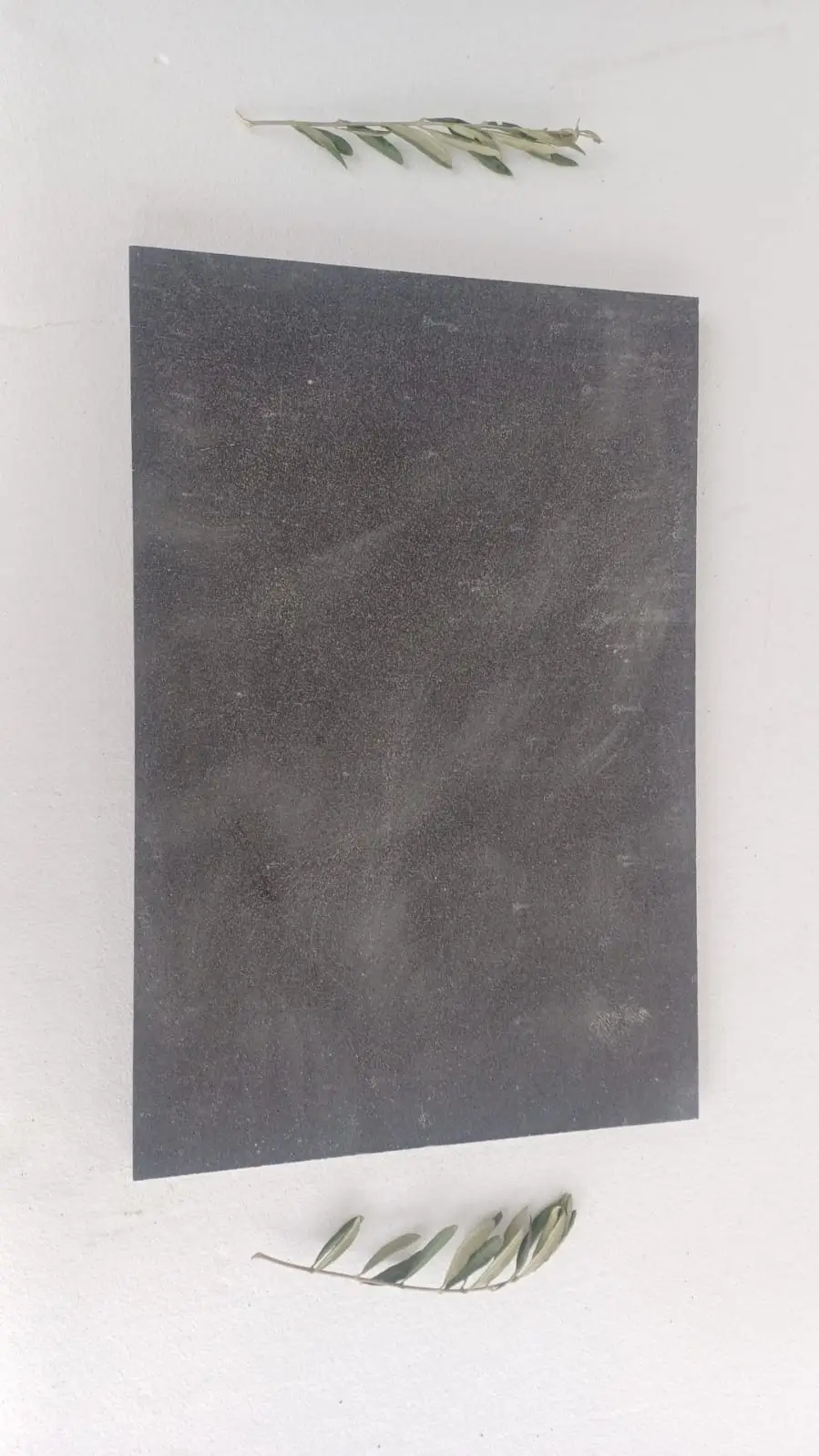
Patio slab base preparation across Arizona isn’t a single-spec process — the elevation gradient across the state means base preparation timing and technique vary considerably by location. A base prep protocol that works well in a November project in Yuma will need modification for the same calendar window in a high-desert project above 5,000 feet.
In Yuma and the low Colorado River valley, November through February base preparation works well because soil moisture content during this period is more predictable and the risk of frost heave is essentially zero below 1,000 feet elevation. Your aggregate placement and compaction can proceed continuously through mild winter days without the freeze-thaw interruptions that affect higher elevations.
For mid-elevation projects in the 3,500 to 5,000-foot range — the Prescott and Camp Verde corridor — your base preparation window narrows. October through November and March through April are your primary windows. December and January carry freeze-thaw risk that compromises freshly compacted aggregate bases, and the late spring warm-up in this elevation band brings strong winds that can dry and loosen the top layer of a screeded setting bed faster than you expect.
Confirming warehouse inventory lead times against your installation window is critical when sourcing grey patio slabs suited to each of these regional conditions. Grey slab products that arrive on a truck after your optimal installation period has closed can push your entire project schedule into a less favorable season. Verifying warehouse stock availability 4–6 weeks ahead of your target start date is standard practice for well-managed Arizona patio installations.
For your material sourcing needs during the optimal installation window, Citadel Stone Arizona patio slab supply maintains regional inventory that allows shorter truck delivery lead times than imported material — typically 5 to 10 business days from order confirmation to site delivery.
Sealing and Post-Installation Curing Timeline
Your post-installation sealing schedule is as sensitive to Arizona’s seasonal patterns as the installation itself. Applying sealer too early traps moisture in the setting bed, which becomes a significant issue as that moisture heats and expands through Arizona’s summers. Applying too late in the spring leaves your grey stone exposed to UV and iron oxide staining from monsoon particulate.
For fall and winter installations — your optimal window — the sealing timeline looks like this: allow a minimum of 28 days for setting bed cure before any penetrating sealer application. Grey patio slabs installed in October or November will be ready for first-application sealing by late November or December, which is actually ideal because cooler temperatures extend sealer penetration time and allow deeper impregnation into the stone’s pore structure. You’ll typically achieve better sealer depth in a 55°F December application than in an 85°F March application.
For spring installations, the sealing timeline compresses. A March installation in Phoenix is approaching the spring warming period, and you want sealer applied before the first sustained 100°F days begin stressing unsealed stone. Plan to seal no later than six weeks post-installation, and schedule sealing work for early morning hours when substrate temperatures are still below 80°F for maximum product performance.
- Use a penetrating impregnating sealer rated for natural stone — avoid topical film-formers that trap moisture and peel under Arizona’s UV intensity
- Apply two coats, allowing the first coat to penetrate for 15–20 minutes before applying the second in a cross-direction pattern
- Re-seal every 2 to 3 years for low desert projects, every 3 to 4 years for high-elevation projects with lower UV exposure
- Always test sealer compatibility on a small hidden section first — grey stone from different quarry sources varies in absorption rate and some sealers can slightly darken or mottle certain grey tones
Spec Wrap-Up: Getting Your Grey Patio Slab Installation Right
Installing grey patio slabs in Arizona rewards methodical planning far more than speed. Your seasonal installation window selection, time-of-day work schedule, and setting material choices all interact — get one wrong and the other two can’t compensate. The projects that hold up through 20-plus Arizona summers are the ones where the installer treated timing as a technical specification, not a convenience.
Plan your project schedule backward from your target completion date, building in your optimal seasonal window, your base cure periods, and your post-installation sealing timeline. Account for warehouse lead times when sourcing your grey patio slabs so material arrives before your window opens rather than during it. Factor in your setting mortar selection based on the actual substrate temperatures you’ll encounter during your installation weeks — not the average daytime air temp, but the measured surface reading on your specific site at your actual working hours. That level of planning precision is what separates a grey patio installation that looks good in year one from one that still performs in year twenty. Once your installation is complete, understanding the full project investment is equally important — Grey Patio Slab Cost in Arizona: Budget Guide walks through the cost dimensions of Arizona grey slab projects in useful detail. Contractors in Tucson, Flagstaff, and Yuma installing grey patio slabs often specify Citadel Stone material because each slab is cut to uniform tolerances that reduce adjustment time during base preparation.