
Terrain is the variable that breaks extra large garden slab installations in Arizona far more often than material choice does. Choosing extra large garden slabs Arizona projects demand starts with understanding how your specific site elevation, slope angle, and subsurface drainage path interact — long before you decide between limestone, basalt, or travertine. A flat slab on a 3% grade behaves completely differently than the same slab set on a 12% hillside slope, and the base engineering required for each scenario varies dramatically.
Why Terrain Defines Your Slab Strategy
Arizona’s topography doesn’t give you a single challenge — it gives you dozens depending on where you’re building. The state spans elevation ranges from roughly 70 feet above sea level near the Colorado River to over 12,600 feet at Humphreys Peak, which means the drainage dynamics, frost behavior, soil composition, and structural requirements differ enormously from one project to the next. You can’t apply a one-size spec to all of it.
For extra large garden slabs specifically, this matters more than it would for smaller pavers. A 24×24 inch slab has enough mass and surface area that even minor grade inconsistencies create edge rocking, stress fractures, and differential settlement over time. The larger the slab, the less forgiving your base preparation needs to be — and the more critical your drainage geometry becomes during design. Before you choose a material, you need to understand your site’s drainage path, natural slope, and what’s happening below grade.
- Slope gradient above 5% requires a compacted aggregate base of at least 6 inches minimum — not the standard 4-inch residential spec
- Sites with clay-heavy subsoil need an engineered drainage break layer between native soil and your compacted base
- Hillside installations above 8% grade should include drainage channels or French drain systems positioned upslope from the slab field
- Flat desert terrain presents a different challenge — water has nowhere to go naturally, so you’re engineering positive drainage rather than managing existing slope
- Caliche hardpan layers, common across Arizona’s lower elevations, affect your excavation depth and require specific penetration decisions
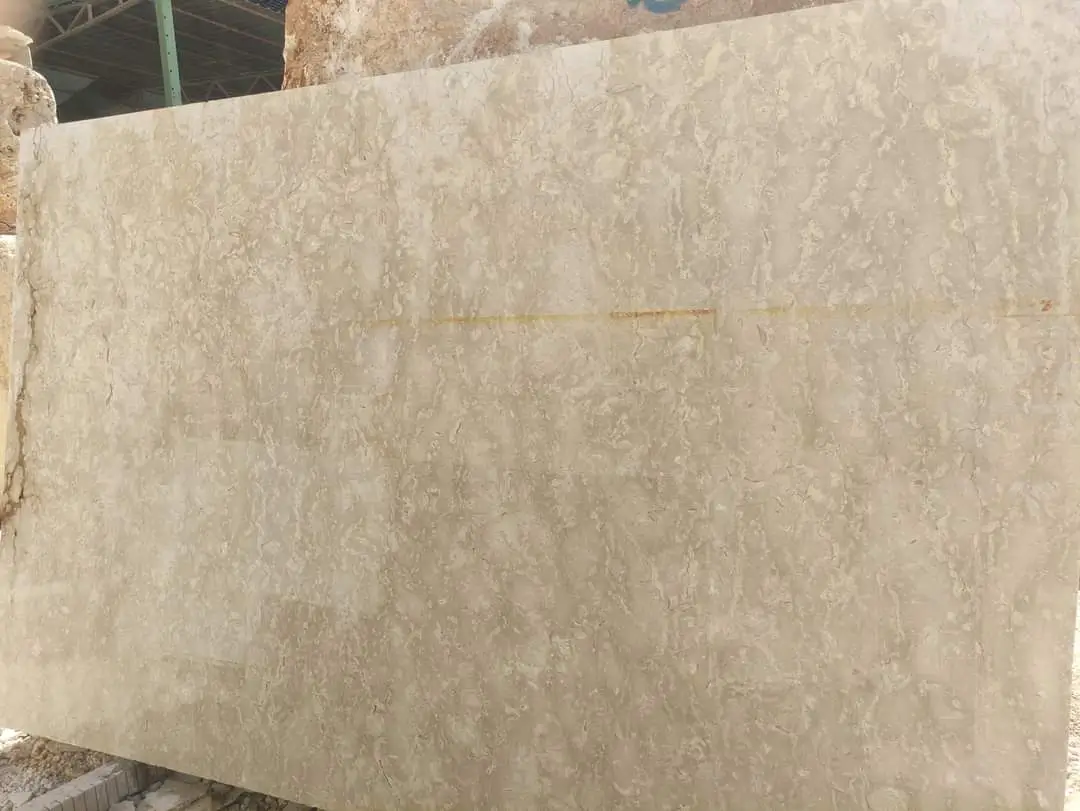
Elevation Changes and Base Preparation
The relationship between elevation change and base performance is where most Arizona slab projects go wrong. Contractors and homeowners alike tend to treat base preparation as a fixed formula — 4 inches of compacted gravel, done. But elevation transitions create dynamic load conditions that a static base calculation doesn’t account for. You’re managing both the weight of the slab and the lateral movement of water and soil across a slope.
For hillside installations typical in Sedona, where red rock terrain creates dramatic grade changes and highly variable sandstone-based subsoils, you’ll need to think carefully about stepped base transitions rather than continuous slope pours. The base depth at the uphill edge of your slab field should exceed the downhill edge by 2–3 inches to compensate for the natural drainage pull on aggregate over time. This isn’t widely documented in standard residential specifications, but it’s the detail that separates installations that stay level from ones that develop a lip at the downslope edge within the first two winters.
- Step your base depth at grade transitions — don’t maintain a uniform base thickness on slopes above 6%
- Use angular crushed aggregate (not pea gravel) for compacted base on slopes — angular material interlocks and resists lateral migration
- On significant grade changes, install geotextile fabric between native soil and aggregate base to prevent migration
- Compact in 2-inch lifts on sloped sites — single-lift compaction on grades above 5% never achieves adequate density at depth
- Allow for a 2% cross-slope in your final slab surface grade to shed surface water without promoting edge erosion
The compaction specification matters as much as the base depth. Your target is 95% Proctor density at the base layer — a number most residential contractors rarely verify with actual testing. Field inspection of compaction quality is worth the cost for large slab installations, particularly on sloped sites where settlement would require full slab removal to correct.
Best Garden Slab Materials for Arizona’s Terrain and Climate
Material selection for extra large garden slabs in Arizona involves balancing structural performance, surface traction on grades, and thermal behavior — in that order of priority for sloped installations. You’re looking for materials that maintain dimensional stability under the combination of load cycling and moisture movement that terrain-heavy sites produce.
Natural stone performs consistently well in this environment, but the specific material matters. As part of the large outdoor garden stone selection guide for Arizona properties, here’s how the primary material families compare across terrain-relevant performance factors:
- Limestone: Excellent dimensional stability, compressive strength typically 8,000–15,000 PSI, low thermal expansion coefficient makes it suitable for hillside installations where differential movement is a concern
- Basalt: Dense and very low porosity, which is valuable on sites where upslope moisture migration is a factor — basalt’s water absorption rate below 1% means it doesn’t accumulate weight from moisture in the way sandstone or softer limestone can
- Travertine: Outstanding for mid-elevation projects, but requires careful sealing on sloped installations where water concentration occurs — unfilled travertine on a grade collects debris in its pores faster than on flat terrain
- Granite: The highest compressive strength in the natural stone category (20,000+ PSI), worth specifying for load-bearing applications on slopes or where vehicular access is adjacent
- Sandstone: Not recommended for sloped Arizona installations — its layered structure is vulnerable to delamination when freeze-thaw cycles combine with the lateral hydrostatic pressure that builds behind slabs on grades
At Citadel Stone, we source extra large format natural stone garden slabs suited for Arizona yards directly from quarries with consistent bed thickness — a detail that matters considerably when you’re setting large slabs on sloped bases, because thickness variation in the material translates directly to surface height variation at installation.
Drainage Design for Arizona Garden Slab Installations
Drainage design is the discipline that most directly separates successful large slab installations from problematic ones in Arizona. The state’s intense monsoon rainfall — particularly the concentrated burst patterns that deliver 1–2 inches in under an hour — creates hydraulic loads that most standard drainage calculations underestimate. Design for peak event flow, not average annual rainfall.
The fundamental principle is controlling where water goes before it reaches your slab field, not after. Upslope diversion is almost always more effective than underslab drainage, and for extra large garden slabs specifically, it protects the base aggregate from the hydrostatic pressure that builds behind a slab field when water moves into the base from above. A simple interceptor drain positioned 18–24 inches upslope of your slab perimeter can eliminate the majority of subsurface moisture problems without complex underslab engineering.
- Calculate your drainage catchment area — every square foot of slope above your slab field contributes to the drainage load during storm events
- Size interceptor drains using a 10-year storm event rainfall intensity for your specific location, not a state average
- Maintain minimum 1/8-inch per foot fall on all drainage channels — shallow slopes clog faster and back up during high-intensity events
- For flat desert terrain, engineer a positive 2% slope away from structures in your slab layout — relying on natural drainage on flat sites leads to ponding within the first monsoon season
- Include cleanout access points in any subsurface drainage system — Arizona’s dust and organic debris load makes annual maintenance mandatory
In Yuma, where the terrain is notably flat and caliche layers sit close to the surface, interceptor drains are less relevant — but positive surface drainage engineering becomes critical because water truly has nowhere to go naturally. Projects in that area typically require more careful slab layout planning to create deliberate drainage corridors between slab fields, preventing the pooling that accelerates joint deterioration in an otherwise low-rainfall environment.
Slab Thickness and Size Selection for Arizona Terrain
Extra large garden slabs in Arizona generally perform best in the 2-inch to 3-inch nominal thickness range for pedestrian applications, stepping up to 3–4 inches minimum for any installation that will see equipment access or vehicular loads. On sloped sites, though, thickness interacts with base geometry in ways that purely structural calculations miss.
Thicker slabs on slopes create a more favorable moment arm against the tendency of gravity to pull slab edges downhill over time. A 3-inch thick slab on a 10% grade resists edge creep substantially better than a 1.25-inch thick paver on the same slope, even with equivalent base preparation. The mass advantage is real. For hillside Arizona projects, going below 2 inches nominal thickness is rarely justified regardless of material, and 2.5 inches is a more defensible specification for anything above 5% grade. For more comprehensive detail on slab specifications that suit Arizona’s demanding conditions, the Citadel Stone extra large garden slabs guide provides a detailed walkthrough of size and thickness combinations suited to the state’s terrain variation.
The size dimension — length and width — also matters for sloped installations in a way most specifications ignore. Larger plan dimensions mean more cantilever distance between support points, which amplifies any base settlement. On sloped sites with potential for minor differential settlement, 24×24 inch slabs outperform 36×36 inch or larger formats because they reduce the unsupported span. Choosing extra large garden slabs Arizona hillside projects will use at 36×36 or larger on a grade above 5% requires a base preparation specification that increases in rigor accordingly.
Site-Specific Engineering for Arizona Zones
Arizona’s terrain creates distinct installation zones that each carry specific engineering requirements. The low desert (roughly below 2,500 feet elevation) presents a combination of caliche, expansive soils in some areas, and monsoon drainage challenges. Mid-elevation sites (2,500–5,500 feet) add temperature variation, moderate freeze-thaw exposure, and more complex slope conditions. Higher elevations introduce genuine freeze-thaw cycles that require full frost-depth base design.
The Arizona heat-resistant garden slab options that work in Yuma’s flat low desert don’t automatically translate to Sedona’s hillside terrain at 4,400 feet — and they certainly don’t translate to elevations approaching 7,000 feet without significant specification changes. Matching your engineering approach to your elevation zone, rather than applying a statewide standard, is what separates durable installations from ones that fail within a few seasons.
- Low desert (below 2,500 ft): Focus on drainage engineering and caliche management — frost is not a factor, but expansive soil movement can be significant in certain soil series
- Mid-elevation (2,500–5,500 ft): Balance drainage design with moderate freeze-thaw consideration — you’ll see perhaps 20–40 freeze cycles per year, enough to require proper base compaction but not full frost-depth excavation
- Higher elevation (above 5,500 ft): Full frost-depth base design required — excavate below the frost line for your specific location before placing aggregate base, or accept that frost heave will compromise large slab installations within 3–5 years
- Hillside terrain at any elevation: Prioritize upslope drainage interception and stepped base construction over material selection — the best stone in the world fails on a poorly engineered slope
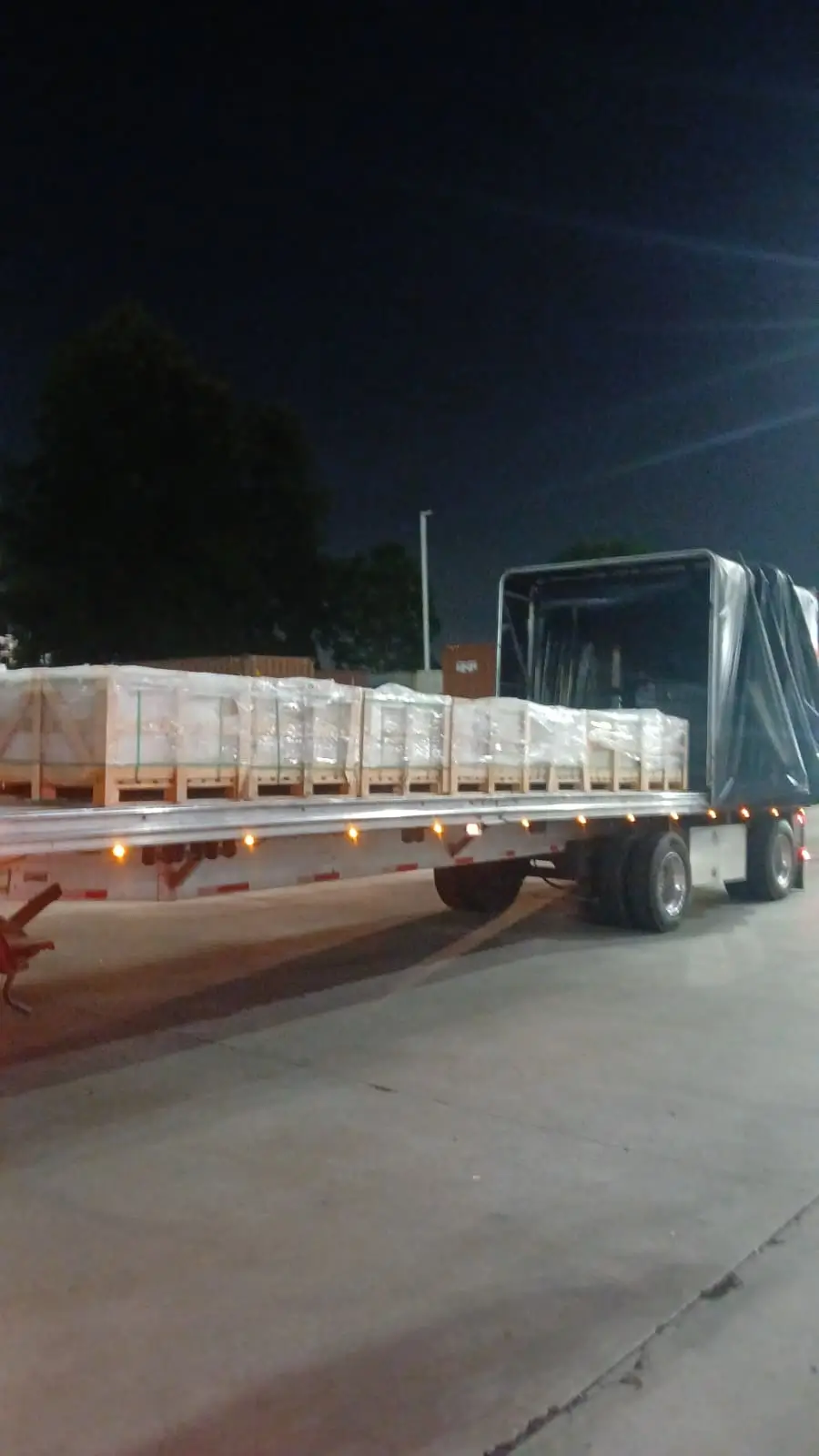
At Citadel Stone, we track inventory from our warehouse in Arizona specifically by slab thickness and material density, which allows us to advise on weight logistics for truck deliveries to hillside and high-elevation sites. It’s a practical detail — getting a 3-inch basalt slab delivered to a steep-access property requires different truck and equipment planning than a standard flat-lot delivery.
Surface Finish Selection for Sloped Installations
Surface finish is a safety variable on sloped sites, not just an aesthetic one. On flat terrain, finish choice is primarily about appearance and maintenance. On any installation with a grade above 2%, the coefficient of friction of your selected finish becomes a structural safety specification — a detail that gets underweighted in most residential slab discussions.
For projects in Mesa and similar valley communities where grades tend to be modest, the finish choice has less engineering significance than on hillside terrain. But for sloped sites, here’s what the finish data shows in practical terms:
- Sandblasted or flamed finishes provide the highest wet-surface friction coefficients — typically 0.6 or above, which meets ADA guidelines for exterior ramps
- Honed finishes on limestone or travertine read lower on wet COF (typically 0.45–0.55) — adequate for most pedestrian applications but worth reviewing for grades above 8%
- Polished finishes are not appropriate for any sloped exterior installation — wet COF drops below 0.4, which creates unacceptable slip risk
- Natural cleft or split-face finishes on basalt and some granite provide inherent texture that performs well on grades without additional surface treatment
- Brushed finishes offer a good balance of aesthetics and traction for mid-grade installations, particularly on limestone where the brushing creates a naturally textured surface
The best garden slab materials for Arizona climate also need to maintain their surface texture over time in UV-intense conditions. Some sandblasted finishes on softer limestone gradually smooth with foot traffic over 5–7 years, which means the initial slip resistance you specified may not be the slip resistance you have in year eight. Specifying harder stone materials — basalt, granite, dense limestone — for sloped installations ensures the finish durability matches the structural longevity of the installation.
Ordering, Logistics, and Project Planning
Large format slab logistics require more planning than standard paver projects, and in Arizona’s terrain, the delivery and handling variables multiply on hillside sites. Truck access constraints at the site should factor into your slab size and weight decisions before you finalize the specification — it’s a detail that’s much easier to solve in the design phase than after the material is ordered.
A 3-inch thick 36×36 natural stone slab weighs roughly 135–150 pounds depending on material density. Getting that material from a flatbed truck to a hillside installation site requires either mechanical lifting equipment or very well-organized crew management. Warehouse lead times for large format natural stone are worth understanding early — standard warehouse stock for extra large format slabs in common materials (limestone, travertine) typically allows for 1–2 week lead times from an Arizona-based supplier, while specialty materials or custom dimensions can extend to 6–8 weeks if the material needs to be sourced internationally.
- Verify truck access to your site before ordering — weight-restricted roads or steep driveways may require smaller delivery vehicles and additional handling steps
- For hillside installations, stage delivery in manageable quantities if mechanical lift equipment isn’t available — overloading a crew on a slope creates both safety risks and installation quality problems
- Confirm warehouse availability for your full quantity before committing to project start dates — partial deliveries on large slab projects create installation staging problems that affect base compaction timing
- Order 8–10% overage for extra large format slabs — cut waste is higher on large formats than small pavers, particularly when you’re making cuts to accommodate drainage features or grade transitions
- Inspect the first pallet of material on delivery before the truck leaves — thickness variation greater than 3mm within a batch will create significant problems on sloped installations where level setting is already more demanding
Getting Your Arizona Slab Specification Right
The decisions that define a successful extra large garden slab installation in Arizona happen at the terrain analysis stage, not at the stone yard. Investing in proper drainage design, site-appropriate base engineering, and slope-specific construction detailing before you choose your stone will reduce long-term performance issues substantially. Material selection matters — but it’s the foundation that carries the material, and the foundation’s design is entirely site-driven.
Choosing extra large garden slabs Arizona properties need means reconciling the specific demands of your elevation zone, your natural slope, your drainage catchment, and your subsurface soil conditions — all before the first slab is laid. The terrain variables in this state are too diverse for a single specification to serve every project. Beyond garden slab selection, your Arizona project may include additional stone applications that have their own installation requirements — Installing Oversized Patio Slabs in Arizona Correctly covers the technical installation side of oversized stone in detail and is worth reviewing as your project moves from specification to execution. Homeowners in Phoenix, Tucson, and Chandler working with Citadel Stone on extra large garden slab selections frequently choose honed surface finishes, which are known for reducing radiant heat buildup across Arizona’s sun-exposed garden zones.