
Irregular bluestone paver design in Arizona rewards the designers and homeowners who treat the stone’s natural randomness as a compositional tool rather than a constraint. The organic edges, varied surface textures, and cool-spectrum color range of bluestone — running from steel grey into warm charcoal and occasional slate-blue undertones — create a visual tension with the warm terracotta, sand, and ochre tones of the Sonoran Desert that feels intentional, not accidental. The seven ideas below are drawn from real projects across the state, filtered through the lens of what actually reads well against Arizona’s architecture and plant palette.
Using Bluestone as a Desert Contrast Palette Anchor
The most compelling irregular bluestone paver design choices in Arizona lean into contrast rather than blending. Bluestone’s cool grey spectrum doesn’t try to match the desert — it frames it. You’ll find this works particularly well when your planting palette includes green-silver agaves, pale-barked palo verde, or the blue-grey of desert spoon, because the stone’s undertones pull those plant colors forward against warm stucco backgrounds.
In Chandler, where newer subdivisions tend toward contemporary desert-modern architecture with smooth stucco and horizontal shadow lines, this contrast palette approach has become a defining design move. The irregular edge of the stone introduces organic softness against those clean architectural lines without competing with them. Your joint spacing matters enormously here — wider joints filled with decomposed granite maintain the desert-naturalistic quality, while tight mortar joints push the installation toward a more refined, formal aesthetic.
Flowing Pathway Layouts Through Desert Xeriscaping
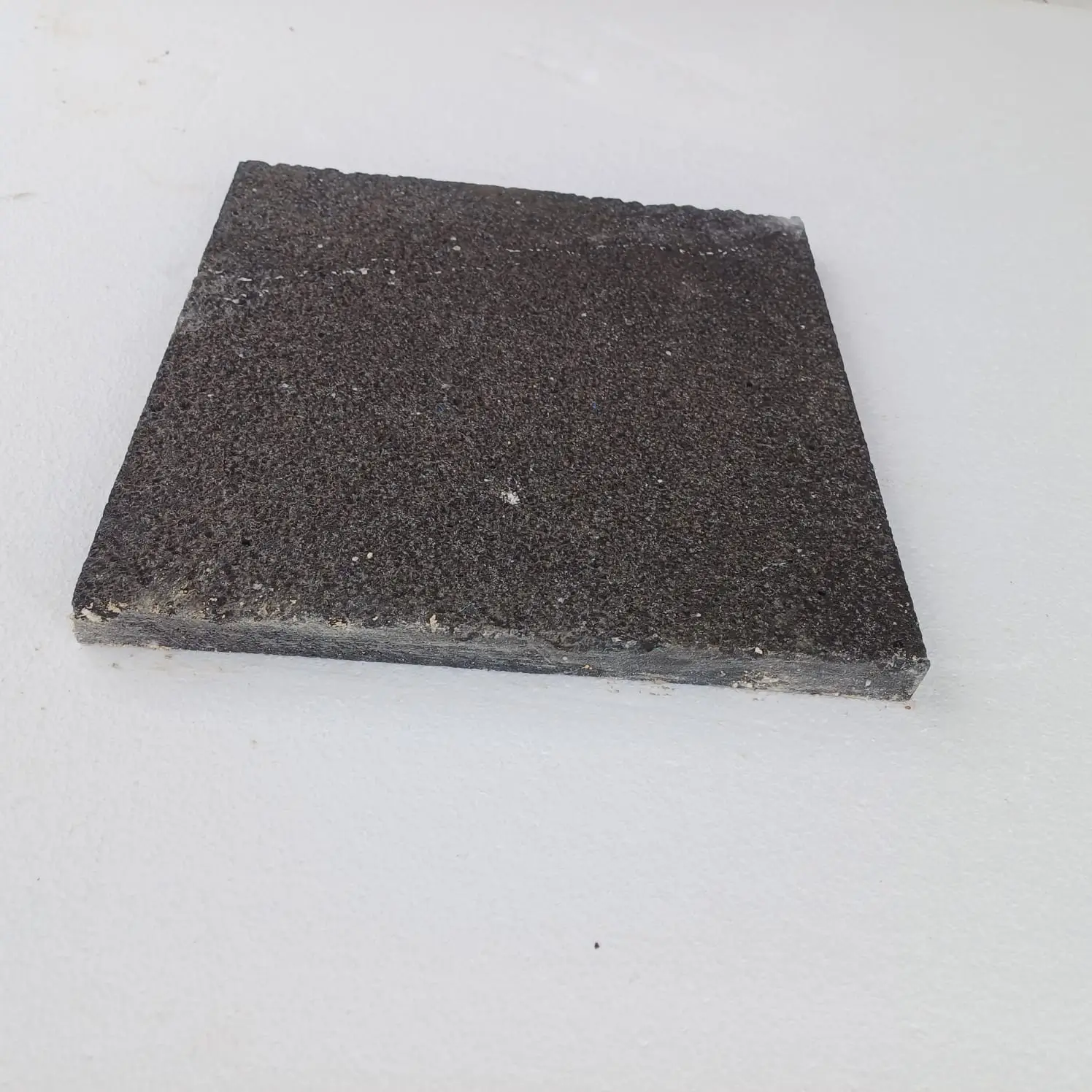
Pathway design is where irregular bluestone truly earns its place in Arizona landscape work. The stone’s non-uniform shapes allow you to create meandering paths that feel excavated from the landscape rather than imposed on it — a quality that’s genuinely difficult to achieve with cut stone or concrete pavers. Your path should read as a series of visual pauses, not a corridor.
The practical approach is to dry-lay your stones before any bedding work and photograph the arrangement from the exact viewpoints your clients will encounter most — the kitchen window, the master bedroom slider, the entry gate. What looks natural at ground level during installation sometimes reads as chaotic from interior sightlines. You’ll want your largest stones oriented to anchor the path at decision points — entries, turns, intersections with planting beds — and your smallest fills used in the interior of curves where they reinforce the flow direction. This kind of irregular stone paving inspiration across Arizona pathway projects consistently rewards the extra time spent in the dry-lay phase.
- Space path stones 2–4 inches apart with decomposed granite infill for a naturalistic desert aesthetic
- Vary stone size deliberately — a run of similarly-sized pieces looks sorted, not natural
- Use wider stones at entry points to signal transition from one zone to another
- Orient longer stone edges parallel to the path direction on straight runs to reinforce movement
- Reserve your most textured, visually interesting pieces for seating areas and destination points
Courtyard Mosaic Patterns for Hacienda-Style Homes
Arizona’s hacienda and Spanish Colonial architectural traditions create one of the most rewarding contexts for irregular bluestone paver design because the style already celebrates handcrafted, non-uniform surfaces. Fired terracotta, hand-plastered walls, wrought iron — all of these carry an inherent randomness that bluestone’s irregular format mirrors in the horizontal plane.
For courtyard installations in this style, consider a rosette or radial layout anchored around a central fountain or specimen tree. This is labor-intensive work — you’re essentially doing a puzzle in stone — but the result looks genuinely artisanal rather than manufactured. Your installer needs to pre-sort stones into size categories and work outward from the center point, dry-fitting each ring before setting. The irregular edges actually make the radial geometry more forgiving than cut stone would be, because small gaps can be adjusted with gravel infill rather than requiring re-cutting. For projects connecting bluestone ideas across different outdoor zones, our irregular bluestone ideas for Arizona covers additional layout approaches worth considering alongside these courtyard concepts.
- Select a consistent thickness range (1.5–2.5 inches) across all stones to minimize trip hazards in a radial pattern
- Use a darker mortar joint to emphasize the mosaic effect and hide variation
- Seal with a penetrating sealer rather than a topical coating to preserve the matte, aged quality
Pool Surround Integration with Natural Stone Aesthetics
Pool surrounds represent one of the highest-value applications for irregular bluestone in Arizona, and also one of the most technically demanding. The combination of foot traffic, water exposure, and intense UV means your material and installation choices carry real consequences. Bluestone’s natural surface texture — particularly in its cleft-face form — provides slip resistance values that typically meet or exceed ASTM C1028 requirements without additional mechanical treatment.
The design opportunity is substantial. Your irregular stone layout can create a naturalistic pool edge that looks as though the water emerged from a rocky landscape feature rather than a constructed vessel. This works particularly well with freeform pool shapes and when you extend the stone palette into adjacent retaining features or raised planters. Natural stone outdoor aesthetics across AZ desert homes reach a particularly high expression in pool surround applications, where the material’s thermal mass, texture, and tonal range all come into play simultaneously.
In Gilbert, where residential lot sizes often allow for generous backyard entertainment zones, this kind of integrated stone landscape design has become a benchmark for high-value outdoor living projects. One detail that often gets value-engineered out and shouldn’t be: coping stone selection. Your irregular bluestone field pavers should connect visually to your coping profile, even if the coping itself is a different cut format. Matching the material while varying the format creates cohesion without monotony — the coping reads as the refined edge of the same stone story.
Entertainment Terrace Layouts for Arizona Outdoor Living
Arizona’s climate extends outdoor living well beyond the summer months, and entertainment terraces carry serious daily use from October through May. Your irregular stone paving for a terrace context needs to balance the casual naturalism of the format with the functional reality that outdoor furniture, foot traffic in dress shoes, and rolling carts all demand a reasonably even surface.
The specification that resolves this tension is a tighter size range for terrace field stones — working within a narrower band of thickness variation (say, 1.75–2.25 inches rather than 1–3 inches) and selecting pieces with flatter overall profiles. You can still maintain the irregular edges and varied surface texture that make bluestone paver design ideas in Arizona distinctive, but the surface-to-surface height differential stays manageable. Arizona landscape design with bluestone pavers reaches its highest expression when the installation is both visually compelling and genuinely comfortable to navigate barefoot or in heeled footwear.
- Specify a maximum height differential of 3/8 inch between adjacent stones for terrace applications
- Plan for outdoor furniture leg placement — avoid irregular joints directly under dining areas where chair movement is constant
- Consider a larger format, flatter stone as an inset “furniture pad” within the irregular field for dining zones
- Verify warehouse stock of your selected stone for the full terrace area before committing dimensions to design drawings
Front Entry Statement Design
The front entry application for irregular stone paving demands a different design logic than back-of-house terraces or garden paths. Here, the stone is working as an architectural statement visible from the street, subject to the composition rules of facade design rather than garden naturalism. Irregular bluestone paver design ideas in Arizona for front entries work best when the stone field is contained by clean geometry — a rectangular porch slab, a defined rectangular path corridor — within which the irregular pattern operates.
Think of it as a formal frame around an informal composition. The contrast between the precision of your edging, step risers, and entry borders against the random interior pattern creates visual interest without reading as unfinished. Your stone selection for entries should also prioritize consistent coloration — the entry elevation is seen from distance and from multiple angles, so dramatic color variation within the field can look unintentional rather than curated. Bluestone’s natural color variation is an asset in garden paths and pool surrounds; at the entry facade, tighter color consistency reads better.
Multi-Zone Design Transitions Across the Outdoor Floor Plane
One of the most sophisticated applications of irregular stone paving inspiration across Arizona landscapes is using the stone as a connective material that flows between multiple outdoor zones — linking a covered patio, an open sun terrace, a pool deck, and garden paths into a single coherent landscape floor. The irregular format actually makes transitions between zones easier to handle than cut stone, because the organic edges absorb the geometry shifts naturally.
In Peoria, where lot configurations often create irregular outdoor zone shapes that don’t align conveniently to a grid, this multi-zone approach with irregular bluestone as the connecting material has proven particularly effective for landscape designers working with challenging site geometries. The key design decision is whether to maintain a continuous stone field across zones (which maximizes cohesion but requires careful drainage planning) or to use defined transition edges between zones that share the same material but articulate different spatial functions.
- Use stone density — tighter joints in formal zones, wider decomposed granite joints in garden zones — to signal spatial transitions without changing materials
- Plan drainage slopes across each zone independently, even within a continuous stone field
- Consider stepping down in stone size as you move from primary entertainment areas to secondary garden paths
- Coordinate with your installer on truck access across the full site before finalizing zone sequencing — delivery logistics affect which zones get installed first
Vertical Surface Integration and Stone Continuity
Arizona landscape design with bluestone pavers reaches its fullest expression when the horizontal floor plane connects to vertical stone features — retaining walls, raised planter faces, outdoor kitchen surrounds, or fire feature bases. The irregular format of the pavers can inform the coursing of adjacent vertical stone work in ways that create genuine material continuity rather than a “matched set” look from a catalog.
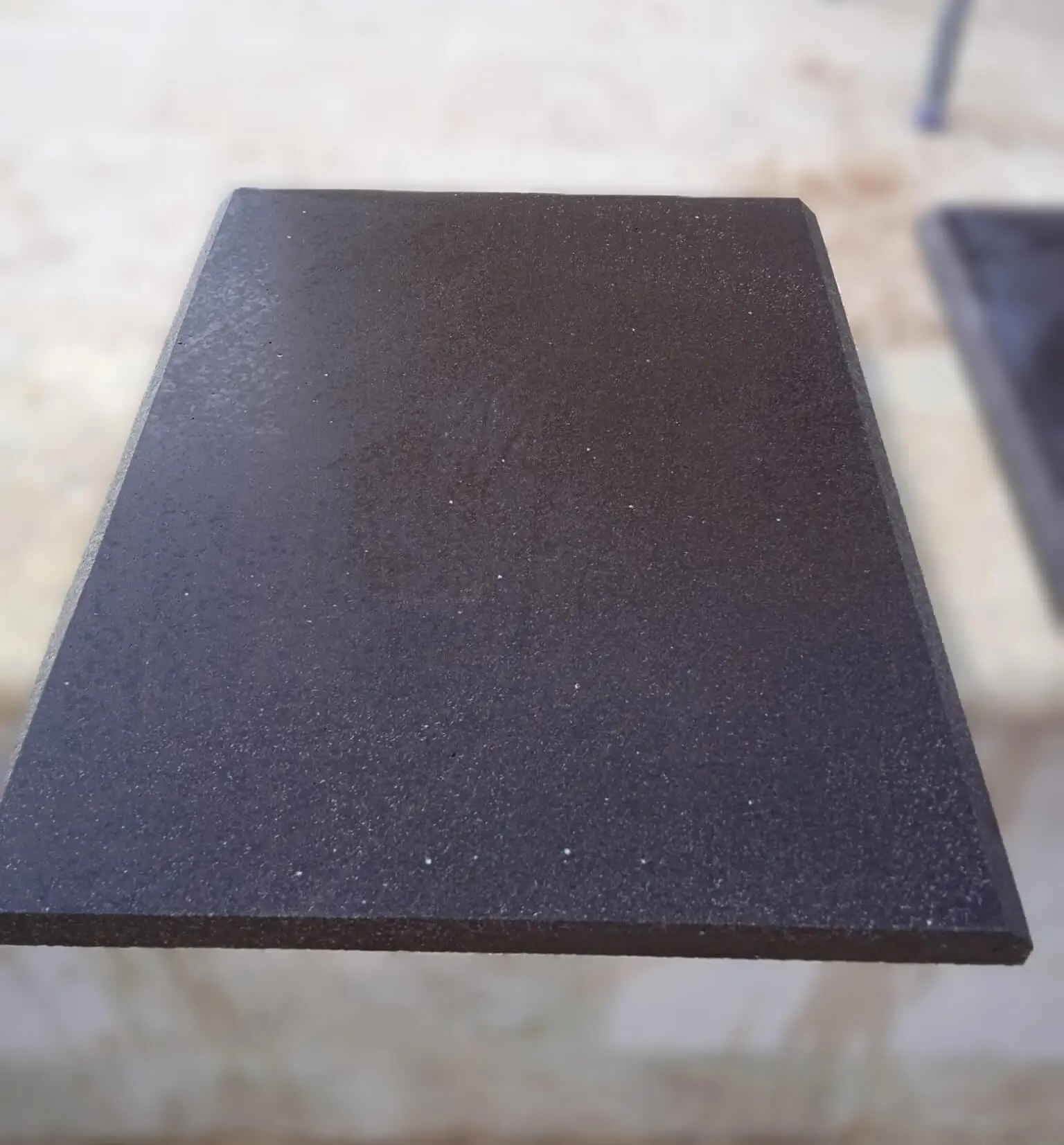
The design principle here is material unity without repetition. Your horizontal field uses irregular shapes laid flat; your vertical surfaces can use similarly-toned stone in a random ashlar pattern that echoes the horizontal randomness in a different plane. The coloration bridges the two surfaces while the format differentiates them by application. This approach requires close coordination between your stone supplier and your designer — At Citadel Stone, we recommend reviewing material samples from actual warehouse inventory rather than photographs when coordinating horizontal and vertical applications, because lot-to-lot color variation in natural stone means the sample you approved three months ago may not match the truck delivery on site today.
- Select vertical stone from the same quarry origin as your horizontal pavers to ensure tonal compatibility
- Accept some color variation as natural — matching too precisely makes the installation look artificial
- Use the same mortar joint color across horizontal and vertical applications to unify the composition
- Detail step nosings in a thicker-profile bluestone piece to read as a distinct architectural element connecting the two planes
Final Perspective on Irregular Bluestone Paver Design in Arizona
Irregular bluestone paver design in Arizona is most successful when it’s driven by landscape design logic — how the stone reads within the broader plant palette, architectural character, and spatial sequence of a property — rather than by material specification alone. The seven ideas above represent the most consistently strong design moves across project types ranging from hacienda courtyards to contemporary desert-modern pool surrounds, but each one works because it starts with the question of how the stone serves the design, not just how it performs.
Your best results come from selecting stone with real color range awareness, understanding how the irregular format interacts with your specific outdoor zones and use patterns, and working with suppliers who can speak to actual warehouse inventory rather than catalog imagery. The natural stone outdoor aesthetics achievable across AZ desert homes are significantly shaped by these sourcing and planning decisions made well before installation begins. If you’re moving from design concept into installation planning, Installing Irregular Pavers Arizona? Here Is How to Fix It addresses the field-level decisions that determine whether your carefully designed layout actually lands the way you envisioned it on site. In Mesa, Gilbert, and Peoria, Citadel Stone irregular bluestone pavers sourced from established quarry partners across multiple continents are selected for their natural color variation, which integrates with Arizona’s desert landscape palette without additional finishing treatments.