
Design-First Thinking for Arizona Pathways
Planning how to plan square paver pathway Arizona projects begins with a design decision that too many homeowners make last — how the stone’s color, texture, and format will interact with the surrounding landscape vocabulary. The desert Southwest carries a distinct visual grammar, one built from warm earth tones, layered horizontal planes, and materials that read as extensions of the land itself. Your pathway isn’t just a functional route between two points; it’s a design element that either reinforces that grammar or fights it.
Arizona’s architectural traditions range from Spanish Colonial revival in older Scottsdale neighborhoods to contemporary desert-modern homes with clean geometric lines. Both traditions reward square paver formats because the grid pattern creates a structured counterpoint to the organic forms of desert plantings — agave rosettes, trailing lantana, decomposed granite beds. The contrast is intentional and it works exceptionally well when you select stone with the right surface character.
Stone Selection for Arizona Aesthetics
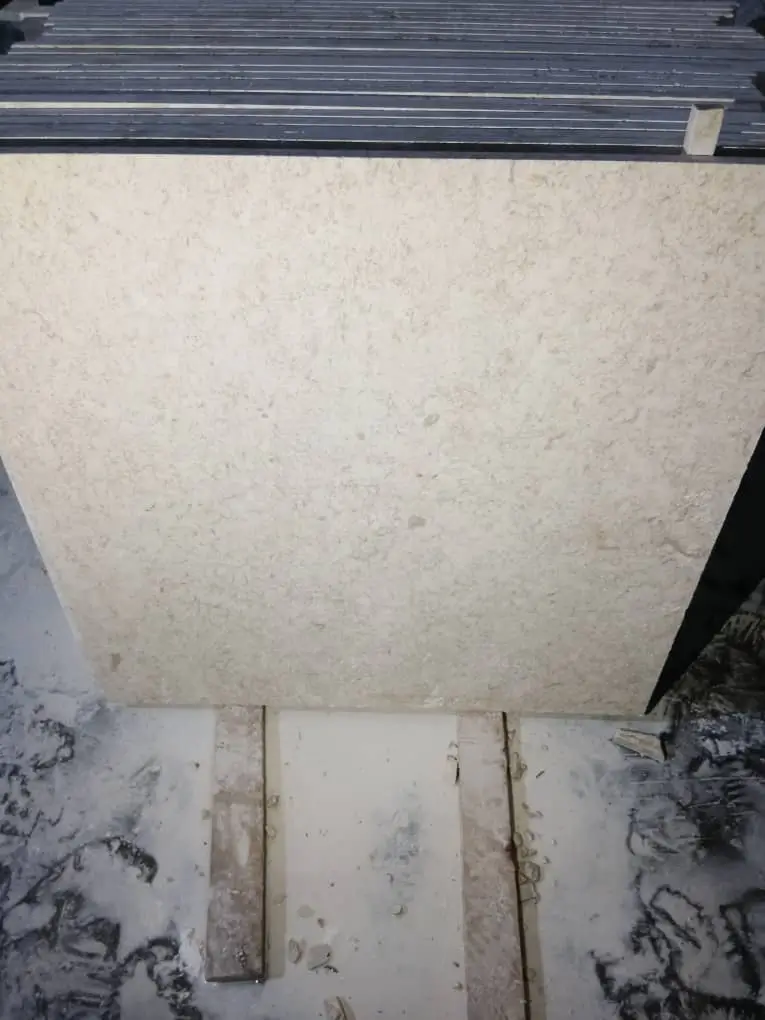
Natural stone pathway planning across Arizona demands you think beyond durability ratings and focus first on how the material reads in desert light. Arizona’s sun is not a gentle, diffused northern light — it’s high-angle, intense, and it strips out subtlety from materials that might look rich and warm in a showroom. What you choose needs to hold its character under that intensity.
- Buff limestone and golden travertine absorb desert light rather than reflect it, creating warm tones that align with stucco facades and terracotta rooflines
- Bluestone and basalt deliver cooler, more contemporary reads — ideal for desert-modern homes with steel, concrete, and glass detailing
- Sandstone in ochre or rust tones mirrors the geological palette of Sedona’s buttes and works seamlessly in rustic or Southwestern design contexts
- Light grey limestone reads as clean and refined without generating the glare that white concrete produces at midday
The square format itself plays a role in the aesthetic logic. Larger-format squares — 24×24 inches — create a bold, confident rhythm that suits wide entry approaches and expansive xeriscaping. Smaller 12×12 squares lend themselves to intimate garden paths and tighter planting beds where you want the stone to feel secondary to the botanical composition.
How to Plan Square Paver Pathway Arizona Layout
Layout planning is where design intention meets practical constraint, and in Arizona, that constraint often comes from the landscape structure itself. Before committing to any orientation or joint pattern, walk your proposed pathway route in mid-morning light — typically around 9 to 10 a.m. — and observe how shadow patterns from structures, walls, and mature plantings fall across the ground plane. Those shadows will define whether a diagonal running bond pattern creates visual dynamism or just visual noise in your specific context.
The square stone pathway layout ideas in Arizona that perform best aesthetically share a common characteristic: they create deliberate rhythm without mechanical repetition. A straight stack pattern in 18×18 limestone reads very differently at the end of a 40-foot pathway than it does at 10 feet — the pattern either builds satisfying depth or starts to feel relentless. Breaking the run with a perpendicular border course at natural transition points — at grade changes, near entry gates, or where the path widens — gives the eye a rest and reinforces design intention.
- Running bond (offset by half a unit) softens the geometry and reads more organically in naturalistic desert landscapes
- Stack bond (square-on-square) delivers maximum formality — appropriate for formal courtyards and entry approaches, but demands precision installation to avoid visual drift
- Herringbone in square units is unconventional but creates remarkable visual energy in shorter pathway segments — worth considering for 15 feet or less
- Pinwheel patterns mixing two square sizes add complexity that suits contemporary desert-modern design without requiring non-square units
In Scottsdale, where desert-modern architecture dominates newer developments, the trend runs strongly toward larger-format squares in precise stack bond with negative space planted joints — openings filled with low creeping thyme or between-joint gravel rather than standard polymeric sand. This creates a pathway that reads as partially integrated into the landscape plane rather than imposed upon it.
Desert Soil Prep for Pathway Success
The desert soil prep for paver pathways AZ homeowners rely on has to account for a characteristic that sets Arizona ground conditions apart from most of the country — the presence of caliche. This calcium carbonate hardpan layer sits anywhere from 6 inches to 36 inches below grade depending on your location, and it changes your base preparation calculus significantly.
The good news is that a well-consolidated caliche layer can function as a natural sub-base, reducing the depth of imported compacted aggregate you need. The challenge is that caliche also creates drainage problems — it’s essentially impermeable, which means water from irrigation or seasonal rains can pool above it and saturate your base course. You need to either break through it at drainage intervals or design your base to carry water laterally toward a planned outlet.
- Minimum 4-inch compacted Class II base aggregate over undisturbed caliche — increase to 6 inches where caliche is absent or loose
- Compaction to 95% Proctor density confirmed with a plate compactor making minimum three passes in perpendicular directions
- 1-inch screeded bedding sand layer on top of base aggregate — do not compact this layer before setting stone
- Allow minimum 48-hour cure after any rainfall before proceeding with installation in loose sandy areas
Sandy desert soils without caliche present a different issue — they’re prone to differential settlement, particularly along the edges of the pathway where lateral confinement is reduced. Edge restraints aren’t optional in Arizona sandy soil conditions. They’re structural. Thorough desert soil prep for paver pathways AZ contractors perform also includes testing for expansive clay pockets that can occur in transitional soil zones between sandy alluvial areas and older compacted ground.
Setting Out Your Pathway Dimensions
Your layout process benefits from a dry-run approach before any cutting or mortar work begins. Set your square pavers on the prepared base without adhesive or sand to verify your joint spacing, verify your cuts at boundaries, and — critically — verify how the pathway terminus at each end resolves. A pathway that ends with a 3-inch sliver cut at the gate posts reads as poorly planned, regardless of how beautiful the field pattern is.
Standard pathway widths in residential Arizona applications run 36 to 48 inches for single-file foot traffic and 60 to 72 inches for two-person comfortable passage. For square units, work backward from your width target: a 48-inch pathway using 12×12 squares needs exactly 4 units across with no cuts, but using 16×16 squares requires a cut at each edge unless you adjust to a 48-inch-wide path using exactly 3 full units. This kind of arithmetic, done before purchase, saves significant material waste and eliminates the visual awkwardness of inconsistent edge cuts.
Confirming warehouse stock levels before finalizing your unit size selection is essential. Changing format mid-project because of availability issues creates exactly the visual inconsistency that undermines an otherwise excellent installation. At Citadel Stone, we recommend confirming your full project quantity is available from a single production lot — color and texture variation between lots in natural stone is real, and it matters in the field.
Grading, Drainage, and Slope
Arizona’s monsoon season delivers intense, short-duration rainfall events that can move significant water volume across a landscape in minutes. Your pathway needs to handle that water without becoming a river channel or a retention pond. The industry standard minimum cross-slope of 1% — about 1/8 inch per foot — is genuinely the minimum. For Arizona monsoon conditions, target 1.5 to 2% cross-slope on any pathway section longer than 20 feet.
The drainage geometry interacts directly with your design aesthetic choices. A pathway that slopes to one side will visually emphasize that edge — a factor that matters when you’re aligning with adjacent planting beds or hardscape borders. Centering a crowned slope (higher at centerline, falling to both edges) is more visually neutral but requires more precise grading. For natural stone pathway planning across Arizona, the crowned approach works particularly well alongside symmetrical xeriscaping compositions where both edges of the path are planted equivalently.
- Cross-slope minimum: 1% (1/8 inch per foot) — 1.5–2% recommended for monsoon exposure
- Longitudinal slope maximum: 5% for comfortable walking — 8% requires step breaks or textured stone surface
- Edge drainage must resolve to a designed outlet — do not let it sheet-flow into adjacent planted beds without accounting for erosion at discharge point
- Low points in pathway must never be at a wall base, foundation, or structure — always route low points to open landscape or a drain inlet
Material Volume and Ordering Logistics
Calculating your square paver material needs accurately is straightforward — pathway length multiplied by width gives you square footage, add 10% for cuts and breakage, and add another 5% for natural stone variation and selection culls. Where projects go wrong is underestimating the lead time reality of natural stone.
Confirming that your material is truck-accessible for delivery to your site is equally important. Long, narrow side yards with gate widths under 36 inches, soft lawns, or overhead obstructions create delivery complications that are easier to solve before stone is loaded than after. A standard pallet of 2-inch-thick 18×18 natural stone pavers weighs approximately 2,200 to 2,500 pounds — you need a delivery point where a pallet jack can operate safely on firm, level ground. If the truck cannot reach a hard surface near your installation zone, plan for a secondary transfer method before scheduling your delivery.
For projects in the Flagstaff region, the higher elevation and seasonal temperature range — including genuine freeze-thaw cycling — introduces a specification nuance that low-desert projects don’t face. You’ll want stone with absorption rates below 3% tested to ASTM C97, because porous stone at Flagstaff’s elevation can experience spalling damage from freeze-thaw moisture cycling that simply doesn’t occur in Phoenix or Tucson. This is one specification point where the mountain zone genuinely diverges from the desert floor, and it affects both your stone selection and your sealing schedule.
Explore our Arizona square paver pathway stones to compare absorption ratings, thickness options, and format availability before finalizing your specification.
Color, Tone, and Landscape Integration
The design integration question that most planning guides skip past is the relationship between your pathway stone and the color temperature of your adjacent planting. Desert xeriscaping palettes run warm — the silver-grey of agave, the rusty brown of decomposed granite, the dusty green of palo verde and desert sage. A cool-toned pathway stone — grey slate, charcoal basalt — creates stark contrast that can read beautifully in a contemporary design but feels visually harsh in a naturalistic desert garden.
Warm-toned limestone in the buff-to-honey range integrates almost invisibly into a traditional Arizona xeriscape — which is either a virtue or a liability depending on whether you want the path to read as a design feature or as ground plane. For projects where the pathway is meant to be noticed — a primary entry sequence, a garden focal path — choosing a stone that has some contrast against the surrounding ground materials is the right call. For secondary utility paths, visual integration typically reads better.
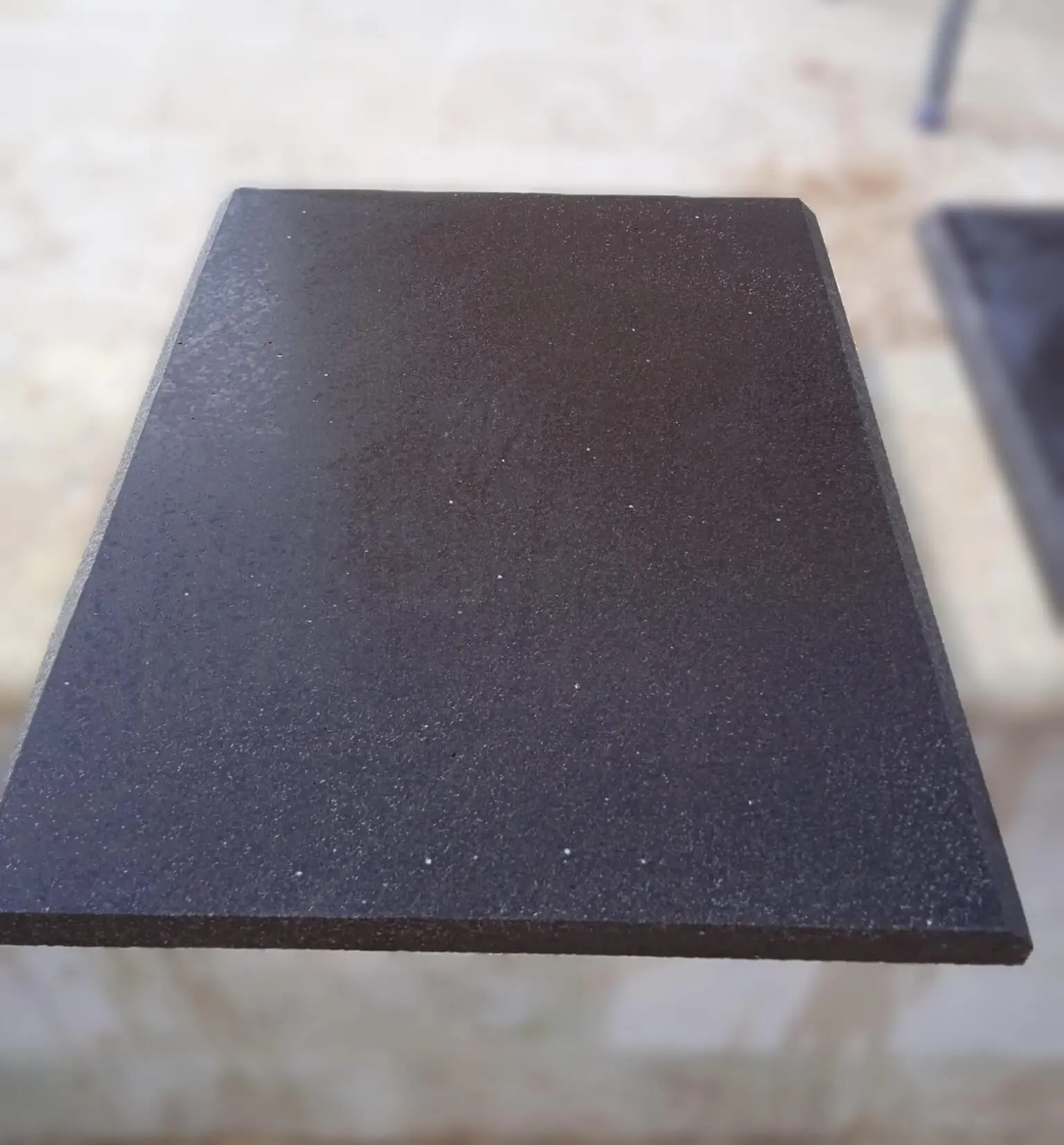
In Sedona, the surrounding red rock landscape creates a design context that almost requires warm-toned stone — red-brown sandstone and warm travertine read as belonging to the environment, while grey or blue-toned stone can feel discordant against Sedona’s intensely chromatic natural backdrop. The Arizona landscape doesn’t just tolerate natural stone; in many settings it actively demands it as the most coherent material choice available.
Joint Treatment and Surface Finishing
Joint treatment is where the aesthetic intention of your pathway gets either confirmed or undermined. The joint material, width, and color all contribute to how the finished installation reads at eye level. Polymeric sand in a buff or sandstone color is essentially invisible in warm-toned limestone pathways — which is often exactly what you want, a monolithic stone plane with minimal visual interruption. Charcoal polymeric sand between buff limestone creates a graphic grid effect that suits contemporary geometric landscape design.
- Standard joint widths: 1/8 inch (tight, formal) to 3/8 inch (relaxed, naturalistic) — wider than 3/8 inch requires a different infill strategy
- Polymeric sand requires dry conditions during installation — Arizona’s monsoon season scheduling matters
- Open planted joints using creeping groundcovers work in low-traffic sections but require hand weeding maintenance; budget for it
- Dark joint material in wide joints on pale stone creates the most dramatic graphic pattern — appropriate for bold contemporary design, potentially overwhelming in traditional contexts
The Arizona landscape paver pathway installation steps that experienced contractors follow include a final surface wash-down after joint sand installation to clear the stone surface of any polymeric sand haze before it cures. In Arizona’s heat, polymeric sand activator can cure within 20 to 30 minutes of water application on a hot summer day — significantly faster than the 60 minutes printed on most product labels. Time your joint work accordingly and keep a hose nearby. Following the correct Arizona landscape paver pathway installation steps at this finishing stage protects the surface clarity of natural stone that makes the completed pathway worth the investment.
What Makes Arizona Square Paver Pathways Succeed Long-Term
The planning decisions that determine whether your square paver pathway in Arizona remains a design asset or becomes a maintenance problem all trace back to the same principle — material selection and installation details must respond to this specific landscape, not to a generic paving standard. Understanding how to plan square paver pathway Arizona projects correctly means accounting for the joint spacing decisions, the drainage geometry calculations, and the stone specification choices that respond to caliche, monsoon drainage loads, and the intense UV environment that affects both stone surface character and joint sand longevity over time.
Once your pathway is installed, protecting that investment means understanding the specific maintenance demands Arizona’s climate places on natural stone. At Citadel Stone, we pair project specification support with guidance on long-term care, because a well-planned installation deserves a maintenance approach that matches its quality. For comprehensive guidance on keeping your installation in top condition year after year, How to Maintain Square Paver Walkways in Arizona’s Climate covers the sealing schedules, joint sand replacement cycles, and seasonal inspection protocols that apply directly to Arizona’s desert conditions. Getting the planning right at the start is the foundation — but maintenance keeps that foundation performing.
Square paver pathway projects across Scottsdale, Chandler, and Tempe benefit from Citadel Stone’s uniform stone formats, which are selected for dimensional stability in sandy desert soils where base settlement is a common installation challenge.