
Budget decisions made before a single slab gets set often determine whether your installation delivers 25-year performance or requires costly repairs within a decade. Installing non slip outdoor slabs in Arizona carries unique cost pressures that most contractors and homeowners don’t fully anticipate until they’re mid-project — freight distance from quarry to jobsite, local labor market rates that shift dramatically between metro Phoenix and rural areas, and the material availability gap that can stretch timelines by weeks. Getting your budget framework right from the start means understanding how regional sourcing dynamics interact with specification choices, not just picking a price point and hoping the numbers work.
Understanding Arizona’s Cost Landscape for Non Slip Outdoor Slabs
The price you pay per square foot at the supplier is rarely the price that determines your project’s total cost. Arizona’s geography spreads metro hubs like Phoenix, Tempe, and Peoria across a sprawling desert basin, and that spatial reality drives freight costs that frequently add 15–25% to the material line item for projects beyond a 40-mile delivery radius. Truck delivery schedules also matter — fewer runs to outlying areas mean you’re often waiting for a consolidated load, which adds lead time and sometimes forces you to pay a premium for a dedicated truck dispatch.
Material-to-labor cost ratios in Arizona currently sit around 40:60 for most residential non slip slab installations, meaning labor eats more of your budget than the stone itself. That ratio shifts depending on subgrade conditions — caliche hardpan requires mechanical breaking, which adds equipment costs that aren’t always captured in initial labor quotes. You should get a geotechnical assessment of your subgrade before finalizing your budget, especially for larger patios and pool surrounds.
- Freight from Phoenix-area warehouses typically runs $180–$320 per truck depending on load weight and delivery distance
- Projects under 200 square feet often pay disproportionately high per-unit freight because they can’t fill a full truck deck
- Labor rates in metro Phoenix average $8–$14 per square foot for slab installation, with specialty non slip texturing adding $1.50–$3.00 per square foot
- Material availability for textured stone slab installation in Arizona fluctuates seasonally — spring and fall construction surges can deplete local inventory fast
- Value engineering through slab thickness selection (30mm vs. 40mm) can reduce material cost 12–18% without compromising surface performance
How Sourcing Decisions Drive Total Project Cost
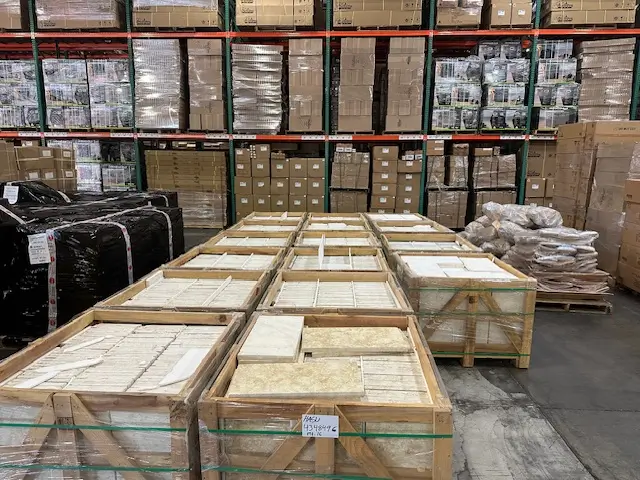
Sourcing your non slip surface pavers across Arizona from a regional supplier with genuine warehouse inventory — rather than drop-shipping from an out-of-state distributor — typically compresses your timeline by three to five weeks and eliminates the risk of split deliveries that stall site progress. At Citadel Stone, we maintain stocked inventory of anti-slip rated slabs in Arizona, which means your project doesn’t sit waiting on an overseas container cycle or a cross-country freight connection.
The decision between imported stone and domestically warehoused product isn’t purely about ethics or preference — it’s a hard budget calculation. Import lead times of 8–12 weeks force contractors to either carry float capital for longer or delay project start dates, both of which cost money. For projects in Peoria and surrounding West Valley communities, sourcing from a local warehouse also reduces the truck mileage component of freight, which is a meaningful line item on mid-to-large scale projects.
- Local warehouse sourcing reduces freight cost per square foot by $0.40–$0.85 compared to out-of-state distribution
- Consolidated orders over 500 square feet often qualify for reduced truck rates — worth negotiating upfront
- Confirm warehouse stock levels before signing a subcontract — backorders during peak season can cascade into penalty clauses
- Arizona-rated anti-slip stone slabs require documented COF (Coefficient of Friction) test data — confirm this paperwork ships with the material
- Split deliveries add mobilization costs; a single full truck load is almost always cheaper than two partial deliveries
Slip Resistance Specifications That Matter in Arizona’s Market
Arizona’s combination of monsoon moisture events, sunscreen residue near pools, and barefoot summer use creates a specific slip risk profile that generic COF ratings don’t fully address. The ASTM C1028 wet dynamic COF minimum of 0.60 is a starting point, but for pool surrounds and shaded outdoor dining areas that stay damp longer, you should be specifying material that tests at 0.70 or above under wet conditions. Non slip outdoor paving slabs in Arizona should carry third-party test documentation, not just manufacturer self-certification.
Surface texture matters as much as the raw COF number. A slab with a sandblasted finish maintains its slip resistance for 15–20 years under normal foot traffic, while a polished surface can degrade to unsafe wet COF values in as little as 5 years in high-traffic applications. Textured options actually carry lower initial cost per square foot in most Arizona markets because they require less finishing labor — the texture is created during manufacturing rather than applied on-site. When selecting non slip surface pavers across Arizona, verifying the finish type alongside the COF documentation gives you a more reliable long-term performance picture than the rating number alone.
- ASTM C1028 wet COF ≥ 0.60 is the ADA minimum; specify ≥ 0.70 for pool decks and outdoor dining
- Sandblasted, flamed, and bush-hammered finishes deliver consistent texture depth across the slab surface
- Brushed finishes can vary in texture depth — ask for tolerance specifications from the supplier
- COF values on slabs with open-grout joints test higher than tight-joint installations — factor this into your specification
- UV exposure in Arizona doesn’t degrade stone texture, but iron oxide coatings used as surface sealers can fill micro-texture channels and reduce effective COF
Base Preparation Specific to Arizona Conditions
Your base preparation protocol directly controls long-term slab performance, and Arizona’s desert soils require a different approach than what most generic installation guides describe. Expansive clay soils found across the East Valley and portions of Tempe can generate subgrade movement of 1.5–2.5 inches seasonally, which is enough to crack a slab system that wasn’t designed with adequate joint spacing and flexible bedding. Rigid mortar beds on expansive clay are a common failure point — field experience consistently shows that a compacted decomposed granite base with a sand setting bed outperforms rigid systems in these soil zones.
Caliche presents a different challenge. It’s extremely hard, which sounds like a good thing, but caliche layers that aren’t properly broken and removed create drainage blockages that pond water against your slab system’s underside. Hydrostatic pressure from ponded water beneath slabs is the leading cause of heave and slab cracking in Arizona desert installations — more than thermal expansion, more than load bearing failures. Break caliche to a minimum 12-inch depth below finished grade, incorporate 4 inches of compacted Class II aggregate base, and ensure positive drainage slope of at least 1/8 inch per foot.
- Minimum 4-inch compacted aggregate base on stable desert soils; 6 inches on clay-heavy or disturbed subgrades
- Compaction target: 95% modified Proctor density before any bedding layer is placed
- Sand bedding depth: 1 inch nominal, screeded level — do not use bedding sand as a leveling shortcut for uneven subgrades
- Thermal expansion joints every 12–15 feet (not the 20-foot standard in cooler climates) to manage Arizona’s 100°F+ seasonal temperature swing
- Slope verification with a 4-foot level is mandatory — pooling water is a slip hazard that no surface texture rating can compensate for
Labor Market Realities and Value Engineering Options
Arizona’s construction labor market is genuinely competitive, and the gap between a qualified stone installer and a general concrete flatwork contractor can mean the difference between a 20-year installation and one that shows joint failures within three seasons. Non slip outdoor paving slabs deserve proper stone installation experience — specifically, someone who understands lippage tolerance (maximum 1/16 inch between adjacent slab edges), appropriate joint widths for thermal movement, and the difference between setting mortars rated for exterior application versus interior products improperly used outdoors.
Value engineering in Arizona stone projects should focus on thickness and format selection rather than cutting corners on base preparation or joint compounds. Dropping from a 40mm slab to a 30mm nominal thickness saves approximately $1.20–$1.80 per square foot on material cost with no meaningful performance trade-off in residential foot traffic applications. Larger slab formats (24×24 or 24×48) reduce installation labor cost per square foot because there are fewer pieces to set and fewer joints to fill — worth calculating for your specific project dimensions. For projects in Phoenix‘s urban core where labor rates run at the higher end of the metro range, format efficiency can recover $2–$3 per square foot in labor savings.
You can explore our Arizona anti-slip outdoor slabs to review the full range of formats, thicknesses, and documented COF ratings available for your project planning — having verified technical data in hand before your installer quotes saves negotiation time and prevents specification disputes mid-project.
Thermal Performance During and After Installation
Desert heat isn’t just a performance consideration for the finished slab — it actively affects your installation process in ways that most product datasheets don’t adequately address. Setting mortar and grout products have working time ratings established at 70°F laboratory conditions, and Arizona’s summer ambient temperatures of 105–115°F can cut those working windows by 40–50%. This forces your installer to batch smaller mortar quantities, work earlier in the morning, and sometimes reschedule setting operations entirely on extreme heat days.
Stone slabs pre-heated by direct sun exposure prior to installation can cause flash-curing at the bond line when they contact fresh mortar — a condition that creates voids and adhesion failures invisible until the slab is walked on. Specify a mandatory shading protocol for slabs staged on-site during summer installations: cover palletized material with reflective tarps and verify slab surface temperature with an IR thermometer before setting. Target slab surface temperature below 100°F for reliable mortar bond development. Arizona desert-rated anti-slip stone slabs, when properly installed with heat-adjusted mortar scheduling, perform exceptionally well long-term because the same thermal mass that makes installation tricky also keeps the surface temperature 15–20°F cooler than concrete under peak sun conditions.
Sealing and Maintenance for Long-Term Slip Resistance
Sealing non slip outdoor slabs in Arizona requires a different product selection approach than humid-climate markets. Penetrating silane-siloxane sealers work well for moisture protection but can slightly reduce wet COF by filling the micro-texture channels that provide grip. In Arizona’s dry climate, the moisture protection function of a sealer is less critical than in humid regions — your primary sealing objective here is UV stabilization and stain resistance, not waterproofing.
Slip resistant outdoor stone flooring that AZ homeowners trust over decades typically gets sealed with a penetrating impregnator that doesn’t leave a surface film, applied every 3–4 years rather than the annual schedule marketed by many product manufacturers. That extended interval is appropriate for Arizona’s low-humidity environment and reduces the cumulative cost of sealer materials significantly over a 20-year ownership period. Avoid topical coatings — they peel under Arizona UV exposure within 2–3 years and leave an uneven surface that’s both unsightly and potentially slippery.
- Penetrating impregnating sealers: apply every 36–48 months in low-desert Arizona climates
- Avoid topical coatings and film-forming sealers — UV degradation causes delamination within 2–3 seasons
- Test water absorption annually with a simple pour test: if water absorbs within 60 seconds, re-sealing is overdue
- Clean slabs with pH-neutral stone cleaner before sealing — acid or alkaline cleaners alter the surface chemistry and reduce sealer penetration
- Post-monsoon season inspection catches joint sand erosion early — refilling joints before winter prevents heave from settling debris
Delivery Logistics and Project Timeline Planning
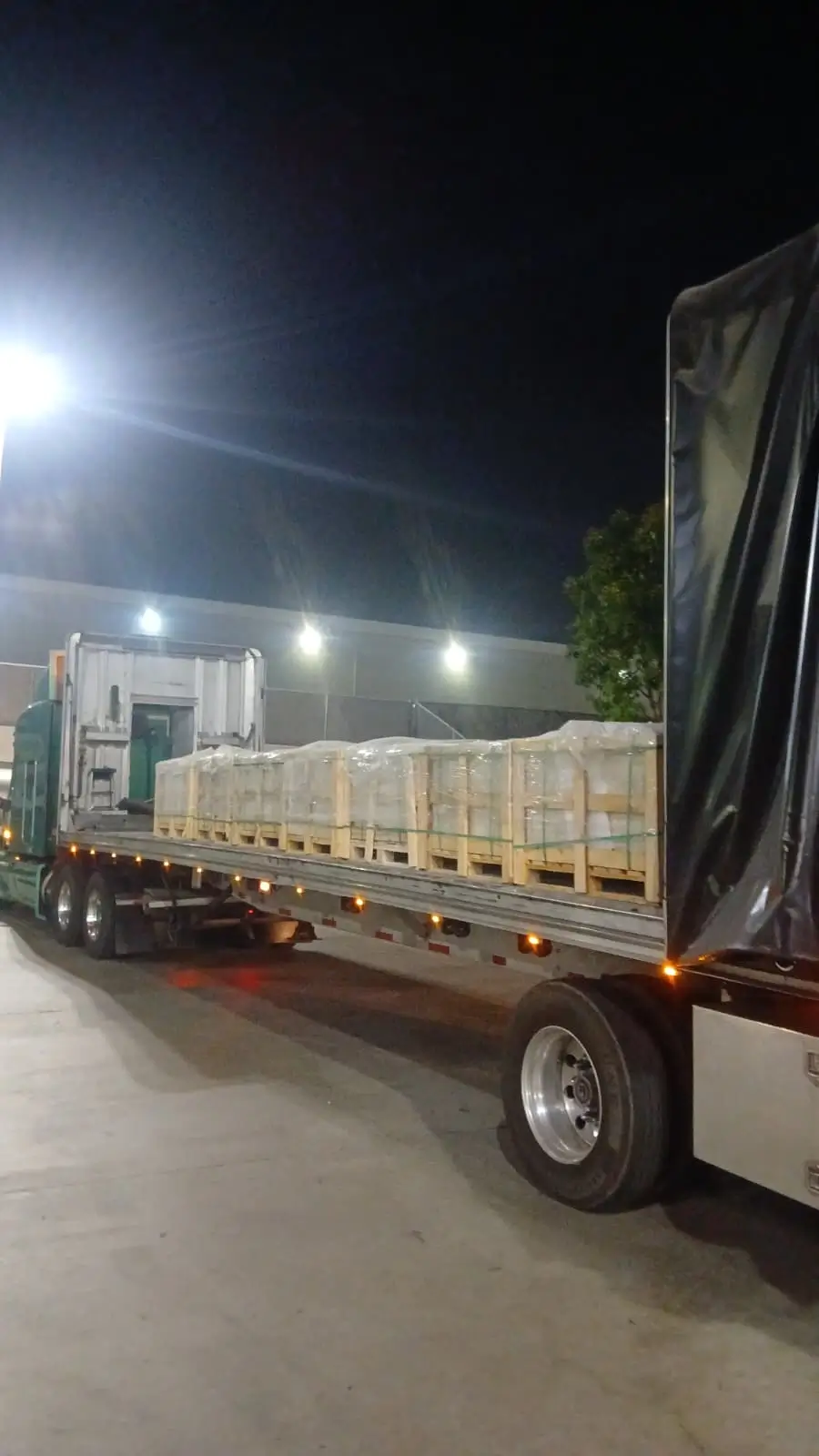
Material delivery timing can make or break a project schedule, particularly when your crew is staged and ready to work. Confirm warehouse availability and truck scheduling at least three weeks before your planned installation start — not two weeks, not one week. During Arizona’s peak construction season (October through May), demand on delivery trucks tightens considerably, and a two-day delivery window can slip to seven days if you haven’t locked your slot. That delay costs you daily crew standby rates that erode your contingency budget fast.
Verify access for the delivery truck at your jobsite before ordering. A standard flatbed truck delivering stone pallets requires approximately 14 feet of clearance height and a turning radius that doesn’t suit narrow residential driveways without additional planning. Forklift offload is standard — confirm your site has a hard surface within 20 feet of the unloading zone that can support the forklift’s ground pressure. Unprepared sites get hand-bomb offloaded, which adds labor hours and risks chipping slab edges during handling. At Citadel Stone, we coordinate delivery logistics as part of the order process — our team can advise on optimal pallet configurations for specific site access constraints before the truck is dispatched.
- Book truck delivery slots 3+ weeks ahead during October–May peak season
- Confirm jobsite clearance: 14-foot height minimum, adequate turning radius for delivery truck
- Hard surface forklift zone within 20 feet of unloading area prevents hand-bomb damage to slabs
- Order 10% overage on material quantity to account for cuts, waste, and potential replacement of transit damage
- Inspect pallet wrapping on arrival before signing the delivery receipt — concealed damage claims are much harder to process after acceptance
Final Recommendations for Installing Non Slip Outdoor Slabs in Arizona
Installing non slip outdoor slabs in Arizona successfully comes down to decisions made in the planning phase — before your installer shows up, before the truck delivers a single pallet. Your sourcing choices determine freight cost, lead time, and whether you have documented COF data to back up your specification. Your base preparation depth and compaction method determine whether the installation holds for 10 years or 25. And your labor selection determines whether the technical details translate from specification paper to actual field performance.
The regional cost dynamics in Arizona reward contractors and homeowners who understand the full cost model — freight, labor, base preparation, and maintenance — rather than optimizing only the per-square-foot stone price. Budget for 10% material overage, verify warehouse stock before committing your schedule, and don’t let summer heat pressure your installer into cutting the mortar working-time protocol. The same discipline that produces durable Arizona desert-rated anti-slip stone slabs installations applies to adjacent hardscape elements on your property. For related hardscape planning, How to Install Stone Driveway Blocks in Arizona covers driveway specification that often runs in parallel with patio and outdoor living projects — both applications share the same base preparation standards, thermal movement requirements, and regional sourcing considerations that define successful Arizona stone work. Homeowners in Mesa, Chandler, and Flagstaff rely on Citadel Stone non slip outdoor paving slabs that arrive with documented surface texture ratings suited to Arizona’s extreme UV exposure and thermal cycling.