
Scheduling your premium paver cost guide Arizona project around the calendar is one of the most underestimated decisions you’ll make — and it directly affects material performance, labor efficiency, and long-term joint integrity. Most buyers focus on material grades and price tiers, which matter, but the window you choose to install determines whether your investment holds up through its first decade or starts showing stress fractures by year three. Arizona’s seasonal rhythm creates hard installation boundaries that experienced contractors respect and inexperienced ones ignore at their clients’ expense.
Understanding Premium Paver Pricing in Arizona
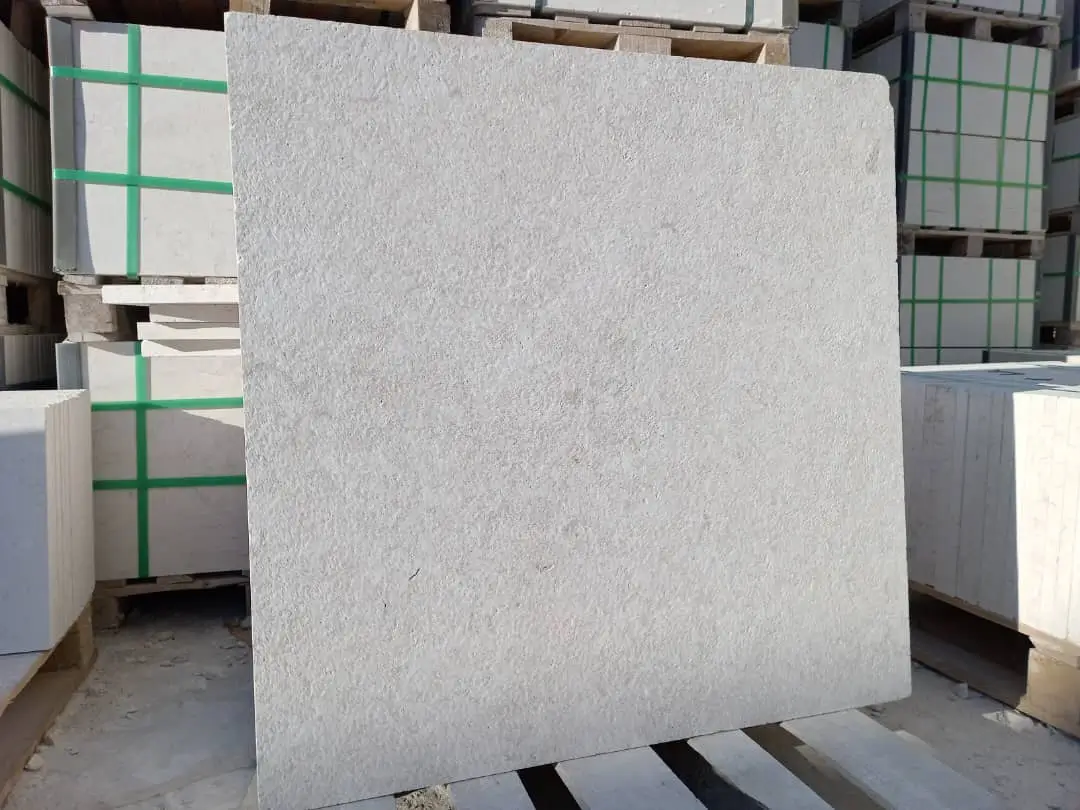
The price range for quality paver materials for Arizona homes spans a wider band than most buyers expect — typically $8 to $42 per square foot for the material alone, before base prep, labor, sealing, and delivery. That range reflects genuine differences in material density, source quarry, surface finish, and thickness, not just brand markup. Travertine, limestone, basalt, and sandstone each occupy different tiers for specific performance reasons tied directly to Arizona’s thermal and UV demands.
Entry-level premium pavers in the $8–$14 range are usually thinner-cut travertine or tumbled limestone in standard dimensions. Mid-tier options from $15–$25 per square foot include honed basalt, filled travertine in 2-inch nominal thickness, and quarried limestone slabs with more dimensional consistency. Above $25, you’re typically looking at large-format natural stone, custom-cut slabs, or imported European limestone with tight tolerances — materials where the quarry origin and cutting precision directly justify the cost difference.
- Material cost accounts for 40–55% of total installed cost on most Arizona premium paver projects
- Base preparation in caliche-heavy soils can add $3–$7 per square foot to your total budget
- Sealing adds $0.50–$2.50 per square foot depending on product and coverage rate
- Delivery logistics from warehouse to site typically run $150–$400 depending on access and distance
- High-end paver pricing across Arizona varies by region — Phoenix valley projects often see higher labor rates than Tucson or outlying areas
Seasonal Installation Timing: Arizona’s Most Critical Variable
Arizona’s climate creates four distinct installation windows, and understanding them is more valuable than any price comparison chart. The sweet spot most experienced installers target runs from mid-October through mid-March — roughly 22 weeks when morning substrate temperatures stay below 90°F and setting mortars or polymeric sands behave predictably. Outside that window, the chemistry changes in ways that directly shorten installation life for high-end paver pricing across Arizona projects of every scale.
The May through September period isn’t just uncomfortable for crews — it’s chemically problematic. Polymeric joint sand activates through moisture, and when surface temperatures exceed 130°F (which happens regularly on Arizona patios during afternoon hours in June and July), the activation process accelerates unevenly. You’ll get surface crust formation before the sand has fully locked through the joint depth, leaving a brittle cap over loose material below. That’s a failure mode that shows up 18–24 months later as joint erosion, not immediately — which is why the connection to summer installation often gets missed.
- October 15 – March 15: Optimal full-day installation window, all adhesive and jointing products perform within spec
- March 15 – May 15: Morning-only window recommended — start by 6:00 AM, wrap setting work by 11:00 AM before substrate temps spike
- May 15 – September 30: High-risk period — mortar-set applications require modified mix designs; sand-set work should be deferred if possible
- September – October 15: Transitional window — evenings cool but afternoon heat remains, early-morning scheduling still preferred
Projects in Tempe sit in an urban heat island that raises ambient temperatures 4–8°F above surrounding areas, which effectively shortens the usable morning installation window by 30–45 minutes compared to rural sites. Factor that into your contractor scheduling conversations.
Morning vs. Afternoon Work: What the Temperature Curve Actually Means
The practical difference between a 7:00 AM start and a 10:00 AM start during Arizona’s spring shoulder season is roughly 25–35°F of substrate temperature — and that gap determines whether your thinset mortar open time is 45 minutes or 12 minutes. Most setting mortar manufacturers publish open times based on 70°F conditions. That number is largely irrelevant to Arizona installations during 7 months of the year.
Your contractor should be running substrate temperature checks with an infrared thermometer before the first piece goes down. Readings above 95°F on the base material mean you need either an extended-open mortar formulation or you stop for the day. The pavers themselves will reach temperatures 20–30°F above ambient air temperature when they’re sitting in direct sun waiting to be placed — so even if the air is 88°F, your material could be at 110°F, and placing it at that temperature into setting mortar creates differential thermal stress at the bond plane the moment it cools overnight.
- Use infrared thermometers to read substrate temps — not air temp — before starting each day
- Optimal substrate temperature range for standard mortar: 50–95°F
- Above 95°F substrate: switch to extended-open modified mortar or defer installation
- Schedule cutting operations for mid-day — the noise and dust work is safer then than setting
- Pre-wet the base slab or compacted aggregate in summer months to drop substrate temps by 10–15°F before setting
How Adhesive and Jointing Products Behave in Arizona Seasons
Polymeric sand, thinset mortars, and epoxy grouts each respond differently to Arizona’s seasonal temperature swings, and choosing the wrong product for the installation window is one of the most expensive mistakes you can make on a premium outdoor paving options in Arizona project. The material cost is already substantial — a failed jointing system means you’re looking at complete joint removal and reapplication, which often costs more than the original application.
Standard polymeric sand is formulated for installation between 32°F and 90°F ambient. Arizona’s optimal installation window (October–March) keeps you inside that range reliably. What catches people off guard is the nighttime freeze risk in higher-elevation Arizona installations — a December install in a project above 3,000 feet elevation needs the same freeze-protection protocols you’d see in northern climates. For premium outdoor paving options in Arizona’s mid-elevation zones like Prescott or Payson, you should specify polymer-modified setting mortars with freeze-thaw resistance rated to at least 50 freeze-thaw cycles.
Epoxy-based jointing systems perform more consistently across temperature ranges but require mixing precision that becomes harder to maintain when ambient temperatures drop below 50°F — which happens regularly in Phoenix and Tucson between December and February during nighttime hours. If your project runs into late afternoon or you’re working during a cold snap, epoxy pot life can extend unexpectedly and leave you with joints that never fully cure to spec density.
Matching Material Selection to Your Installation Window
Here’s a connection most premium paver cost discussions skip entirely: your material choice and your installation timing are not independent decisions. Certain materials are significantly more forgiving of off-season installation than others, and that flexibility has real dollar value when you’re working against a construction schedule.
Dense basalt and hard limestone in the 2-inch nominal range are more thermally stable during installation than thinner, more porous travertine cuts. Their lower porosity means they absorb less heat during staging, reducing the temperature differential at the bond plane. Honed finishes also perform better than brushed or tumbled finishes during summer-adjacent installation periods because they shed heat faster — textured surfaces retain radiant heat in their micro-surface pockets longer.
- Basalt (density: 2.7–3.0 g/cm³): Excellent thermal stability, low porosity, forgiving of imperfect installation timing
- Dense limestone (2-inch+): Strong thermal mass, manageable in shoulder-season installs, requires proper joint allowance for expansion
- Filled travertine: Best installed in optimal window — the fill material in voids responds differently to temperature than the stone body, creating micro-stress if installed in extreme heat
- Large-format slabs (24×24 and above): Require the strictest temperature controls — thermal expansion across a 24-inch span in Arizona conditions requires expansion joint spacing every 10–12 feet, not the generic 15–20-foot recommendations
You can browse our Arizona premium paver selection to compare material specifications across density grades, finish options, and thickness ranges before committing to a product line for your project.
Scheduling Around Arizona Weather Patterns: Monsoon, Wind, and Cold Snaps
The monsoon season (roughly July 1 – September 30) introduces a variable that complicates premium paver cost guide Arizona planning beyond just heat — it’s the combination of intense moisture and residual surface heat that creates the worst conditions. A substrate that reached 145°F by 2:00 PM that gets hit with a monsoon shower at 4:00 PM experiences a rapid thermal shock cycle that can fracture freshly set material or displace improperly cured joint sand before it has bonded. This is why experienced Arizona contractors treat the monsoon window as a hard stop for outdoor paving work.
December and January bring a different scheduling challenge. Phoenix valley winter nights regularly drop below 40°F, and while the days warm quickly, that overnight-to-midday temperature swing of 40–50°F means your freshly installed pavers are cycling through significant thermal expansion and contraction before the mortar or sand has reached full cure strength. Full cure for most modified setting mortars requires 72 hours above 50°F — if you’re installing on a Monday in January and overnight temps hit 38°F on Tuesday and Wednesday, you haven’t hit that threshold and the installation is vulnerable.
- Monsoon season (July–September): Avoid new paver installations; safe for planning, ordering, and site prep only
- December–January cold snap risk: Protect freshly installed pavers with breathable curing blankets for 72 hours post-install
- Santa Ana wind events (fall/spring): High particulate conditions affect adhesive surfaces — defer open-air setting work on high-wind advisory days
- Spring haboob risk (March–May): Same logic as wind events — dust embedding in open mortar beds creates weak planes in the bond
Budget Planning and Timeline Integration for Premium Projects
The premium paver cost guide Arizona framework only works if you align your budget timeline with installation season realities. Ordering materials 6–8 weeks before your target install date gives you adequate lead time for quarry-sourced stone and reduces the risk of substituting a lower-grade material because your first choice has a 10-week warehouse backorder. At Citadel Stone, we typically advise clients planning October installations to finalize their material selections by mid-August — that lead time accounts for truck scheduling, warehouse staging, and any quality checks on large-format or specialty cuts.
The cost structure of quality paver materials for Arizona homes also shifts with season. Contractor availability is tighter in the October–December prime window because every experienced installer is booked. You’ll often pay a 10–15% labor premium for the best crews during peak season compared to a February installation. The trade-off is real: the best installation window costs more in labor, while off-season scheduling saves on labor but introduces material performance risk. For most high-value residential projects in the Phoenix metro area, paying the seasonal labor premium is the right call — the long-term cost of a failed installation dwarfs the upfront savings.
Base Preparation and Drainage: The Unsexy Work That Determines Longevity
No premium paver cost guide is complete without an honest look at base preparation, because under-specced bases are the primary failure mode for expensive installations across Arizona. The state’s caliche soil layers, expansive clay zones, and extreme temperature cycling create a sub-base environment that punishes shortcuts regardless of how much you spent on the surface material.
Standard base depth for pedestrian paving in most climates is 4–6 inches of compacted aggregate. In Arizona, you should spec 6–8 inches minimum for patio applications, and 8–12 inches for driveway or high-load areas, using 3/4-inch crushed aggregate compacted in 2-inch lifts. Projects in Tucson frequently encounter expansive clay at shallow depths — if you hit clay before reaching your design base depth, you have two choices: excavate to stable material or install a geotextile separation fabric before your aggregate base. Skipping that fabric in clay-rich soils allows fines to migrate upward into your aggregate base over time, reducing drainage performance and creating differential settlement that cracks your surface.
- Minimum aggregate base depth: 6 inches for patios, 8–12 inches for driveways
- Compaction target: 95% of standard Proctor density
- Geotextile separation fabric: Required wherever clay or silt is present below the base
- Slope for drainage: 1/8 inch per foot minimum across the entire paved surface, away from structures
- Edge restraints: Embedded at least 6 inches deep with 12-inch spikes at 12-inch centers for desert soil conditions
Sealing and Maintenance: Arizona’s Accelerated UV Schedule
Arizona’s UV index is among the highest in North America — a sealer that lasts 4–5 years in the Pacific Northwest will need reapplication every 2–3 years in the Phoenix valley. That’s not a product failure; it’s a climate reality that belongs in your long-term cost model when you’re evaluating the total cost of ownership for Arizona desert-rated premium stone pavers. Building in a biennial sealing budget of $0.75–$1.50 per square foot is more realistic than assuming a 5-year maintenance cycle.
The timing of sealing also circles back to seasonal installation windows. New installations require a minimum 28-day cure before initial sealing — which means an October 1 install shouldn’t see its first sealer application until late October at the earliest. Applying sealer over incompletely cured mortar traps offgassing that creates milky hazing under the sealer film, which requires full sealer stripping and reapplication to correct. That’s a $1,500–$3,000 mistake on a typical residential patio that a simple calendar check prevents.
- Initial seal timing: 28 days minimum post-installation cure
- Resealing frequency in Arizona low desert: Every 2–3 years for penetrating sealers, 18–24 months for topical film-forming sealers
- Sealing temperature range: Apply between 50°F and 90°F ambient — early morning in spring/fall, mid-morning in winter
- Product selection: Penetrating silane-siloxane sealers for natural stone (allows vapor transmission); avoid acrylic topcoats on travertine and limestone
- Porous travertine grades among Arizona desert-rated premium stone pavers benefit from impregnating sealers applied under slight pressure to achieve full depth penetration
Planning Your Premium Paver Cost Guide Arizona Project: Next Steps
The premium paver cost guide Arizona framework that actually serves you well is one that integrates pricing, material selection, and installation timing as a unified planning process — not three separate decisions made at different points in the project lifecycle. You’ll get the most value from your investment when you lock in your installation window first, then select materials suited to that window’s thermal conditions, then build your budget around the true all-in cost including base prep, sealing, and realistic contractor rates for peak-season crews. That sequence prevents the most common and most expensive planning errors in Arizona paver projects.
Quality paver materials for Arizona homes perform for 20–30 years when the installation fundamentals are right — the right seasonal window, the right base depth, the right jointing product for the temperature conditions at time of install. Compromising any one of those elements doesn’t just reduce lifespan; it typically triggers cascading failures that affect all three simultaneously. Your material selection from a technically qualified supplier is the starting point, but the calendar and the base prep are what protect it. As your project moves from selection to installation planning, related Arizona hardscape decisions can also shape the overall scope — How to Install Side Driveway Pavers in Arizona covers complementary paving considerations worth reviewing as you finalize your full property hardscape plan.
Homeowners in Tucson, Mesa, and Gilbert rely on Citadel Stone for premium pavers selected for their ability to resist surface spalling under Arizona’s intense summer heat cycles.