
Why Storm Resistance Drives Flagstone Selection in Arizona
Most specifiers zero in on material aesthetics and square-footage pricing when building out a flagstone paving slab cost guide for Arizona projects — but the calculations that actually determine long-term value start with mechanical performance under storm load. Arizona’s monsoon corridor delivers wind gusts exceeding 70 mph alongside hail events and wind-driven rain that expose every weak point in a paving system: undersized edge restraints, shallow mortar beds, inadequately compacted joints. Getting those structural variables right before you lock in a material budget is what separates a 25-year installation from one that needs remediation after year six.
The flagstone paving slab cost guide Arizona specifiers need isn’t just a price list — it’s a framework that accounts for storm-season mechanical stress from the first specification decision. Thickness selection, joint compound choice, and edge detailing all carry real dollar figures that belong in your initial budget, not in your emergency repair column three years post-installation.
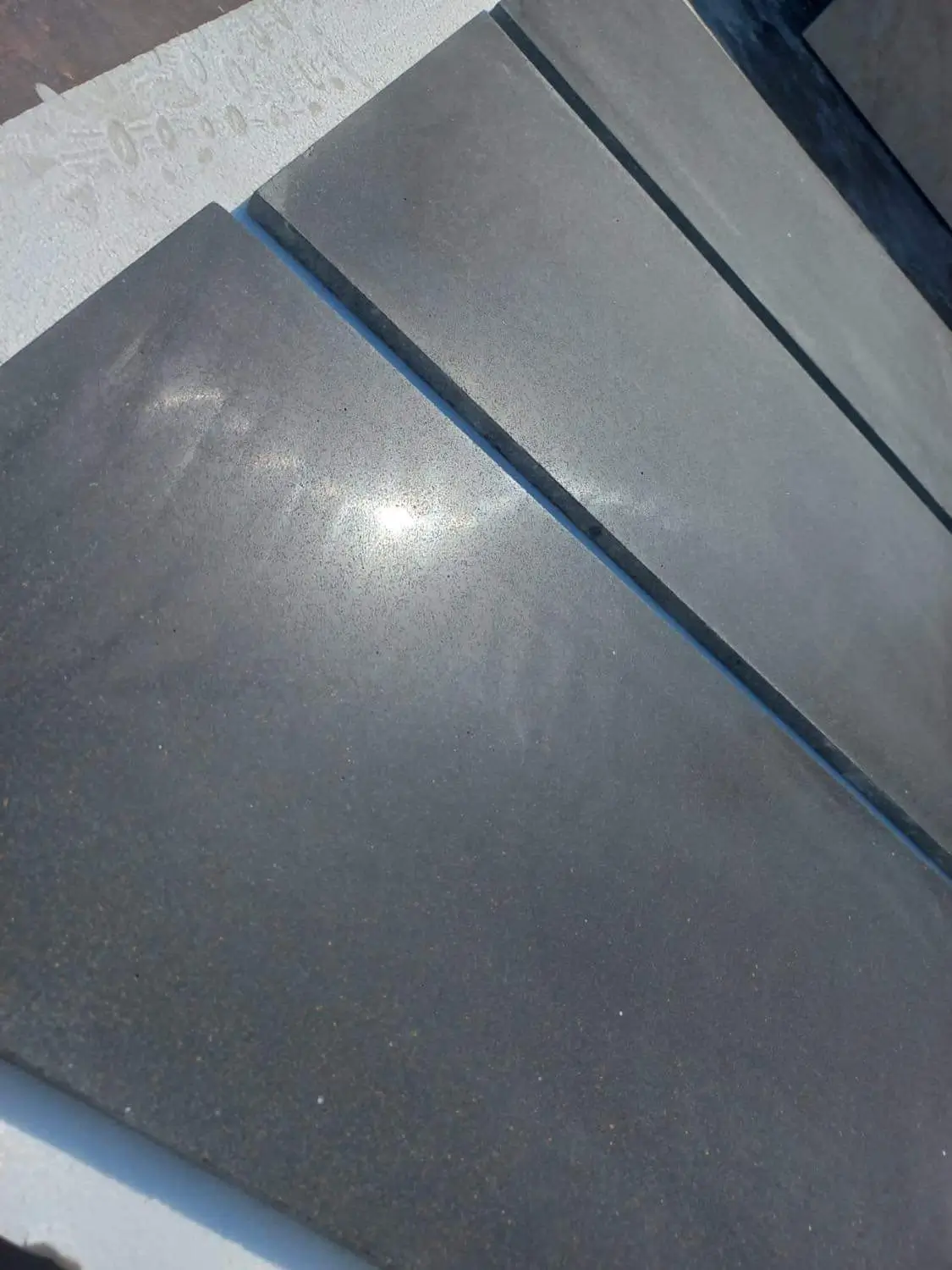
Flagstone Material Types and Base Pricing in Arizona
Natural stone slab pricing for Arizona projects varies significantly across material families, and each material type carries a different profile when you factor in storm-season durability alongside sticker cost. Understanding those trade-offs upfront keeps you from optimizing for the wrong variable.
Here’s a working breakdown of the most common flagstone categories you’ll encounter when budget planning flagstone pavers for AZ outdoor spaces:
- Quartzite flagstone: $4–$8 per square foot raw material cost; extremely high impact resistance and compressive strength above 18,000 PSI; well-suited for hail-exposed horizontal surfaces
- Limestone flagstone: $3–$7 per square foot; moderate impact resistance; softer surface structure requires sealed finishes in wind-driven rain zones to prevent surface erosion over time
- Sandstone flagstone: $2.50–$5.50 per square foot; attractive layered aesthetic but lower density makes it vulnerable to chipping from hail impact above 1-inch diameter stone
- Slate flagstone: $4–$9 per square foot; excellent cleavage plane strength but can delaminate under sustained wind-driven water infiltration if improperly sealed
- Travertine flagstone: $5–$10 per square foot; pore structure requires diligent sealing to prevent joint compromise during monsoon-season saturation events
These ranges represent material-only costs delivered to warehouse staging areas. Your total installed cost adds base preparation, setting compound, joint material, and edge restraint systems — all of which carry Arizona-specific premiums tied directly to storm-load engineering requirements.
Impact Resistance and Hail Performance: What the Numbers Actually Mean
Hail events in central and northern Arizona regularly produce 1.5–2 inch diameter stones traveling at terminal velocities that generate impact forces well above what most generic flagstone specifications anticipate. The material’s modulus of rupture — a measure of flexural strength — is the specification value that determines whether a slab cracks under impact or distributes the load without failure.
Quartzite leads the field with modulus of rupture values ranging from 2,200 to 3,400 PSI depending on quarry source and grain orientation. Limestone typically runs 900–1,800 PSI, which is still serviceable for most Arizona applications when you’re specifying 1.5-inch minimum thickness. Sandstone frequently falls below 800 PSI in its lower-density variants — that’s the threshold where hail impact becomes a legitimate replacement-cost risk over a 10–15 year horizon.
Thickness isn’t a substitute for inherent material strength, but it does improve load distribution geometry. For exposed horizontal surfaces in Peoria and surrounding West Valley communities where open sky exposure increases storm vulnerability, specifying 1.75-inch minimum nominal thickness — rather than the standard 1.25-inch — adds meaningful structural redundancy without dramatically changing your per-square-foot material cost. Evaluating Arizona-rated flagstone slab value per square foot requires factoring in this thickness premium against the reduced remediation risk it delivers over a 15-year service horizon.
Edge Restraint Costs and Storm-Load Engineering
Edge restraints are where Arizona storm-resistance budgets most often get underestimated. Wind loads create lateral pressure on perimeter slabs that accumulates during sustained gusts, gradually displacing edge courses and opening joints to water infiltration. A properly engineered edge system for Arizona monsoon conditions isn’t a $0.50 per linear foot plastic bender board — it’s a structural element that needs to be priced and specified accordingly.
For mortared flagstone applications, a properly keyed concrete haunch at the perimeter runs $4–$8 per linear foot installed, depending on depth and rebar specification. Dry-laid flagstone patios in exposed locations require steel or heavy-gauge aluminum edge restraints with 12-inch spike spacing — budget $3–$6 per linear foot for quality systems. Skimping here is the single most common mistake that turns a $15,000 patio into a $22,000 repair job after a severe monsoon season.
Joint integrity under wind-driven rain deserves equal budget attention. Polymeric joint sand rated for joint widths up to 1.5 inches — not standard construction sand — adds roughly $0.35–$0.60 per square foot to your material budget but dramatically reduces joint erosion over a five-year storm exposure cycle. At Citadel Stone, we consistently recommend this upgrade to clients comparing stone paving slab options in Arizona, because joint replacement costs routinely exceed the initial savings from standard sand by year three.
Base Preparation Costs for Arizona Storm Conditions
Base preparation is where the flagstone paving slab cost guide for Arizona projects diverges most sharply from national pricing benchmarks. Arizona’s storm dynamics create two simultaneous base challenges: wind-driven saturation events that require exceptional drainage geometry, and the dry-cycle soil shrinkage between monsoon events that causes differential settlement.
Your base specification for an Arizona flagstone project should include:
- Minimum 6-inch compacted class II base aggregate for pedestrian applications; 8–10 inches for vehicular-rated surfaces
- Geotextile fabric separation layer between native soil and aggregate — critical in clay-bearing soils common across the East Valley
- 1% minimum cross-slope drainage gradient away from structures; 1.5% preferred for large horizontal surfaces in high-wind exposure zones
- Perimeter drainage channel or French drain system where adjacent structures could trap wind-driven water against paving edges
- Setting bed depth of 1–1.5 inches for dry-laid applications; full mortar bed at 1.5–2 inches for mortared installations in exposed locations
Base preparation typically runs $3–$6 per square foot depending on existing soil conditions, required depth, and drainage complexity. Projects encountering caliche hardpan — common in many Arizona residential areas — may add $1–$2 per square foot for mechanical scarification before aggregate placement. This is non-negotiable for drainage performance during monsoon events.
Full Installed Cost Ranges by Application Type
Budget planning flagstone pavers for AZ outdoor spaces requires you to think in total installed cost rather than material cost alone. The ratio of installation labor and base work to raw material typically runs 2:1 to 3:1 for quality Arizona installations — meaning a $5/SF material cost frequently produces a $15–$20/SF finished price.
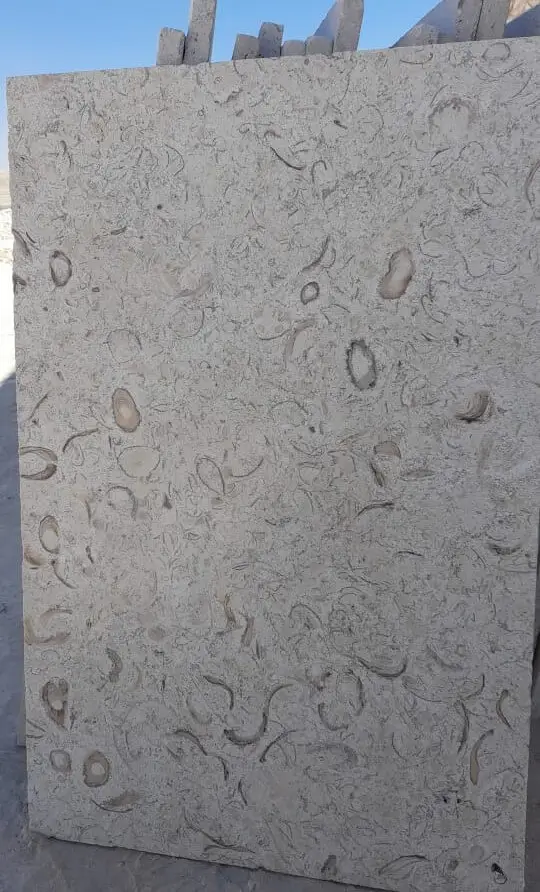
Here’s a realistic installed cost framework organized by application type for Arizona conditions:
- Standard residential patio (exposed, monsoon zone): $14–$22 per square foot installed, including base, setting bed, and polymeric joint sand
- Driveway or vehicular-rated surface: $18–$30 per square foot installed, requiring thicker slab specification and deeper base aggregate
- Pool deck surround: $20–$35 per square foot installed, with enhanced edge restraint at water feature perimeters and slip-resistant finish requirements
- Commercial walkway or plaza: $22–$40 per square foot installed, including structural mortar bed, expansion joint system, and engineering-stamped drainage design
- Covered patio or partially sheltered area: $12–$18 per square foot installed, where reduced storm exposure allows modest specification reduction
For projects in Tempe and adjacent urban-core markets, labor rates trend 10–15% above rural or suburban benchmarks due to site access constraints, permit lead times, and contractor demand concentration. Factor this into early-stage budget projections rather than discovering it at bid time.
Comparing Stone Paving Slab Options for Storm Durability and Long-Term Value
Comparing stone paving slab options in Arizona ultimately comes down to a performance-per-dollar calculation that runs across the full expected service life, not just initial installation cost. A material that saves $3/SF at purchase but requires joint re-sanding every two years or shows impact chipping after a hail season is not the value it appears to be on the bid sheet. Natural stone slab pricing for Arizona projects must be evaluated alongside projected maintenance intervals to produce a defensible total-cost-of-ownership figure.
For projects in the exposed residential and commercial markets, quartzite delivers the strongest total-cost-of-ownership profile in storm-exposed Arizona locations. Its density and hardness resist hail chipping, its low absorption rate (typically below 1%) prevents joint compromise during wind-driven rain events, and it requires sealing on a 3–5 year cycle rather than the annual or biennial schedule that softer stones demand in high-UV, high-precipitation-event environments.
Limestone occupies a compelling middle position for budget-sensitive projects where full storm exposure is limited. For covered outdoor living spaces, courtyard applications with perimeter wind breaks, or projects where storm exposure is moderate, well-sealed limestone flagstone delivers excellent aesthetic performance at a lower initial cost. The key is honest exposure assessment during the specification phase — not every Arizona project demands quartzite-level durability.
You can explore the full range of available materials and thicknesses through Citadel Stone paving slabs flagstone Arizona, where material specifications and current stock levels are maintained to reflect what’s actually available for your project timeline.
Lead Times, Logistics, and Project Scheduling Around Monsoon Season
Project scheduling for Arizona flagstone installations carries a timing dimension that directly affects both cost and quality — specifically, the relationship between monsoon season arrival (typically early July) and the installation window for proper joint cure and base stabilization.
Polymeric joint sand requires a minimum 72-hour dry-cure window after installation before it can withstand water saturation without washing out. Schedule your installation to complete at least one week before forecast monsoon activity if possible, and coordinate with your supplier on warehouse lead times to avoid material delays that push completion into storm season.
Citadel Stone maintains warehouse inventory across Arizona, which typically reduces lead times to one to two weeks compared to the six to eight week import cycle most projects face when ordering through distributors without local stock. For large commercial projects requiring coordinated truck delivery staging, confirming warehouse availability four to six weeks before your planned installation date is a professional standard worth building into every project schedule.
For projects in Chandler and the Southeast Valley, truck access to residential sites during peak summer construction windows can add scheduling complexity — coordinate delivery timing with your contractor early to avoid material sitting in direct sun on staging areas, which can cause thermal shock cracking in thinner flagstone pieces before they’re even installed. Arizona-rated flagstone slab value per square foot erodes quickly when preventable pre-installation damage forces material replacement before a single slab is set.
Sealing, Maintenance, and Storm-Season Readiness
Sealing protocols for paving slabs flagstone in Arizona carry more weight than in most other climates, not because of UV exposure alone, but because of the combined assault of extended dry periods followed by intense saturation events. The thermal shock of cold monsoon rain hitting a sun-heated slab surface creates micro-stress at the stone face — unsealed surfaces allow that moisture to penetrate and expand within the pore structure, accelerating surface degradation year over year.
A penetrating silane-siloxane sealer applied to properly cured and cleaned flagstone provides 3–5 years of meaningful protection in Arizona monsoon conditions. Film-forming sealers tend to delaminate under the thermal cycling inherent to Arizona’s climate — the surface bond between a topical film and the stone face becomes a failure point during rapid temperature fluctuations common during storm-season afternoons.
Your annual pre-monsoon inspection checklist for flagstone paving systems should include:
- Joint sand depth assessment — refill any joints where sand has settled below the lower third of slab thickness
- Edge restraint integrity check — verify no lateral movement at perimeter courses
- Surface sealer integrity test — water should bead at the surface; if it absorbs within 30 seconds, resealing is overdue
- Drainage channel clearance — remove debris from perimeter drains and weep ports before monsoon season
- Crack inventory — document any new hairline cracks and assess whether they indicate base settlement requiring remediation
Before You Specify: Getting Your Arizona Flagstone Budget Right
The flagstone paving slab cost guide Arizona specifiers actually need combines honest material pricing with storm-load engineering requirements — because in this state, those two variables are inseparable. A budget that accounts for quartzite’s impact resistance, proper edge restraint engineering, polymeric joint sand, and a 6–8 inch engineered base produces installations that perform through decades of monsoon seasons without remediation costs eroding your initial value calculation. A budget that strips those line items to hit a lower number per square foot delivers a project that looks competitive at contract signing and expensive three years later.
The specification decisions that protect your Arizona flagstone investment most are the unglamorous ones: joint compound selection, edge restraint depth, base aggregate thickness, and annual pre-monsoon inspection. None of those details appear in a manufacturer’s marketing material, but every one of them shows up in the performance gap between installations that hold and installations that don’t. For deeper technical guidance on laying this foundation correctly, How to Install Flagstone Paving Slabs in Arizona covers the installation methodology that makes the difference in storm-exposed applications. Buyers in Tucson, Yuma, and Tempe comparing flagstone paving slab costs find that Citadel Stone’s direct sourcing from premium quarries in Turkey and the broader Middle East region keeps material density and finish quality consistent across price tiers.