
Irregular flagstone paver cost Arizona calculations catch most homeowners off guard because the material price is only one layer of a multi-variable equation — and in Arizona’s UV environment, the choices you make at the material selection stage directly affect how much you’ll spend on maintenance over the next decade. Stone that looks identical at the supplier’s warehouse can perform completely differently under 300+ days of intense solar radiation per year, and that performance gap shows up in your long-term costs. Understanding how UV exposure, surface finish, and sealer chemistry interact will help you build a realistic budget from the start rather than discovering expensive surprises mid-project.
Why UV Exposure Drives Your Flagstone Cost Decisions
Arizona’s solar intensity isn’t just an aesthetic concern — it’s a structural and financial one. UV radiation at intensities common across the Valley degrades unsealed natural stone surfaces through a process called photooxidation, where mineral compounds near the surface oxidize and lose binding strength. For flagstone, this typically manifests as surface spalling, color bleaching, and edge fragmentation in porous varieties within three to five years if you skip proper sealing protocols. The cost implication is significant: reactive sealers that penetrate the stone matrix cost more upfront than topical coatings, but they reduce your resealing frequency from every 1–2 years down to every 3–4 years.
The finish you select also directly affects UV performance and therefore long-term irregular flagstone paver cost in Arizona. A natural cleft finish on quartzite or sandstone exposes more surface area to UV than a honed or brushed finish on the same stone. That increased surface area accelerates color fade and mineral degradation. You’re essentially choosing between a lower material cost with higher maintenance costs, or a slightly higher material cost with a longer service interval — and in Mesa’s relentless sun exposure, that trade-off matters more than it would in a shaded coastal climate.
Understanding Irregular Flagstone Material Pricing
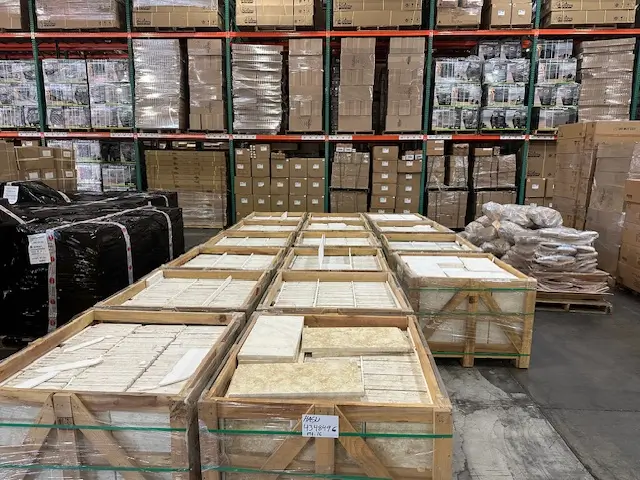
Material costs for irregular flagstone in Arizona typically range from $2.50 to $9.00 per square foot depending on stone species, origin, and slab thickness. For natural stone paver budget planning in AZ, understanding how those price tiers translate to real-world performance is essential. Here’s how those price tiers break down in practical terms:
- Sandstone and Oklahoma flagstone typically fall in the $2.50–$4.00 range — affordable, widely available, but more porous and UV-sensitive than denser options
- Quartzite flags run $4.00–$6.50 per square foot and offer significantly better UV resistance due to their tightly interlocked silica crystal structure
- Pennsylvania bluestone and Arizona buff limestone land in the $5.00–$7.50 range, with limestone requiring more diligent sealing schedules in high-UV zones
- Premium slate and basalt can reach $8.00–$9.00 per square foot but deliver the highest solar reflectivity and lowest photooxidation rates of common flagstone types
- Thickness matters for cost: 1-inch nominal flags cost roughly 15–20% less than 1.5-inch flags but are more vulnerable to thermal cycling stress at joints
When developing your natural stone paver budget planning in AZ, factor in that denser stone varieties with lower water absorption rates (under 3% per ASTM C97) generally hold UV-protective sealers more effectively, extending the interval between treatments. That’s money you won’t need to spend on maintenance labor and sealer product every season.
Labor Costs and Installation Variables in Arizona
Labor for irregular flagstone installation across Arizona ranges from $8.00 to $18.00 per square foot, and that spread reflects real differences in site conditions and complexity — not just contractor markup. Irregular flagstone requires more hand-fitting time than modular pavers, and the irregular joints demand skilled mortar work or precise dry-lay technique to prevent rocking and edge chipping.
Projects in Gilbert often encounter expansive clay soils that require deeper aggregate base preparation — sometimes 6 to 8 inches of compacted base rather than the standard 4-inch minimum — which adds $1.50–$3.00 per square foot in base material and labor costs. Your contractor’s ability to read the subgrade before setting stone is worth more than any material savings you might negotiate.
- Dry-lay installation on decomposed granite base: $8–$12 per square foot labor
- Mortar-set over concrete slab: $12–$18 per square foot labor
- Complex pattern fitting around pools or curved borders: add $2–$4 per square foot premium
- Demolition of existing surface before installation: $2–$5 per square foot additional
- Slope grading for drainage compliance: often $500–$1,500 as a fixed project cost
Tracking outdoor irregular stone project costs across Arizona reveals that material rarely represents more than 35–40% of total installed cost on a typical residential patio. Labor and base preparation typically command the majority of your budget.
Sealing Costs and UV Maintenance Schedules
The sealing decision is where Arizona flagstone projects diverge sharply from those in less sun-intensive states. Your sealer selection determines both your upfront material cost and your ongoing maintenance budget — and the two are inversely related in ways that most flagstone paving price guides in Arizona underemphasize.
Penetrating silane/siloxane sealers cost $0.30–$0.60 per square foot applied, compared to $0.10–$0.25 per square foot for topical acrylic coatings. But topical coatings in Arizona’s UV environment typically fail within 12–18 months, developing a milky haze or peeling surface that looks worse than unsealed stone. Penetrating sealers, properly applied on clean, dry stone, can last 3–5 years even under intense solar exposure. Over a 15-year period, you’ll typically apply penetrating sealer four times versus topical coatings eight to twelve times — the math favors the premium product by a significant margin.
- Initial sealer application after installation: budget $0.40–$0.60 per square foot including labor
- Reapplication cycle for penetrating sealers: every 3–4 years in full-sun Arizona exposure
- Reapplication cycle for topical coatings: every 12–18 months in high-UV zones
- Color-enhancing sealers add approximately $0.10–$0.15 per square foot and can partially compensate for UV-driven color fade over time
- Stone cleaning before resealing: $0.15–$0.30 per square foot for professional efflorescence and algae removal
At Citadel Stone, we recommend scheduling your first resealing assessment at the 2-year mark regardless of which sealer type you initially selected — UV degradation rates vary by installation orientation, tree shade coverage, and whether your flagstone faces south or west exposure, and an early check prevents expensive remediation later.
Finish Selection and Color Retention Under Arizona Sun
Here’s what most specifiers miss when reviewing a flagstone paving price guide in Arizona: finish selection isn’t just aesthetic — it’s a UV management decision with direct cost consequences. A rough natural cleft finish creates micro-shadow on the stone surface, which sounds beneficial but actually traps UV-absorbing particulates and accelerates surface oxidation in high-pollution corridors near freeways or commercial zones.
Honed finishes provide a tighter, denser surface that accepts penetrating sealers more uniformly. You’ll use approximately 15–20% less sealer per application on a honed surface versus natural cleft of the same stone type, which translates to measurable savings when you’re covering 500+ square feet. Brushed or antiqued finishes fall between the two in terms of UV performance — they provide good sealer penetration while maintaining the natural stone character most Arizona homeowners prefer for patios and walkways.
- Natural cleft: highest UV surface exposure, lowest initial cost, highest long-term maintenance frequency
- Honed: moderate UV exposure, 10–15% higher material cost, most efficient sealer absorption
- Brushed/antiqued: balanced performance, mid-range cost, good aesthetic durability under sun
- Tumbled edges: slightly higher fragmentation risk at edge corners from thermal expansion cycling
Total Project Cost Ranges for Arizona Flagstone
Pulling together material, base preparation, labor, and initial sealing, here’s a realistic picture of total irregular flagstone paver cost in Arizona by project scope. These ranges reflect current market conditions and are based on what projects in the Phoenix metro and surrounding communities are actually costing — not manufacturer estimates.
To get the most accurate budget baseline for your specific project dimensions and stone selection, reviewing our irregular flagstone paver costs Arizona resource gives you current pricing by material category alongside the specification details that affect your total installed number.
- Entry-level project (sandstone, dry-lay, 200–400 sq ft): $22–$32 per square foot fully installed
- Mid-range project (quartzite or limestone, mortar-set, 400–800 sq ft): $32–$48 per square foot
- Premium project (slate or basalt, complex pattern, pool surround): $52–$70+ per square foot
- Flagstone walkway (linear, simpler fitting): $18–$28 per square foot installed
- Initial sealing included in contractor bids: verify explicitly — many quotes exclude it
In Chandler, where competitive contractor markets keep labor rates slightly lower than Scottsdale, mid-range project costs often land closer to the $32–$38 range for quartzite flags on a well-prepared base. Your location within the Valley can shift your labor component by 10–15% in either direction.
Ordering Logistics, Lead Times, and Delivery Planning
Project budget accuracy depends on ordering decisions you’ll make weeks before installation day, and those decisions have real cost implications. Irregular flagstone sold by the ton versus by the square foot creates confusion in budget planning — most suppliers use weight-based pricing because irregular flags don’t stack to consistent coverage rates. A ton of 1-inch sandstone covers approximately 75–110 square feet depending on thickness variation; a ton of 1.5-inch bluestone covers 50–75 square feet. Ordering by coverage rather than by weight is the smarter approach when your contractor gives you a square footage number.
Citadel Stone maintains warehouse inventory of Arizona flagstone varieties, which typically compresses lead times to 1–2 weeks compared to the 6–8 week cycle for imported stone ordered through distributors. That lead time difference matters when your contractor’s schedule is locked in. Confirming warehouse availability before your contractor commits to a start date prevents the common scenario where installation is delayed while stone sits on a truck waiting for a scheduling gap to reopen.
- Verify exact square footage measurements before ordering — irregular flag wastage runs 10–15% versus 5–8% for modular pavers
- Account for truck access on your delivery site — large flagstone pallets require either a flatbed with liftgate or adequate forklift access
- Order 12–15% overage minimum for irregular flags; cutting waste and fitting loss exceed what most homeowners anticipate
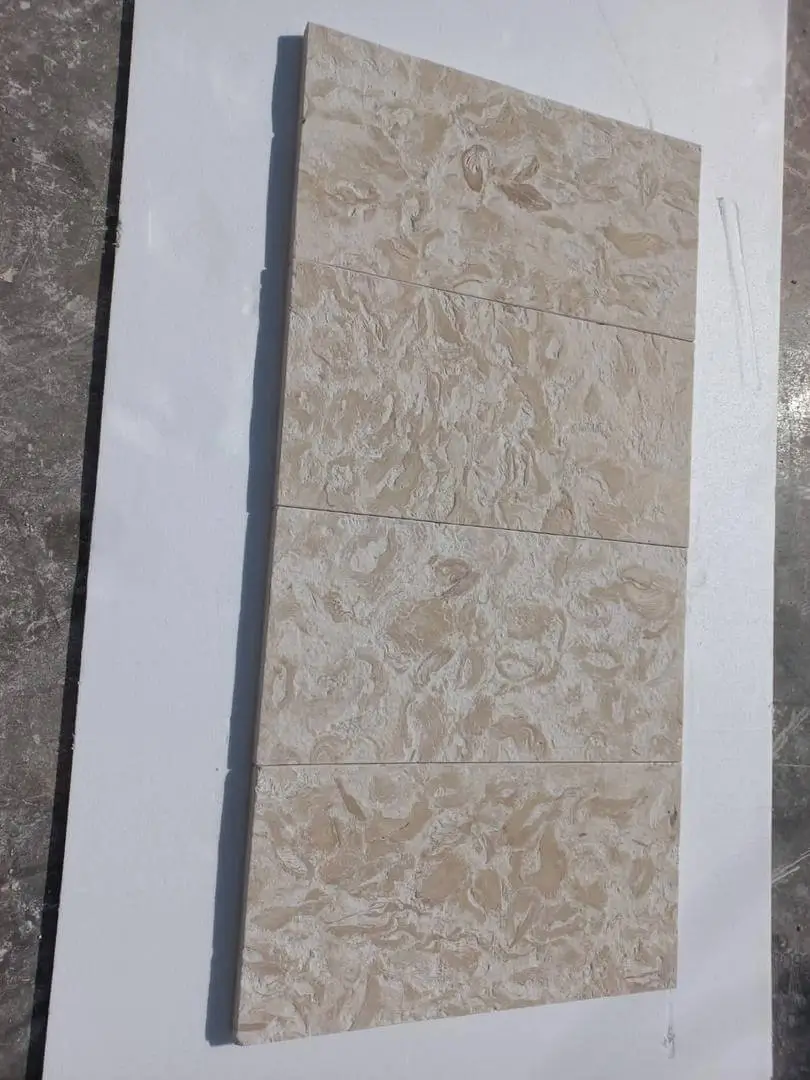
- Request a sample before full delivery to confirm UV-exposed color matches your shade expectations in direct sunlight, not warehouse lighting
- Confirm that your stone is stored covered at the supplier’s warehouse — UV pre-exposure in outdoor storage yards can begin color oxidation before installation
Common Cost Mistakes Arizona Flagstone Buyers Make
The most expensive mistake in Arizona flagstone projects isn’t choosing the wrong stone — it’s underestimating the sealing and maintenance budget over a 10-year horizon. Homeowners who budget only for material and installation routinely find themselves facing a resealing bill in year two that they weren’t expecting, or worse, discovering UV-driven color fade on an unsealed installation that requires full surface treatment to restore. Accounting for outdoor irregular stone project costs across Arizona means treating maintenance as a built-in line item, not a future surprise.
Projects in Mesa also frequently encounter a second common mistake: selecting flagstone based on indoor showroom appearance rather than UV-exposed outdoor appearance. Stone color under fluorescent warehouse lighting can differ dramatically from the same stone after 60 days of Arizona sun exposure. Always request an outdoor sample board or review UV-aged reference photos before committing to a large-format order.
- Skipping penetrating sealer in favor of cheaper topical coatings — saves $0.20 per square foot upfront, costs three times that in accelerated reapplication cycles
- Underestimating wastage: budgeting 5% overage for irregular stone when 12–15% is the realistic field number
- Choosing highly porous sandstone for full-sun south-facing patios where quartzite delivers dramatically better UV durability for a modest cost premium
- Failing to include drainage grading in contractor bids — standing water under sealed flagstone accelerates sealer failure from beneath
- Ignoring thermal expansion joints in large mortar-set installations — omitting them saves nothing at installation and creates costly cracking repairs within 2–3 Arizona summers
Getting Flagstone Cost Right in Arizona
The irregular flagstone paver cost Arizona projects actually incur over a 10-to-15-year window rarely matches the number on the initial contractor quote — and the difference almost always traces back to UV exposure decisions made at specification time. Choosing a stone species with appropriate density for your site’s sun exposure, selecting a finish that accepts penetrating sealers efficiently, and budgeting realistically for 3–4 year resealing cycles will bring your long-term cost of ownership far closer to your initial expectations than chasing the lowest material price per square foot.
Your project timeline should also reflect reality: allow 1–2 weeks for warehouse-to-site delivery, schedule installation after confirming your base preparation is complete, and plan your first sealing application within 30 days of installation completion to capture maximum UV protection before the stone’s first full Arizona summer. Arizona flagstone material and labor pricing varies meaningfully across the Valley, so verifying current rates with your supplier before finalizing a contractor bid is always worthwhile. For the installation sequence itself, How to Install Irregular Flagstone Pavers in Arizona walks through the field steps in detail, which can help you evaluate contractor proposals with a more informed eye.
Budget accuracy in Arizona flagstone projects comes from treating UV protection as a line item, not an afterthought. Your stone selection, finish, sealer choice, and maintenance interval are all interconnected cost variables — optimize them together and you’ll find the long-term math works significantly in your favor. Buyers in Tucson, Peoria, and Yuma find that Citadel Stone’s irregular flagstone selection spans entry-level to premium grades, allowing project costs to scale with both square footage and long-term value expectations.