

Shellstone paver cost guide Arizona planning starts with a reality that surprises most homeowners: your drainage infrastructure often costs as much as the stone itself, and skipping that investment guarantees premature failure. Arizona’s monsoon season delivers intense, concentrated rainfall — sometimes 2 to 3 inches in under an hour — that exposes every weak point in a paving system. Understanding how water moves across and beneath your shellstone surface isn’t just good practice; it’s the single variable that determines whether your investment holds up for 25 years or starts shifting and cracking within five.
Why Drainage Defines Your Shellstone Budget
The real shellstone paver pricing in Arizona conversation begins below grade, not at the surface. You’re not just buying stone — you’re buying a layered system that manages hydrostatic pressure, prevents undermining, and routes surface water away before it saturates your aggregate base. Projects that skip proper drainage engineering routinely spend twice as much on repairs within a decade as they saved upfront on installation shortcuts.
Arizona’s dual-climate character makes this especially critical. The low desert zones around Yuma experience extended drought cycles interrupted by flash flooding, which creates expansion-contraction stress that destroys improperly drained bases. In contrast, the high desert and plateau regions see extended monsoon infiltration. Either way, your base prep needs to handle water aggressively.
- Surface drainage slope must maintain a minimum 1.5% grade away from structures — 2% is the professional standard for shellstone in Arizona conditions
- French drain integration adds $4 to $8 per linear foot to your project but eliminates the most common failure mode in low-desert installations
- Permeable joint sand options allow controlled infiltration and reduce surface pooling without compromising structural integrity
- Base depth in clay-heavy soils should increase from the standard 4-inch compacted aggregate to 6 inches minimum
- Perimeter restraints with drainage gaps prevent the edge heaving that accelerates when water saturates base material adjacent to structures
Shellstone Paver Cost Breakdown for Arizona Projects
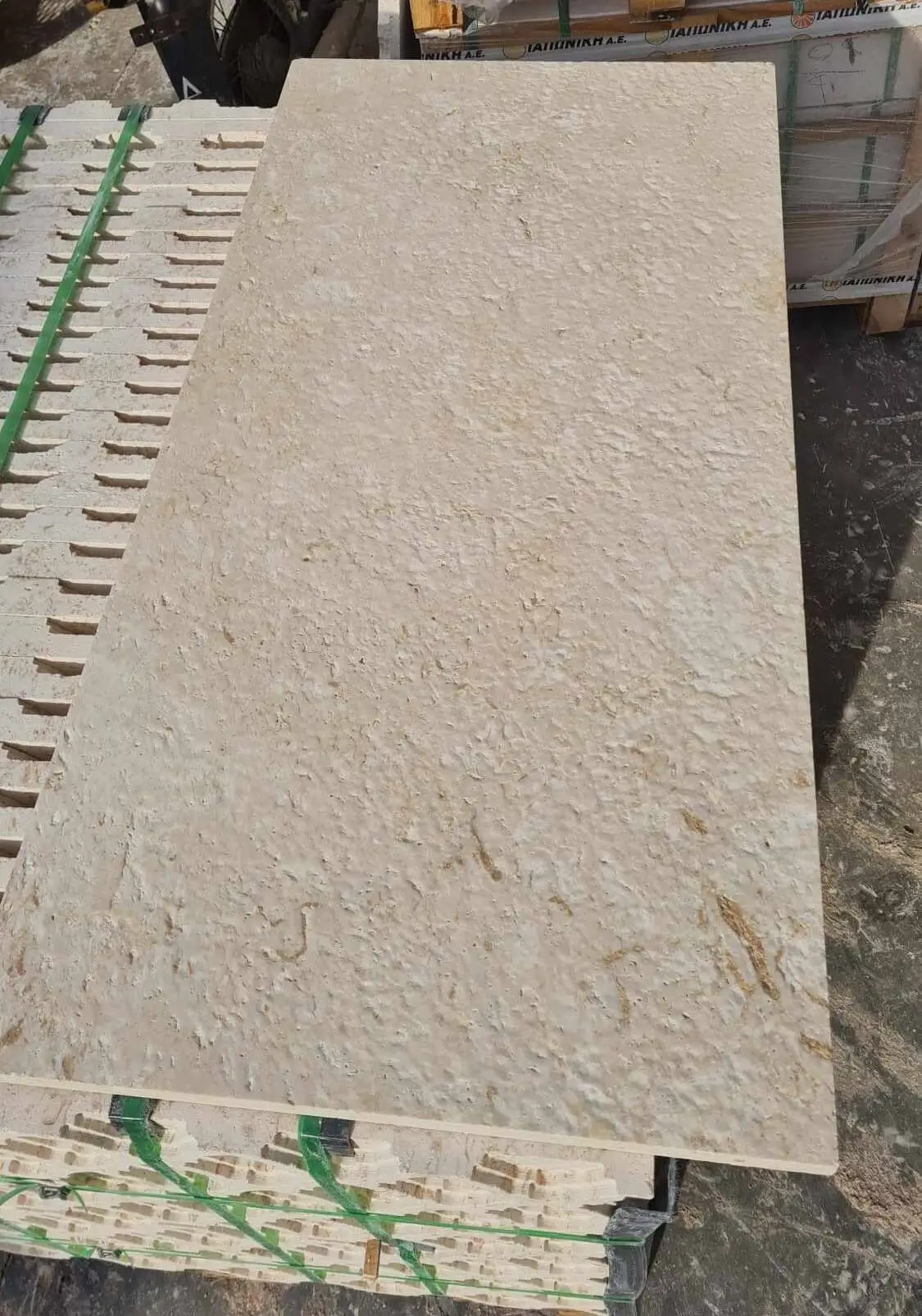
Material costs for shellstone pavers in Arizona typically range from $4.50 to $11.00 per square foot depending on grade, thickness, and fossil density. That range sounds wide, but the spread reflects genuine performance differences — not just aesthetic variation. Thicker slabs at 2 inches nominal handle the point-load stress of outdoor furniture and foot traffic on expansive soils far better than 1.25-inch material, and the price differential of $1.50 to $2.50 per square foot is money well spent on Arizona projects.
Your Arizona shellstone project total cost will run considerably higher once you factor in base preparation, drainage infrastructure, labor, and sealing. A realistic natural stone paving budget AZ homeowners trust should plan for $18 to $32 per square foot installed — with drainage-intensive projects in flood-prone areas pushing toward the upper end of that range. Here’s the breakdown most suppliers don’t put on one page:
- Shellstone material: $4.50 to $11.00 per square foot (varies by grade and thickness)
- Compacted aggregate base: $2.50 to $4.00 per square foot installed
- Sand setting bed: $0.75 to $1.25 per square foot
- Labor for layout, cutting, and setting: $6.00 to $9.00 per square foot in Arizona markets
- Drainage system integration (French drains, catch basins): $800 to $2,500 per project depending on scope
- Initial penetrating sealer application: $0.75 to $1.50 per square foot
- Polymeric joint sand: $0.50 to $0.85 per square foot
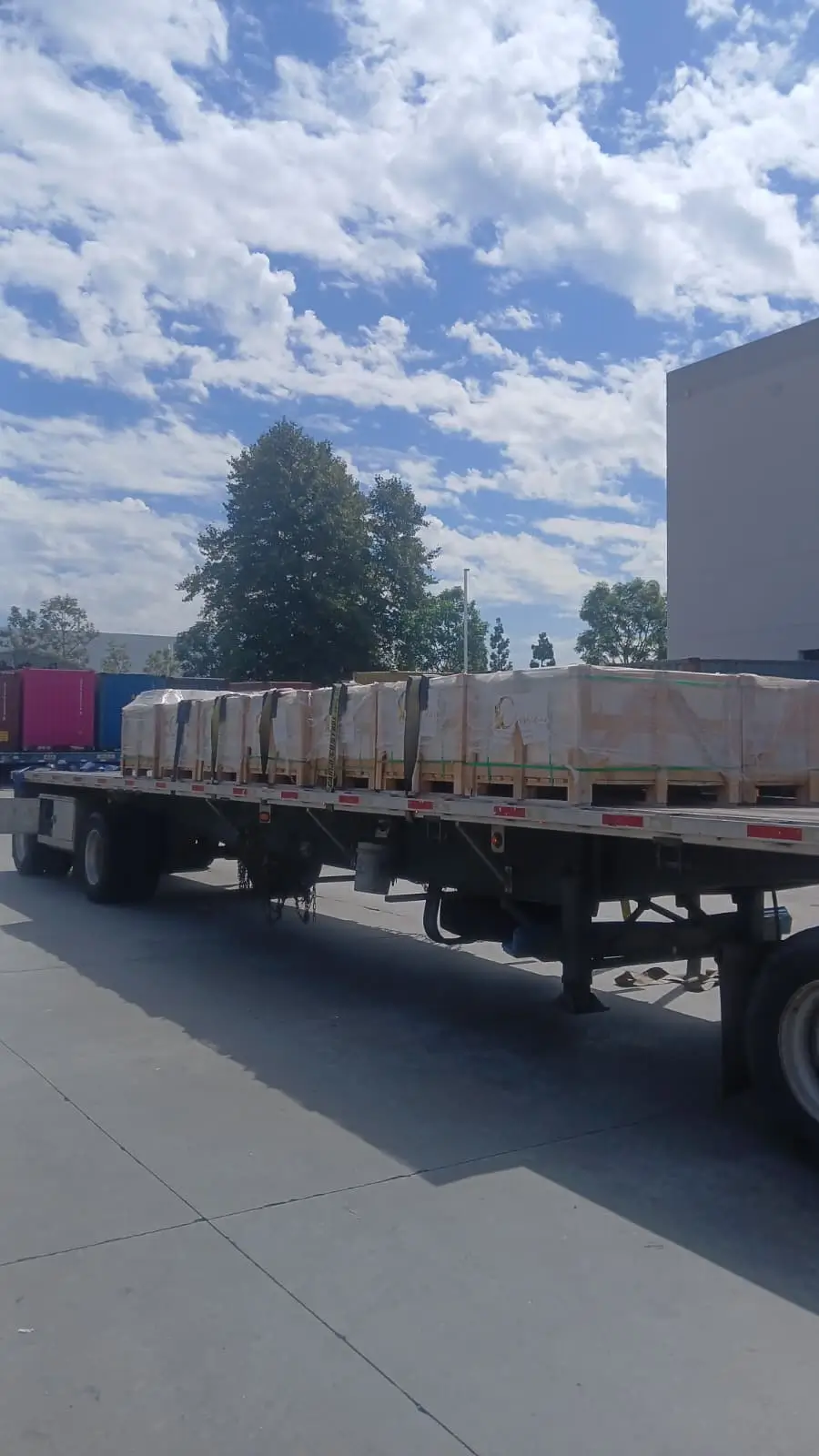
These figures reflect current Arizona market conditions. Delivery logistics also affect your final number — truck access to your site, distance from the warehouse, and whether you’re receiving a full pallet versus a partial order all affect freight pricing.
Grade Selection: Thickness and Fossil Density Explained
Shellstone is a fossiliferous limestone, and the density and distribution of shell fragments within the matrix directly affects both aesthetics and structural performance. High fossil density grades display more pronounced visual texture and command a price premium of $1.50 to $3.00 per square foot over lower-density material. But fossil concentration also creates micro-void patterns that influence water absorption rates — a factor that matters significantly in monsoon-heavy Arizona environments.
You’ll find shellstone graded broadly into three tiers in the Arizona supply chain. Entry-level material at $4.50 to $6.00 per square foot typically features lower fossil density, minor surface variation, and nominal 1.25-inch thickness. Mid-grade material at $6.00 to $8.50 per square foot offers better consistency, higher fossil presence, and standard 1.5-inch thickness. Premium shellstone at $8.50 to $11.00 per square foot delivers the highest fossil density, tighter dimensional tolerances, and 2-inch or greater thickness for demanding applications.
- 1.25-inch nominal: suitable for light foot traffic patios with stable, well-drained bases — not recommended for driveways
- 1.5-inch nominal: the practical standard for most Arizona residential patios and pool decks
- 2-inch nominal: required for driveways, vehicle-adjacent areas, or any installation over expansive clay soils
- Fossil density grading affects water absorption — higher fossil concentration correlates with slightly higher absorption rates requiring more frequent sealing in monsoon zones
- Surface finish selection (tumbled vs. brushed) affects slip resistance DCOF ratings, which you should verify meet ADA standards for your specific application
Base Preparation for Arizona’s Drainage Demands
The base system under your shellstone isn’t a commodity — it’s engineering. Arizona soils range from highly expansive clay in the Phoenix basin to decomposed granite in the higher elevations around Sedona, and each soil type demands a different base strategy. Sedona’s red rock substrate is relatively stable but features significant slope variation that concentrates runoff in ways flat-terrain installers don’t anticipate. Your excavation depth and drainage routing must account for where water wants to go naturally.
Standard base preparation for Arizona shellstone installations starts with 4 to 6 inches of compacted Class II aggregate base. In clay-heavy soils, add a non-woven geotextile fabric at the sub-base interface — this prevents clay migration into the aggregate layer while still allowing drainage. The geotextile adds roughly $0.35 to $0.60 per square foot to your material cost but extends base stability life by 10 to 15 years in problematic soil conditions.
- Excavate to minimum 8 inches below finished grade in expansive soil zones — deeper in areas with seasonal high water tables
- Proof-roll the sub-grade with a plate compactor before placing aggregate — soft spots indicate drainage problems that must be addressed before base installation
- Install aggregate in 3-inch lifts, compacting each lift to 95% Proctor density
- Slope the aggregate base to match the surface drainage plan — don’t assume the stone setting bed will correct drainage errors in the base
- Position drainage outlets before placing the setting bed — retrofitting drainage access through finished shellstone is expensive and disruptive
At Citadel Stone, we’ve inspected enough failed Arizona installations to know that the most common error isn’t material selection — it’s assuming the existing grade handles drainage adequately. Always reconfirm your drainage plan after excavation, because natural grade often doesn’t align with what the surface survey shows.
How Monsoon Season Affects Shellstone Performance
Arizona’s monsoon season runs roughly July through September, and during peak events, water doesn’t drain — it sheets. That distinction matters for shellstone selection because surface texture and joint system design need to work together to prevent aquaplaning on grades steeper than 3%. Tumbled shellstone with its naturally irregular surface provides better slip resistance in wet conditions than honed material, which approaches a DCOF of 0.42 or below when saturated. For pool decks and areas adjacent to drainage channels, tumbled finish is the safer specification.
The bigger concern during monsoon season is sub-surface saturation. Shellstone’s porosity ranges from 8% to 18% depending on grade, and while the material itself handles water absorption without structural compromise, the setting bed beneath it doesn’t benefit from sustained saturation. Calcium carbonate-based materials like shellstone are vulnerable to prolonged contact with slightly acidic stormwater, particularly in areas where roof runoff containing organic compounds concentrates at patio perimeters.
- Install perimeter drainage channels or slot drains at the low end of any patio where runoff concentrates during storm events
- Specify a non-reactive polymeric setting sand with water-activated hardening agents — standard kiln-dried sand washes out in monsoon rain within two seasons
- Penetrating silane-siloxane sealers reduce water absorption by 60 to 80% without altering surface texture — reapply every 18 to 24 months in monsoon-zone installations
- Monitor joint integrity after the first monsoon season — settled joints create water channels that accelerate undermining
- Slope roof drainage downspout extensions at least 6 feet away from shellstone paving — concentrated roof water discharge is the primary cause of erosion-based failure in Arizona patios
For current material availability and project-specific pricing, Citadel Stone Arizona shellstone pricing provides a comprehensive view of grades and thicknesses currently in stock.
Affordable Shellstone Options and Smart Cost-Saving Strategies
Finding affordable shellstone options across Arizona doesn’t mean compromising on drainage performance — it means making smarter specification decisions about where premium material is necessary and where entry-level grade performs equally well. The zone closest to seating areas and high-traffic paths benefits from premium 2-inch material. Perimeter fill zones and low-traffic areas can use mid-grade 1.5-inch product without any performance trade-off.
Ordering strategy also affects your per-square-foot cost significantly. Full pallet orders — typically 200 to 250 square feet — qualify for reduced pricing and more efficient truck delivery scheduling. Partial pallet orders carry a premium of $0.75 to $1.50 per square foot. For projects where exact quantities are uncertain, ordering 10% over your calculated need and returning unused full pallets is more cost-effective than making a second partial order.
- Zone your project: premium grade for patio centers, mid-grade for perimeter banding
- Order full pallets whenever possible — warehouse pick fees and partial delivery surcharges add up quickly on smaller orders
- Time your purchase outside peak spring season (March through May) when demand and pricing are highest in the Arizona market
- Consider coordinating a delivery with a neighbor’s project — shared truck delivery costs are split, reducing per-project freight
- Budget 8 to 10% overage for cuts and breakage — shellstone cuts cleanly with a wet saw but edge pieces near curves and corners generate meaningful waste
- DIY base preparation is feasible for experienced homeowners — hiring out the drainage engineering and stone setting while self-performing excavation can reduce labor costs by 20 to 30%
Sealing and Long-Term Maintenance Costs
Your total shellstone project cost isn’t a one-time number. Building the ongoing maintenance budget into your planning prevents the sticker shock that causes homeowners to defer sealing — which is the decision most responsible for premature shellstone deterioration in Arizona. The maintenance cost structure for shellstone pavers in Arizona is predictable and manageable when you plan for it from the start.
Penetrating silane-siloxane sealers represent the professional standard for Arizona shellstone. They penetrate the stone matrix rather than forming a surface film, which means they won’t peel or cloud in UV-intense conditions — a significant advantage over film-forming topical sealers in low-desert environments. Expect to reseal every 18 to 24 months in areas with direct sun exposure and monsoon-season precipitation. Cost for professional resealing typically runs $0.65 to $1.20 per square foot for residential projects.
- Year 1: Initial sealing included in installation cost
- Year 2-3: First resealing — $0.65 to $1.20 per square foot professionally applied
- Year 5: Joint sand inspection and top-up — $0.35 to $0.60 per square foot for polymeric sand replacement in high-wash areas
- Year 7-10: Full joint restoration in drainage-intensive zones — $1.00 to $2.50 per square foot depending on joint system complexity
- Annual: Visual inspection after monsoon season for joint erosion, edge settling, and surface efflorescence — budget 2 to 3 hours or a professional inspection fee of $150 to $300
Project Planning, Timeline, and Logistics
Your shellstone project timeline in Arizona needs to account for both supply chain reality and seasonal installation windows. The ideal installation periods are October through February, when ambient temperatures fall between 50°F and 85°F — the range that allows setting compounds to cure without accelerated drying that causes premature hardening at joints. Summer installations aren’t impossible, but they require early-morning start times, shade tenting over freshly set sections, and extended misting protocols that add labor cost.
Lead times from the warehouse vary by grade and season. Premium fossil-density shellstone with tight dimensional tolerances typically requires 2 to 3 weeks from order confirmation to delivery in the Phoenix metro area. Standard mid-grade material with existing warehouse stock often ships within 5 to 7 business days. For large projects over 1,500 square feet, confirm stock levels before finalizing your contractor schedule — nothing disrupts a project timeline more than a mid-installation warehouse backorder.
Projects in Mesa and the broader East Valley benefit from straightforward truck access in most residential zones, but projects with narrow side-yard access or raised entries should confirm delivery vehicle clearance requirements with your supplier before scheduling — crane offloading or hand-carry delivery adds cost that belongs in your initial budget, not as a surprise line item on delivery day. Confirming truck routing and clearance before the delivery date is especially important for larger shellstone paver orders where a second truck dispatch carries additional freight charges.
- Submit material orders at least 4 weeks before your planned installation start date for premium grades
- Confirm truck access dimensions with your driver contact before delivery day — standard flatbed requires 12-foot clearance height and 8-foot width
- Schedule contractor walkthrough after delivery to verify material counts before the truck leaves — shortages are far easier to resolve before the crew demobilizes
- Allow 72-hour cure time for polymeric sand after installation before allowing foot traffic — 7 days before furniture placement
- Stage your first sealer application 28 days after installation to allow any residual moisture in the base to fully dissipate
Expert Summary
The shellstone paver cost guide Arizona projects demand is really a drainage infrastructure guide with stone selection layered on top. You can choose the most beautiful fossil-rich shellstone available, but without a properly engineered base, adequate surface slope, monsoon-rated drainage infrastructure, and a sealing protocol calibrated to Arizona’s UV and precipitation cycles, you’re investing in a surface that will underperform its potential. The material is genuinely excellent — shellstone’s thermal mass moderates surface temperatures, its natural texture delivers slip-resistant performance when wet, and its fossil character creates visual interest that manufactured alternatives can’t replicate. The system surrounding it is what determines whether that performance materializes over 25 years or dissolves into a repair project within 10.
Shellstone paver pricing in Arizona represents a proven value when the specification is complete — not just the material line item, but the base, drainage, and sealing schedule built around it. Your budget planning should start with a complete drainage assessment, work through grade and thickness selection based on actual use-zone demands, and build in the maintenance schedule from day one. Our technical team at Citadel Stone can help you work through the specific conditions of your project — soil type, site grade, monsoon exposure, and truck access — to develop a specification that performs the way you expect it to. For the complete installation sequence and base preparation details that turn a good material selection into a great finished project, How to Install Shellstone Pavers in Arizona covers the technical depth your installation crew needs before they break ground.
Buyers in Mesa, Tempe, and Scottsdale working with Citadel Stone can compare shellstone grades by thickness and fossil density before committing to a full Arizona patio project budget.