
Drainage design determines whether your natural stone paver installation in Arizona survives its first monsoon season or starts shifting and cracking within 18 months. Most buyers focus on material aesthetics and price per square foot — both valid concerns — but the projects that hold up decade after decade share one common trait: the drainage geometry was engineered before the first paver was ever set. Arizona’s precipitation patterns are deceptive. Extended dry spells followed by intense monsoon events deliver more water in 90 minutes than some eastern states receive in a month, and that concentrated hydraulic load exposes every weakness in your base system.
How Arizona’s Precipitation Patterns Should Drive Your Paver Decisions
The monsoon season, typically running from mid-June through late September, delivers roughly 50% of Arizona’s annual precipitation in short, violent bursts. You’re not designing for drizzle — you’re designing for sheet flow events that overwhelm standard 1% cross-slopes in minutes. In Yuma, average annual rainfall sits around 3.3 inches, making proper moisture management seem irrelevant until a single storm drops 2 inches in under an hour on a compacted desert base. That rapid saturation, followed by equally rapid evaporation, creates hydraulic pressure cycles that displace even well-set pavers over time.
Your base system needs to address two competing priorities simultaneously: rapid surface runoff during peak rainfall and controlled subgrade drainage to prevent hydrostatic pressure buildup. A standard 4-inch compacted aggregate base handles neither condition adequately for monsoon-zone installations. The minimum spec for Arizona projects should be 6 inches of open-graded aggregate — typically a 3/4-inch clean crushed stone — beneath a 1-inch setting bed, with positive drainage slopes maintained at no less than 2% across the entire surface.
Drought cycles compound the problem in ways most specifications ignore. Extended dry periods cause subgrade soils to shrink and crack, creating voids beneath the base layer. The first monsoon event then delivers water into those voids, causing sudden settlement that appears as random low spots in your paved surface. You can minimize this effect by pre-wetting expansive clay subgrades before base installation — a step that most residential contractors skip entirely because it adds a day to the schedule.
Choosing Natural Stone Pavers in Arizona: Matching Material Properties to Drainage Demands
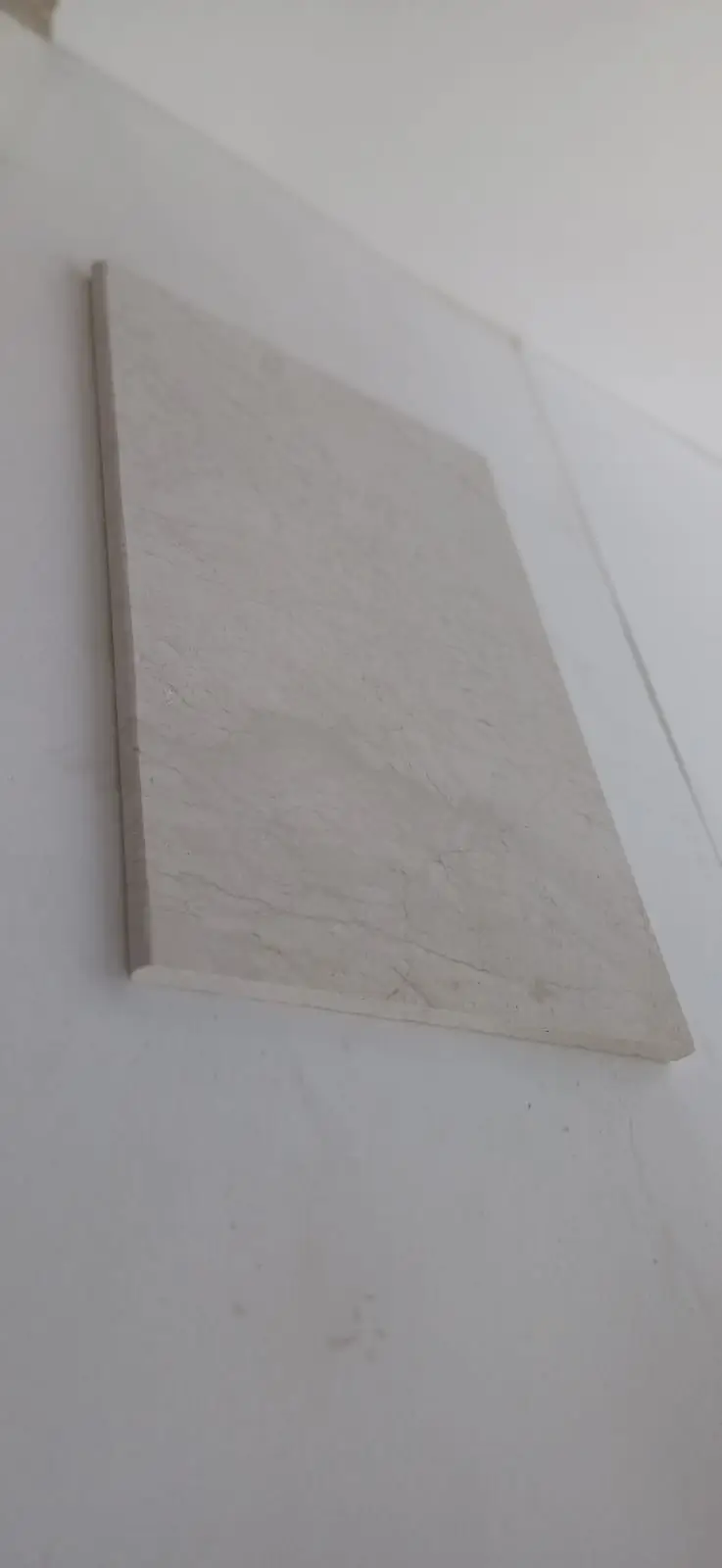
Not every natural stone performs equally when exposed to repeated moisture cycling. Porosity, absorption rate, and flexural strength all interact with Arizona’s wet-dry cycles in ways that determine long-term performance. Travertine and limestone represent the most commonly specified materials for residential and commercial hardscape in the state, and they behave very differently under hydraulic stress.
Travertine’s vascular pore structure — the interconnected network of voids that gives it its characteristic texture — actually aids drainage performance in surface applications. Water moves through rather than pooling on properly honed or brushed travertine, reducing the hydrostatic pressure at joints. The trade-off is absorption: travertine typically absorbs between 3% and 8% of its weight in water, which means sealing schedules matter considerably in monsoon-zone installations. Unsealed travertine in high-runoff zones will show efflorescence and joint sand displacement within two to three monsoon seasons.
Limestone offers tighter density — typically 0.5% to 2.5% absorption depending on grade — and performs better in standing-water scenarios like pool decks and areas with imperfect drainage geometry. Your material selection should follow the site’s drainage characteristics, not just aesthetic preference. For surfaces where you can guarantee 2% cross-slope to positive drainage outlets, travertine delivers excellent long-term results. For areas where drainage is compromised — low spots near structures, zones adjacent to existing concrete flatwork — a denser limestone is the more defensible specification.
- Travertine absorption rate: 3–8% — requires biennial sealing minimum in monsoon zones
- Limestone absorption rate: 0.5–2.5% — suitable for imperfectly drained areas
- Granite and basalt: below 0.5% absorption — highest moisture resistance, best for drainage channel adjacency
- Sandstone: 5–15% absorption — not recommended for Arizona monsoon-exposure applications without penetrating sealer
- Quartzite: 1–3% absorption with exceptional flexural strength — strong performer in high-runoff zones
Thickness and Base Specifications That Handle Arizona’s Water Loads
Budget planning for natural stone paving in Arizona should allocate more to base preparation than most homeowners anticipate. A 2-inch nominal paver on an inadequate base fails faster than a 1.25-inch paver on a properly engineered base — and the paver cost is usually the smaller line item compared to labor and base materials. For residential pedestrian applications, 1.25-inch (30mm) pavers on 6 inches of compacted open-graded aggregate handle standard residential foot traffic and moderate monsoon drainage loads adequately.
Driveway and vehicle-access applications require you to step up to 2.375-inch (60mm) minimum thickness, with base depth increasing to 8–10 inches for light passenger vehicles. The critical variable in Arizona isn’t freeze-thaw cycling — it’s subgrade saturation. Your compaction spec for the subgrade itself should target 95% Modified Proctor density, verified by nuclear gauge testing before aggregate placement. Skipping that verification step is how projects that look perfect at installation start showing differential settlement patterns after two monsoon seasons.
For projects in Mesa and similar East Valley communities, caliche hardpan layers often appear at 18–24 inches of depth. Properly prepared caliche provides an excellent natural sub-base, but any caliche layer with vertical cracks or fracture zones needs to be addressed — those fractures become water infiltration pathways that channel moisture horizontally beneath your base, undermining compaction over time. Cutting drainage slots through problematic caliche toward natural drainage outlets resolves this at base installation and prevents the subsurface moisture migration that shows up years later as unexplained paver movement.
Joint Design and Edge Restraints for Monsoon-Ready Installations
Joint width and joint material interact directly with drainage performance. The standard 1/8-inch to 1/4-inch polymeric sand joint works adequately for low-rainfall climates, but Arizona’s monsoon volumes can hydraulically displace polymeric sand joints before the binder fully cures. You should specify a commercial-grade polymeric sand rated for high-water-flow conditions — the residential-grade products available at big-box stores simply aren’t formulated for 2-inch-per-hour rainfall intensities.
Wider joints — 3/8 inch to 1/2 inch — filled with a crushed stone aggregate rather than sand represent the most hydraulically efficient approach for installations in high-runoff zones. The stone-filled joint allows surface water to move vertically through the joint system to the permeable base layer, reducing surface sheet flow velocity and minimizing the erosion of adjacent landscape areas. This approach requires you to accept a slightly more textured joint appearance, but the drainage performance benefit is significant enough that it’s worth specifying for any project within a monsoon-intensive drainage basin.
- Specify commercial-grade polymeric sand with high-flow ratings for monsoon-zone joint filling
- Allow 72-hour curing window after activation before any water exposure — schedule installations around predicted storm events
- Edge restraints must be staked at 12-inch intervals maximum in sandy soils — 18-inch spacing is insufficient under hydraulic lateral loading
- Aluminum and galvanized steel restraints both perform well in dry conditions — aluminum is preferable in areas where sustained soil moisture is possible
- For pool deck perimeters, use a continuous concrete edge beam rather than spiked restraints where water table fluctuation is a factor
Getting Slope and Grading Right Before Material Selection
Surface slope is a non-negotiable specification element, and it’s where most budget-driven projects compromise in ways that create expensive problems later. The minimum 2% cross-slope toward drainage outlets sounds straightforward until you’re dealing with an existing concrete slab that was poured at 0.5% slope by a contractor who didn’t anticipate a future paver overlay. You have two options: build up the paver and setting bed system to create the required slope differential, or accept the drainage limitation and specify accordingly.
Building up slope using variable-thickness setting beds is a legitimate technique, but it requires you to account for the additional dead load on the supporting structure. A 1-inch increase in setting bed depth across a 400-square-foot patio adds roughly 800 pounds of material weight — not catastrophic, but worth confirming against structural calculations for elevated decks or rooftop installations. For grade-level installations on natural subgrade, variable-depth setting beds are the standard solution for correcting existing drainage geometry.
On projects requiring significant regrading, understanding how much stone pavers cost in AZ becomes more nuanced — the grading work itself can add $1.50 to $3.00 per square foot to total project costs before a single paver is placed. That’s a line item that surprises homeowners who received paver-only pricing. Verify your contractor’s quote includes drainage-compliant grading — not just material installation — before signing any contract.
The Citadel Stone paver cost guide Arizona provides a detailed breakdown of material and labor cost ranges that helps you evaluate contractor quotes against realistic market benchmarks for your specific project type.
Heat and UV Performance: Important, But Not the Primary Design Driver
Arizona’s intense solar radiation and ambient temperatures get most of the attention in stone specification discussions — and they do matter. Lighter-colored natural stone pavers reflect significantly more solar radiation than concrete or asphalt, reducing surface temperatures by 20–35°F under peak summer conditions. In Sedona, where both extreme heat and significant tourism-driven foot traffic are year-round realities, surface temperature and slip resistance are legitimate specification priorities alongside drainage design.
Thermal expansion coefficients for natural stone range from approximately 3.0 × 10⁻⁶ per °F for granite to 5.5 × 10⁻⁶ per °F for limestone. Arizona’s diurnal temperature swings — sometimes exceeding 40°F between pre-dawn and peak afternoon — create meaningful daily expansion and contraction cycles. Your expansion joint placement should account for this: specify saw-cut expansion joints every 12–15 feet in both directions for limestone installations, and every 18–20 feet for granite or quartzite. Generic specifications calling for 20-foot joint spacing across all material types underestimate the cumulative movement limestone undergoes across a full Arizona seasonal cycle.
UV degradation affects sealer performance more than the stone itself. Most penetrating silane-siloxane sealers are rated for 2–3 year service life under standard conditions, but Arizona’s UV index consistently ranks among the highest in North America. Expect a 12–18 month effective service window for most residential sealers, particularly on south and west-facing surfaces. Specify a UV-stable sealer and build a biennial reapplication schedule into your maintenance plan from day one.
Stone Paver Pricing Guide for Arizona: What Drives Costs Up and Down
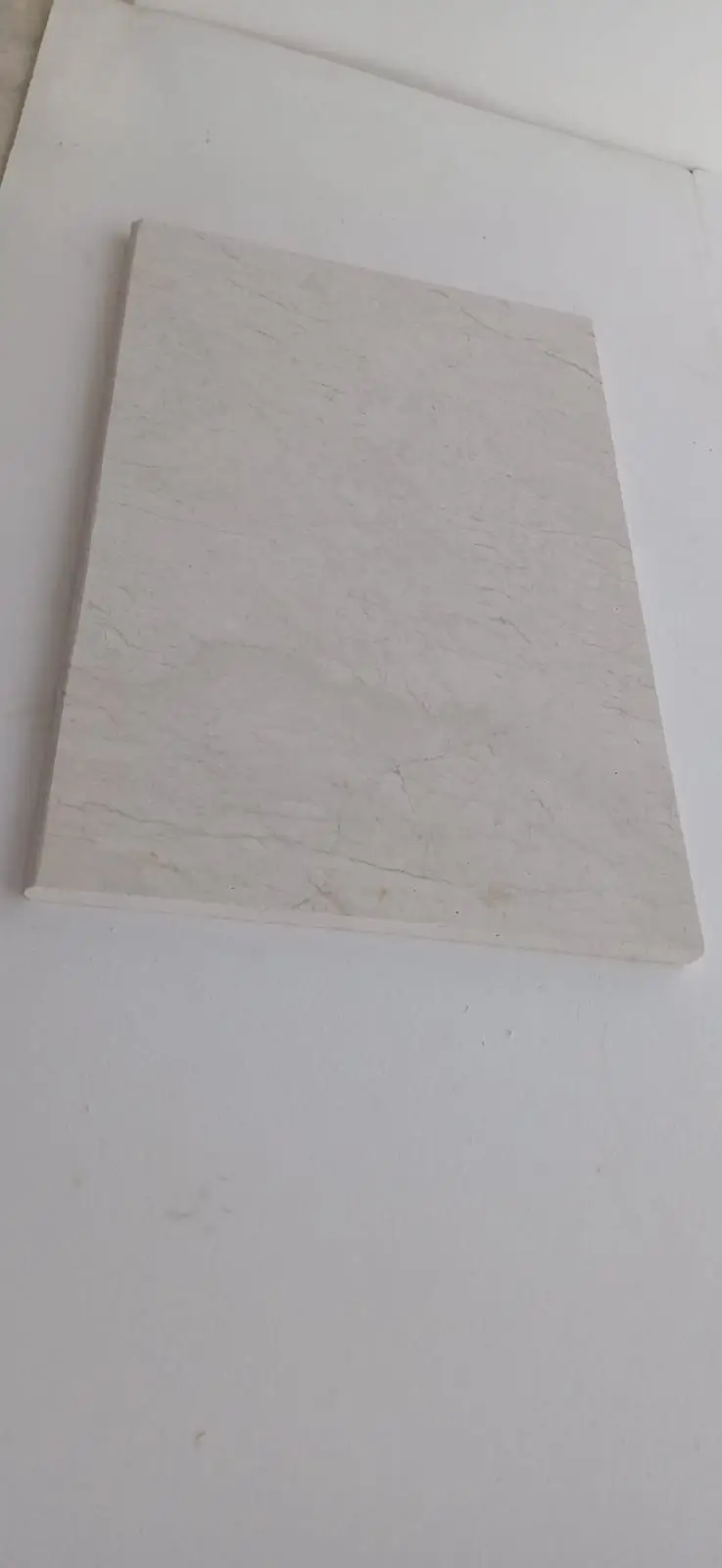
A realistic stone paver pricing guide in Arizona starts with understanding which cost variables are fixed and which are negotiable. Material grade and thickness are fixed by your performance requirements — you don’t save money by under-specifying a driveway application and replacing pavers in five years. Labor rates, base material depth, and drainage engineering scope are where informed buyers find legitimate cost management opportunities.
Arizona stone paver material and labor costs for natural stone typically range from $3.50 to $12.00 per square foot depending on stone type, finish, and thickness. Travertine in 18×18-inch tiles at 1.25-inch thickness sits in the $4.50–$7.00 range as a starting point. Limestone in the same dimensions runs $5.00–$9.00 depending on origin and grade. Basalt and quartzite command premium pricing at $8.00–$14.00 per square foot, reflecting their tighter tolerances and higher extraction costs.
- Travertine (1.25″): $4.50–$7.00/sq ft material cost, not including delivery or installation
- Limestone (1.25″): $5.00–$9.00/sq ft material cost depending on grade and origin
- Granite (1.25″): $6.00–$11.00/sq ft — tighter tolerances, higher fabrication cost
- Basalt (1.25″): $8.00–$14.00/sq ft — premium durability, typically imported material
- Installation labor: $8.00–$14.00/sq ft for standard residential applications
- Base preparation and drainage engineering: $3.00–$6.00/sq ft for compliant specifications
- Sealer (penetrating, professional application): $0.75–$1.50/sq ft initial application
Delivery logistics affect final project costs more than most buyers anticipate. Verify warehouse stock availability before finalizing your project timeline — natural stone pavers ordered from overseas sources typically carry 6–8 week lead times, while domestically warehoused inventory can reach your site in 5–10 business days. At Citadel Stone, we maintain Arizona warehouse stock across the most commonly specified travertine and limestone grades, which consistently shortens the material procurement window for projects that need to meet contractor scheduling windows.
Installation Sequencing That Protects Your Investment
The sequencing of your natural stone paver installation matters as much as the material specification itself. Arizona’s summer construction window presents specific challenges: concrete setting beds placed during peak afternoon temperatures can lose moisture faster than the curing reaction requires, resulting in a weaker bond matrix. Schedule setting bed placement for early morning hours from May through September, and protect freshly placed material from direct solar exposure using shade cloth for the first 48 hours.
Moisture content in the aggregate base at the time of paver setting is a detail that experienced installers manage carefully in desert climates. A completely dry aggregate base will wick moisture from the setting bed before adequate hydration occurs. Pre-wetting the base to a damp — not saturated — condition before setting bed placement maintains the moisture balance the setting material needs without creating a hydraulic pressure buildup beneath the pavers. This is a field adjustment that rarely appears in printed installation guides but separates consistently performing installations from those that develop random hollow spots within the first year.
Confirm that your truck delivery access route to the project site is verified before finalizing your material order. Natural stone pallets for a standard 500-square-foot project can weigh 4,000–6,000 pounds, and full-size delivery trucks require adequate clearance and a stable staging area. Projects without direct truck access to the installation zone face additional handling costs for spot delivery and manual material movement that can add $200–$500 to project costs depending on distance from truck drop to installation point.
Long-Term Maintenance and Sealing for Arizona Conditions
A properly installed natural stone paver surface in Arizona requires a structured maintenance approach to achieve its full service life potential. The combination of intense UV exposure, monsoon moisture cycling, and desert dust creates a maintenance environment that differs significantly from mild-climate installations. Your maintenance plan should address three distinct priorities: joint integrity, sealer performance, and surface cleaning frequency.
Joint integrity is the first thing to evaluate after each monsoon season. Polymeric sand joints that show surface erosion or hollowing should be addressed before the following monsoon season begins — waiting allows progressive joint loss that eventually undermines paver stability. Topping up joints is a straightforward DIY maintenance task that costs far less than the structural repairs required when joint loss progresses to paver displacement.
- Post-monsoon inspection: check joint fill levels and surface sealer integrity every October
- Resealing schedule: every 18–24 months for south and west exposures, every 24–36 months for shaded or north-facing surfaces
- Efflorescence management: use a dilute phosphoric acid solution (5–10%) applied with a scrub brush — avoid pressure washing at high PSI on honed finishes
- Sand top-up: use matching polymeric sand product and activate with minimal water to prevent over-saturation of existing joint system
- Stain treatment: apply appropriate poultice based on stain type (oil vs. organic vs. mineral) — one-size-fits-all cleaners often set stains permanently in porous stone
Realistic maintenance costs run $0.15–$0.35 per square foot annually when you account for sealer, joint materials, and occasional professional cleaning. That modest ongoing investment is what separates a 15-year installation from a 30-year one on identical base systems. Incorporating these figures into your budget planning for natural stone paving in Arizona from the outset avoids the sticker shock that leads some owners to defer maintenance until structural repairs become unavoidable.
Your Action Plan for Arizona Natural Stone Paver Projects
The critical decisions for your Arizona natural stone paver project need to happen in a specific sequence. Start with drainage geometry — verify your site’s existing slope, identify drainage outlets, and confirm that your planned surface dimensions allow compliant 2% cross-slopes to those outlets. Material selection comes second, driven by your drainage conditions, traffic loads, and maintenance commitment. Specification decisions made in that order consistently produce installations that perform through decades of monsoon seasons without intervention.
Your contractor selection process should include a direct question about monsoon-season installation protocols — specifically how they manage setting bed moisture in summer heat and how they handle pre-wetting for dry aggregate bases. Contractors who answer that question specifically and confidently have genuine field experience. Contractors who give a generic answer about “following manufacturer guidelines” may not have the desert-climate experience your project requires. The quality gap between experienced and inexperienced Arizona paver contractors is measurable in service life: 10-year versus 25-year performance on identical materials is a real outcome difference, not a marketing range. For additional context on protecting your investment after installation, UV and Monsoon Damage to Outdoor Pavers in Arizona? Here Is How to Fix It covers the remediation and protection strategies that keep natural stone performing through Arizona’s most demanding seasonal conditions. Citadel Stone provides natural stone pavers sourced from select natural stone quarries worldwide, giving Phoenix, Yuma, and Gilbert homeowners a clear framework for comparing material grades and labor rates before committing to a project.