
Budget miscalculations kill more Arizona paving projects than bad material choices ever will — and the gap between a competitive bid and a blown budget almost always traces back to freight costs, local material availability, and labor rate assumptions that don’t reflect current market conditions. Understanding how to install outdoor paving slabs in Arizona starts well before the first stone hits the ground; it starts with knowing exactly what your total project cost looks like before you commit to a material spec. The decisions you make at the sourcing stage — where the stone comes from, how it ships, and whether your installer has worked with that specific material format — define the financial outcome just as much as the technical execution.
The Real Cost Landscape for Arizona Paving Projects
Arizona’s geography creates a freight cost structure that catches a lot of homeowners off guard. The Phoenix metro — including communities like Mesa — sits roughly 350 miles from the nearest major stone import hub, which means that per-pallet freight charges can add $80–$180 to your delivered material cost depending on origin point and haul distance. For a mid-size patio running 600 square feet, that freight differential can represent $900–$2,000 in added cost before a single stone is laid.
The material-to-labor cost ratio in Arizona currently runs between 40/60 and 45/55 for residential paving projects — meaning labor is the dominant cost driver. That ratio flips slightly in Phoenix metro areas where competitive labor markets exist, but in outer suburbs and rural corridors it can push toward 35/65. Your value engineering decisions should target the labor side of that equation first, which typically means specifying a slab format that installs efficiently rather than optimizing purely on material unit price.
- Freight surcharges apply to orders under minimum pallet thresholds — consolidating your order avoids costly partial-pallet fees
- Local warehouse availability reduces lead times and eliminates expedited freight premiums common with import-direct orders
- Material formats with consistent sizing and uniform thickness reduce installer cut time, which directly lowers labor invoices
- Overage allowances of 10–12% are standard in Arizona due to cut waste from irregular-shaped outdoor areas
Material Selection and Sourcing Decisions That Move the Budget Needle
The outdoor stone slab installation guide Arizona homeowners actually need isn’t a technical step-by-step — it’s a sourcing strategy document. Choosing between imported travertine, domestic flagstone, and manufactured concrete pavers isn’t just a performance question; it’s a supply chain question. Imported materials face 6–10 week lead times from order placement to truck delivery on site, while domestically warehoused stone can move in 7–14 days. That lead time gap directly affects your contractor’s scheduling, which affects your total labor cost when installation gets delayed into peak-heat months.
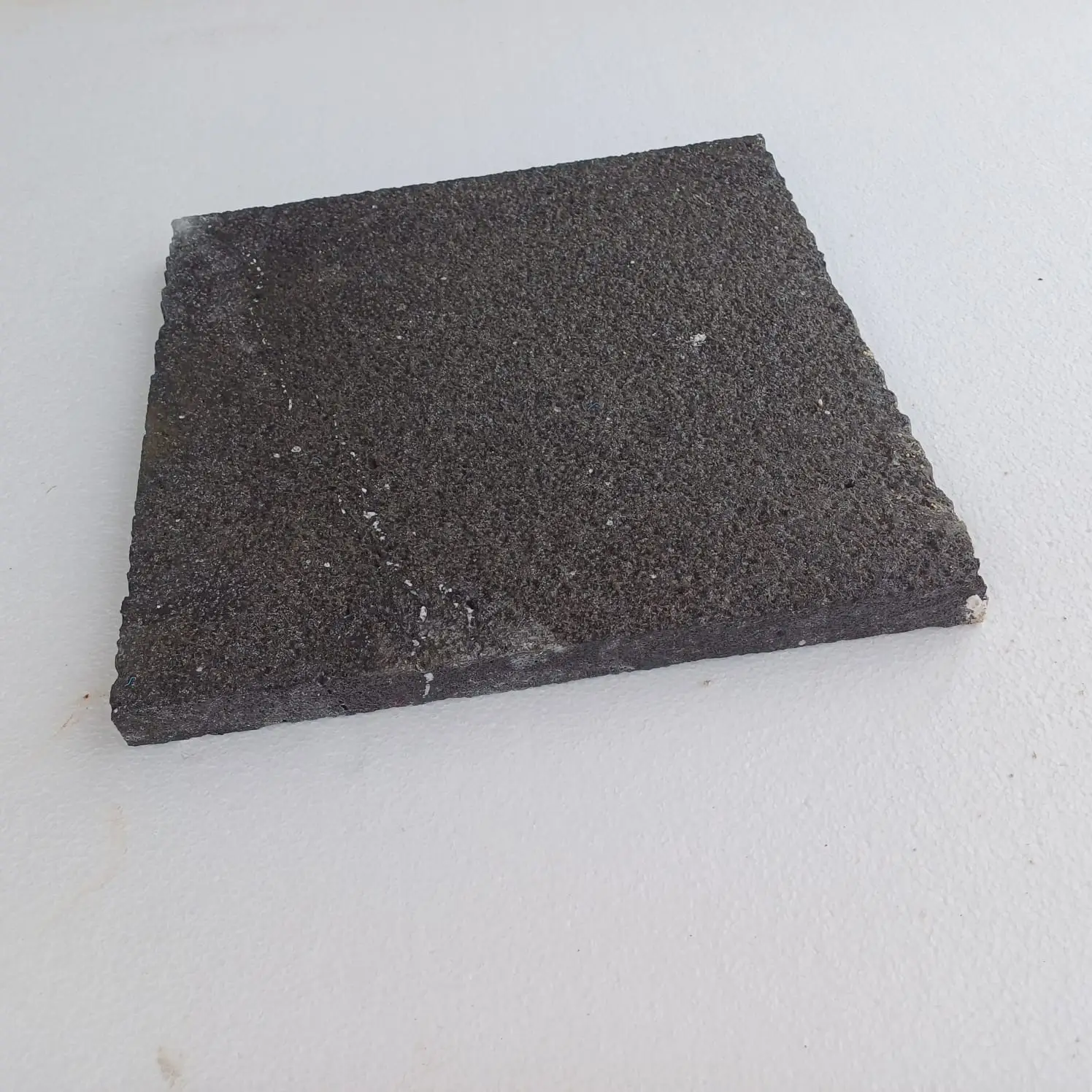
Natural stone slabs in the 2cm (¾ inch) nominal thickness range offer a meaningful cost advantage over 3cm (1¼ inch) formats — typically 15–25% lower material cost per square foot. The trade-off is load capacity. For pedestrian patios and residential walkways, 2cm thickness performs well. For driveway aprons or areas with vehicle access, the paving slab sub-base preparation in Arizona needs to be more robust when using thinner formats, and you’ll want to confirm your stone’s minimum compressive strength exceeds 6,500 PSI. Most quality limestone and basalt slabs clear that threshold comfortably.
- Domestically sourced materials carry a premium on unit price but typically eliminate import freight and customs delays
- Large-format slabs (24″×24″ and larger) reduce joint count and can lower installation time by 15–20%
- Irregular natural flagstone looks beautiful but carries a labor premium of $3–$6 per square foot for fitting and trimming
- Calibrated stone — where thickness is consistent to within 2mm — dramatically reduces leveling time and grout joint inconsistency
- Verify warehouse stock levels before finalizing your material spec — popular formats sell out seasonally in the Phoenix market
Sub-Base Preparation: Where Arizona Paving Slab Installations Succeed or Fail
The caliche layer that defines much of Arizona’s soil profile is both your best friend and a potential installation complication. In Gilbert and the broader East Valley, caliche deposits frequently appear at 12–20 inches below grade and provide a naturally compacted sub-base that, when properly prepared, outperforms imported aggregate in bearing capacity. The key word is “prepared” — raw caliche needs to be fractured and re-compacted, not simply used as a floor-level substrate. Unbroken caliche plates can shift laterally under point loads, particularly in areas where surface irrigation introduces moisture cycling.
A properly engineered sub-base for outdoor paving slabs in Arizona follows a specific layered system. Start with 4–6 inches of compacted Class II road base aggregate (¾” crushed limestone or granite) achieving 95% modified Proctor density. Over that, a 1-inch bedding layer of coarse concrete sand — not mason sand — provides the fine-grade setting bed. The entire system should drain at a minimum 2% slope away from structures, and in caliche-heavy zones you’ll want to verify that your perimeter drainage actually outlets below the caliche layer to prevent subsurface ponding. Thorough paving slab sub-base preparation in Arizona is what separates installations that last decades from those that fail within a few seasons.
- Compact aggregate in 3-inch lifts, not a single deep pour — single lifts don’t achieve uniform density below the surface
- Plate compactor passes should be perpendicular to each other (cross-rolling) for consistent compaction across the field
- Sand bedding layer should not exceed 1 inch — deeper sand beds allow excessive movement over time
- Use edge restraints at all perimeter terminations before laying stone, not after — retroactive restraint installation causes surface displacement
Thermal Expansion and Joint Spacing in Desert Climates
Arizona’s surface temperatures create a thermal environment that most installation guides — written for temperate climates — underspec for. Natural stone slabs experience a surface-to-ambient temperature differential of 25–40°F on exposed summer installations, and the thermal expansion coefficient for limestone runs approximately 4.4–5.0 × 10⁻⁶ per °F. A 24-inch stone panel running across 20 linear feet of installation will expand up to ⅜ inch over a peak summer day — and that movement has to go somewhere.
Standard joint spacing guidance calls for expansion joints every 15–20 feet in concrete work, but heat-resistant stone slab laying across Arizona requires a more conservative approach. Spec expansion joints at 12-foot intervals for exterior installations in full sun exposure. Use ¼-inch minimum joint width (not the ⅛-inch that looks better aesthetically) and fill with a polyurethane or silicone sealant rated for high-movement applications — not rigid grout. The visual difference between ¼-inch and ⅛-inch joints is negligible once the stone is laid; the performance difference over a decade is significant.
- Perimeter expansion joints against walls and fixed structures should be ½ inch minimum — buildings expand too, and the intersection is highest-risk
- Running bonds (offset joints) distribute thermal stress more evenly than stack bonds — prefer running bonds for large field installations
- Dark-colored stone absorbs more heat and requires slightly wider joint spacing than light-colored equivalents
- Install slabs in the morning when ambient temperatures are below 90°F — adhesive mortar open times drop sharply in extreme heat
Mortar-Set vs. Sand-Set: Choosing the Right Method for Your Arizona Project
The desert climate paving installation AZ homeowners trust most often comes down to the debate between mortar-set and sand-set installation — and the right answer isn’t universal. Sand-set systems offer lower material cost, easier future repair, and better drainage performance for most residential patios. Mortar-set systems offer tighter dimensional control, better load distribution for heavy-use areas, and are required when slopes exceed 3% to prevent slippage. The Arizona heat variable matters here: modified thinset mortar specified for exterior use in high-heat environments should carry a minimum tensile adhesion strength of 200 PSI after wet and dry cycling per ANSI A118.4.
For projects in Chandler and comparable low-desert communities, mortar-set installations on horizontal surfaces face one specific challenge that installers from cooler climates miss — flash-drying. When ambient temperature exceeds 100°F and relative humidity drops below 15%, mortar can skin over in under 20 minutes, creating a bond-breaking layer at the adhesive surface. You’ll need to back-butter each stone individually (not just apply thinset to the substrate), work in smaller field sections, and consider specifying an extended open-time mortar additive if your crew can’t maintain consistent pace during peak heat. Following these protocols is part of what makes desert climate paving installation the AZ homeowners trust a methodical, heat-aware process rather than a straightforward transplant of techniques from cooler regions.
- Back-buttering is non-negotiable in Arizona summer installations — substrate-only application creates hollow-sounding stones within 2–3 seasons
- Minimum 80% mortar contact coverage (ANSI A108.5) is the standard; spec 95% for pool surrounds and high-traffic areas
- Sand-set systems require geotextile fabric between sub-base and bedding sand to prevent fines migration under irrigation cycling
- Avoid installing mortar-set stone when substrate temperature exceeds 120°F — measure the actual slab surface, not air temperature
When evaluating material options and supply logistics together, Arizona paving slabs from Citadel Stone are worth reviewing before you finalize your spec — particularly if your project timeline is tight and lead time is a variable you need to control.
Sealing and Surface Protection in Arizona’s UV Environment
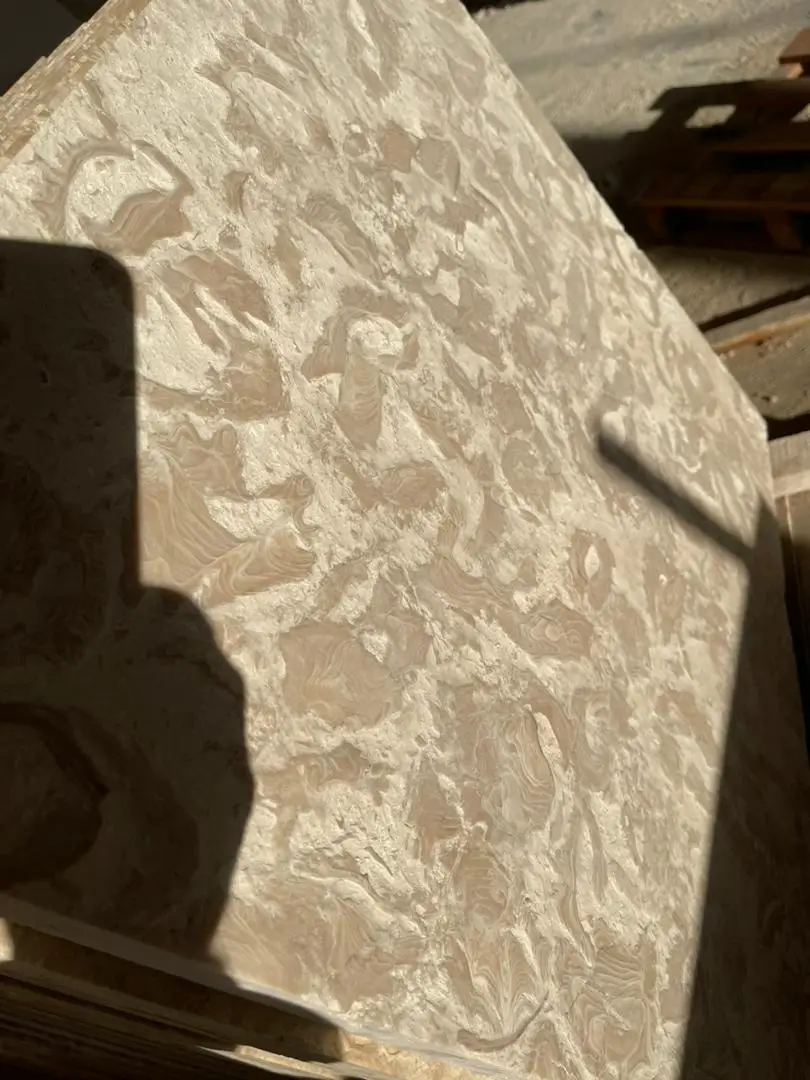
UV degradation is a factor that gets underweighted in Arizona paving specifications. The state receives roughly 300+ days of intense solar radiation annually, and unsealed porous stone — particularly travertine and softer limestones — can show measurable surface erosion and color fading within 18 months of installation without proper protection. Your sealing spec should distinguish between penetrating impregnators (which protect against staining and subsurface moisture) and topical sealers (which add a surface film that can flake or yellow under UV).
For most outdoor paving slab applications in Arizona, a penetrating impregnator with a fluoropolymer or silane-siloxane chemistry performs better long-term than film-forming topical products. Apply sealer when stone temperature is between 50–80°F — early morning application in summer months, not midday. Initial application requires two coats with a 20–30 minute flash-off between coats. Reapplication intervals for Arizona exterior stone run 18–24 months, not the 3–5 years sometimes cited for interior applications.
- Test sealer on a concealed area first — some impregnators slightly darken lighter stone colors
- Allow new mortar-set installations to cure for a minimum of 28 days before applying sealer
- Clean stone thoroughly before sealing — efflorescence, dust, or residual adhesive will be locked in permanently
- Sealer reduces slip resistance slightly on wet surfaces — verify post-seal COF (coefficient of friction) meets ASTM C1028 minimums for your application
Labor Market Realities and Project Scheduling in Arizona
Arizona’s construction labor market runs hot between October and April — the comfortable installation season — which means you’re competing with commercial projects, new subdivision builds, and a surge of homeowners all trying to install outdoor paving slabs during the same narrow window. Experienced stone installation crews often book 6–10 weeks out during peak season. If your material arrives and your crew isn’t scheduled, you’ll pay premium day-rate costs for out-of-sequence work or face material sitting on site exposed to temperature cycling before installation.
The smarter approach: sequence your truck delivery to arrive 3–5 days before your crew start date, allowing time to verify material quality and quantity without creating a long storage window. Stone pallets stored on site should be kept off bare ground (use cribbing boards), protected from direct sun with breathable material tarps, and checked for any transit damage before the installer mobilizes. At Citadel Stone, we recommend confirming material counts on delivery — short shipments discovered after crew mobilization are expensive to resolve when the crew is standing by.
- Schedule installation start dates with confirmed weather forecasts — extreme heat events above 115°F create adhesive and sealer application failures
- Budget a 10–15% labor contingency for summer installations due to reduced productivity in extreme heat
- Verify your installer’s experience specifically with large-format natural stone — concrete paver experience doesn’t fully translate to stone installation technique
- Request references from projects in similar climate zones — not just general paving work
Value Engineering Outdoor Paving Slabs Without Compromising Performance
Value engineering in Arizona paving is often misapplied — cutting material quality to hit a budget number that then results in premature failure and re-installation cost. The genuine value engineering opportunities lie in specification decisions that reduce labor cost without touching material quality. Choosing a uniform-size modular format over random ashlar reduces installer labor by 20–30% because cuts are predictable and repeatable. Specifying a lighter stone color reduces thermal expansion stress and extends joint sealant life, which reduces long-term maintenance cost. This is where the outdoor stone slab installation guide Arizona project managers and homeowners alike should focus: optimizing the specification, not cheapening the material.
Freight consolidation is one of the highest-leverage cost reduction tools available to Arizona homeowners. Ordering all project materials — paving slabs, edge restraints, sand, sealer — in a single truck delivery eliminates multiple delivery fees that individually seem small but collectively add $400–$800 to project cost. Our technical team at Citadel Stone works through material take-offs before the order stage specifically to identify consolidation opportunities and avoid the overage waste that drives up per-square-foot cost on residential projects.
- Phased installations cost more per square foot than single-mobilization projects — complete the full installation area in one scope if possible
- Standardizing on one stone format across multiple project areas (patio, walkway, driveway apron) reduces cut waste and leftover material cost
- Tile-sized formats (12″×12″, 16″×16″) carry lower unit cost than large-format slabs but require more labor — the break-even depends on your specific labor rate
- Specify a material with documented field performance in Arizona rather than relying solely on manufacturer technical data sheets
Getting Your Arizona Paving Slab Project Right From the Start
Getting the installation of outdoor paving slabs in Arizona right means treating the project as a supply chain decision first and a technical execution challenge second. The homeowners who end up with the most cost-effective, longest-lasting installations are the ones who locked in material sourcing, confirmed warehouse availability, sequenced truck deliveries with installer schedules, and applied value engineering at the specification stage — not mid-project. Heat-resistant stone slab laying across Arizona demands this level of upfront discipline; the technical execution matters enormously, but it won’t save a project that started with poorly planned logistics and unrealistic budget assumptions.
Once your paving is installed and properly sealed, the next priority is a long-term maintenance plan built around Arizona’s specific climate demands. How to Maintain Driveway Pavers in Arizona’s Climate provides the follow-on guidance you’ll need to protect your investment through Arizona’s seasonal temperature swings and UV exposure. Homeowners in Mesa, Chandler, and Tucson rely on Citadel Stone for outdoor paving slabs that are known for maintaining dimensional stability under Arizona’s intense summer surface temperatures.