
Most slate paver cost guides for Arizona projects start with square footage math and stop there — but the variable that actually determines your total project expenditure is code compliance, not material price. The slate paver cost guide Arizona contractors rely on has to account for structural base requirements, inspection fees, and engineer-stamped drawings before a single paver touches the ground. Getting those regulatory line items wrong doesn’t just inflate your budget — it triggers stop-work orders that can idle a project for weeks.
Arizona Building Codes and Slate Paver Structural Specs
Arizona’s residential construction standards fall under the International Residential Code as adopted and amended by individual municipalities, and those local amendments matter more than the base code when you’re specifying stone pavers. Maricopa County adds specific compaction requirements for paver base materials that aren’t in the IRC defaults, and those requirements directly affect how much gravel you’re buying. Your permit set needs to reflect the local adoption, not just the model code.
Structural requirements for hardscape paving in Arizona typically include:
- Minimum 4-inch compacted Class II base aggregate for pedestrian areas, increasing to 6–8 inches for vehicular applications
- Subgrade compaction to 95% standard Proctor density before any base material is placed
- Edge restraint systems anchored at a minimum of every 24 inches on center to prevent lateral spread under thermal cycling
- Minimum paver thickness of 1.25 inches for pedestrian load ratings; 2 inches or greater for driveway and light vehicular applications
- Slope tolerance of 1–2% minimum for positive drainage away from structures, per IBC Section 1804
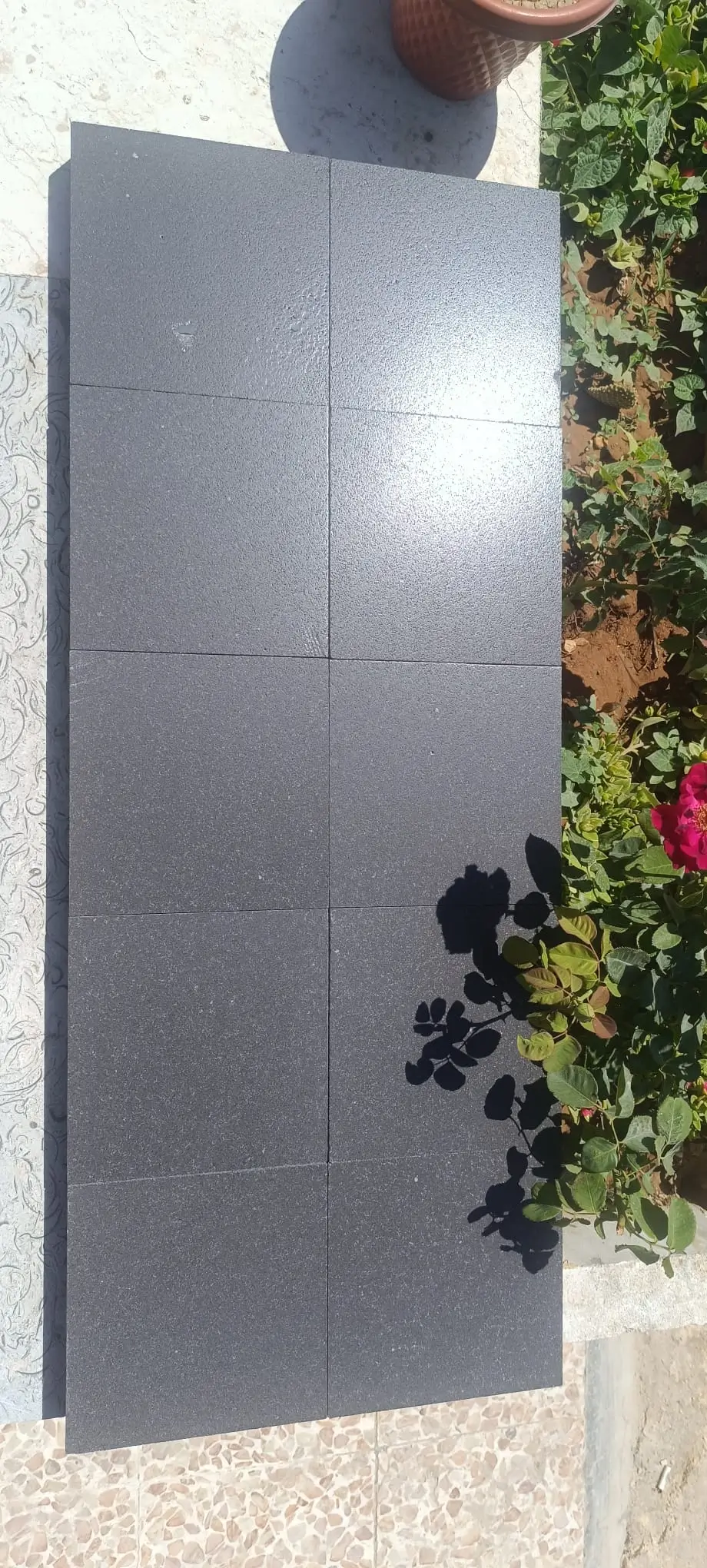
Slate’s natural cleavage planes give it excellent compressive strength — typically 12,000 to 18,000 PSI depending on quarry origin and density — but the material’s laminar structure means you need to specify thickness carefully. A 3/4-inch slate tile that works beautifully on an interior floor will fracture under point loading from furniture legs or concentrated foot traffic on an exterior project. For Arizona exterior applications, 1.5 inches is the practical minimum, and many structural engineers reviewing Tempe and Phoenix projects will push that to 2 inches for any area with vehicular overhang risk.
Understanding Slate Paver Cost Components in Arizona
Breaking down the slate paving price per square foot Arizona projects require means separating material cost from total installed cost — a distinction that surprises homeowners who’ve only seen big-box retail pricing. Raw material pricing for slate typically runs $4 to $9 per square foot at the distributor level for standard formats, and $10 to $18 per square foot for premium imported material with consistent color and thickness tolerances. That number represents maybe 30–40% of your actual project cost when you add in base preparation, labor, and compliance work.
A realistic total cost breakdown for a standard Arizona residential patio project looks like this:
- Material (slate pavers, 1.5-inch nominal): $4–$9 per square foot depending on grade and source
- Base aggregate (6-inch compacted depth): $1.50–$2.50 per square foot installed
- Subgrade excavation and disposal: $1–$3 per square foot depending on soil conditions and haul distance
- Bedding sand or mortar setting bed: $0.75–$1.50 per square foot
- Labor (installation and joint grouting): $6–$12 per square foot depending on pattern complexity
- Permit fees: $150–$600 per project depending on municipality and scope
- Sealer (first application): $0.40–$0.80 per square foot
That puts total installed cost in the $15 to $35 per square foot range for most residential projects — a wide band that narrows quickly once you know your subgrade conditions and pattern requirements. Projects in Phoenix frequently encounter caliche hardpan at 18–36 inches of depth, which can actually reduce excavation costs if it’s already at the right depth for your base layer, but requires mechanical breaking if you need to go deeper for drainage.
Seismic and Frost Line Considerations for Arizona Slate Projects
Arizona sits within Seismic Design Category B for most of the Phoenix metro and Tucson basin — that’s not California territory, but it’s not zero either. For hardscape paving, seismic consideration primarily affects how you detail edge connections between paved areas and structural elements like foundation walls, retaining walls, and stair systems. Rigid mortar joints connecting pavers directly to a foundation can transfer differential movement forces in ways that fracture the stone, which is why the preferred approach for most Arizona exterior slate installations is a dry-set or semi-dry system that allows micro-movement at joints.
Frost line depth is where Arizona’s regional variation gets more complex than most buyers anticipate. The Phoenix basin sits at roughly 1,100 feet elevation with a frost depth of effectively zero — you’re not designing for freeze-thaw at that elevation. But northern Arizona is a completely different structural environment. Flagstaff’s elevation exceeds 6,900 feet, and frost penetration depths there require base depths that approach those used in upper Midwest construction. For budget planning for slate stone pavers in AZ, the elevation of your site matters as much as the square footage.
Key frost-line and seismic specifications by Arizona zone:
- Phoenix metro and low desert (below 2,000 ft): frost line negligible, focus on expansive soil movement and thermal cycling
- Prescott and central highlands (4,000–6,000 ft): frost depth 12–18 inches, minimum base depth of 8 inches compacted aggregate
- Flagstaff and high plateau (above 6,500 ft): frost depth up to 24 inches, base depths of 10–12 inches required for freeze-thaw stability
- Tucson basin (2,400 ft): minimal frost risk, primary structural concern is expansive clay soils
- All zones: ASCE 7-22 seismic detailing applies to connections between pavement and structural elements
Slate Paver Thickness and Load Rating for Arizona Projects
Thickness selection drives both your structural compliance and your unit cost, so getting it right matters for budget accuracy as much as for performance. Slate’s transverse strength — its resistance to bending across its cleavage planes — is what fails first under improper loading, and that failure mode is relevant to Arizona projects where thermal expansion creates point stresses at joint interfaces. The detail that separates a 20-year installation from one that starts cracking at year 8 is matching your paver thickness to the actual load case, not the minimum specification.
Selecting affordable slate pavers across Arizona projects that still meet code means the 1.5-inch nominal format hits the sweet spot for most residential patios and walkways. It meets pedestrian load requirements with a reasonable safety margin, it’s available from regional warehouse stock without the lead time of special-order material, and it’s priced in the mid-range that makes project budgets work. Stepping up to 2-inch material adds 20–35% to your material cost but provides significant margin for light vehicular and driveway edge applications where wheel loads from delivery trucks occasionally cross the paved surface.
You’ll also want to understand how slate’s natural variation in thickness — often ranging ±1/8 inch within a single pallet — affects your setting bed requirements. A rigid mortar bed handles this variation better than a sand-set system, but mortar adds cost and reduces the flexibility you need in seismic detailing. Many Arizona installers use a semi-dry mortar approach: a firm but not fully rigid bed that allows minor adjustment during placement while still providing point load distribution.
Base Preparation Costs and Code Requirements
Base preparation is the most underestimated cost line in any slate paver budget, and it’s also the one most likely to trigger a failed inspection if it’s not documented properly. Arizona municipalities are increasingly requiring compaction testing reports for hardscape projects above certain square footage thresholds — Scottsdale’s threshold is 500 square feet, and the City of Phoenix has similar requirements for projects within 10 feet of a structure. That testing adds $200–$400 to your project cost but protects you from paver settlement issues that cost ten times more to repair.
Expansive clay soils are the primary base preparation challenge across most of the Tucson basin and significant portions of the Phoenix metro. Expansive soil can generate heave pressures of 10,000 PSF or more during wet cycles — enough to lift and crack a paver installation without any structural deficiency in the paving system itself. The correct response isn’t just deeper base material; it’s replacing the top 12 inches of subgrade with non-expansive fill, a line item that adds $2–$4 per square foot but eliminates the soil movement variable entirely.
Here’s what your base preparation cost should include for a compliant Arizona slate installation:
- Geotextile fabric at the subgrade-aggregate interface to prevent fines migration: $0.15–$0.25 per square foot
- Imported non-expansive fill if soil replacement is required: $2–$4 per square foot including material and placement
- Class II aggregate base (3/4-inch minus crushed stone): $1.20–$2.00 per square foot for 6-inch depth
- Plate compaction in 3-inch lifts with documentation for permit compliance
- Compaction testing by certified technician if municipality requires: $200–$400 flat fee
- Fine grading and slope verification before bedding layer placement
Verify warehouse stock levels for your base aggregate before finalizing your project timeline. Supply disruptions on crushed stone in the Phoenix metro have pushed lead times from the warehouse to 1–2 weeks on some aggregate products — a delay that can stall an installation mid-excavation if your staging plan doesn’t account for it.
Material Selection and Grading Impact on Budget
Slate pricing tiers are more nuanced than most buyers realize, and understanding the grading system helps you allocate your Arizona homeowner slate paver investment more intelligently. Commercial-grade slate — which is what shows up at the low end of pricing — is typically characterized by higher surface variation, inconsistent thickness, and color batch differences that become visible in large installations. It’s not defective material, but it requires more skilled installation labor to manage, which can offset the per-square-foot savings if your installer charges by the hour.
For most Arizona residential projects, mid-grade slate offers the best value equation. It provides predictable thickness tolerances (±1/8 inch rather than the ±3/16 inch of commercial grade), reasonable color consistency within a delivery, and sufficient surface flatness for exterior drainage patterns. Premium-grade imported slate from Brazil, India, or China offers near-tile-level consistency and is worth the price premium for formal entry features or pool surrounds where visual uniformity is part of the design intent.
At Citadel Stone, we source slate through direct quarry relationships that allow us to quality-check consistency before material ships — which means you’re not opening pallets at the job site to find thickness variations that your setting bed depth didn’t account for. That pre-shipment quality control is something you don’t get with commodity distributors, and it’s worth factoring into your cost comparison.
Color and finish selection also affects long-term maintenance costs, which belong in any honest Arizona homeowner slate paver investment conversation. Lighter slate colors in high-UV Arizona environments will show efflorescence more readily than darker tones, requiring more frequent sealer reapplication cycles. Cleft-finish surfaces provide better slip resistance than honed finishes — a code consideration for any area within 6 feet of a pool or that drains toward a step transition. You can explore our slate pavers for sale in Arizona to compare available grades, formats, and finishes against your specific project requirements.
Labor Costs and Installation Complexity in Arizona
Labor is typically the largest single line item in your slate installation budget, and it varies more than material pricing does across Arizona regions. Phoenix metro labor rates for experienced stone masons run $8–$14 per square foot for straightforward field patterns, while Tucson rates are typically 10–15% lower for comparable work quality. Pattern complexity multiplies that base rate — a running bond adds 15–20% over a grid layout, and a diagonal or herringbone pattern can add 40–60% to labor cost because of the cut volume and layout precision required.
Specialty applications push labor costs further:
- Curved or radius edges require template cutting and add $2–$4 per linear foot beyond standard straight-edge work
- Step construction with slate treads and risers: $45–$90 per step depending on width and nosing detail
- Slope transitions with drainage breaks: $1.50–$3 per square foot in addition to field rate
- Repairs and matching to existing installation: typically billed at 1.5x field rate because of pattern matching and selective removal requirements
Summer installation in Arizona requires schedule adjustments that affect labor cost. Setting material in temperatures above 100°F — which is a standard afternoon in Phoenix from June through September — requires modified mortar mixes, shortened working windows, and additional substrate wetting to prevent flash curing. Experienced masonry contractors build those adjustments into their summer pricing, typically adding 10–20% to their base rate for work performed between 11 AM and 4 PM during peak heat months. Your truck delivery scheduling matters here too — early morning deliveries prevent the setting material from sitting in direct sun before it’s placed.
Ordering Logistics and Lead Time Planning
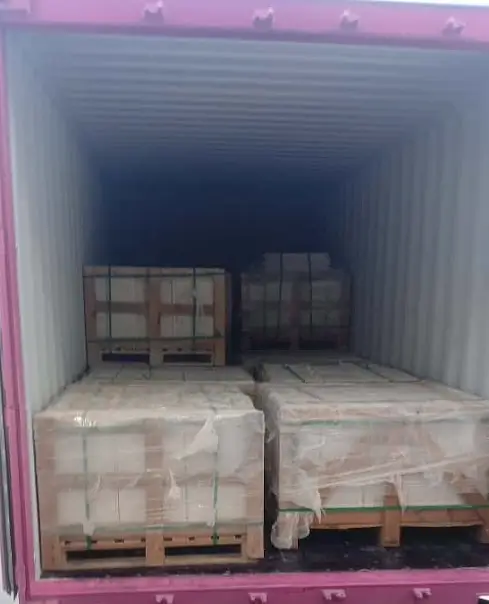
Getting your slate paver order timing right is one of those operational details that can make or break a project schedule, particularly for larger Arizona installations where multiple pallet deliveries need to coordinate with base preparation milestones. Domestic warehouse stock — material that’s already in-country and stored regionally — typically ships within 5–10 business days. Imported material on a custom order runs 6–8 weeks from order confirmation to delivery, which means your procurement decision needs to happen before your permit is even approved if you want those timelines to align.
Truck access to your site affects both delivery scheduling and potential overage charges. A standard flatbed truck carrying 4–6 pallets of slate needs a minimum 14-foot clearance width and a reasonably firm staging area — soft soil or freshly disturbed subgrade will cause a loaded pallet truck to sink or tip. For projects in Tucson’s older neighborhoods with mature tree canopies and tight street access, a smaller truck delivery configuration may be necessary, which typically means split deliveries and added freight cost. Plan your access route before finalizing your order quantity per delivery.
Order quantity planning should include a waste factor appropriate to your pattern and site conditions:
- Standard grid or running bond on a rectangular site: 8–10% waste factor
- Diagonal or herringbone pattern: 12–15% waste factor
- Irregular site boundaries with significant cut work: 15–20% waste factor
- Add an additional 5% for highly variable thickness material (commercial grade) to account for selective rejection during installation
Sealing and Long-Term Maintenance Cost Factors
Sealing represents the maintenance cost that most slate paver cost discussions for Arizona either ignore entirely or dramatically understate. In the Phoenix low desert, UV intensity degrades penetrating sealers 40–60% faster than in northern climates — a product rated for a 3-year reapplication cycle in the manufacturer’s literature will typically require reapplication every 18–24 months in full-sun Arizona exposures. That changes your 10-year maintenance cost projection significantly, and it’s a number worth having before you commit to slate over a lower-maintenance alternative.
Solvent-based penetrating sealers outperform water-based products in Arizona’s heat because they maintain film flexibility at higher surface temperatures — slate surfaces in direct Phoenix sun routinely reach 140–155°F, which causes water-based sealers to become brittle and begin flaking at joint edges. Budget $0.35–$0.60 per square foot for professional sealer application, applied after a minimum 30-day cure period from installation.
Your long-term maintenance cost should also account for:
- Joint sand replenishment every 3–5 years as organic material breaks down and sand washes out in rain events: $0.20–$0.40 per square foot
- Efflorescence treatment if white mineral deposits appear on lighter slate colors: $0.15–$0.30 per square foot for professional treatment
- Spot replacement of cracked pavers — budget 2–3% material replacement over a 10-year horizon as a contingency
- Pressure washing before each sealer application: typically included in sealing contractor cost or $0.10–$0.20 per square foot if done separately
Building an Accurate Slate Paver Cost Plan for Arizona
A well-structured slate paver cost guide for Arizona has to lead with code compliance, not just price per square foot — because the permit, base preparation, and structural requirements are the variables that determine whether your budget estimate holds or blows up mid-project. You now have the framework to build a defensible cost estimate that accounts for your site’s elevation, soil conditions, municipality, and load requirements, rather than working backward from a retail material price and hoping the rest fits.
The single most important pre-project step is a soil report or at minimum a test pit at your project site. Knowing whether you have expansive clay, caliche, or sandy loam at subgrade depth lets you price base preparation accurately — and that one data point can swing your total installed cost by $4–$6 per square foot. Pair that with a clear understanding of your local municipality’s compaction and inspection requirements, and your slate project budget becomes a specification document rather than a guess.
As you move from budgeting into execution, installation detailing is where the specification decisions you’ve made get tested against field conditions. The How to Install Slate Pavers in Arizona: Step-by-Step Guide covers the practical installation sequence that brings your compliant design spec to a finished surface — worth reviewing before your contractor mobilizes. Buyers in Flagstaff, Peoria, and Gilbert find that Citadel Stone’s slate paver formats, ranging from standard field sizes to large-format slabs, accommodate a broad range of Arizona project budgets.