

Budget miscalculations sink more Arizona slate paver projects than poor installation technique ever will — and the gap between a realistic budget and an optimistic one almost always traces back to freight costs, material sourcing decisions, and local labor market conditions that vary dramatically across the state. Installing slate pavers in Arizona requires you to think like a contractor and a procurement specialist simultaneously, because the material-to-labor cost ratio here doesn’t behave the way it does in California or Texas. Slate sourced from distant quarries arrives on truck with freight markups that can add 15–25% to your material cost before a single paver touches the ground. Understanding these dynamics upfront is what separates a project that finishes on budget from one that stalls mid-installation.
The Arizona Cost Landscape for Slate Paver Projects
Arizona sits in an interesting position for natural stone procurement — close enough to Nevada and California quarry networks to benefit from regional supply, but far enough from major East Coast stone ports that imported slate carries meaningful freight premiums. Your total project cost for installing slate pavers in Arizona will typically land between $18 and $38 per square foot installed, depending on slate grade, slab size, and the specific labor market in your area. That’s a wide range, and where you fall within it depends heavily on decisions made before installation even begins.
The material-to-labor split in Arizona runs roughly 45–55% material and 45–55% labor for mid-complexity residential projects. That ratio shifts toward labor in markets like Chandler, where experienced stone installation crews are in high demand and day-rate labor costs reflect that. Value engineering your project means understanding which half of that equation you have more leverage over — and for most Arizona homeowners, strategic sourcing decisions on the material side offer the most accessible savings without compromising quality.
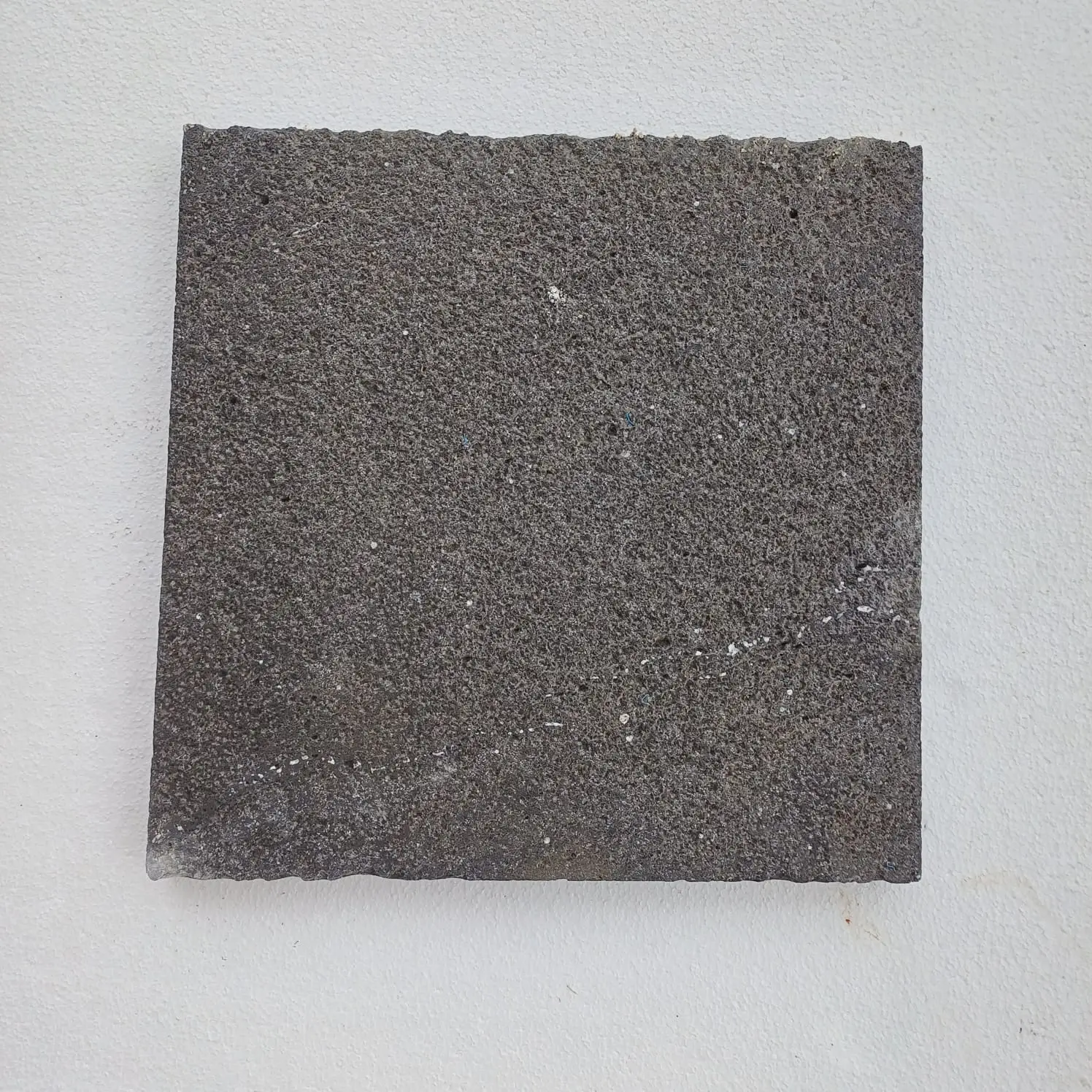
Sourcing Slate Pavers in Arizona: Freight, Availability, and Lead Times
Domestic slate primarily comes from Virginia, Pennsylvania, and Vermont quarries — all of which mean substantial truck freight to reach Arizona job sites. Imported slate from Brazil, China, and India moves through West Coast ports, which shortens the final haul but introduces longer lead times and less predictable quality control. Your sourcing decision isn’t just aesthetic; it’s a logistics calculation that directly affects your project timeline and unit cost.
At Citadel Stone, we maintain warehouse inventory of slate pavers in our regional facility, which cuts typical lead times from the 6–8 week import cycle down to 1–2 weeks for in-stock material. That difference matters when you’re coordinating contractor schedules and don’t want a 500-square-foot patio installation held up by a freight delay. Verify current warehouse stock levels before you commit to project start dates — even well-stocked suppliers can face inventory gaps during peak spring and fall installation seasons in Arizona.
- Domestic slate freight to Arizona averages $0.85–$1.40 per square foot depending on origin point and shipment volume
- Full-pallet orders reduce per-unit freight cost by 20–30% compared to partial pallet shipping
- Regional warehouse availability eliminates cross-country freight entirely and compresses lead times significantly
- Import slate from Brazilian or Indian quarries requires 8–12 week planning windows to avoid project delays
- Ordering 10–15% overage on material is standard practice — restocking mid-project from a different lot risks color variation
Outdoor Slate Paver Base Preparation in Arizona
The outdoor slate paver base preparation in Arizona that most contractors reference in their bids assumes standard soil conditions — but Arizona soil is rarely standard. Caliche hardpan appears unpredictably across the Phoenix metro area, and while it creates an excellent sub-base when encountered at the right depth, it requires mechanical breaking when it sits too shallow. Projects in Peoria frequently hit caliche layers at 12–18 inches, which can add equipment rental costs and disposal fees that weren’t in the original bid.
Your base preparation sequence for Arizona slate paver installations should follow this progression:
- Excavate to a minimum depth of 8 inches below finished surface elevation for residential foot traffic applications
- Compact native soil to 95% Proctor density before adding any aggregate base material
- Install a minimum 4-inch layer of 3/4-inch crushed aggregate, compacted in two lifts
- Add a 1-inch setting bed of coarse sand or decomposed granite for final leveling
- Verify base is sloped at 1/8 inch per foot minimum for positive drainage away from structures
- Allow 48–72 hours after final compaction before laying pavers — don’t rush this step in Arizona’s dry conditions
Desert soil in the low elevation Phoenix basin expands and contracts with moisture changes — rare as those are — more aggressively than many contractors expect. Your base depth recommendation should increase by 1–2 inches for projects in areas with known expansive clay soils, which appear in pockets throughout the East Valley. Applying the correct outdoor slate paver base preparation in Arizona from the outset prevents costly remediation after the first monsoon season cycles through.
Arizona Heat-Rated Slate Paving Installation: What the Desert Demands
The Arizona heat-rated slate paving installation guide most suppliers provide is written for general desert climates — but the specific conditions across Arizona’s low desert zone push slate performance factors harder than those documents acknowledge. Surface temperatures on dark slate pavers in direct Phoenix-area sun can reach 165–180°F in July and August, which means thermal expansion at the slab level becomes a real installation variable, not a theoretical one.
Slate’s thermal expansion coefficient runs approximately 5.5 × 10⁻⁶ per °F, which is relatively stable compared to concrete but still requires proper joint spacing to prevent edge chipping and surface cracking. For Arizona installations, you should specify joint widths of 3/16 to 1/4 inch minimum — slightly wider than the 1/8 inch you’ll see recommended in cooler climate guides. That extra joint width is your thermal relief valve, and skipping it is the single most common reason slate paver installations in Arizona develop cracked edges within the first two summers. Following a calibrated Arizona heat-rated slate paving installation guide — one written specifically for the low desert zone — is the clearest path to avoiding that outcome.
- Use polymer-modified sand for joint filling — standard dry-laid sand migrates in Arizona’s frequent wind and monsoon conditions
- Allow slate to acclimate on site for 24 hours before installation during summer months — extreme temperature gradients between shaded pallets and sun-exposed substrate create stress concentrations
- Schedule installation during cooler morning hours; mortar and adhesive setting times accelerate significantly when substrate temperatures exceed 100°F
- Avoid installation when ground surface temperature is above 110°F — adhesive pot life drops below practical working windows
Slate Paver Installation Steps for Arizona Desert Conditions
Following the slate paver installation steps Arizona desert conditions demand means adjusting standard procedure at several key points. The sequence itself isn’t dramatically different from other climates, but the timing, material specifications, and quality checkpoints shift meaningfully. Here’s the practical sequence that field experience validates for Arizona residential projects:
- Step 1 — Site grading and excavation: Establish finish grade, mark drainage direction, excavate to required depth
- Step 2 — Subgrade compaction: Compact native soil, address any soft spots with imported fill compacted in 3-inch lifts
- Step 3 — Aggregate base installation: Place and compact 3/4-inch crushed stone in two 2-inch lifts, verifying slope at each lift
- Step 4 — Edge restraints: Install rigid plastic or concrete edge restraints before setting bed — these contain lateral movement that would otherwise push pavers out of alignment
- Step 5 — Setting bed: Screed coarse sand or decomposed granite at 1 inch depth, do not compact — this layer remains loose for paver adjustment
- Step 6 — Dry-lay pattern: Arrange pavers in pattern without adhesive first, check alignment and joint spacing, make cuts before final placement
- Step 7 — Final setting: For dry-lay applications, press pavers firmly into setting bed; for mortar-set applications, back-butter each paver with polymer-modified mortar
- Step 8 — Joint filling: Sweep polymer-modified jointing sand into joints, compact lightly, repeat until joints are consistently filled to within 1/8 inch of surface
- Step 9 — Initial sealing: Apply penetrating sealer within 48–72 hours of completion to establish baseline protection before first monsoon season
Understanding how to lay slate pavers AZ-style — with climate-adjusted timing and material specs — separates installations that hold up for decades from those that show stress within the first two seasons. The dry-lay method addresses the how to lay slate pavers AZ question efficiently for most residential patios and walkways. Mortar-set applications are worth the additional cost for pool surrounds and areas with heavy furniture loads, where paver movement under point loading creates long-term joint sand loss.
Labor Market Conditions and Their Impact on Your Budget
Arizona’s construction labor market has tightened considerably in recent years, and specialty stone installation trades have felt that pressure acutely. Day rates for experienced slate installation crews in the Phoenix metro area run $55–$85 per hour, with crews capable of installing 200–300 square feet of slate pavers per day on prepared bases. Projects in suburban markets like Gilbert often carry slight premium labor rates compared to inner-ring Phoenix locations, reflecting longer crew commute times and the higher household income demographics that correlate with more complex, detail-intensive project specifications.
You can influence your labor cost without compromising installation quality by focusing on base preparation logistics. Contractors will reduce their day rates for projects where the base is fully prepared and compacted before their crew arrives — that prep work is slow, unglamorous, and interrupts the rhythm of stone installation. Separating grading and base work from the paver-laying phase, and using different trades for each, often saves 10–15% on total labor cost without cutting corners on craftsmanship.
For an informed look at how size decisions affect both material cost and labor efficiency on Arizona projects, Extra Large vs Standard Pavers: Which Is Better for Arizona Homeowners? walks through the specification trade-offs worth reviewing before you finalize your design layout.
Sealing and Long-Term Maintenance for Arizona Slate Installations
Sealing slate pavers in Arizona’s desert climate isn’t optional — it’s the difference between a 25-year installation and a 12-year one. The UV intensity at Arizona’s latitude degrades unsealed slate surfaces through a combination of surface oxidation and thermal cycling that progressively loosens the mineral matrix. A quality penetrating silane-siloxane sealer, applied biennially, maintains the stone’s structural integrity and prevents the surface spalling that unsuspecting homeowners attribute to “bad slate” when it’s actually deferred maintenance.
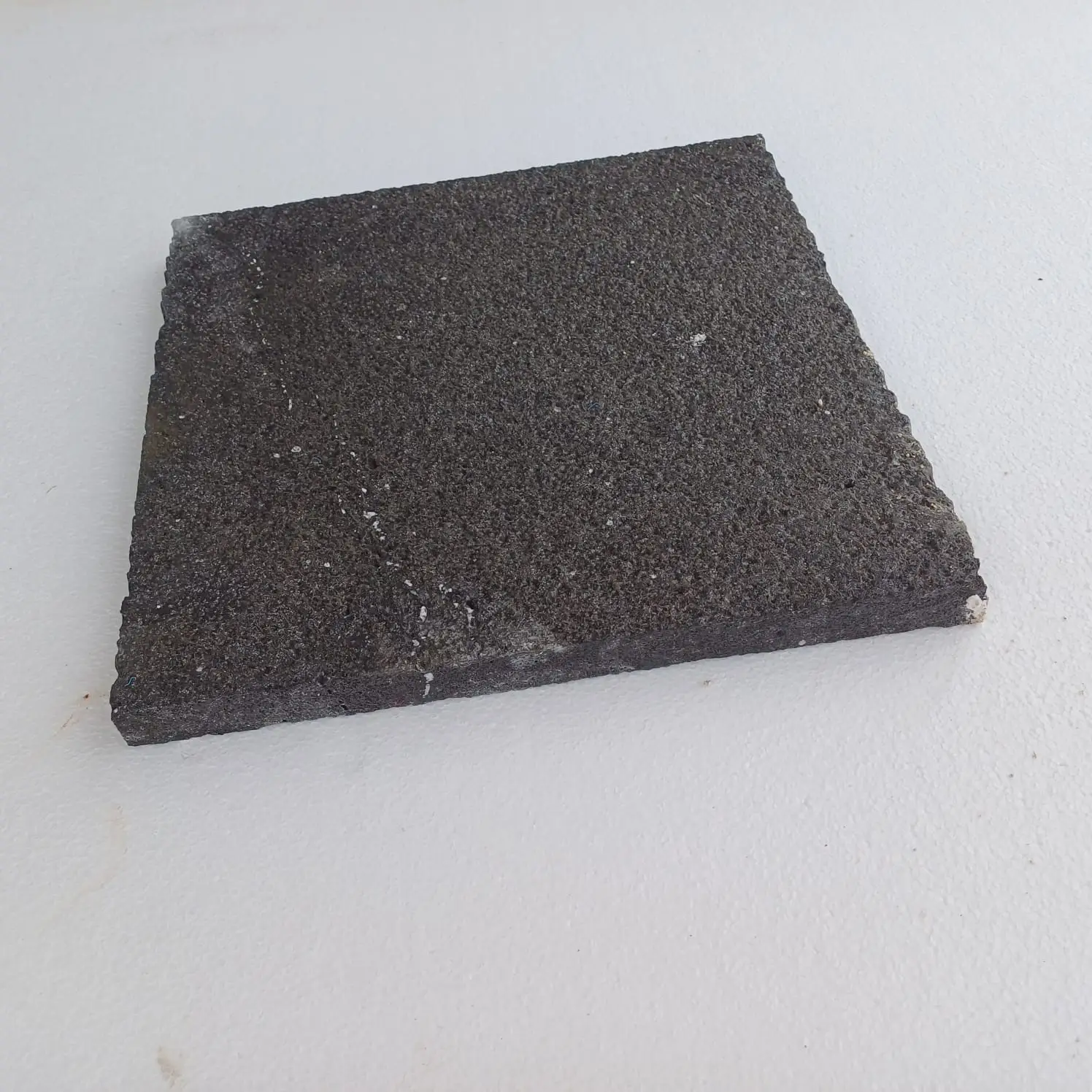
Your sealing schedule for Arizona should account for monsoon season timing. Apply sealer in late August or September after the monsoon season concludes — this gives the slate a clean, dry surface and allows the sealer to fully cure before the dry winter period. Spring application is the second-best window. Avoid sealing immediately before or during monsoon season; trapped moisture beneath an improperly cured sealer creates efflorescence that requires professional remediation to correct.
- Penetrating sealers (silane-siloxane blend): Best for natural slate — doesn’t alter surface appearance, allows vapor transmission
- Topical sealers: Avoid in Arizona’s heat — they peel, bubble, and trap moisture under high UV loads
- Application rate: Typically 200–300 square feet per gallon for slate’s porous surface — budget accordingly
- Reapplication interval: Every 24 months in full-sun Arizona applications; every 36 months in shaded installations
- Pre-sealing prep: Clean surface with pH-neutral stone cleaner, allow 48-hour dry time before sealer application
Our technical team advises clients to budget $0.35–$0.60 per square foot for professional sealing service, or roughly half that for DIY application if you’re comfortable with the process. Over a 20-year installation life, maintenance sealing represents a minor fraction of total investment relative to the replacement cost it prevents.
Value Engineering Your Arizona Slate Paver Project
Value engineering in stone projects gets misapplied constantly — it’s mistakenly understood as “buying cheaper material” when it actually means achieving the same performance outcome at reduced cost through smarter specification decisions. For installing slate pavers in Arizona, the highest-leverage value engineering moves are typically in sourcing strategy, not material grade selection.
Explore our Arizona slate paver installation range to compare thickness options, finish grades, and regional availability before committing to a specification — the right thickness selection alone can shift your material cost by $3–$6 per square foot without compromising installation performance.
- Specify 3/4-inch to 1-inch nominal slate thickness for pedestrian applications — thicker material adds cost without performance benefit at residential load levels
- Consider honed finish over natural cleft for high-traffic areas — honed surfaces show less wear pattern variation and maintain consistent appearance longer in Arizona’s dusty environment
- Consolidate material ordering into a single truck delivery — split deliveries double your freight cost and create lot variation risk
- Regional quarry or warehouse-sourced material eliminates long-haul freight and compresses your project timeline simultaneously
- Phase large projects across two installation seasons rather than rushing to complete in summer heat — quality improves and you spread budget impact
The material-to-labor cost ratio shifts in your favor when you’re working with a supplier that understands regional logistics. Lead times, batch consistency, and freight predictability all affect total project cost in ways that don’t appear in material unit price comparisons alone.
Parting Guidance on Installing Slate Pavers in Arizona
Installing slate pavers in Arizona rewards the homeowners and contractors who invest time in the planning phase — specifically in sourcing strategy, base specification, and labor coordination. The installation steps themselves are straightforward when you’ve built a solid procurement foundation beneath them. Your most significant cost savings come from freight decisions, not from material grade compromises, and your most significant performance gains come from base preparation and sealing discipline, not from the slate grade itself.
As you finalize your project scope and budget, keep the assigned angle in focus: Arizona’s regional market conditions, freight economics, and labor rate dynamics are the variables you have the most direct influence over. The stone performs as designed when it’s installed correctly — getting it to the site on time, at a predictable cost, and with a crew who understands desert installation conditions is the real challenge this market presents. Homeowners in Tucson, Mesa, and Chandler rely on Citadel Stone for slate pavers selected specifically for substrate compatibility in Arizona’s desert heat conditions.