
Size selection for extra large vs standard pavers Arizona projects hinges on a variable most homeowners don’t consider first: how UV radiation degrades stone surfaces differently depending on paver mass and exposed surface area. Larger format slabs concentrate UV stress over fewer seams and joints, which changes how color oxidation and surface breakdown progress over a 10-to-15-year exposure period. Understanding this relationship before you finalize dimensions can mean the difference between a patio that holds its appearance for two decades and one that starts looking washed out by year six.
How Arizona’s UV Load Actually Affects Your Paver Choice
Arizona sits at UV Index levels routinely reaching 11 or above — among the highest sustained solar radiation loads in North America. That figure isn’t just a sunburn warning for people; it’s a material science problem for natural stone. UV radiation doesn’t heat stone uniformly. It oxidizes mineral binders near the surface, bleaches iron-bearing compounds that give warm tones their depth, and accelerates the breakdown of any penetrating sealer you apply to protect the material.
The format size of your pavers directly affects how this process unfolds. Standard pavers — typically in the 12×12 or 16×16 inch range — have a higher joint-to-field ratio. Those joints accumulate grit, sand migration, and moisture, which creates micro-shading patterns that can actually show UV fading unevenly across a field. The extra large vs standard pavers Arizona decision starts here: you end up with pavers that look patchy well before structural degradation begins.
- Extra large formats (24×24 inches and above) present broader, uninterrupted stone faces to direct UV — which means fading and oxidation occur more evenly, giving the surface a more uniform aged appearance rather than a blotchy one
- Honed finishes absorb more UV energy than tumbled or brushed finishes, accelerating surface color shift in the high desert sun
- Iron-rich limestone and warm-toned travertine show UV color shift more visibly than cooler-toned basalt or silver-gray limestone
- Sealer reapplication cycles shift from every 3-4 years (mild climates) to every 18-24 months under Arizona’s UV index, regardless of paver format size
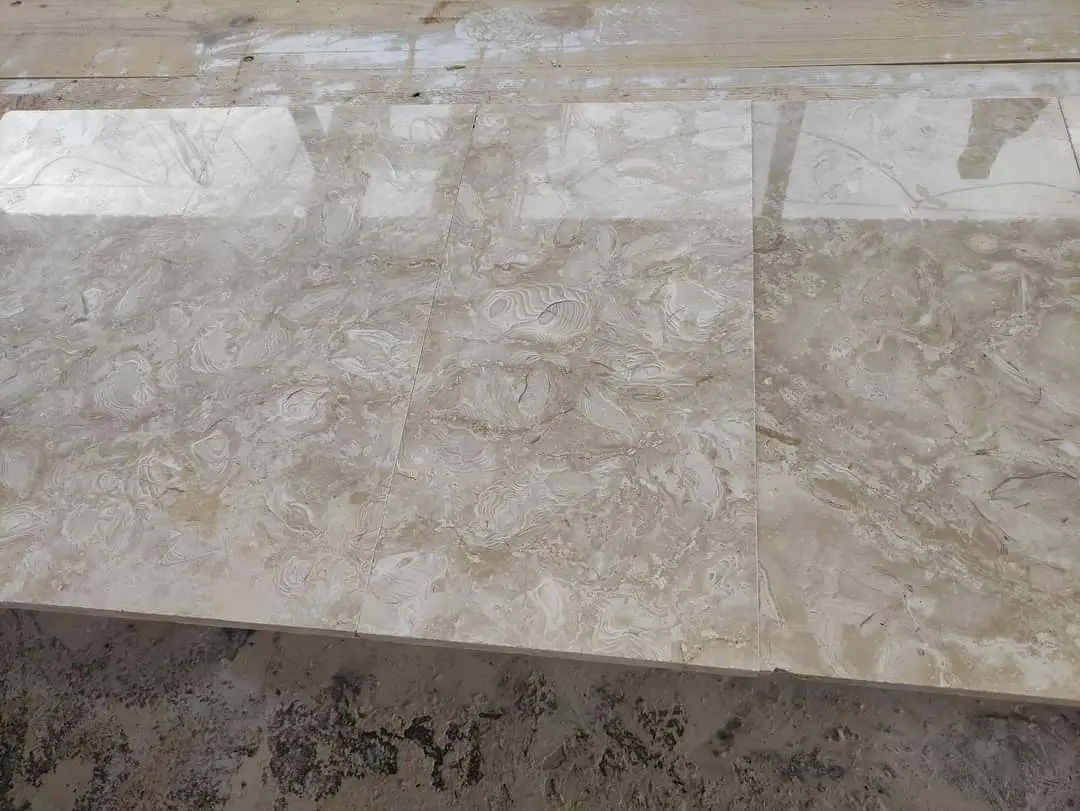
Standard Paver Dimensions: What You Actually Get
Standard pavers in the 12×12 to 18×18 inch range are what most masonry suppliers stock in volume. They’re easier to handle during installation, more forgiving on uneven bases, and quicker to replace if a single unit cracks or stains. For projects under roughly 400 square feet, standard dimensions often deliver the best practical value because the handling and layout advantages outweigh any aesthetic compromise.
The trade-off in Arizona’s UV environment is joint density. A 12×12 grid over a 600-square-foot patio creates significantly more linear feet of joint than a 24×24 layout covering the same area. Each joint line is a potential path for UV-accelerated organic growth, sand loss, and differential color development between the stone field and the joint material. Over time, that joint network becomes the dominant visual element — not the stone itself.
- Standard 12×12 pavers yield roughly 1 linear foot of joint per square foot of field area — a high ratio that demands consistent joint maintenance in high-UV climates
- Replacement matching is easier with standard sizes because warehouse stock levels for common dimensions remain more stable year to year
- Standard formats suit applications with irregular geometry — curves, steps, transitions — where large slabs create awkward cuts and waste
- Thickness in the 1.25-inch range handles residential foot traffic comfortably; you don’t need the added mass that extra large formats typically come with
Extra Large Format Advantages in High-UV Conditions
The large format stone slab benefits in Arizona extend beyond aesthetics — they’re partly a UV management strategy. Fewer joints mean less total sealer surface area to maintain and fewer locations where UV-driven organic staining can establish itself. For projects in areas like Scottsdale, where high-end outdoor living spaces are expected to hold premium visual quality for 15 or more years, the reduced maintenance burden of large format pavers is a genuine functional advantage, not just a design preference.
Oversized paver size comparison in Arizona consistently shows that 24×24 and larger formats develop a more refined aged patina over time in UV-exposed applications. The surface tone shifts gradually and uniformly, which reads as character rather than deterioration. That’s a direct result of the reduced joint interference and the greater stone mass that moderates surface temperature swings, which in turn slows the UV-driven mineral oxidation cycle.
- Large format slabs in the 24×24 to 36×36 inch range reduce joint linear footage by 40-60% compared to standard 12×12 layouts over the same square footage
- Thicker material — typically 1.5 to 2 inches for extra large formats — provides better thermal mass, which moderates surface temperature swings between morning shade and peak afternoon sun exposure
- Fewer joints mean fewer UV-degraded sealer break points, extending your effective resealing interval by 3-6 months in Arizona’s desert climate
- Visual continuity reads better at scale — large outdoor living areas in Arizona’s expansive residential footprints benefit proportionally from larger module dimensions
Sealing Schedules and Finish Selection for UV Resistance
Your sealing approach needs to change when you’re working in Arizona’s UV environment, and paver format size affects the protocol in two specific ways. First, the total sealer surface area differs significantly between standard and large format layouts over the same square footage. Second, penetrating sealers behave differently on broader stone faces than they do on smaller modules because moisture vapor transmission rates and UV stress are distributed more evenly across the larger surface.
For extra large pavers in Arizona, a penetrating impregnator sealer — not a topical film sealer — is the correct specification in almost every residential application. Film sealers trap UV degradation products beneath the coating, accelerating the milky or yellowed appearance that signals sealer failure. Penetrating sealers allow the stone to breathe while blocking the moisture and UV-activated oxidation pathways that cause color shift.
- Penetrating impregnator sealers should be reapplied every 18-24 months in direct sun exposure areas across Arizona’s low desert zones
- Shaded or covered patio areas can extend that cycle to 30-36 months without performance compromise
- Brushed and flamed finishes hold penetrating sealer better than honed surfaces because the texture provides more mechanical bonding area for the sealer chemistry
- Applying sealer in the early morning — before surface temperatures exceed 75°F — is critical; hot stone causes sealer to flash before it penetrates, leaving surface residue that UV light then hazes within weeks
- At Citadel Stone, we recommend doing a water bead test six months after installation to catch early sealer degradation before UV has had time to work into the stone’s surface layer
Choosing paver dimensions across Arizona also affects your finish selection logic. Larger slabs with honed finishes show UV color shift faster because there’s more uninterrupted surface area for the eye to read tonal variation. A brushed or antiqued finish on an extra large format softens that visual read without sacrificing the dimensional elegance that makes large slabs worth their higher cost.
Structural Base Considerations by Format Size
Extra large pavers demand a more precise base preparation than standard formats — full stop. The reason connects directly to UV performance as well: a slab that develops a low corner or rocks under foot traffic will crack along its longest diagonal under repeated thermal cycling. Once that crack appears, UV moisture penetration accelerates at that location, creating a stain pattern that no sealer schedule will fully address.
For 24×24 and larger formats, you need a compacted aggregate base depth of at least 6 inches, with a 1-inch setting bed of coarse angular sand or stone dust. The critical variable most installations get wrong is the compaction of the final inch of sand — it needs to be screeded uniformly, not just raked and hoped flat. Any deviation greater than 3/16 of an inch under a large slab creates a bridging condition that concentrates load and thermal stress at the unsupported point.
- Standard pavers tolerate base prep tolerances of ¼ inch over 10 feet; extra large formats tighten that spec to 3/16 inch — a meaningful difference in field execution
- Caliche subsoils found in many Arizona low desert zones provide excellent sub-base rigidity once properly scarified and compacted, reducing the required aggregate depth by 1-2 inches compared to sandy desert soils
- Expansion joint spacing for large format natural stone in Arizona’s temperature range should be placed every 10-12 feet, not the 15-20 foot standard often cited for concrete pavers — the thermal mass and coefficient of expansion differ enough to matter
In Flagstaff, the elevation introduces genuine freeze-thaw cycling that low desert projects don’t face. For extra large format pavers at that elevation, base depth should increase to 8 inches minimum, and the expansion joint schedule tightens further. UV degradation at Flagstaff’s altitude is actually more intense per hour of exposure than Phoenix because the thinner atmosphere filters less UV radiation — a counterintuitive point that affects your sealing frequency upward, not downward.
Cost, Logistics, and What the Numbers Actually Mean
Extra large pavers cost more per square foot than standard formats — typically 25-45% more depending on material type and sourcing. That premium needs to be evaluated honestly against the full project lifecycle, not just the material line item. The reduced joint count cuts sand and polymeric joint material costs. The lower sealer surface area reduces resealing material cost and labor over a 10-year period. And the reduced maintenance frequency has a real dollar value when you’re hiring professional stone maintenance contractors in Arizona’s competitive service market.
Delivery logistics matter more with large format pavers than most buyers anticipate. A single 24×24 slab in 2-inch limestone runs 90-100 pounds. A full pallet of 48 slabs weighs roughly 4,500 pounds. Truck access to the installation site needs to accommodate boom-assisted delivery — a standard flatbed truck can’t spot-deliver into a backyard. Confirming truck clearance and offload access during the ordering phase, not the delivery phase, avoids the costly repositioning fees that catch homeowners off guard.
- Warehouse lead times for extra large format natural stone in Arizona typically run 1-2 weeks for stocked standard colors and 4-6 weeks for custom quarry orders — plan your project timeline accordingly
- Order 8-10% overage on large format slabs to account for cuts, layout adjustments, and future replacement matching — the color lot consistency issue is more critical with large formats because any tonal mismatch across a broad face is immediately visible
- Verify warehouse stock of your chosen color lot before committing to a project start date; large format natural stone lots can be limited, and a mid-project restock may not match the first shipment precisely
You can explore Arizona oversized paver options at Citadel Stone to review available formats, thicknesses, and current warehouse stock levels before finalizing your dimensional specification.
Which Format Fits Which Arizona Project Type
The honest answer to the extra large vs standard pavers Arizona question is that both formats are right — for different applications. The mistake is defaulting to one format across all project types because it’s familiar or because a supplier has it in stock. Format selection should follow function first, then aesthetics, then logistics.
Standard pavers make more sense for pool surrounds with complex curves and coping transitions, entry pathways with grade changes and step integration, and side yard utility corridors where a full 24×24 slab creates awkward cut lines at every edge. Large format pavers make more sense for open patio fields, driveway aprons, and courtyard areas where visual continuity and reduced UV-maintenance burden justify the handling complexity. When evaluating Arizona outdoor extra large paver advantages for a specific site, open-field geometry is the clearest indicator that larger modules will outperform over time.
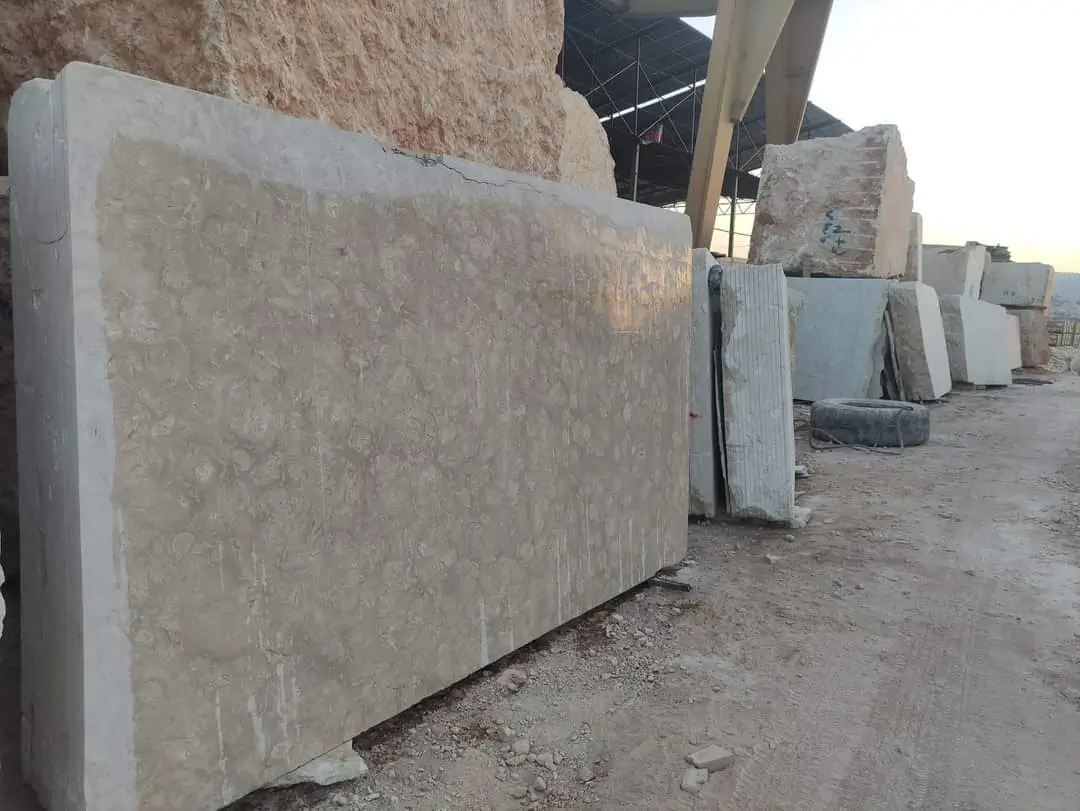
- Pool surrounds: standard formats handle the radius cuts and wet-edge conditions better; drainage slope tolerances are easier to maintain with smaller module geometry
- Covered outdoor kitchens and shade structure floors: large format excels here because UV exposure is partially filtered, reducing the sealer maintenance burden while the aesthetic impact of large slabs reads well in an architectural context
- Driveway aprons and motor courts: extra large natural stone pavers in 2-inch thickness handle vehicle load comfortably and deliver a dramatic visual statement at the scale Arizona residential motor courts demand
- Garden paths and accent walks: standard 12×16 or 16×16 formats give you better layout flexibility and a more intimate spatial scale appropriate to the application
Projects in Sedona benefit from a specific consideration: the red rock visual context means warm-toned stone in large formats can read as either a complementary or competing element depending on finish and color selection. Large format cool-gray limestone in that setting creates a deliberate contrast that many architects prefer, while large format warm travertine tends to blend into the landscape rather than define the space. Choosing paver dimensions across Arizona’s distinct regional environments — from high desert to low valley floors — requires that level of site-specific color and format reasoning, not just a default size spec.
Long-Term Appearance Retention Under Arizona Sun
The single most useful thing you can do for long-term appearance retention in Arizona — regardless of format size — is establish a sealer inspection routine rather than a calendar-based sealer replacement routine. The water bead test is your field diagnostic: apply a small amount of water to the stone surface. If it beads and sheets off within 30 seconds, your sealer is performing. If it absorbs within 5-10 seconds, reapplication is overdue. That test costs nothing and tells you more than a 24-month calendar schedule ever will.
For extra large pavers specifically, surface cleaning before resealing matters more because the broad face amplifies any residual efflorescence or UV-deposited mineral haze. A dilute phosphoric acid wash (not hydrochloric — it’s too aggressive for most natural stone) applied before sealing resets the stone’s surface chemistry and allows the new sealer to penetrate fully rather than bonding over a contaminated layer.
- UV-induced color shift in natural limestone progresses fastest in the first 18-24 months post-installation as residual quarry moisture finishes evaporating and mineral binders fully oxidize — don’t judge final color until year two
- Dark-colored grout or polymeric sand in joints accelerates visual contrast between joint and field as UV fades the stone face — lighter joint materials age more gracefully alongside naturally weathering stone
- Avoid pressure washing above 1,200 PSI on sealed natural stone surfaces; high-pressure cleaning removes sealer mechanically and strips the surface layer from softer limestone grades, creating uneven texture that holds UV-deposited deposits more aggressively over time
Final Perspective on the Extra Large vs Standard Pavers Arizona Decision
The extra large vs standard pavers Arizona decision ultimately resolves around three real-world variables: your project’s geometry complexity, your maintenance capacity and schedule, and your honest assessment of how Arizona’s UV load will interact with the stone finish you find most appealing. Neither format is universally superior — but the performance logic in this climate consistently favors larger formats for open-field applications where you want long-term visual consistency without intensive joint maintenance. At Citadel Stone, we source our large format natural stone directly from quarries with documented UV performance histories in comparable high-solar climates, and our technical team can walk you through specific color lot options that have demonstrated the most stable appearance retention in Arizona’s desert conditions.
Once you’ve resolved the format question, the next practical step is understanding exactly how these materials go down in Arizona’s specific base conditions. The How to Install Large Pavers in Arizona: Step-by-Step Guide covers the base preparation, expansion joint placement, and setting bed protocols specific to desert soil conditions — details that directly affect whether your format choice delivers on its long-term performance potential. For homeowners in Scottsdale, Chandler, and Mesa comparing slab dimensions, Citadel Stone carries extra large paver formats specifically proportioned for Arizona’s wide outdoor living footprints.