
Budget realities hit Arizona front garden paving projects harder than most homeowners anticipate — and the gap between a well-planned budget and an overrun one usually traces back to sourcing decisions made before a single paver is laid. Front garden paving installation Arizona projects carry freight costs, regional labor premiums, and material availability constraints that shift your cost structure significantly depending on where in the state you’re building. Understanding these dynamics early puts you in control of the outcome.
Understanding the Cost Structure for Arizona Front Garden Projects
The material-to-labor ratio for front garden paving installation Arizona projects typically runs 45–55% material, 45–55% labor — but that balance shifts based on your location within the state. Projects in remote or high-elevation areas see labor costs climb as a proportion of total spend because crew travel time gets absorbed into your quote. You should get itemized bids that separate material costs from installation labor so you can identify where value engineering is actually possible.
Freight distance is the variable most homeowners underestimate. Natural stone shipped from out-of-state quarries to southern Arizona destinations adds $180–$340 per pallet to your delivered cost when you factor in full LTL trucking rates. That number compounds fast on mid-size projects — a 600 square foot front garden can require 12–15 pallets of 2-inch pavers, and the freight difference between a local warehouse and a distant supplier can easily reach $3,000–$4,500 before you’ve touched a trowel. Verifying warehouse stock proximity before finalizing your material selection is one of the highest-leverage cost decisions you’ll make.
Material Selection and Value Engineering for Arizona Conditions
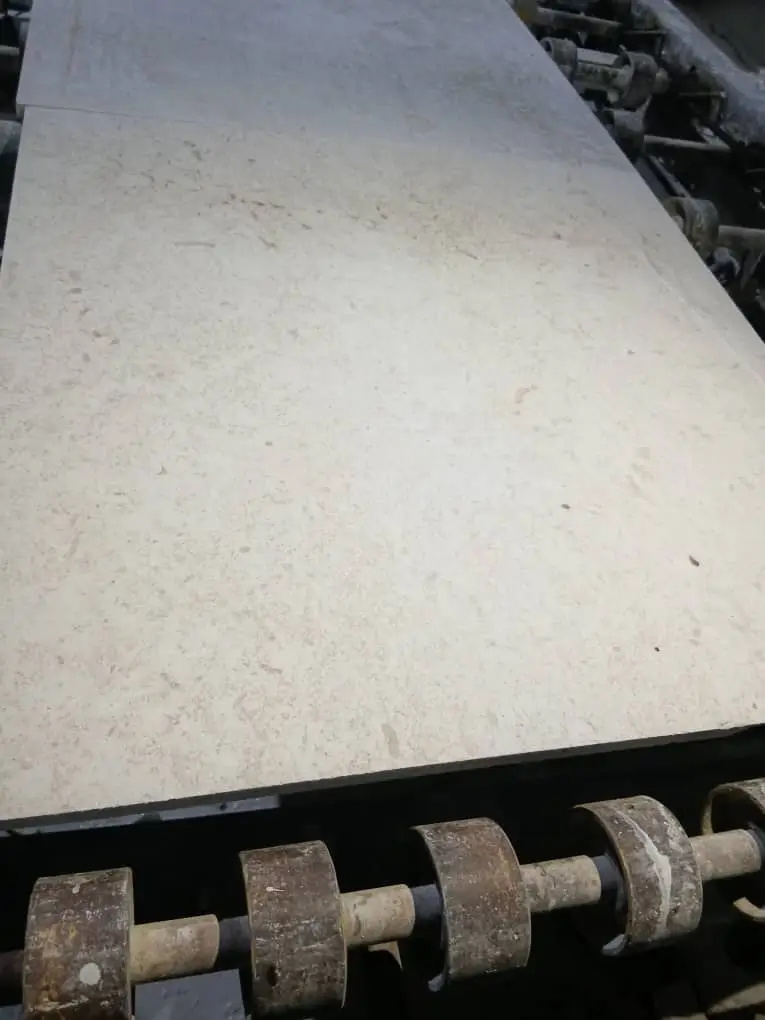
Desert-rated paving stones for Arizona gardens need to satisfy two performance demands simultaneously: high solar reflectance to keep surface temperatures manageable, and sufficient compressive strength to handle thermal cycling without spalling. Natural limestone in the 8,000–12,000 PSI compressive range hits both targets well — it reflects 55–65% of solar radiation while resisting the micro-fracture patterns that weaker materials develop after years of 115°F peak temperatures.
Value engineering on material selection is about knowing which performance specs you can flex and which ones are non-negotiable for your climate zone. Thickness is one area where you can often optimize — 1.5-inch pavers perform adequately for pedestrian front garden applications, while 2-inch stock is typically reserved for areas with vehicle access or heavy point loading. Dropping from 2-inch to 1.5-inch nominal thickness on a purely pedestrian front garden can reduce your material cost by 18–24% without sacrificing performance life.
- Specify ASTM C568 Class III limestone (minimum 8,000 PSI) for direct sun exposure zones across Arizona’s low desert elevations
- Check absorption rates — material above 7.5% water absorption requires more frequent sealing in the UV-intense Arizona climate
- Travertine and basalt carry different price points; basalt runs 15–25% more per square foot but offers lower porosity and easier maintenance budgeting
- Tumbled finishes tend to hold up better cosmetically in dusty environments like the Sonoran Desert margins
- Consistent bed depth matters more than stone grade — irregular thickness stock forces more mortar spend and slows installation rates
Navigating the Arizona Labor Market for Installation
Labor rates for skilled paving installation across Arizona vary more than most project managers expect — not just between Phoenix metro and rural areas, but between neighborhoods within the same city. Phoenix metro certified paving crews currently bill $8–$14 per square foot for full installation including base prep, depending on site complexity, and that range represents real variation in crew experience and equipment capability.
In Yuma, the labor market for exterior masonry work tightens significantly during summer months when extreme heat — regularly exceeding 115°F — limits productive working hours to early morning windows. Crews adjust their schedules, but plan for longer installation timelines during June through August, which has downstream effects on project cash flow and material staging. Warehouse holds on material may incur storage fees if delivery timing doesn’t align with installation readiness.
The detail that matters most when comparing labor quotes is whether base preparation is included or itemized separately. Some contractors quote paving installation without base excavation, compaction, and aggregate work — then present those as additional line items after contract signing. Always request a full scope-of-work breakdown that explicitly includes excavation depth, aggregate base specification, and compaction equipment type.
How Sourcing Decisions Drive Total Project Cost
Local material availability in Arizona is genuinely uneven. The Phoenix metro and Tucson corridors have reasonable access to regional stone suppliers and import distributors, but projects in rural counties or smaller towns can face lead times of 6–10 weeks from suppliers who don’t carry Arizona warehouse stock. That lead time gap doesn’t just affect scheduling — it affects your ability to phase payment, hold labor crews, and respond to design changes.
At Citadel Stone, we source material with Arizona’s specific freight economics in mind, which means our natural stone front garden paving across Arizona inventory is positioned to reduce the per-pallet delivery cost that kills project budgets when material ships cross-country. Verifying that your supplier has in-state stock — not just a catalog listing — is the sourcing question most worth asking before you commit to a material specification.
For projects in Sedona, the aesthetic expectations are particularly high given the dramatic red rock backdrop — and that means homeowners often push toward premium stone grades that carry a 30–45% price premium over standard stock. The honest calculation is whether the visual upgrade justifies the cost differential for a front garden application where foot traffic is light and structural demands are minimal. In many Sedona projects, a mid-grade natural stone with appropriate color selection performs identically to the premium tier at a meaningfully lower budget impact.
Your project specification should also account for minimum truck delivery requirements — most natural stone suppliers require a minimum order of 3–5 pallets for scheduled LTL delivery, and projects that fall below that threshold often face disproportionate freight charges or forced pickup-only fulfillment. Confirming truck delivery minimums with your supplier before finalizing order quantities is a straightforward way to avoid surprise logistics costs. Your Arizona front garden paving Citadel Stone specification benefits from this kind of upfront freight planning across all order sizes.
Front Garden Stone Installation Steps AZ: The Sequence That Protects Your Investment
The front garden stone installation steps AZ projects require follow a logical progression, but the margins for error at each stage are tighter than they’d be in a more forgiving climate. Arizona’s expansive soil types — particularly the caliche and clay-heavy profiles common across the central and southern regions — create base preparation demands that directly affect how long your paving stays level and tight-jointed.
Excavation and Base Preparation
Excavate to a minimum depth of 8 inches for pedestrian front garden applications — 6 inches of compacted aggregate base plus your paver thickness. Projects on reactive clay soils should add a geotextile fabric layer at the base of the excavation to prevent fine particle migration into the aggregate over time. Compact the native subgrade to 95% Proctor density before any aggregate goes in — this is the step that gets skipped most often when budgets get squeezed, and it’s the one that causes the most callbacks.
- Use 3/4-inch crushed aggregate for base layers — angular material compacts more effectively than rounded river gravel
- Compact in 3-inch lifts, not a single 6-inch pour — each lift needs a minimum two passes with a plate compactor
- Check for level and drainage slope simultaneously — target a 1–2% fall away from the structure for surface drainage
- Allow the compacted base to cure 24–48 hours before setting bed installation, particularly in high-heat periods when moisture evaporates faster than compaction can stabilize
Setting Bed and Joint Specification
For front garden paving installation Arizona projects using natural stone, a dry-set mortar bed at 1-inch nominal depth gives you the combination of rigidity and slight flexibility that the thermal cycling demands. Fully rigid mortar beds can perform well, but they leave no tolerance for the 0.3–0.6% linear thermal expansion that occurs between early morning and peak afternoon temperatures in the Phoenix basin — that’s roughly 3/8 inch of movement across a 6-foot run, and it will find any weakness in a fully locked system.
Joint width should be set at 3/16 to 1/4 inch minimum for natural stone front garden applications in Arizona. The common mistake is running joints too tight — less than 1/8 inch — which looks refined at installation but leaves nowhere for thermal movement to go. Edge chipping and grout cracking typically appear within 18–24 months on joints that are under-sized for Arizona temperature swings.
How to Pave a Front Garden in Arizona: Drainage and Surface Geometry
Knowing how to pave a front garden in Arizona means accounting for two competing realities: the desert typically goes months without rain, then receives intense monsoon-season downpours that can deliver 1–2 inches in under 30 minutes. Your surface drainage system needs to handle peak flow rates that would be unusual in other climates — not the average, but the extreme event.
Surface slope of 1.5–2% away from the structure is your baseline target, but check the drainage path downstream as well. A well-sloped front garden paving surface that drains directly into a landscaped area with dense caliche layers below grade will create ponding at the property boundary. Where the drainage path isn’t clear, a channel drain or French drain along the low side of the paved area resolves the issue at a fraction of the cost of retrofitting after the fact.
- Avoid flat, zero-slope paving designs even when the homeowner requests them for aesthetic reasons — the maintenance and water damage costs make it a liability
- Permeable paving systems with open-jointed installation are increasingly relevant in Arizona municipalities where stormwater runoff credits offset project costs
- Edge restraints on front garden installations in sandy desert soils should be staked at 18-inch intervals — standard 24-inch spacing is insufficient for the soil mobility common in desert profiles
- Soldier course borders dramatically improve the finished appearance and simultaneously serve as the primary edge retention system
Sealing Protocols and Long-Term Maintenance Budgeting
Desert-rated paving stones for Arizona gardens require sealing, but the sealing schedule is where homeowners consistently underbudget on long-term maintenance. The UV intensity at Arizona latitudes — Phoenix sits at roughly 33° north latitude with extremely low cloud cover — breaks down penetrating sealers meaningfully faster than the same product in a northern climate. Expect an 18–24 month effective cycle for penetrating sealers versus the 3–5 year cycle those products achieve in milder regions.
In Flagstaff, the sealing calculation changes again — at 6,900 feet elevation, freeze-thaw cycles become a real factor from November through March, which means you need a sealer with documented freeze-thaw flexibility ratings rather than a standard penetrating formula. Using the wrong sealer specification in Flagstaff can cause subsurface spalling within 2–3 winters, which is an expensive lesson compared to a $0.30 per square foot sealer upgrade at initial installation.
Budget your sealing maintenance at $0.40–$0.80 per square foot for professional application on a biennial cycle. That number should appear in your client’s total cost of ownership discussion at the time of sale — hiding the maintenance cost creates dissatisfied clients who blame the product when the issue is the maintenance gap.
Permit Requirements and Code Considerations Across Arizona
Arizona municipalities vary considerably in their permit requirements for front garden paving work. Maricopa County jurisdictions generally require a permit for any impervious surface addition exceeding 200 square feet, and several cities within the county have lower thresholds — some as low as 100 square feet — tied to stormwater management requirements. Confirm permit thresholds with the specific municipality before project commencement, not after, because retroactive permit applications carry penalties that can add $400–$1,200 to project costs.
HOA approval is a separate track from municipal permitting and is frequently overlooked in the project planning timeline. Many Arizona front garden projects in planned communities require design board review that runs on 30–45 day approval cycles. Missing that timeline can delay your installation window into summer, which adds labor cost and complexity. Our technical team advises clients to initiate HOA review simultaneously with permit applications, not sequentially.
- Maricopa and Pima County jurisdictions often require engineered drainage plans for paved areas exceeding 500 square feet
- Some municipalities offer expedited review for projects using permeable paving systems as part of their water management incentive programs
- ADA compliance requirements apply to any paving that connects to a public right-of-way — surface tolerance must meet 1/4 inch in 10 feet for accessible route standards
- Utility locates (Arizona 811) are mandatory before any excavation regardless of project size — this is a legal requirement, not a suggestion
Expert Summary
Front garden paving installation Arizona projects succeed or struggle based on decisions made well before installation day — material sourcing proximity, labor market timing, base specification rigor, and maintenance budget transparency are the variables that separate projects that perform for 20+ years from ones that show distress within five. The climate context matters, but the budget and sourcing framework you establish at the outset shapes every subsequent decision.
Your total project cost is far more manageable when you approach it as a system: material cost plus freight plus installation labor plus long-term maintenance, all evaluated together rather than as isolated line items. Choosing a natural stone supplier with Arizona warehouse inventory isn’t just a convenience — it’s a direct cost reduction that often offsets any perceived premium on the material itself. As you plan the full scope of your Arizona stone investment, complementary hardscape elements are worth considering alongside your front garden design — How to Choose Paver Seating Wall Cost in Arizona covers seating wall budgeting in the same regional cost context and is worth reviewing before you finalize your overall property hardscape scope.
Homeowners in Tucson, Mesa, and Chandler rely on Citadel Stone for front garden paving materials that are known for dimensional stability under Arizona’s extreme summer ground temperatures.